What a Plastic Idler Is and Where It Fits
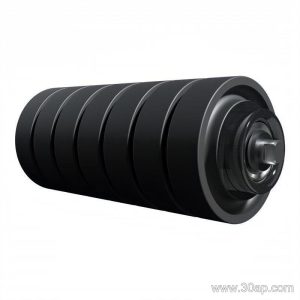
A plastic idler is a conveyor idler roller whose body, and often its end caps and bearing housing, are made from engineering polymers rather than steel tube. It supports the conveyor belt on the carrying or return side, keeps the belt tracking along the frame, and lets the belt move with low rolling resistance. In a typical conveyor pulley arrangement, the drive pulley pulls the belt, the tail pulley returns it, and the idlers carry the load in between. The plastic idler does not replace those pulleys; it works alongside them, mounted on the conveyor bracket or frame.
Because the roller body is non-metallic, plastic idlers are chosen where weight, corrosion, noise, or product contamination matter. They are common in sand and gravel lines, fertilizer and grain handling, light aggregate conveying, and other bulk material conveyor systems where a steel roller would rust or add unnecessary mass.
How the Roller Is Built
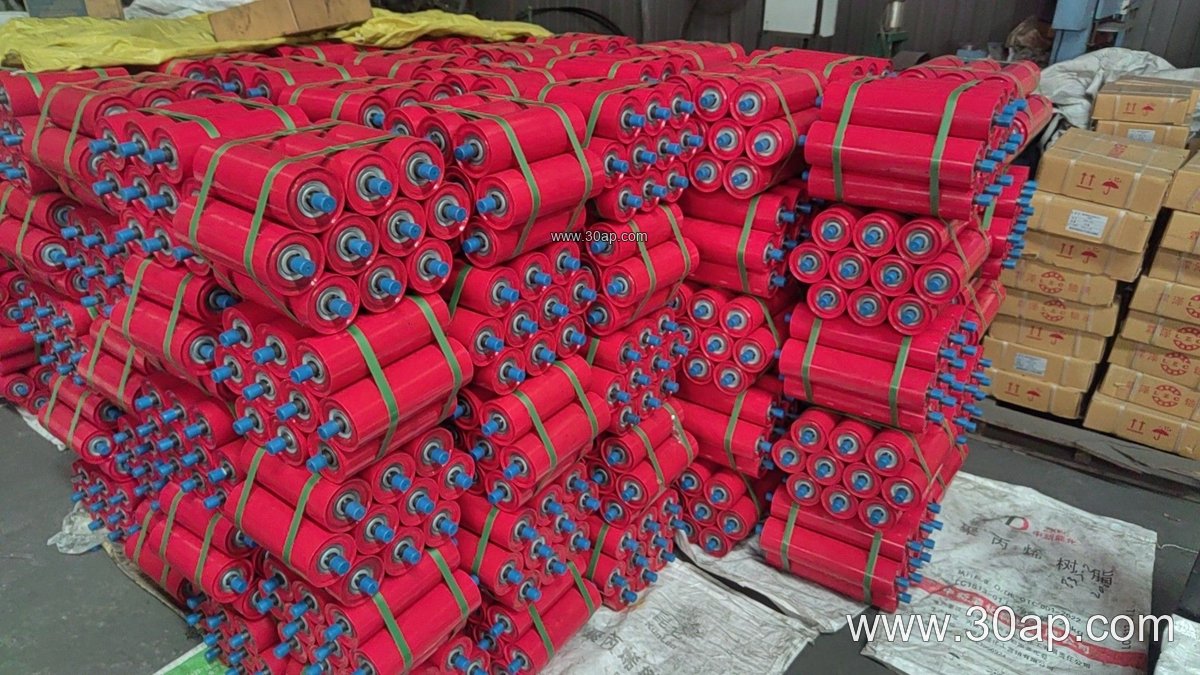
Most plastic idler rollers combine a molded or extruded polymer shell with steel or polymer bearing housings at each end. Sealed ball bearings sit inside, and the seal design matters more than the shell color. A labyrinth seal or a multi-lip seal keeps fine dust out of the bearing cavity, which is the main reason idlers fail early in dusty plants.
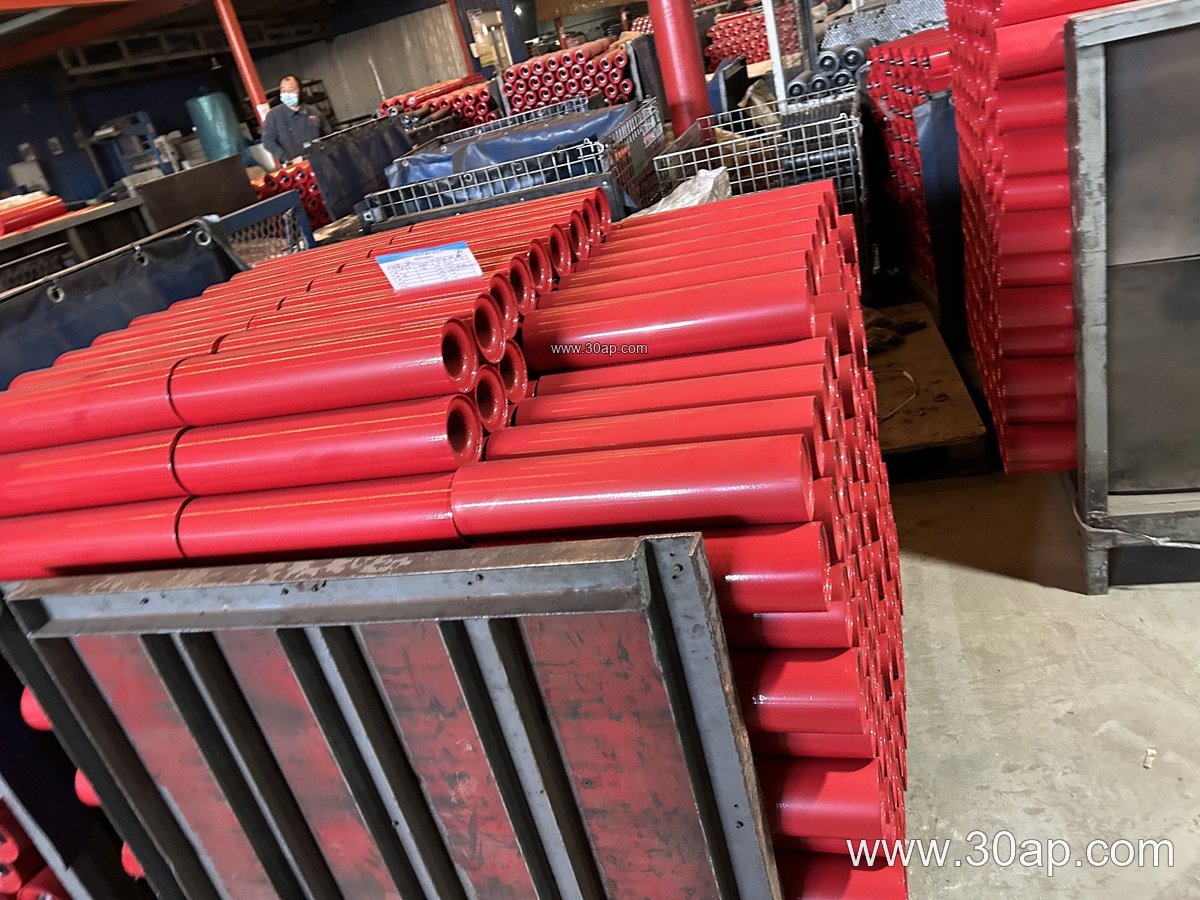
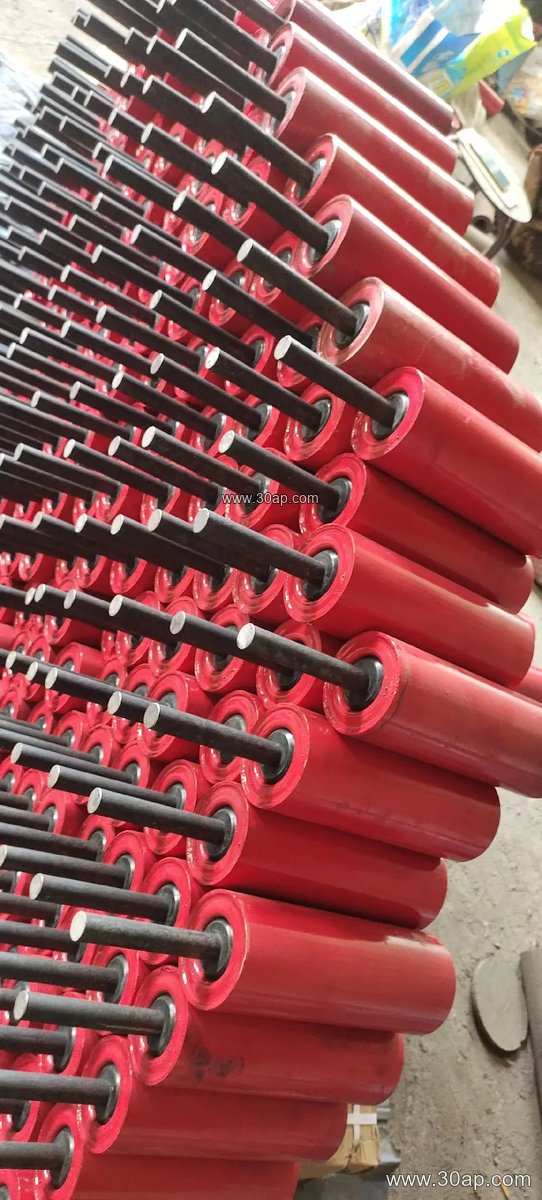
The shaft is usually steel and runs through the roller, supported at both ends by the conveyor bracket. Roller diameter and shaft size are selected from the load and belt speed, not from belt width alone. Common plastic idler diameters fall in the range of Ø63 mm to Ø159 mm, with larger sizes used on heavier belts. Bearing choices such as 6204, 6205, 6305, or 6308 are matched to the shaft and load case by the designer.
Roller Surface and Profile
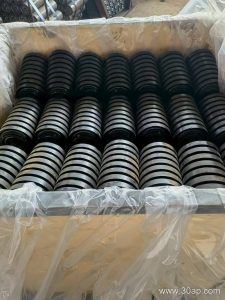
Plain cylindrical shells suit flat return runs and general carrying positions. Grooved or profiled shells are used where belt tracking needs help. A plastic idler can also be supplied in a spiral or disc form for self-cleaning duty in sticky material. The surface form should follow the material being conveyed, not a catalog default.
Matching the Idler to the Belt Line
Belt width sets the roller length and the idler group layout. For a three-roll troughing set, common roller lengths are roughly 200 mm for B500, 250 mm for B650, 315 mm for B800, 380 mm for B1000, 465 mm for B1200, 530 mm for B1400, and 600 mm for B1600. These are typical examples only; side rollers and center rollers can differ, and trough angle changes the geometry.
| Parameter | Common Reference Range | Notes |
|---|---|---|
| Roller diameter | Ø63, Ø76, Ø89, Ø102, Ø108, Ø127, Ø133, Ø159 mm | Selected by load and belt speed |
| Belt width | B400 to B1800 mm and wider | Roller length follows the idler group |
| Trough angle | 20, 30, 35, 45 degrees | Higher angle suits wider belts and free-flowing material |
| Bearing | 6204, 6205, 6305, 6306, 6308, 6310 | Matched to shaft and duty |
A wider belt does not force one fixed roller diameter, and a given belt width can be served by more than one shaft size. Buyers should confirm the idler group form, the mounting dimensions, and the shaft end type before ordering.
Applications Across Industries
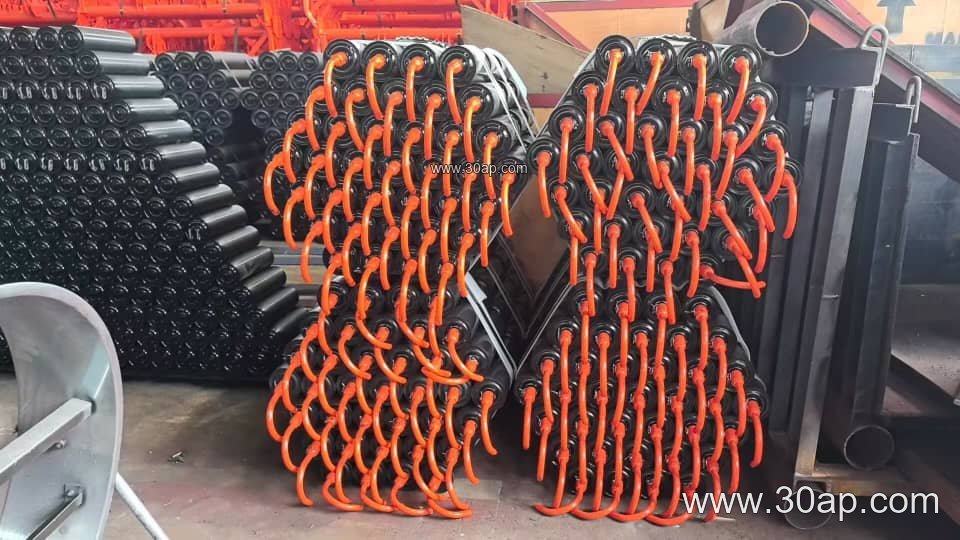
Plastic idlers appear in aggregate and quarry conveyors, cement plant clinker and additive lines, power plant coal handling, and fertilizer blending. In a coal mining conveyor or a cement plant conveyor, the choice between a plastic roller and a steel roller usually comes down to corrosion, weight, and the cost of replacement access. Where a heavy-duty mining conveyor belt carries sharp rock, a steel or rubber-disc impact idler may still be the better choice at the load point, while plastic idlers handle the long carrying run.
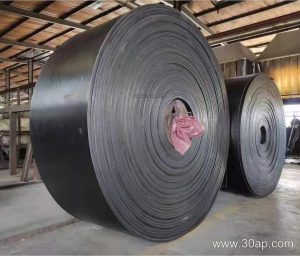
Lightweight polymer rollers are also easier to handle during maintenance on elevated structures. In a port or ship loading line, reduced roller mass can lower manual handling effort during belt inspections. On an EP conveyor belt or a multi-ply fabric core belt, smooth-running idlers help protect the belt cover from abrasion and tracking damage.
Selection and Maintenance Notes
- Check the seal class before price. Dust ingress, not shell wear, usually ends roller life.
- Confirm the shaft diameter and bearing number against the existing bracket, not just the roller diameter.
- Use the correct trough angle and roller length for the belt width and idler group.
- Inspect for seized rollers, because a locked idler can wear the belt cover and shift belt tracking.
- Keep spare rollers on hand for high-wear positions such as transfer points and return runs.
For a conveyor system that also uses a rubber conveyor belt or a flame retardant conveyor belt underground, the idler specification should be reviewed together with the belt and the conveyor pulley package so that speeds, loads, and sealing all match. A well-chosen plastic idler reduces weight and corrosion without changing the conveying duty, and it keeps the belt running smoothly between the drive and tail pulleys.