Understanding the Role of an Idler Roller
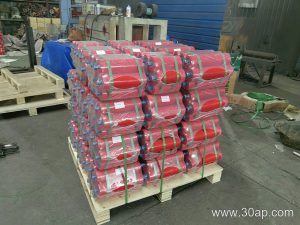
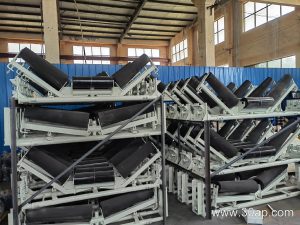
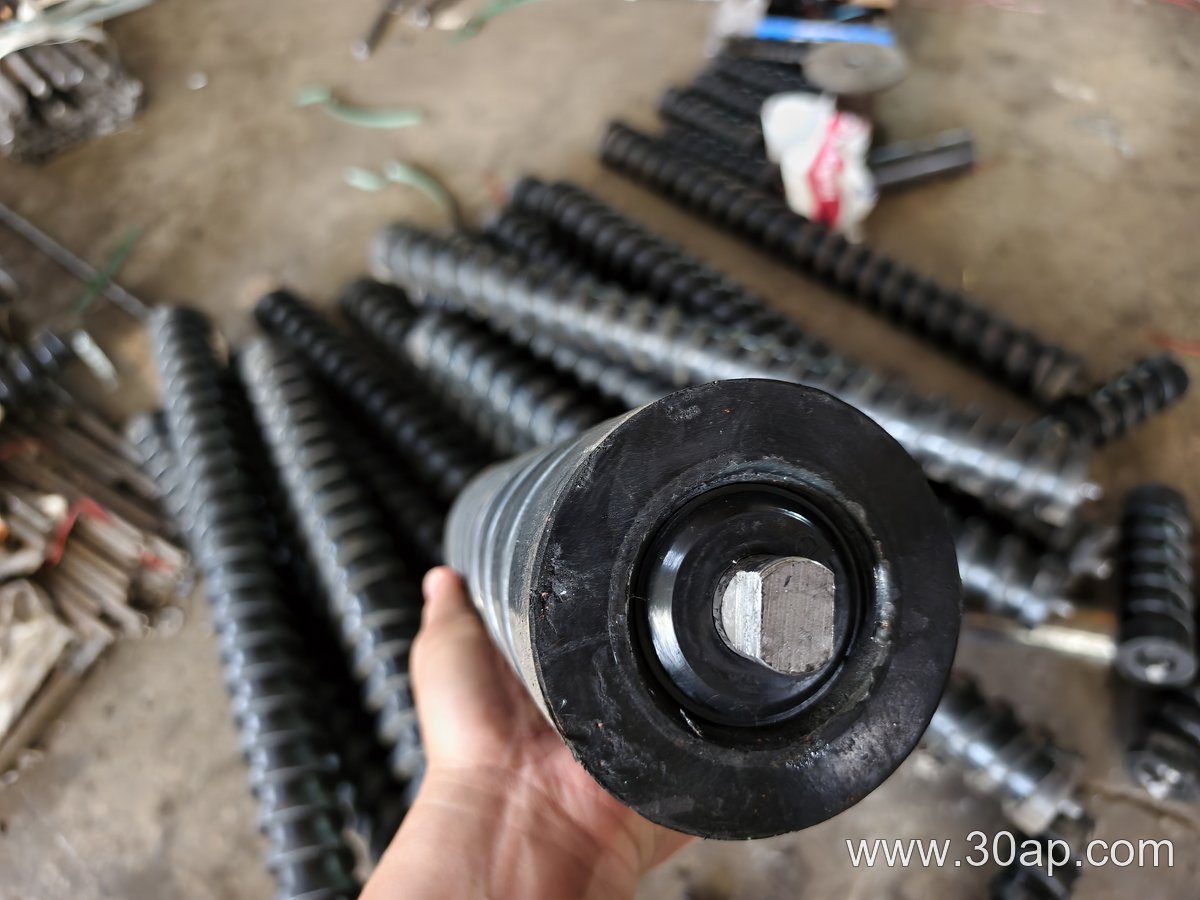
An idler roller is a cylindrical component that supports the conveyor belt and the material load, ensuring smooth movement and reducing friction. Without properly selected idler rollers, belts can misalign, sag, or wear prematurely, leading to costly downtime.
Key Selection Criteria for Idler Rollers
- Load capacity: Match the roller’s dynamic load rating to your maximum belt load, including impact at loading points.
- Roller diameter and length: Choose diameter based on belt width and speed; larger diameters reduce belt flexing and extend service life.
- Material and environment: Use steel or HDPE for dusty, abrasive, or corrosive settings; rubber-coated idler rollers minimize noise and protect sensitive materials.
- Sealing system: Opt for labyrinth or contact seals to prevent dust and moisture ingress, especially in outdoor or mining operations.
Purchasing and Maintenance Advice
When buying idler rollers, verify compliance with ISO or CEMA standards and request samples for on-site testing. Always check the bearing type (e.g., ball vs. tapered) and the frame compatibility. Regularly inspect idler rollers for wear, misalignment, or seized bearings; rotate and replace them in sets to maintain balanced belt tracking. Schedule lubrication based on manufacturer guidance but avoid over-greasing, which can attract debris.
Why the Conveyor Pulley Defines System Reliability
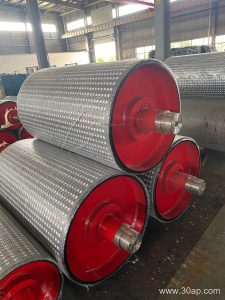
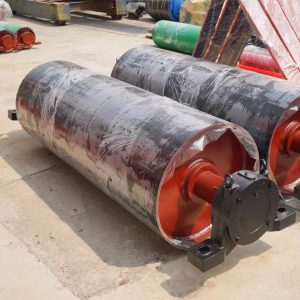
The conveyor pulley is not just a rotating cylinder—it is the mechanical heart that drives belt tension, tracking, and torque transmission. Choosing the wrong pulley leads to belt slippage, misalignment, and costly downtime.
Key Types and Their Applications
- Drive pulleys: Lagged with rubber or ceramic for high friction at the head end.
- Bend pulleys: Used to change belt direction, typically at the tail or take-up.
- Snub pulleys: Increase wrap angle on the drive pulley for better grip.
Selection and Purchasing Advice
Assess Load and Shaft Stress
Calculate the maximum belt tension and shaft deflection using CEMA standards. Oversize the shaft diameter by 10–15% to handle surge loads.
Choose the Right Lagging
For wet or high-torque conditions, select ceramic lagging. For standard dry operations, plain rubber is economical. Never skip lagging on drive pulleys—bare steel reduces friction by up to 40%.
Check Crown and Face Width
A 1–2 mm crown on the pulley face improves belt centering. Ensure the face width exceeds the belt width by at least 150 mm to avoid edge damage.
Verify Bearing and Hub Fit
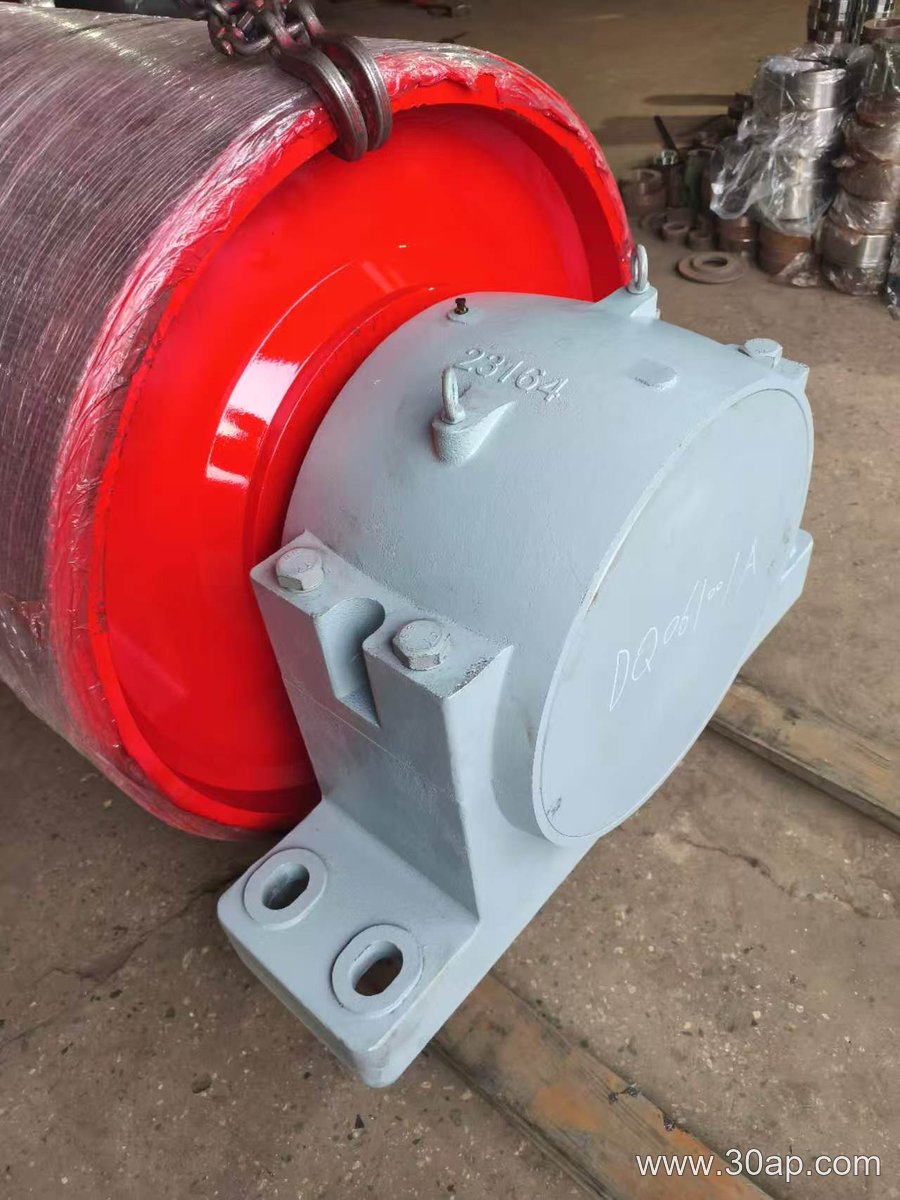
Use taper-lock bushings for easy maintenance. Confirm the bearing housing matches your environmental rating (IP66 for dusty or washdown sites).
Request Dynamic Balancing
For belt speeds above 4 m/s, require G6.3 balance grade. Unbalanced pulleys vibrate, shorten bearing life, and cause belt fatigue.
Finally, always ask the supplier for a deflection calculation report and a certified drawing before ordering—this ensures the conveyor pulley matches your exact frame and take-up travel.
Why Conveyor Brackets Matter in Industrial Systems
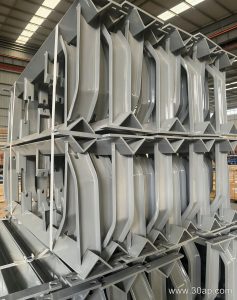
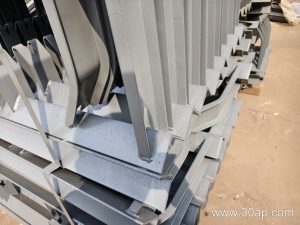
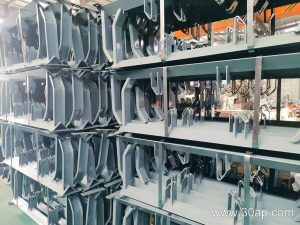
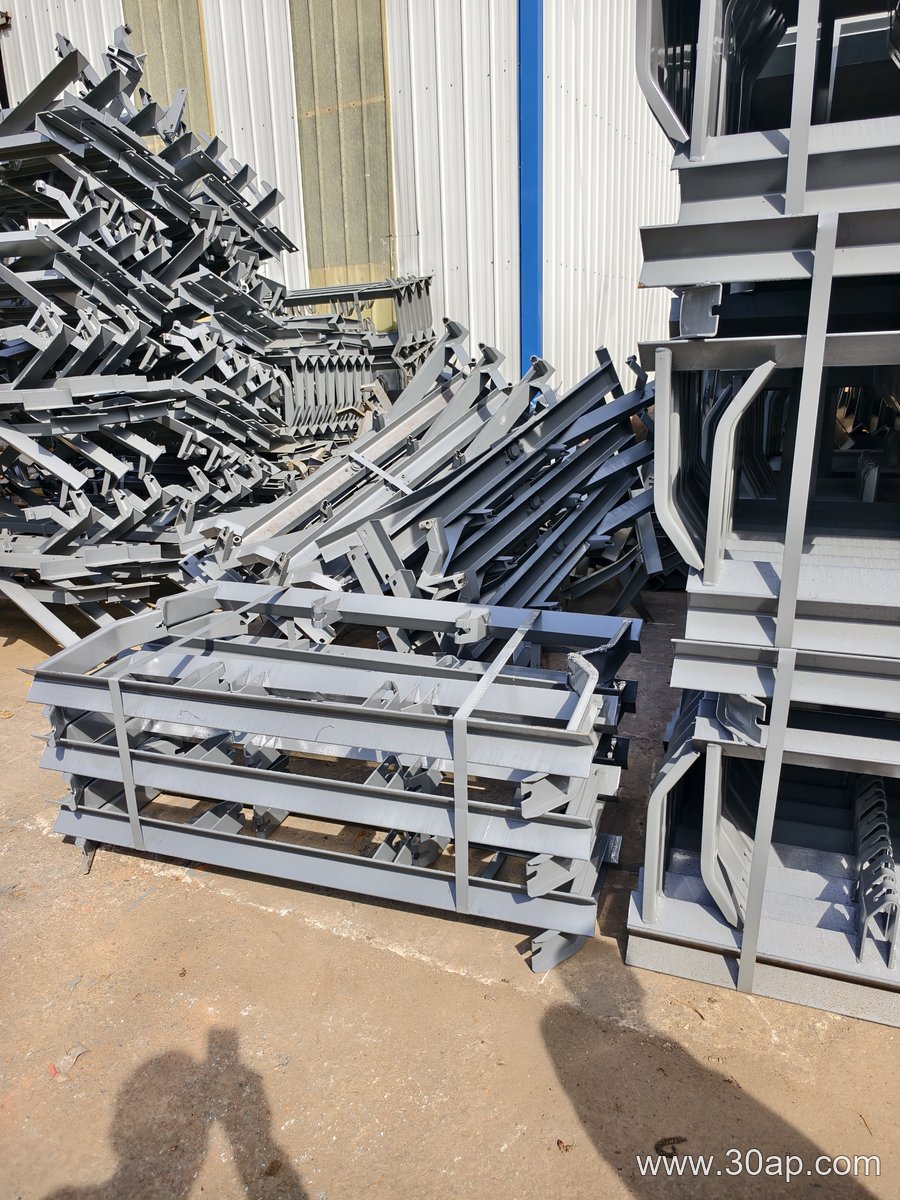
The conveyor bracket is a critical yet often overlooked component that secures rollers, idlers, and frames to the conveyor structure. A poorly chosen bracket leads to misalignment, excessive vibration, and premature wear of belts and bearings.
Selecting the Right Bracket for Your Application
Consider load rating, material compatibility, and environmental exposure. For heavy-duty mining or aggregate lines, choose welded steel brackets with hot-dip galvanization. For food or pharmaceutical plants, stainless steel (304/316) brackets with smooth finishes prevent contamination and corrosion.
Purchasing Advice for Industrial Buyers
- Verify the bracket’s slot dimensions match your conveyor’s existing mounting holes or C-channel.
- Check for adjustable-angle brackets if you need to fine-tune roller alignment on-site.
- Request load-test certificates and confirm compliance with CEMA or ISO standards.
- Buy spare brackets from the same batch to ensure dimensional consistency across your line.
- Consider vibration-damping rubber inserts if your system operates at high speeds.
Always request a sample bracket for physical fit testing before bulk ordering. A robust conveyor bracket reduces downtime and extends the life of your entire conveyor system.
Why the Conveyor Belt Is the Backbone of Bulk Handling
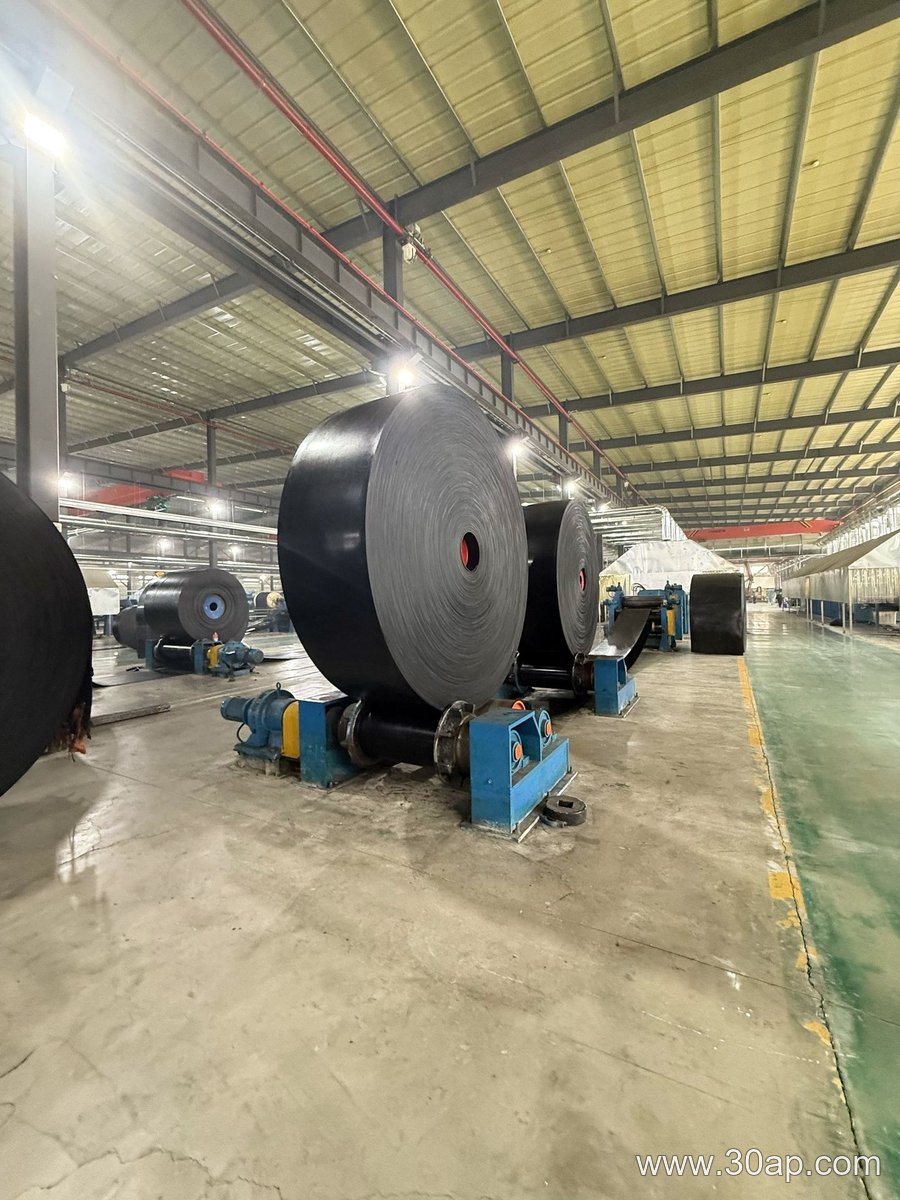
The conveyor belt is not merely a moving surface; it is the critical interface between your product and your throughput. Choosing the wrong belt causes downtime, spillage, and costly repairs.
Core Material and Construction
Assess the belt’s carcass (polyester, nylon, or steel cord) and cover rubber grade. For abrasive ores, specify high-tensile strength with a wear-resistant top cover. For food or chemical lines, select a hygienic, oil-resistant compound.
Load, Speed, and Tension Ratings
- Calculate peak load per meter, not average, to avoid sagging.
- Match belt speed to your drive system’s RPM and pulley diameter.
- Verify allowable working tension (kN/m) against start-up and braking forces.
Environmental and Maintenance Factors
Temperature extremes, UV exposure, and moisture dictate whether you need flame-retardant, anti-static, or weather-resistant covers. Also consider splice type—vulcanized for long-term, mechanical for quick repairs.
Purchasing advice: Always request a belt tension calculation from your supplier and ask for a sample test strip. Confirm stock availability for your exact width and thickness to avoid production stoppages.