What a Conveyor Belt Support Frame Does
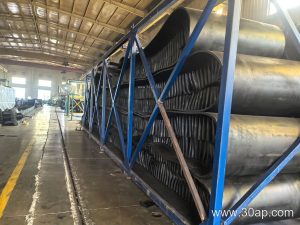
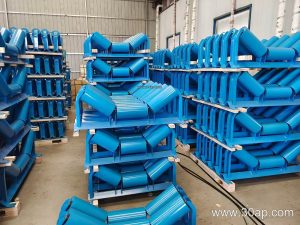
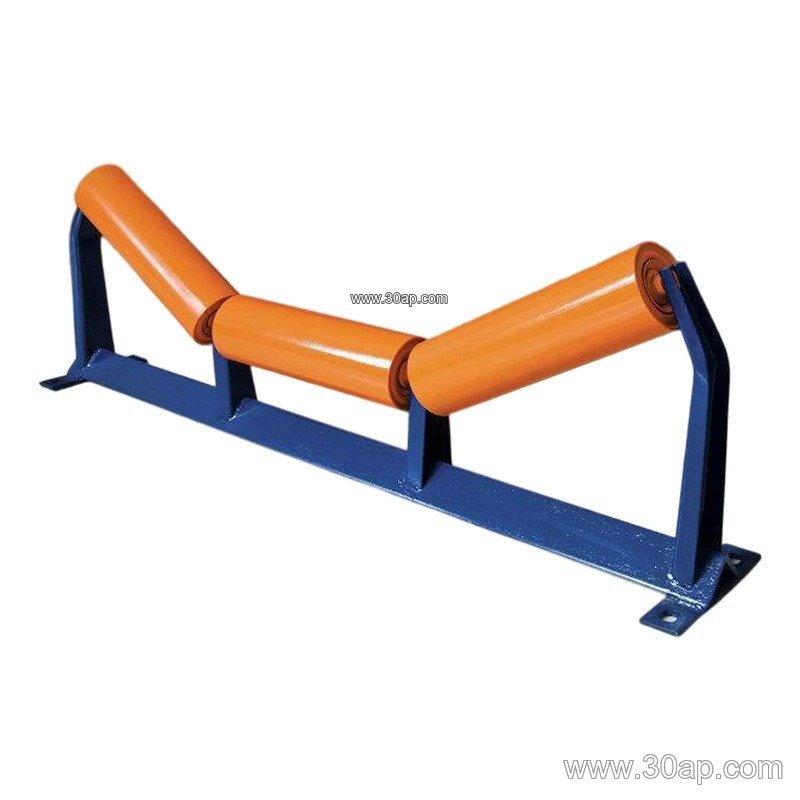
The conveyor belt support frame is the structural backbone that holds the idlers in place and keeps the belt at the correct profile along the entire run. In a stone crushing line or a cement plant, the belt carries heavy, abrasive material hour after hour, so the frame has to do more than simply sit under the rollers. It sets the trough angle, controls the transition from flat to troughed sections, and keeps the belt centered enough that spillage stays manageable. Engineers often call this component the conveyor idler frame or idler support frame, and the two terms describe the same product.
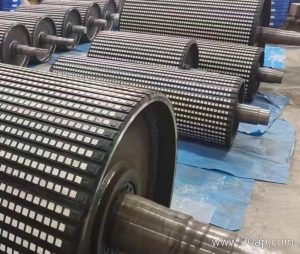
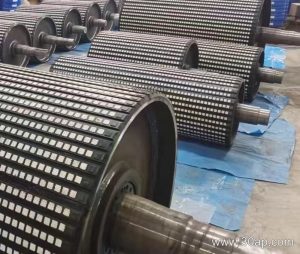
A support frame is not a pulley. Drive pulleys, tail pulleys, and bend pulleys transmit power or change belt direction, while the frame only carries the belt and its load through the idler rollers. Confusing the two leads to wrong specifications, so buyers should keep the categories separate when reading a drawing.
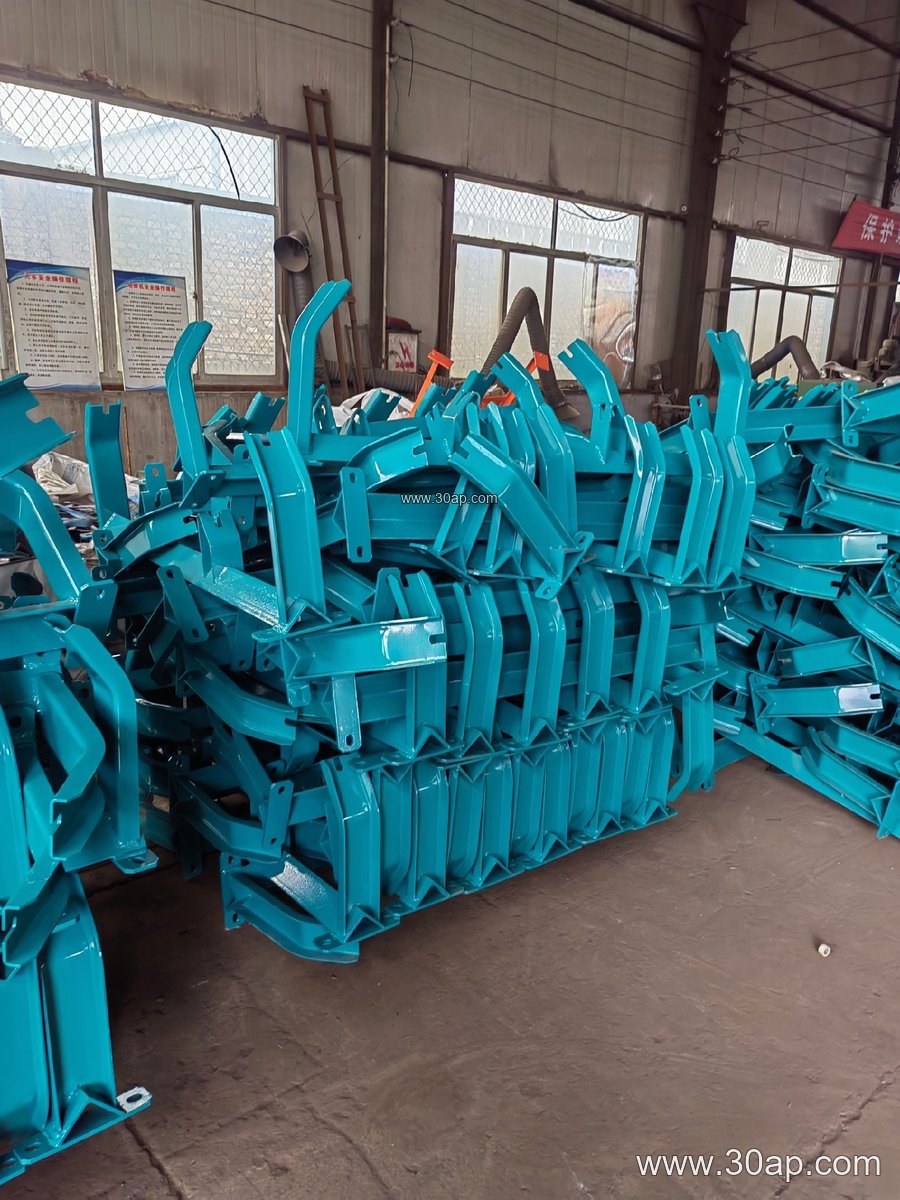
How the Frame Is Built
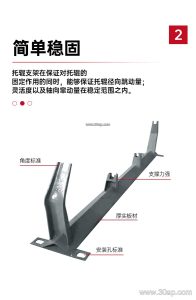
Most frames are fabricated from angle steel, channel steel, or folded steel plate. The crossbeam length and mounting hole spacing change with belt width and trough angle, so there is no single fixed dimension that fits every line. A typical assembly includes the crossbeam, mounting brackets, and sometimes adjustable arms that let maintenance staff fine-tune the trough profile.
Common material and fabrication choices include:
- Angle steel for lighter troughing and return frames
- Channel steel for wider spans and heavier loads
- Folded plate for compact, stiff crossbeams
- Welded or bolted construction depending on site assembly needs
Surface treatment matters in wet or dusty plants. Paint systems, galvanizing, and powder coating are all used, and the choice usually follows the plant environment rather than a single standard.
Common Frame Types and Where They Sit
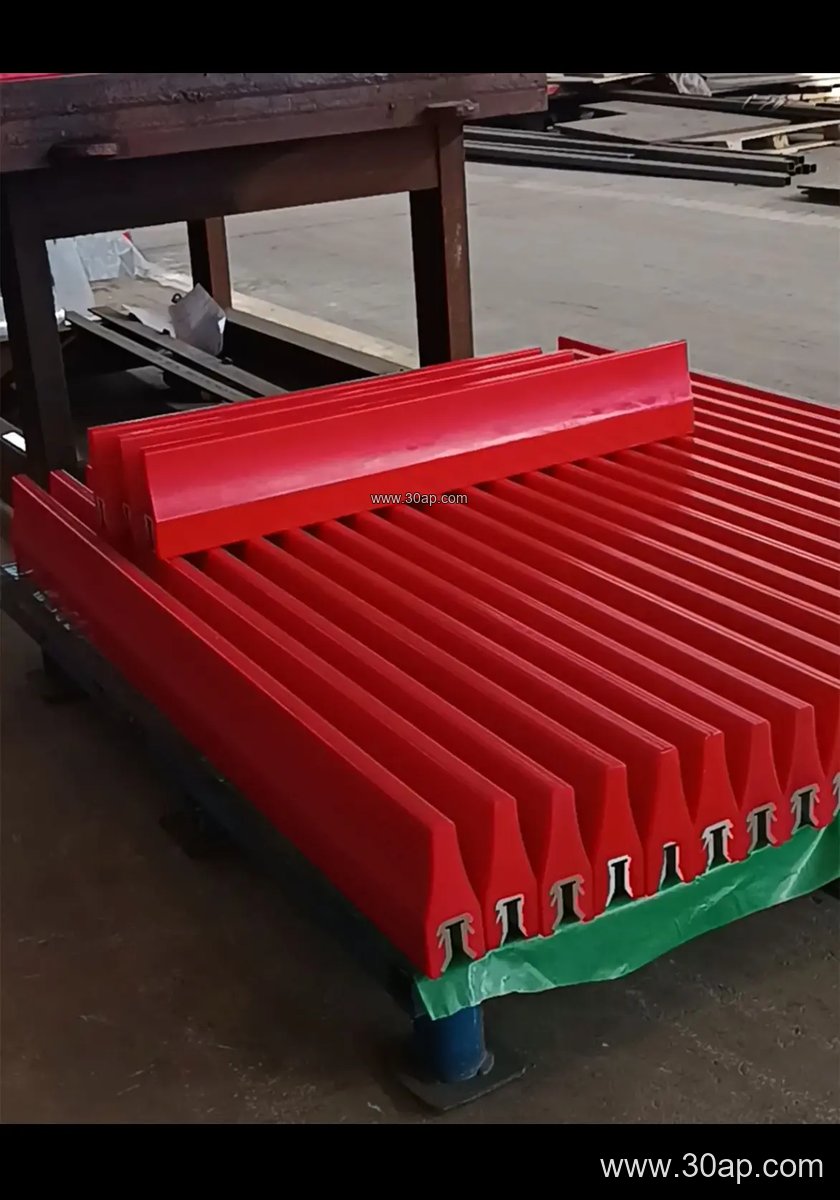
The troughing frame, also called the upper trough frame, supports the carrying side and sets the trough angle. Transition frames sit near pulleys where the belt changes shape. Return frames and V-return frames hold the belt on the lower run, while impact frames with buffer idlers are placed under loading points. Self-aligning frames and forward-leaning frames help with belt tracking, and suspended frames suit compact or mobile structures.
| Frame Type | Typical Location | Notes |
|---|---|---|
| Troughing frame | Carrying run | Sets trough angle, usually 20 to 45 degrees |
| Transition frame | Near pulleys | Gradual change from flat to troughed |
| Return frame | Lower run | Supports return idlers |
| V-return frame | Lower run | Helps center the belt |
| Impact frame | Loading point | Uses buffer idlers for shock absorption |
| Self-aligning frame | Long runs | Corrects minor belt drift |
Matching Frame, Belt, and Idler
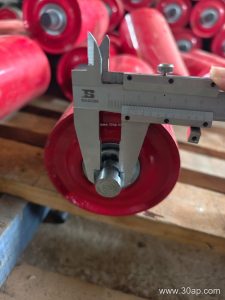
Belt width and idler diameter are linked through the frame design, but not in a rigid one-to-one way. A B800 frame at 35 degrees might use Ø108 idlers in one plant and a different roller size in another, depending on load and belt stiffness. Common belt widths for support frames range from B500 and B650 up to B2000 and B2200, and trough angles of 20, 30, 35, and 45 degrees cover most installations. Forward-leaning frames usually tilt about 1.5 to 2 degrees.
When specifying, confirm the belt type as well. A heavy-duty mining conveyor belt, an abrasion resistant conveyor belt, or a flame retardant conveyor belt for underground coal mining each places different demands on idler spacing and frame stiffness. In a power plant coal yard, a heat resistant conveyor belt may run alongside standard EP conveyor belt sections, and the frame layout should follow the actual belt and load rather than a generic template.
Buyer Checklist
- Confirm belt width, trough angle, and idler diameter as a set, not as isolated numbers
- Ask for mounting hole spacing and crossbeam length from the drawing
- State the environment: quarry dust, cement powder, wash-down, or coastal humidity
- Check whether adjustable frames are needed for future trough angle changes
- Review the connection between frame, conveyor bracket, and conveyor pulley supports
For more on related components, see gsdconveyorbelt.com conveyor belt support frame guidance and the idler roller and conveyor pulley pages. A well-chosen frame keeps the belt tracking, protects the rollers, and reduces downtime in any bulk material handling line.