What a Welded Pulley Is and Why the Weld Matters
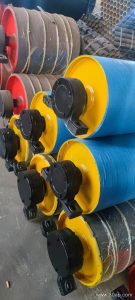
A welded pulley is a conveyor pulley whose shell is joined to its end discs and hub assemblies by welding rather than by a purely cast or bolted construction. In bulk handling the term usually refers to a fabricated drum that turns a conveyor belt, supports its path, and transfers drive torque. Because the shell, discs, and hubs are welded into one body, the pulley can be built in diameters and face widths that suit a specific conveyor layout, which is why it appears across quarry, cement, and power plant installations.
The welded construction is not a single product type. A welded pulley can serve as a drive pulley, a tail pulley, or a bend pulley, and each position imposes different loads. The weld quality, the machined fit of the shaft, and the balance of the finished drum all affect how long the unit runs quietly under a loaded belt.
How the Shell, Discs, and Hub Come Together
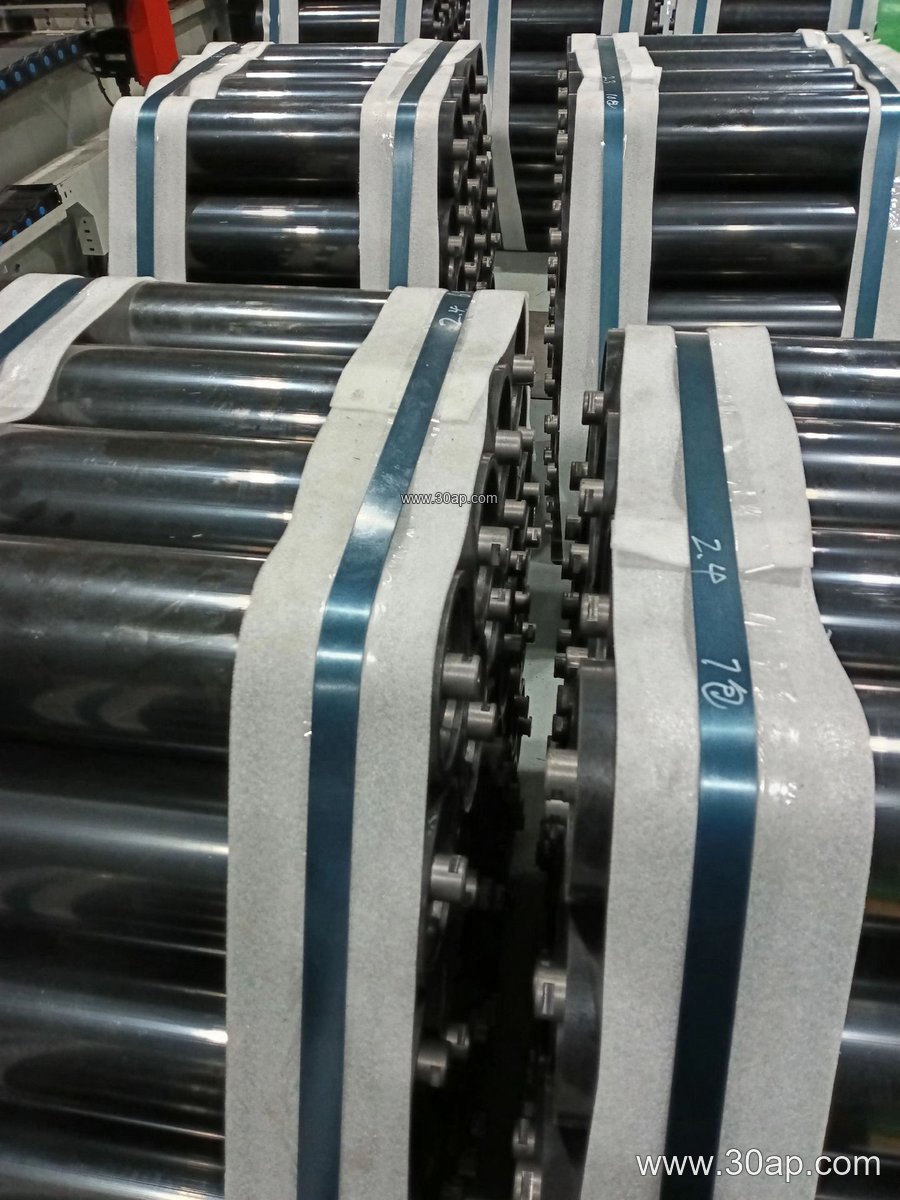
Most fabricated pulleys start with a rolled steel shell, two end discs, and a hub that is bored to the shaft diameter. The discs are welded to the shell and to the hub, then the assembly is machined so the shaft seats true and the face runs concentric. For heavier duty, the hub may be keyed and the shaft locked with a shrink fit or a locking assembly.
- Rolled shell, usually with a slight crown or a flat face
- End discs welded to the shell and hub
- Machined bore and keyway for the shaft
- Optional lagging applied after welding and balancing
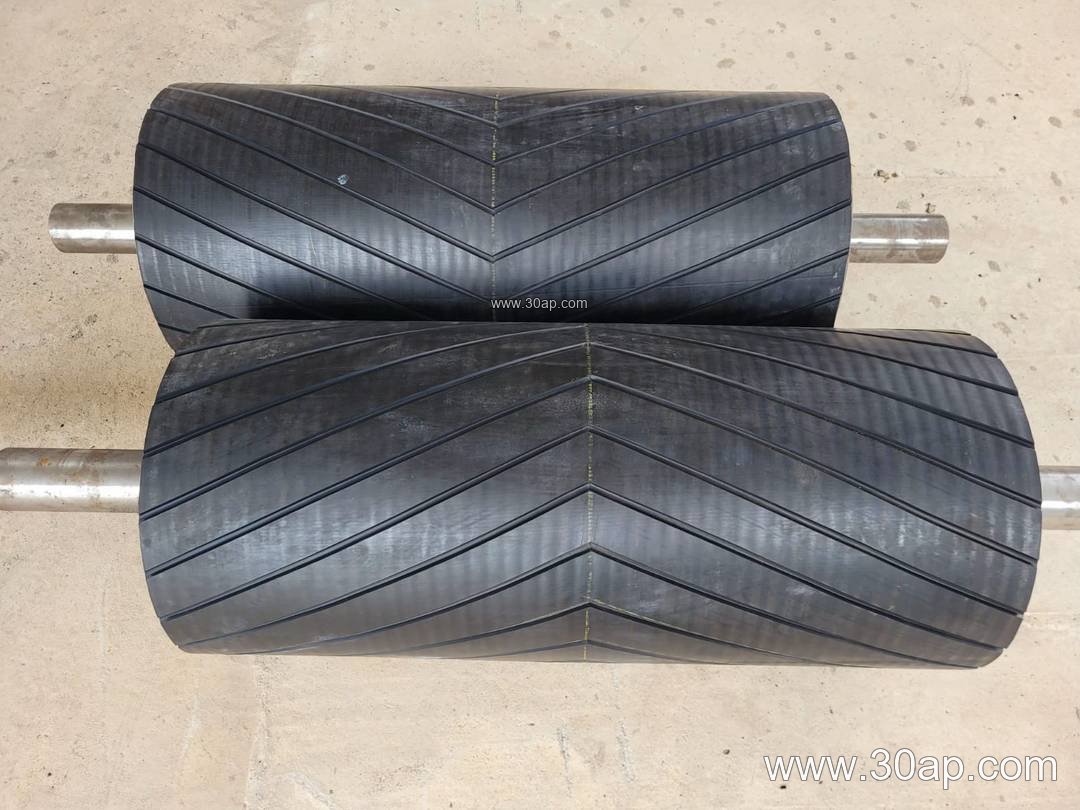
Because the shell is welded, a fabricator can produce a drum to match a belt width and a required diameter without a dedicated casting pattern. Surface options such as plain, hot vulcanized rubber, cold bonded rubber, diamond lagging, or ceramic lagging are usually added after the welded body is complete. A welded pulley destined for a wet or dusty transfer point may get a rubber lagging to improve grip, while a bend pulley may run plain.
Sizes and Reference Dimensions
Pulley size is normally described as belt width by diameter, for example B1200 x Ø1000 or B800 x Ø500. The face width is generally a little wider than the belt so the belt is supported across its full width. Common reference combinations include B650 with Ø400, B1000 with Ø630, and B1400 with Ø800, but these are design examples, not fixed rules. A wider belt does not automatically require one specific diameter, and shaft size should be determined from torque and bearing load rather than from belt width alone.
| Reference Item | Common Range |
|---|---|
| Belt width | B400, B500, B650, B800, B1000, B1200, B1400, B1600, B1800 |
| Pulley diameter | Ø200, Ø250, Ø315, Ø400, Ø500, Ø630, Ø800, Ø1000, Ø1250 |
| Lagging thickness | 8, 10, 12, 15, 20 mm |
| Shaft diameter | Ø50 to Ø200, set by load calculation |
For a mine or aggregate line, a drive pulley may be specified as B1000 x Ø800 with 12 mm diamond lagging, while a tail pulley on the same conveyor could be B1000 x Ø630 with a plain face. The pairing depends on belt tension, wrap angle, and the duty of the position, not on a catalog shortcut.
Where Welded Pulleys Fit in a Conveyor
A welded pulley is common in stone crushing plants, cement clinker lines, coal handling systems, and port bulk terminals. At the head end, the drive pulley pulls the loaded belt; at the tail end, the tail pulley guides the return side; and along the run, bend pulleys redirect the belt around tensioning or take-up arrangements. Each location calls for a different surface and a different bearing arrangement. A drive pulley usually needs lagging for traction, while a bend pulley in a clean section may run with a plain shell.
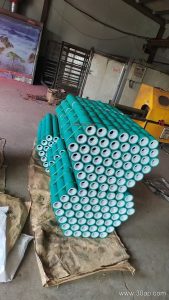
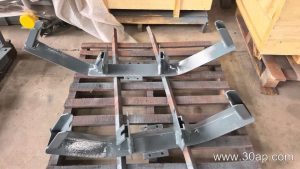
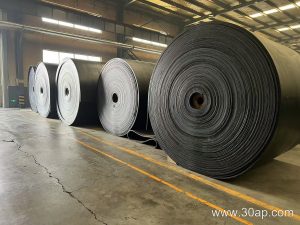
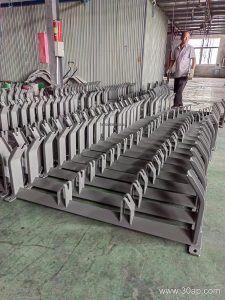
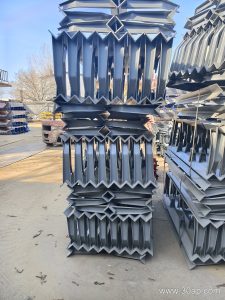
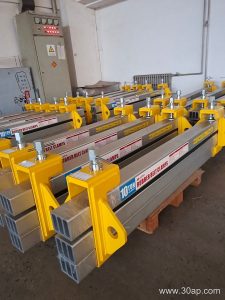
The pulley works together with the rest of the belt line. The conveyor belt must track centrally, the idler roller set must support the trough, and the conveyor bracket must hold the bearing housings square to the frame. A misaligned bracket or a worn idler roller can load the pulley edge and shorten bearing life even when the welded body itself is sound.
Buyer Checklist Before Ordering
Ask for the belt width, the required diameter, the shaft size, the lagging type and thickness, and the bearing style. Confirm whether the pulley is a drive, tail, or bend unit, because the load case changes with position. Check that the face width suits the belt and that the lagging is suitable for the material, whether that is abrasive ore, hot clinker, or oily scrap. A welded pulley for a coal mining conveyor may need a flame retardant belt nearby, while a cement plant may pair it with a heat resistant conveyor belt on a hot clinker line.
Finally, request the balance grade and runout tolerance, and confirm the weld inspection method used by the fabricator. For a conveyor pulley that will run for years in a dusty plant, those details matter as much as the headline dimensions. Matching the pulley to the belt, the idler roller, and the conveyor bracket at the design stage avoids field rework later.