What a 1200mm Conveyor Belt Is
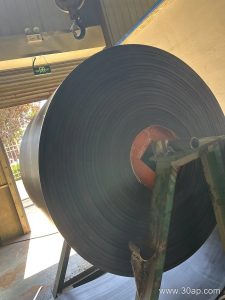
A 1200mm conveyor belt is a belt with a nominal width of 1200 millimeters, often written as B1200 or described as a 1200mm wide conveyor belt. It sits in the mid-to-large range of belt widths, wider than 1000mm belts but narrower than 1400mm and 1600mm units. Because of that width, it can carry substantial tonnage without forcing the conveyor frame to become exceptionally wide, which makes it a practical choice for main haulage lines in mines, cement plants, power stations, and large aggregate operations.
The width is only one part of the specification. A complete description usually includes the carcass type, strength rating, cover rubber thickness, and any special surface or edge features. Buyers comparing quotations should make sure all of these are stated, since a 1200mm belt from one supplier may be built quite differently from another.
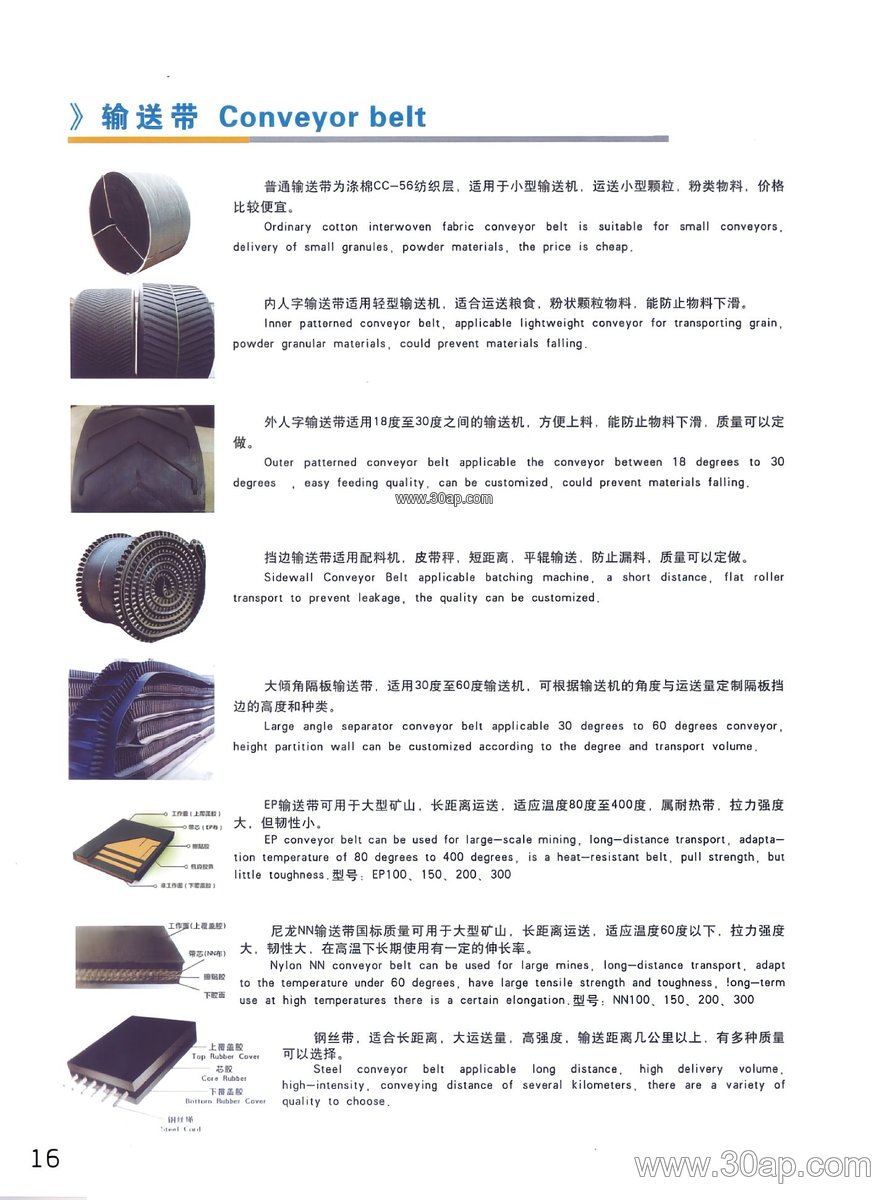
Construction and Carcass Options
The carcass carries the tension. Common constructions for a belt of this width include multi-ply fabric cores and steel cord designs.
- EP conveyor belt — polyester/nylon fabric plies, widely used for general bulk conveying and available in grades such as EP200, EP400, EP630, EP1000, and EP1250.
- NN conveyor belt — nylon/nylon fabric core, known for good flexibility and impact absorption.
- Steel cord conveyor belt — used where long center distances and high tension demand a single-layer steel carcass, for example ST1250 or ST2000.
Cover rubber is usually specified as top and bottom thickness, such as 5+2 mm or 6+2 mm for abrasive bulk materials. The right cover grade depends on the cargo: an abrasion resistant conveyor belt for crushed stone, a heat resistant conveyor belt near clinker or sinter, a flame retardant conveyor belt in coal mining, and an oil resistant conveyor belt where lubricants or oily feedstock are present.
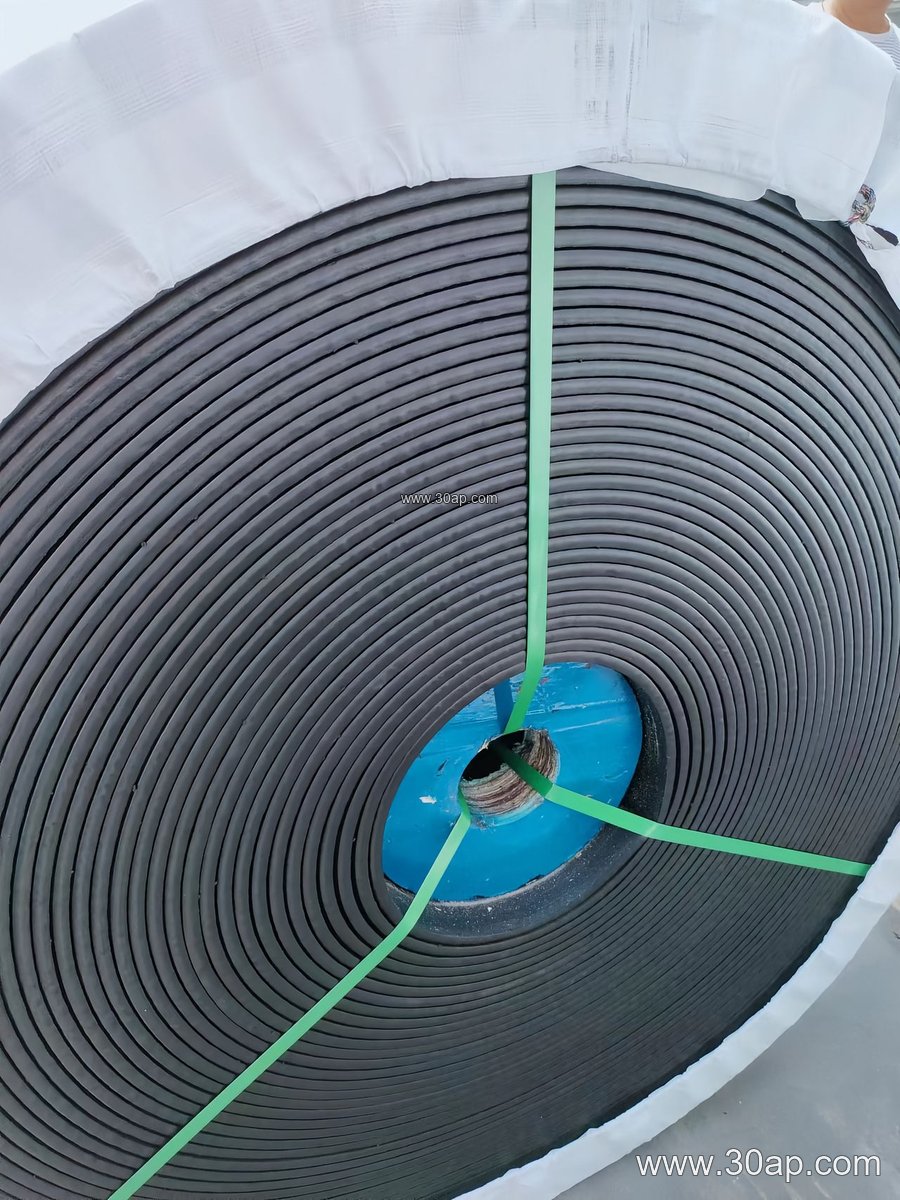
Typical Specifications at a Glance
The table below shows reference values that appear in common product literature. They are starting points for discussion, not fixed supply commitments.
| Parameter | Common Reference Values |
|---|---|
| Belt width | B1200 (1200mm wide conveyor belt) |
| Carcass type | EP fabric, NN fabric, steel cord |
| Strength grades | EP200, EP400, EP630, EP1000, EP1250; ST1250, ST2000 |
| Number of fabric plies | Typically 2 to 6, depending on grade |
| Cover thickness | 4+2, 5+2, 6+2, 8+3 mm |
| Special forms | Chevron, corrugated sidewall, pipe conveyor belt |
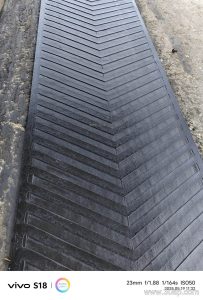
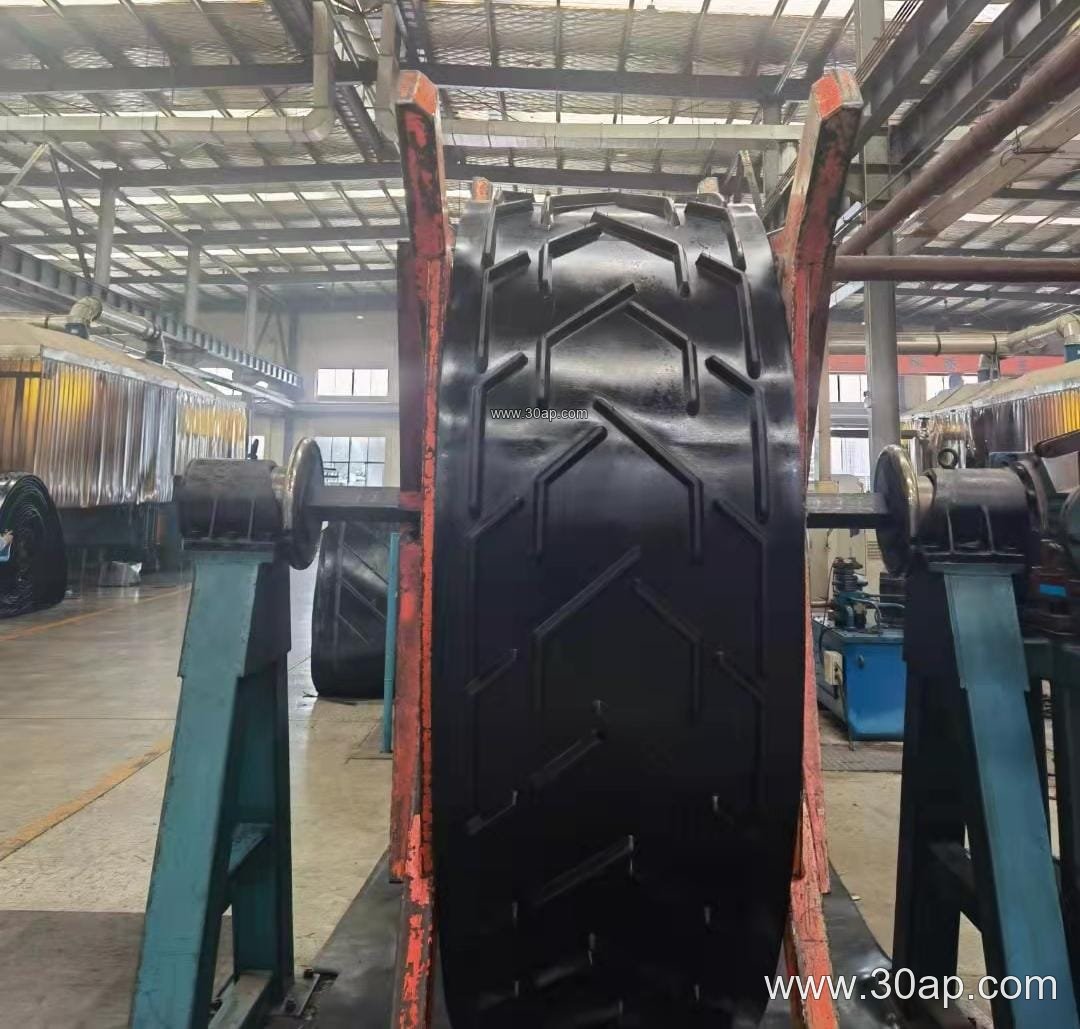
Special constructions are available when the route demands them. A chevron conveyor belt helps on inclines, while a corrugated sidewall conveyor belt contains material on steep or vertical sections. These are alternatives for specific duties, not substitutes for a standard flat belt on a horizontal run.
Where the Width Fits in the Plant
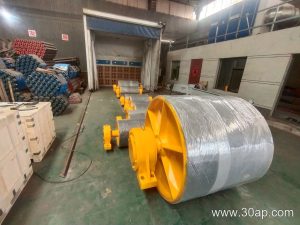
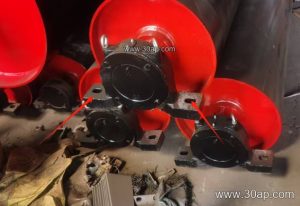
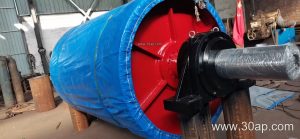
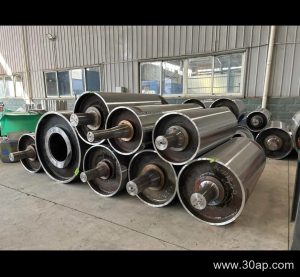
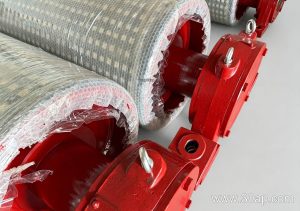
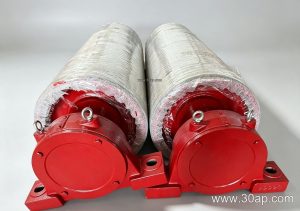
In a crushing circuit, a 1200mm belt often serves as the primary discharge belt or the main stockpile feed. In coal mining and underground mining, flame retardant and anti-static grades are typical, and the belt runs over troughing idler rollers supported by conveyor brackets and steel conveyor pulleys at the head and tail. Cement plants use heat resistant and abrasion resistant compounds for clinker and raw meal lines. Power plants, port terminals, and ship loading systems also rely on this width for steady bulk material flow.
Because the belt is relatively wide, alignment matters. Training idlers, proper pulley crowning, and correct loading chute design all help prevent edge damage. A 1200mm belt that mistracks can lose its edge quickly, and edge damage is expensive to repair.
Buyer Checklist
- Confirm the duty: tonnage per hour, material size, lump weight, and whether the cargo is abrasive, hot, oily, or wet.
- State the carcass and grade clearly, for example EP1000 with 6+2 mm covers, rather than just the width.
- Check pulley and idler compatibility with the actual belt thickness and tension, not with width alone.
- Decide whether an endless conveyor belt is needed for a permanent splice or whether mechanical fastening is acceptable.
- For cold climates, consider a cold resistant conveyor belt; for food contact, specify a food grade conveyor belt.
- Ask for the manufacturer’s own data sheet, since cover grades and ply counts vary between suppliers.
For more technical notes on belt widths, pulley selection, and roller matching, visit conveyorbeltingpro.com and review the relevant product pages before finalizing a specification.