What the Ø133 Return Idler Does on a Conveyor
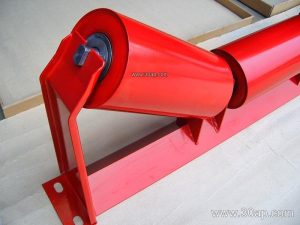
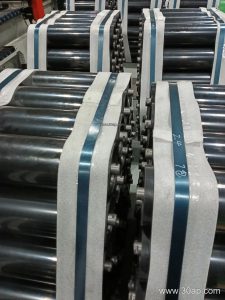
The Ø133 Return Idler is a 133 mm diameter return roller that supports the empty, carrying-side-down run of a conveyor belt. On a typical bulk handling conveyor, the belt travels loaded on the top strand and comes back underneath. The return idler carries that lower strand, keeps it from sagging, and helps hold belt tracking steady. In plants handling abrasive or dusty material, the return roller often works in the dirtiest part of the machine, so its sealing and shell wear matter as much as its diameter.
The same product is also described as a 133 mm return idler roller or an Ø133 flat return idler. All of these refer to the same item; none of them is a drive pulley, tail pulley or bend pulley, which are different components with different jobs.
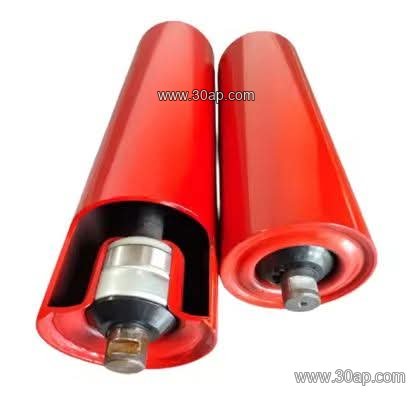
How a 133 mm Return Roller Is Built
Most units combine a steel tube shell, a shaft, two bearing housings and a sealing system. Common constructions include:
- Shell: welded steel tube, often with a machined end for fitting the bearing housing.
- Shaft: through shaft or stub shaft, sized by the frame and load rather than by belt width alone.
- Bearings: deep groove ball bearings such as 6205, 6305, 6306 or 6308, selected by load and speed.
- Seals: labyrinth or contact seals, sometimes with additional dust protection for quarry and cement service.
Surface options vary. Plain steel is common for general duty. A rubber-disc return roller can reduce material build-up and noise, while ceramic or nylon covers appear in special cases. The Ø133 size sits in the middle range, so it can serve medium and wider belts where a smaller roller would spin too fast or deflect too much.
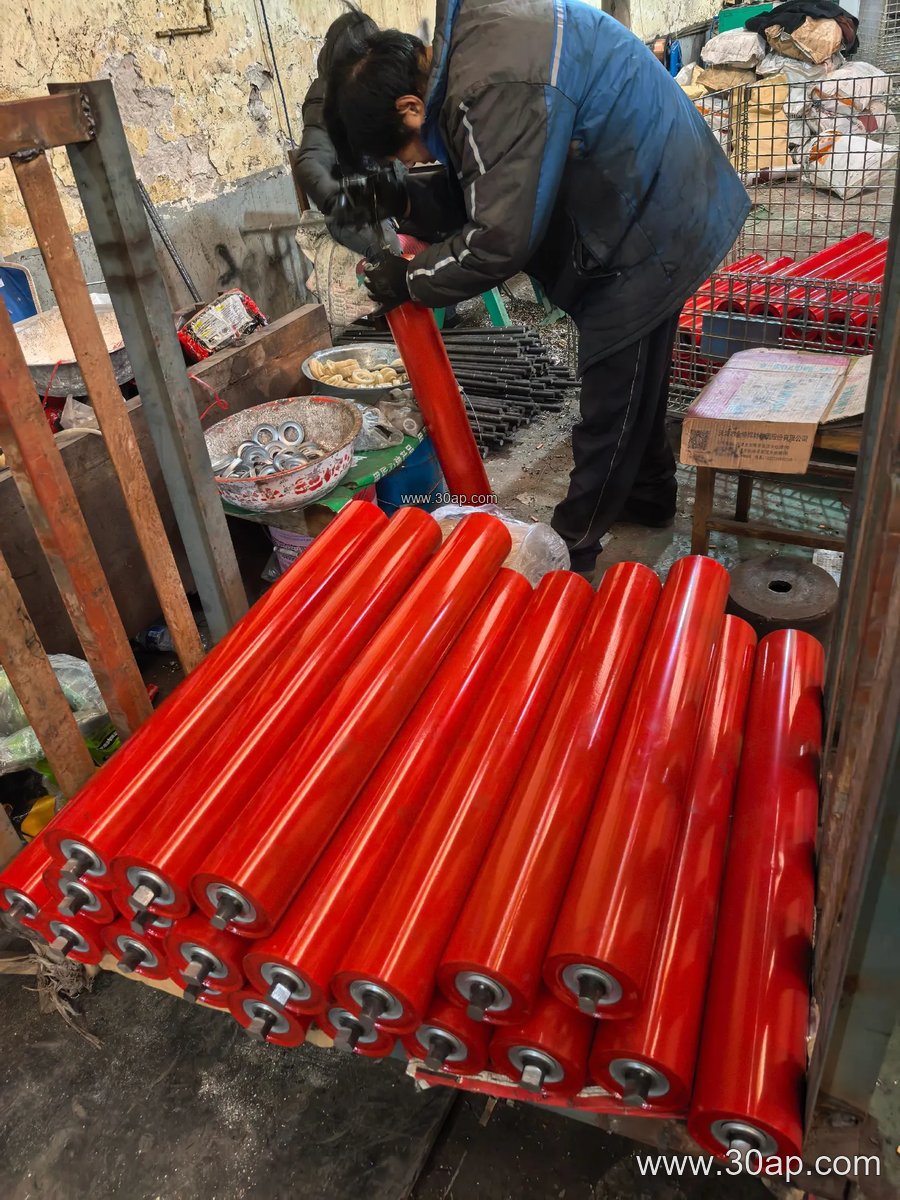
Typical Service Conditions
Return idlers are found wherever a conveyor belt runs a long return path. The Ø133 Return Idler fits naturally into limestone quarries, sand and aggregate lines, coal washing plants, cement plants and power station coal handling. It is equally at home in a crusher discharge conveyor or a port conveyor handling bulk material. In these settings the lower strand is exposed to fines, spillage and moisture, so a well-sealed 133 mm return roller usually lasts longer than an open, lightly sealed unit.
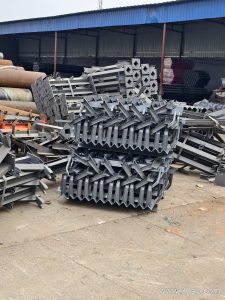
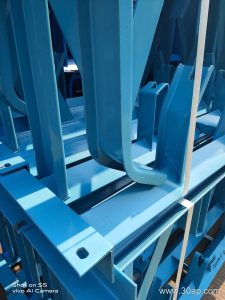
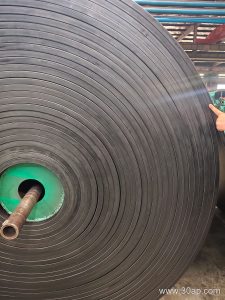
In dusty service, a sealed return roller works alongside other conveyor components such as the conveyor bracket, the conveyor pulley at the head end, and the belt itself. A heavy-duty mining conveyor belt or a steel cord conveyor belt may demand a robust return roller simply because the belt is stiff and the load is high.
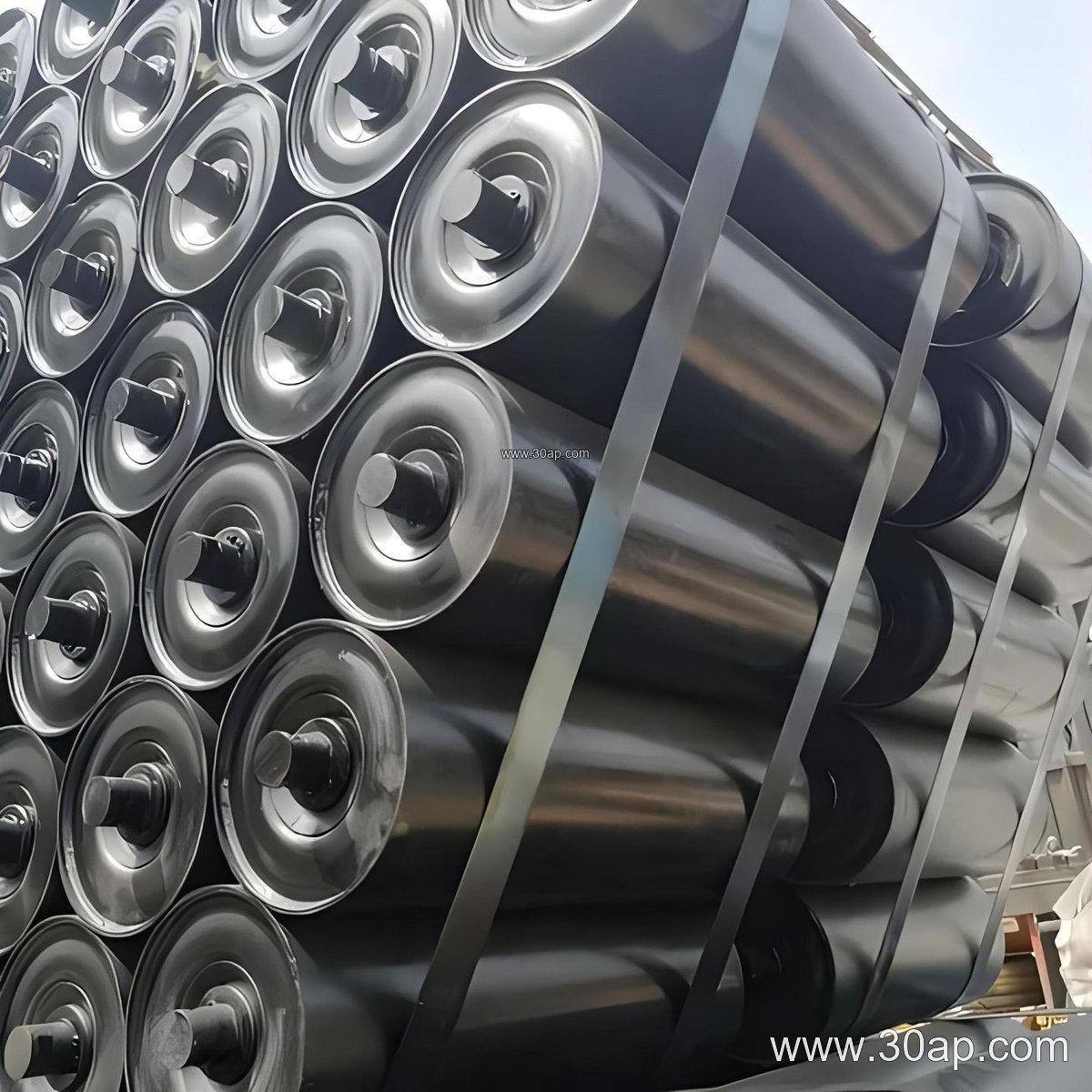
Common Dimensions and Matching Components
Reference data below shows typical sizes for return idlers in this diameter class. Actual roller length and shaft size are determined by belt width, frame design and load, not by a single fixed rule.
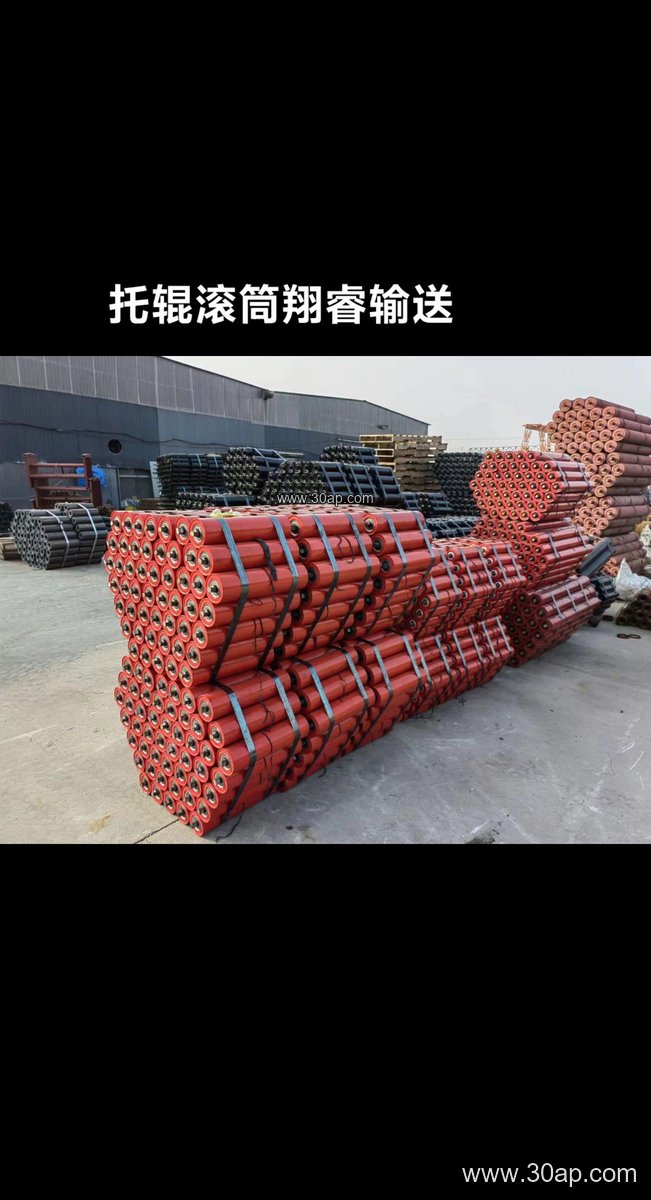
| Item | Common reference values |
|---|---|
| Roller diameter | Ø133 mm |
| Belt width range | B800, B1000, B1200, B1400, B1600 |
| Roller length | Approx. 315 mm to 600 mm depending on belt width and frame |
| Bearing options | 6205, 6305, 6306, 6308 |
| Shell material | Steel tube, optional rubber disc or nylon cover |
| Sealing | Labyrinth or contact seal, dust-protected versions available |
When specifying, confirm the shaft end type, the mounting gap, the roller length and the bearing size with the conveyor frame drawing. A 133 mm return idler on a 1000 mm belt is not automatically the same as one on a 1400 mm belt, because the frame and the roller length change.
Buying Notes for the Ø133 Return Idler
Buyers should check four things before ordering. First, the actual belt width and frame spacing, so the roller length is correct. Second, the shaft and bearing arrangement, since a stub shaft and a through shaft are not interchangeable. Third, the sealing level for the site: a wash-down plant and a dry cement plant have different dust loads. Fourth, the shell surface, because a rubber-disc return roller may suit a sticky material while a plain steel roller suits clean, dry service.
It also helps to think about the whole conveyor, not only the return roller. If the belt is an abrasion resistant conveyor belt or a heat resistant conveyor belt, the return side may see different temperatures and wear than the carrying side. Matching the idler to the belt and the environment avoids premature seizure and belt edge damage. For a reliable spare parts plan, keep a small stock of Ø133 return idlers with the bearings and seals used on site.
Maintenance and Replacement
Inspect return idlers for seized bearings, shell wear, material wrap and misalignment. A return roller that stops turning can flat-spot the belt and increase drive load. Replace a damaged Ø133 Return Idler with the same diameter, length and shaft type, and check that the new roller turns freely before installation. Regular cleaning around the return strand, especially in quarry and coal handling service, extends roller life and protects the conveyor belt.