What a 600mm Conveyor Belt Is
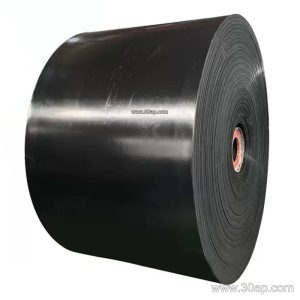
A 600mm conveyor belt is a belt with a nominal width of 600 millimeters, a common mid-range size for troughed conveyors that move bulk materials at moderate tonnage. It sits between narrower 500mm belts used on small transfer lines and wider 650mm, 800mm, or 1000mm belts chosen for higher capacities. Because the width is fixed but the construction is not, buyers should think of 600mm as a dimensional starting point rather than a single product. The same width can be supplied as an EP conveyor belt, an NN conveyor belt, a multi-ply fabric core belt, or a steel cord belt when tension and impact demand it.
The belt is normally described by width, carcass type, strength grade, and cover thickness. For example, an EP200 or EP315 fabric belt with 4+2 mm covers is a typical general-purpose build for a 600mm conveyor in a quarry or cement plant, while heavier grades are used where lump size and abrasion are severe.
Construction and Common Specifications
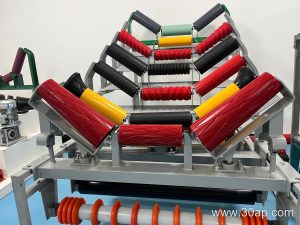
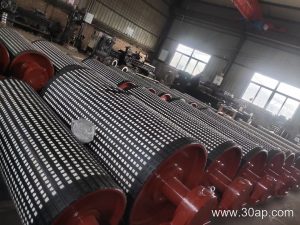
A fabric-core 600mm belt usually contains two to four plies of EP or nylon fabric, protected by top and bottom rubber covers. The carcass carries tension, the covers protect against wear and moisture, and the edges are cut or molded to run cleanly over the conveyor pulley and idler roller set. Steel cord construction is available in the same width for long, high-tension runs, though it is less common at this size than in wider belts.
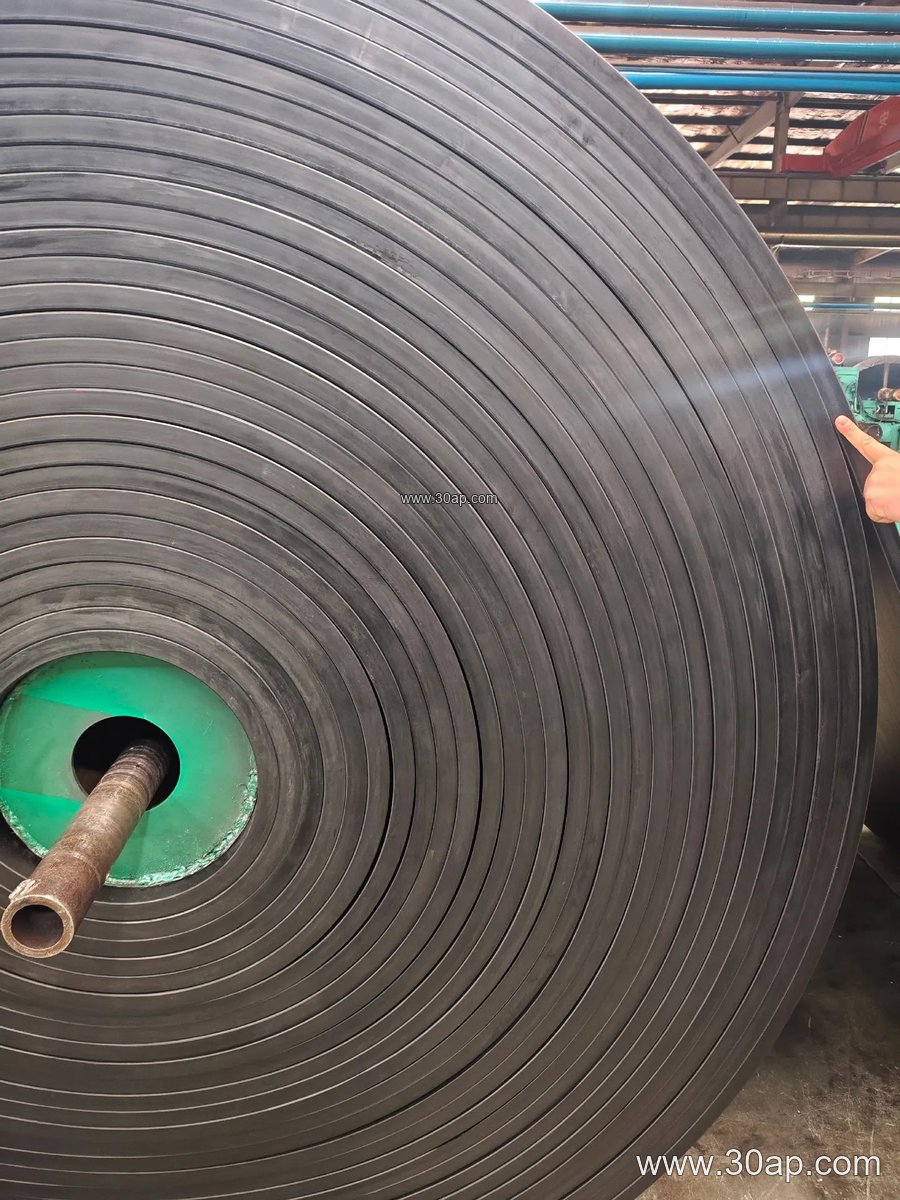
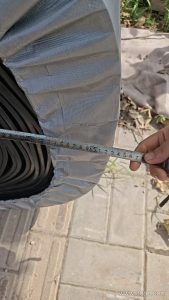
Cover thickness and compound choice matter more than width alone. Common cover combinations include 3+1.5 mm for light service, 4+2 mm for general bulk handling, and 5+2 or 6+2 mm where impact and abrasion are high. A buyer should confirm the actual grade and cover thickness rather than assuming the width implies a particular build.
| Parameter | Typical Range or Example |
|---|---|
| Belt width | 600 mm (B600) |
| Carcass type | EP fabric, NN fabric, multi-ply fabric core, steel cord |
| Strength grade | EP200, EP315, EP400, EP500, EP630 (fabric); ST grades for steel cord |
| Number of plies | 2 to 4 plies common; more plies for heavy duty |
| Top/bottom cover | 3+1.5, 4+2, 5+2, 6+2 mm |
| Surface form | Smooth, chevron, skirted, corrugated sidewall |
Special compounds are selected by environment: abrasion resistant conveyor belt for crushed stone, heat resistant conveyor belt near clinker or sinter, oil resistant conveyor belt for recycled material, flame retardant conveyor belt and anti-static belt for coal handling, and cold resistant belt for outdoor winter operation.
Where the 600mm Width Fits
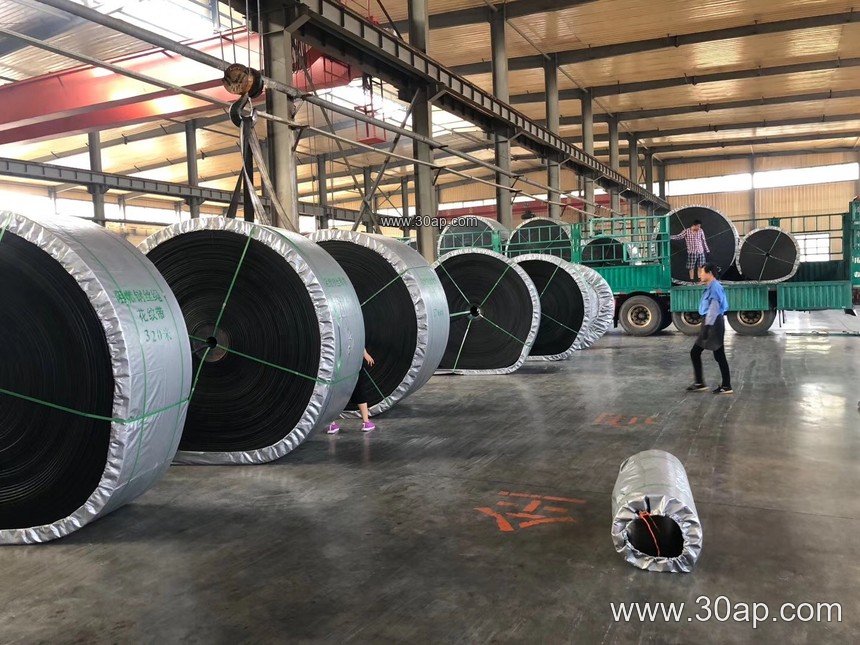
This width appears in many industries. In sand and gravel plants it feeds screens and crushers; in cement plants it moves clinker, limestone, and additives; in power plants it handles coal and ash; and in mining it serves as a gathering or transfer belt. A 600mm conveyor belt is also common on port and ship loading lines where space is limited, and in recycling and construction waste sorting where moderate capacity is enough.
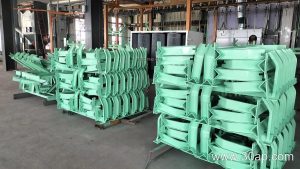
Because the belt is relatively narrow, alignment is sensitive to loading. Material should be centered, and the conveyor pulley, idler roller, and conveyor bracket should be checked for squareness. A skewed frame or worn idler can pull a 600mm belt off track faster than a wider belt, so maintenance attention pays off.
Selection and Maintenance Notes
- Match belt strength to the actual tension, not to width alone; a 600mm belt can be built to several EP or NN grades.
- Choose cover thickness and compound for the material: sharp rock needs abrasion resistance, hot material needs heat resistance, and underground coal service needs flame retardant and anti-static properties.
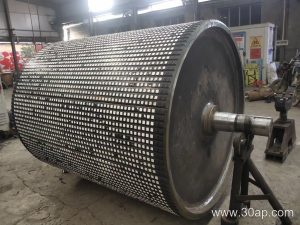
- Confirm the pulley diameter and shaft size from the conveyor design; belt width does not determine shaft diameter.
- For inclined sections, a chevron or corrugated sidewall belt may be considered, but keep the flat 600mm belt as the reference product when comparing.
- Check belt edge condition, splice quality, and idler rotation during routine inspections.
For buyers sourcing a 600mm conveyor belt, the practical checklist is width, carcass, strength grade, cover thickness, compound, and splice method. A clear specification in these terms helps suppliers quote the right belt for a quarry, coal mine, cement line, or power plant conveyor.