What a Belt Conveyor Idler Frame Does
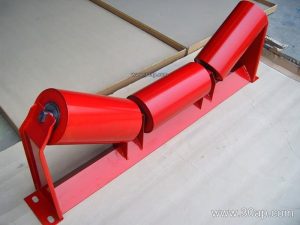
A belt conveyor idler frame is the structural part that holds idler rollers at the right position under the conveyor belt. Commonly called a conveyor idler bracket or roller support frame, it keeps the trough shape, carries the load, and sets the spacing between rollers along the line. In a quarry, cement plant, or power plant coal yard, these frames are the quiet workhorses that decide how smoothly a loaded belt runs.
The frame itself does not move material. It supports the idler roller, which in turn supports the conveyor belt. When the frame is square, level, and correctly angled, the belt tracks well and the rollers wear evenly. When it is not, the belt may drift, spill material, or wear its edges quickly.
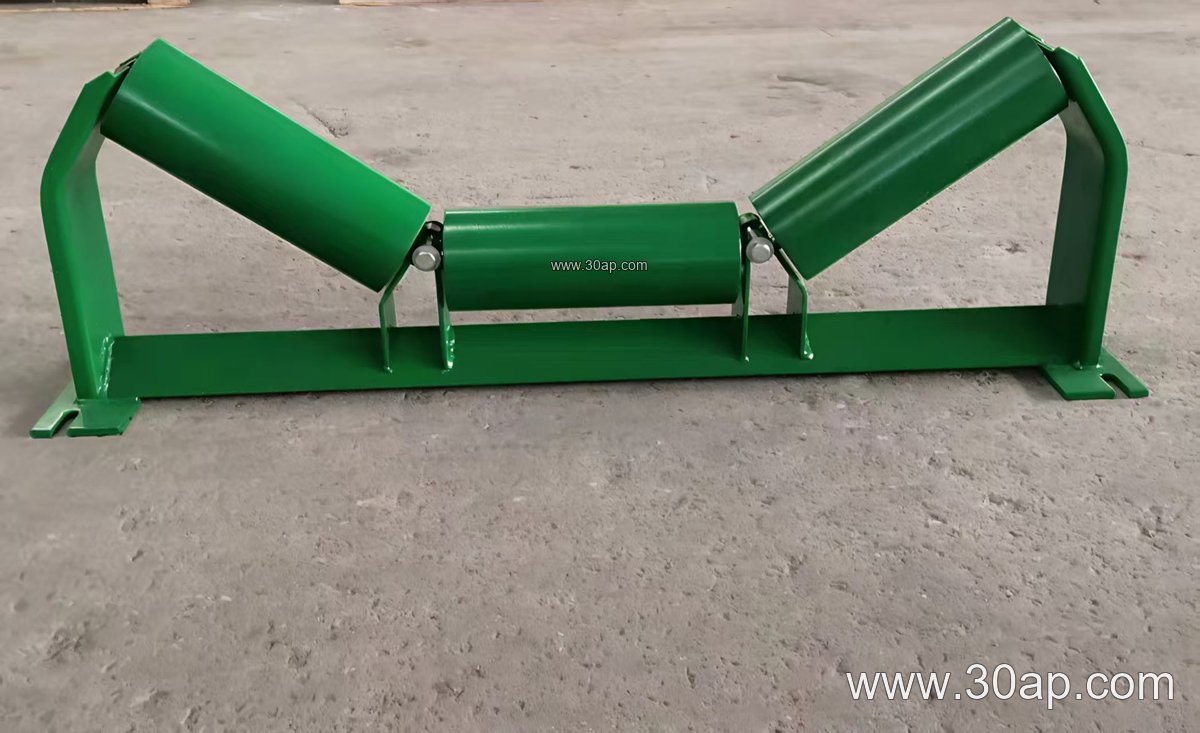
How the Frame Is Built
Most frames are fabricated from angle steel, channel steel, or folded steel plate. A troughing frame usually has a base beam and two angled wings that hold the side rollers at the chosen trough angle. A return frame is flatter and supports the belt on its way back. Holes and slots are positioned to match the idler shaft and the conveyor stringer.
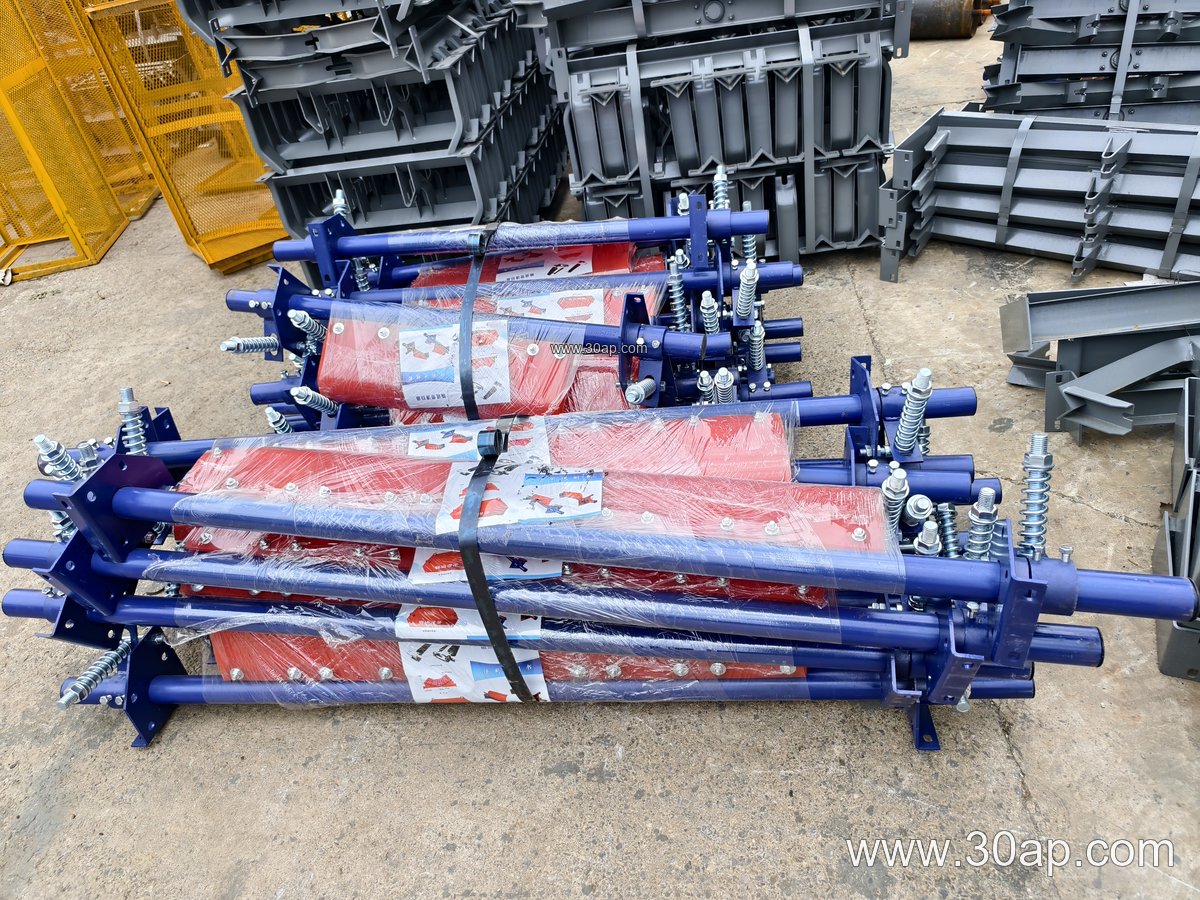
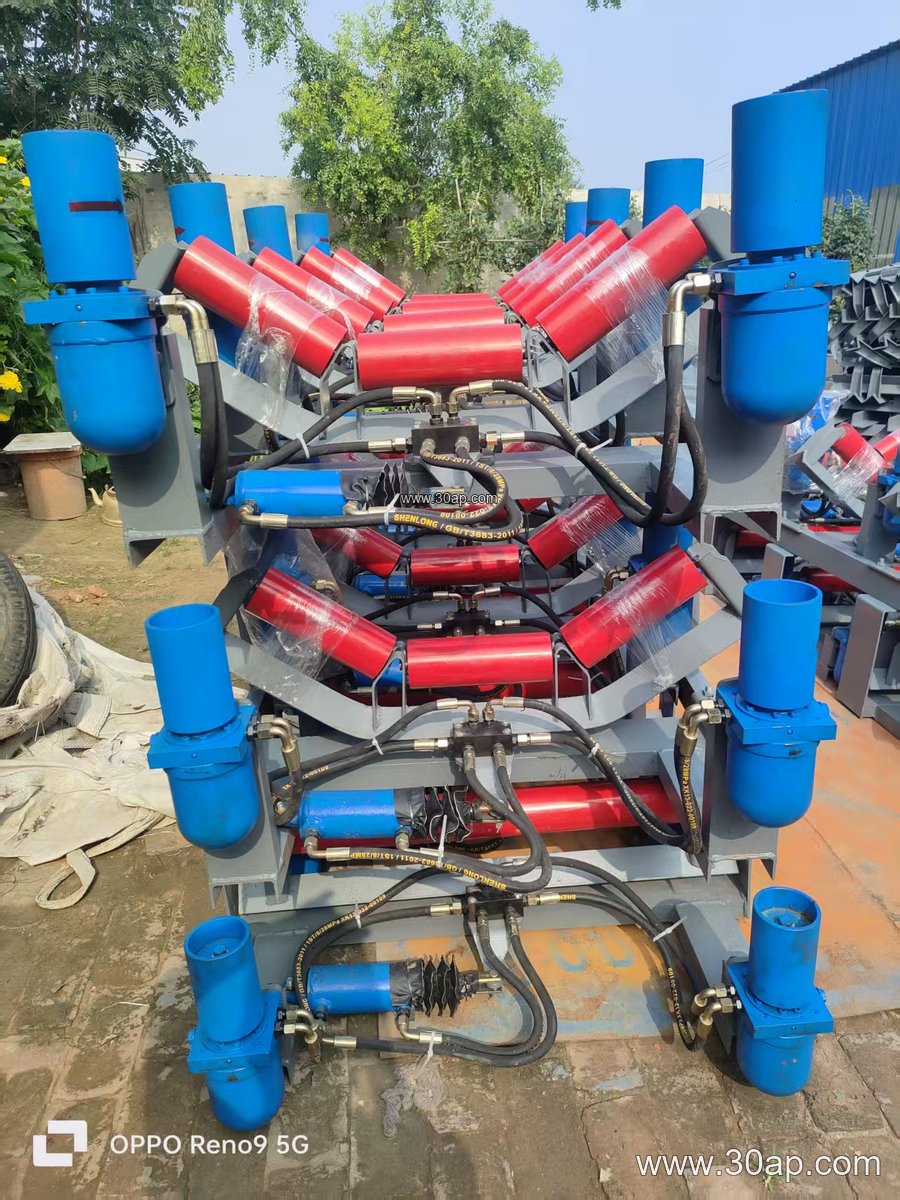
Common types include troughing frames, upper trough frames, transition frames, return frames, flat return frames, V-return frames, impact frames, self-aligning frames, forward-tilted frames, spiral roller frames, hanging frames, and adjustable frames. Each has a specific job. A transition frame, for example, gently changes belt shape near a conveyor pulley, while an impact frame sits under a loading point to absorb falling material.
Where It Is Used
These frames appear wherever bulk material moves on a belt: a limestone mine feeding a crusher, a sand and gravel line, a cement plant clinker line, or a steel plant sintering area. In a coal washing plant, flame retardant conveyor belt and self-aligning frames often work together to keep the belt centered. In a port or ship loading system, wide belts may use heavy frames with close roller spacing.
The frame must match the belt width, the load, and the environment. A dusty or wet site may call for galvanized or painted frames, while a high-impact transfer point may need a reinforced impact frame with cushion rollers.
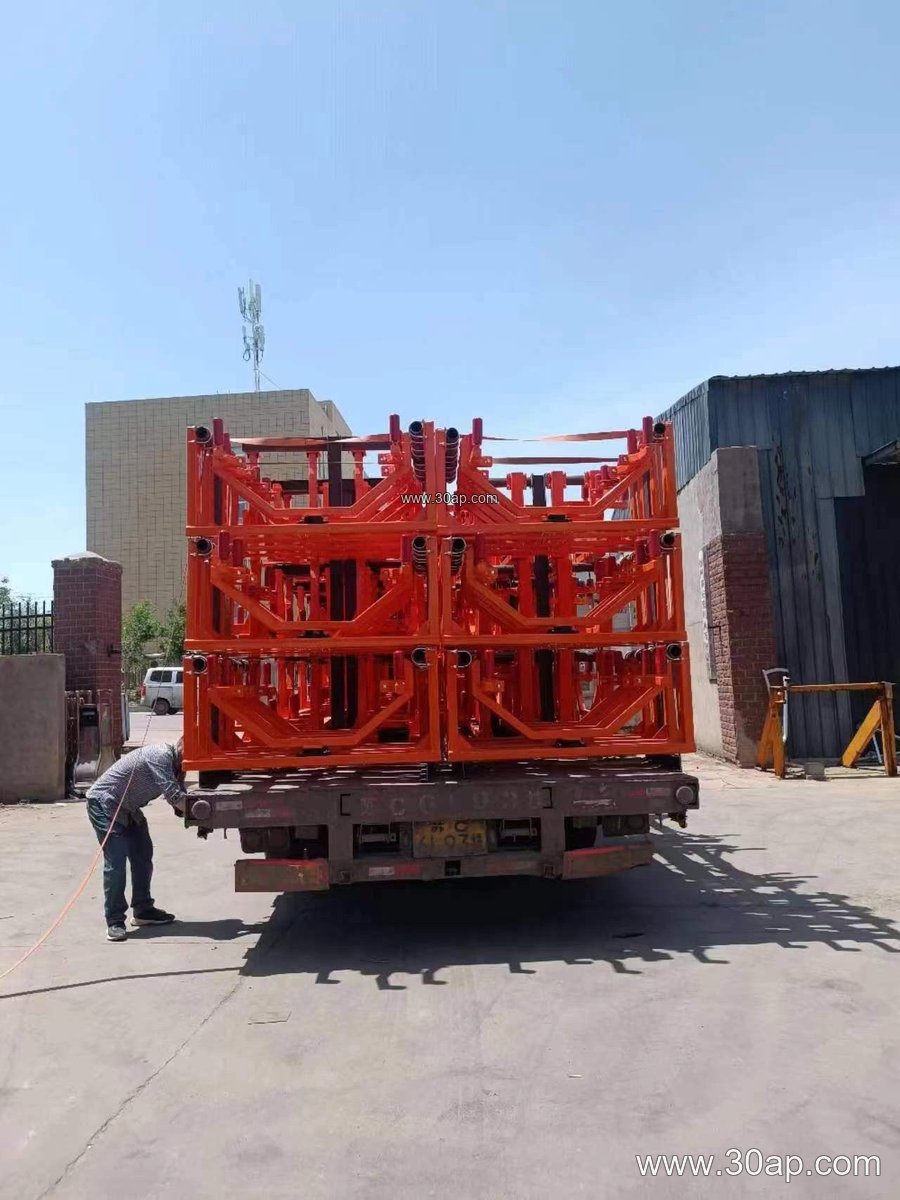
Matching Frame, Belt, and Roller
Buyers should treat frame size, trough angle, and roller diameter as a set, not as separate items. The table below shows typical reference combinations; actual values should be confirmed by design.
| Belt width | Common trough angle | Typical roller diameter | Frame note |
|---|---|---|---|
| B500 | 20 to 35 degrees | Ø89 | Light to medium duty |
| B650 | 30 degrees | Ø89 or Ø108 | Adjustable option common |
| B800 | 35 degrees | Ø108 | Standard troughing frame |
| B1000 | 35 to 45 degrees | Ø108 or Ø133 | Reinforced base beam |
| B1200 | 35 to 45 degrees | Ø133 | Wide stringer spacing |
| B1400 | 35 to 45 degrees | Ø133 or Ø159 | Heavy-duty fabrication |
| B1600 | 35 to 45 degrees | Ø159 | Mining and port use |
| B1800 to B2000 | 35 to 45 degrees | Ø159 or Ø194 | High load, close spacing |
No single belt width locks in one trough angle or one roller diameter. A B800 line may run at 30 degrees in one plant and 45 degrees in another, depending on capacity and material behavior. The installation hole pitch and crossbeam length change with belt width and trough angle, so they should be treated as design data, not fixed numbers.
Adjustable Versus Fixed Frames
An adjustable idler frame lets maintenance staff change the trough angle between common settings such as 20, 30, 35, and 45 degrees. This is useful when a line handles different materials or when a belt needs fine tuning. A fixed frame is simpler and stiffer, and it is often chosen where the duty is stable. Forward-tilted frames, usually around 1.5 to 2 degrees, help center the belt but add a small drag.
Buyer Checklist
- Confirm belt width, trough angle, and roller diameter together with the conveyor designer.
- Check that the frame material suits the site: dusty, wet, or high-impact.
- Ask for the hole pitch and crossbeam length that match your stringer and roller shaft.
- Decide between fixed and adjustable frames based on maintenance needs.
- Keep spare frames on hand for transition and impact points, where wear is fastest.
Used with the right conveyor belt, idler roller, and conveyor pulley, a well-chosen belt conveyor idler frame keeps troughing support steady and belt tracking predictable.