What the EP800 Designation Means
An EP800 conveyor belt sits in the upper-middle range of polyester-cotton (EP) fabric core belts, with a nominal tensile strength of 800 N/mm per ply. That rating places it well above general-purpose EP200 or EP400 grades, yet below the very heavy EP1250 and EP1600 constructions used on long overland lines. In practice, an EP800 belt is often chosen where a single conveyor must handle high tonnage without the stiffness and splice complexity of a steel cord belt.
The carcass is the defining feature. Multiple plies of EP fabric are bonded under heat and pressure, then covered with rubber on both faces. The polyester warp provides low stretch and good dimensional stability, while the nylon weft adds flexibility and resistance to impact and tearing. This combination is why the product is common in mines, cement plants, power stations, ports and aggregate operations.
Construction and Typical Specifications
An EP800 belt is normally built with 3 to 5 plies, depending on the required safety factor and the duty of the conveyor. Cover rubber grades are selected to match the material: abrasion resistant compounds for crushed rock, heat resistant grades for clinker, flame retardant versions for coal handling, and oil resistant covers for recycled or oily feedstock. The table below gives common reference values; actual constructions vary by manufacturer and should be confirmed against the conveyor design.
| Parameter | Common Reference Range |
|---|---|
| Belt type | EP800 / EP fabric core conveyor belt |
| Nominal strength | 800 N/mm per ply |
| Carcass plies | 3 to 5 plies, typically |
| Belt width | B650, B800, B1000, B1200, B1400, B1600 |
| Top / bottom cover | 4+2 mm, 5+2 mm, 6+2 mm, 8+3 mm |
| Cover options | Abrasion resistant, heat resistant, flame retardant, oil resistant, anti-static |
Width and cover thickness are not fixed pairs. A B1000 belt may be supplied with 5+2 mm covers for a quarry duty or 8+3 mm covers on a primary crusher discharge, and the same width can run on different pulley diameters as long as the conveyor design allows.
Where It Fits in the Plant
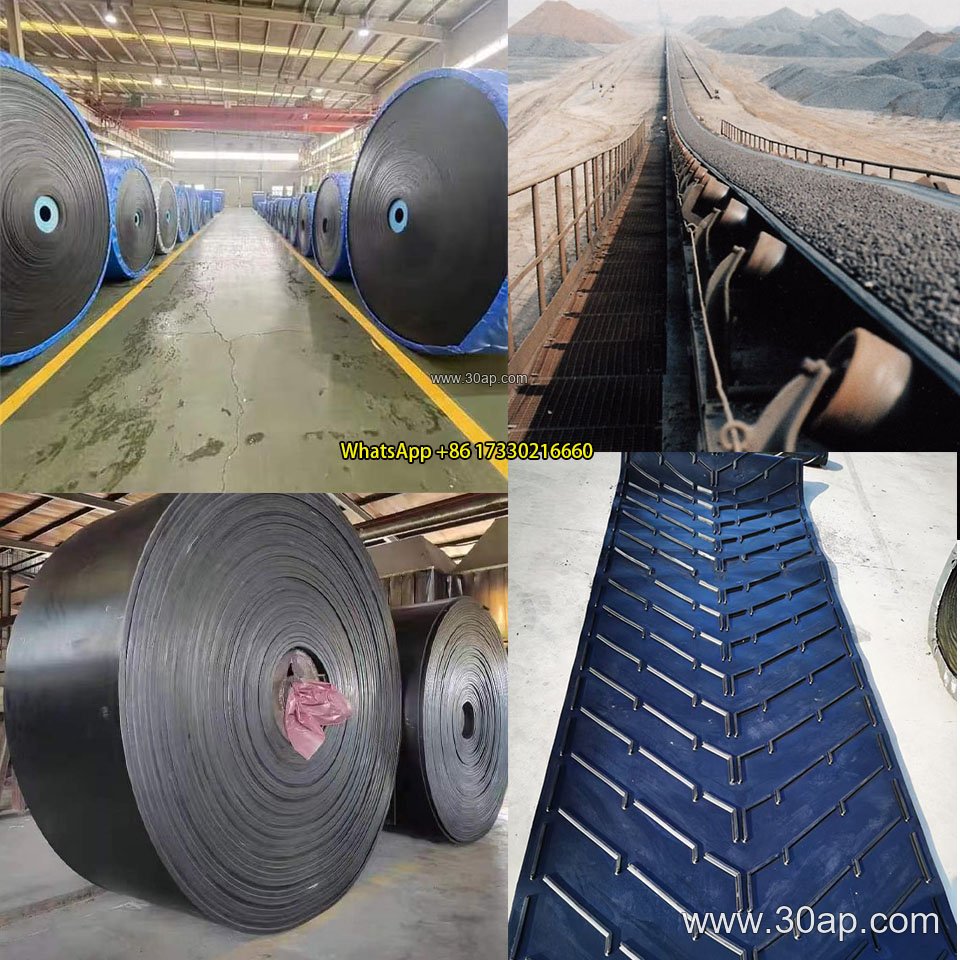
The most frequent applications are primary and secondary haulage in mining and quarrying, raw material transport in cement works, coal handling in power plants, and ship loading at ports. A heavy-duty mining conveyor belt of this grade is often used on inclined sections where a lower-strength fabric belt would need too many plies. In sand and gravel pits, an EP800 belt may feed a crusher or carry screened aggregate to stockpiles.
Because the carcass is flexible, the belt tolerates reasonably tight pulley diameters and can be trained around bend pulleys and transition idlers without the edge stress seen on stiffer constructions. It also splices well with vulcanized joints, which keeps downtime short in continuous operations.
Selection Points for Buyers
- Check the calculated belt tension and apply the required safety factor before fixing the number of plies.
- Match the cover grade to the material: abrasive rock, hot clinker, oily scrap or coal with flame retardant requirements.
- Confirm belt width against the troughing idler set and the conveyor pulley face, not by assumption.
- Consider whether an EP conveyor belt or a steel cord conveyor belt better suits the line length and impact loads.
- Review the splice method, edge condition and any anti-static needs for underground or dusty environments.
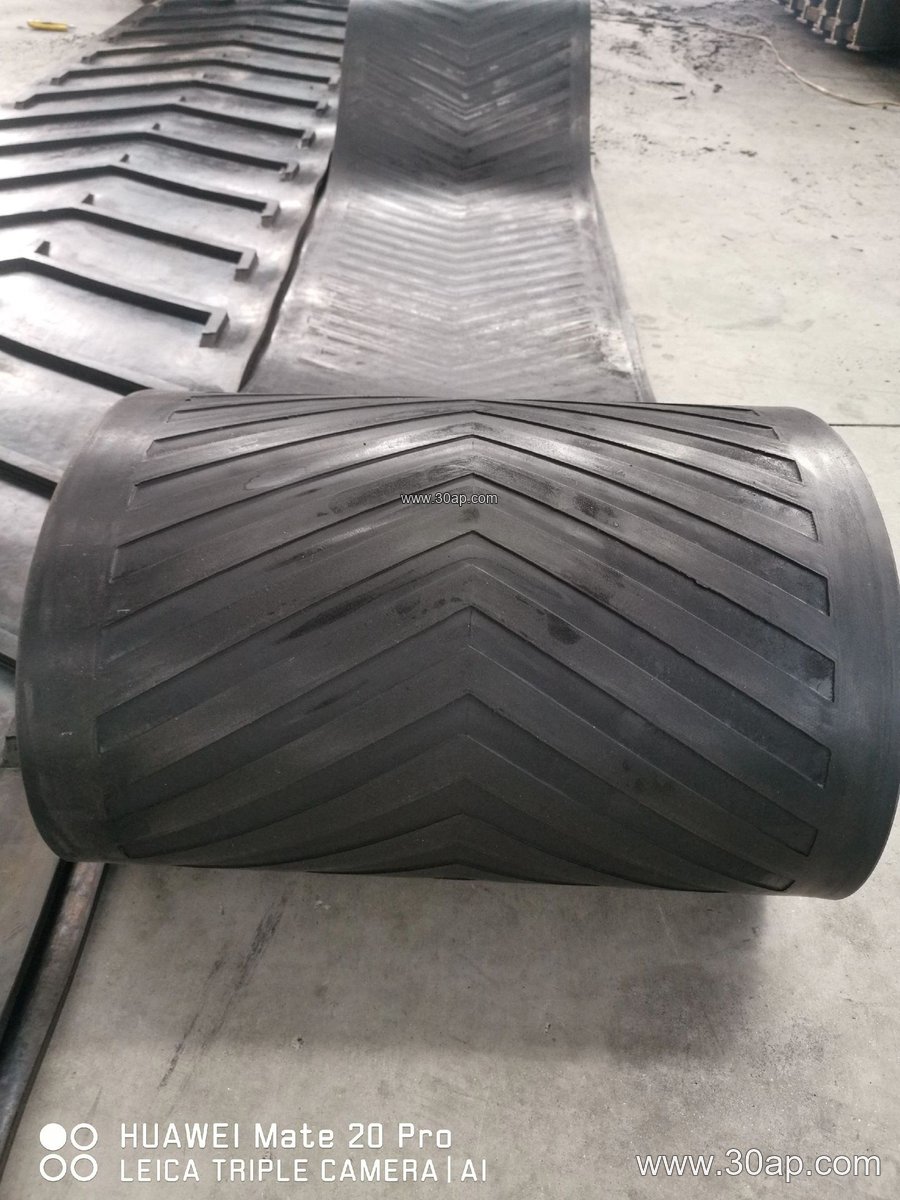
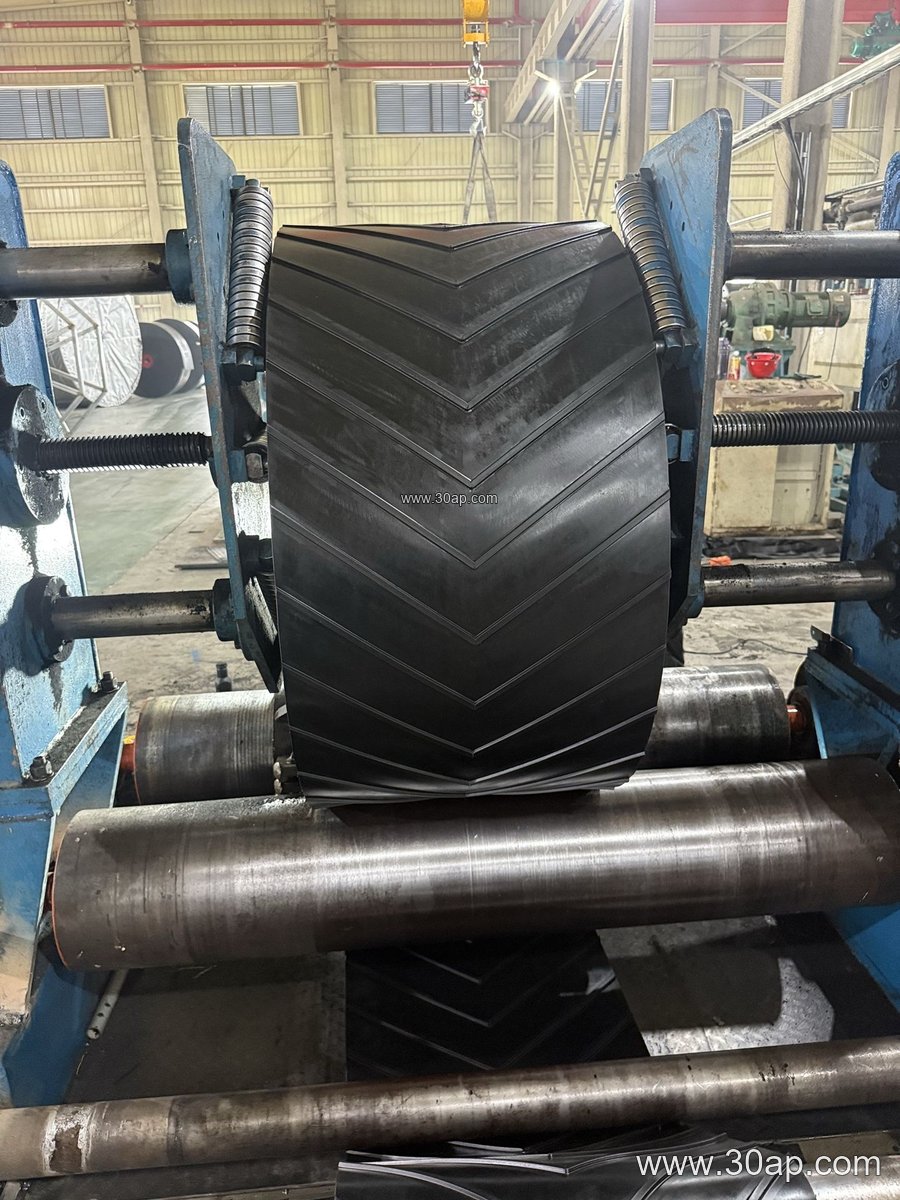
For very long conveyors or extreme impact, a steel cord conveyor belt may be the better answer, while a chevron or corrugated sidewall version can solve steep incline problems that a flat EP800 belt cannot. These are alternatives, not replacements for the standard flat construction.
Installation and Maintenance Notes
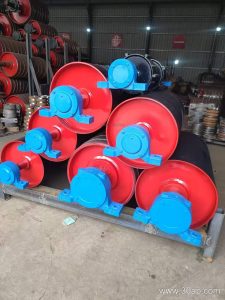
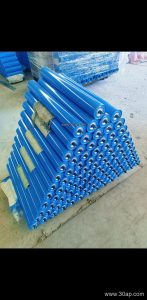
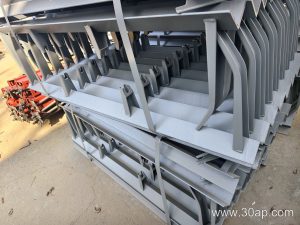
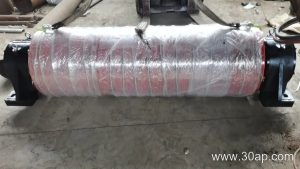
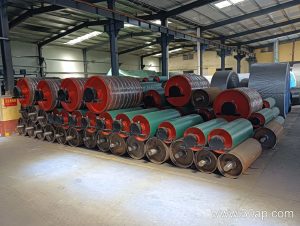
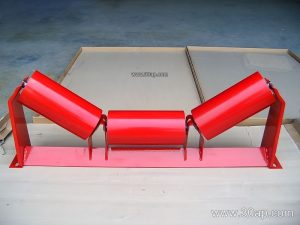
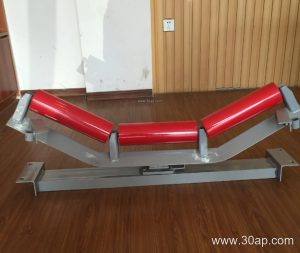
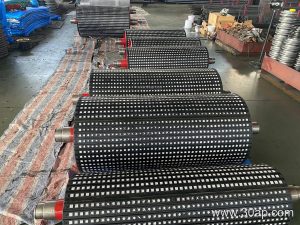
Correct alignment of the conveyor pulley, idler roller and conveyor bracket assemblies protects the belt edges and extends service life. Keep the loading point centered, control material size, and maintain skirt rubber so that fines do not become trapped. Inspect covers for cuts and ply separation, and re-tension or re-splice when tracking problems appear. Storing belts away from ozone, direct sunlight and sharp objects also prevents premature aging before installation.
For buyers comparing suppliers, request the actual carcass construction, cover compound data and splice recommendation rather than relying on the EP800 number alone.