What a Recycling Conveyor Belt Does
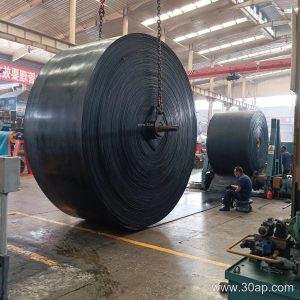
A recycling conveyor belt moves mixed and sorted material through picking lines, shredders, screens, balers and transfer points. The duty is rarely gentle. Cans, glass, plastic film, cardboard, demolition debris and scrap metal all arrive in the same stream, so the belt must tolerate sharp edges, impact, abrasion and occasional oil or chemical contact. That is why recyclers often choose a robust rubber belt rather than a light general-purpose model.
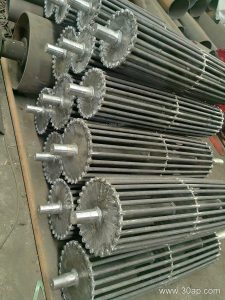
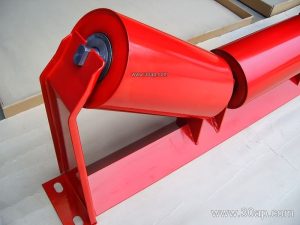
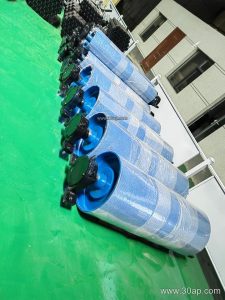
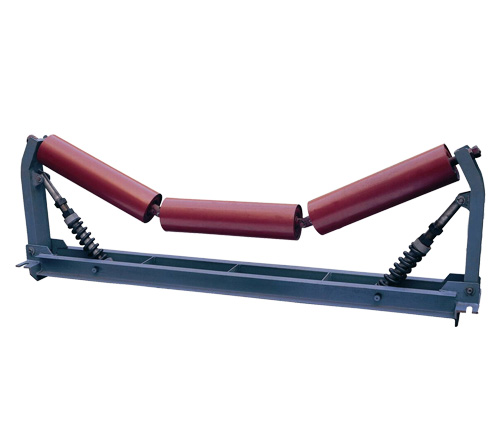
The belt is only one part of the line. A conveyor pulley at the head, tail or bend keeps the belt tracking and transmitting power, while idler rollers support the carrying run. A well-matched conveyor bracket and frame keep everything aligned. When these parts work together, the belt lasts longer and the sorting line stops less often.
Construction and Common Belt Types
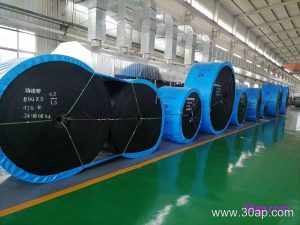
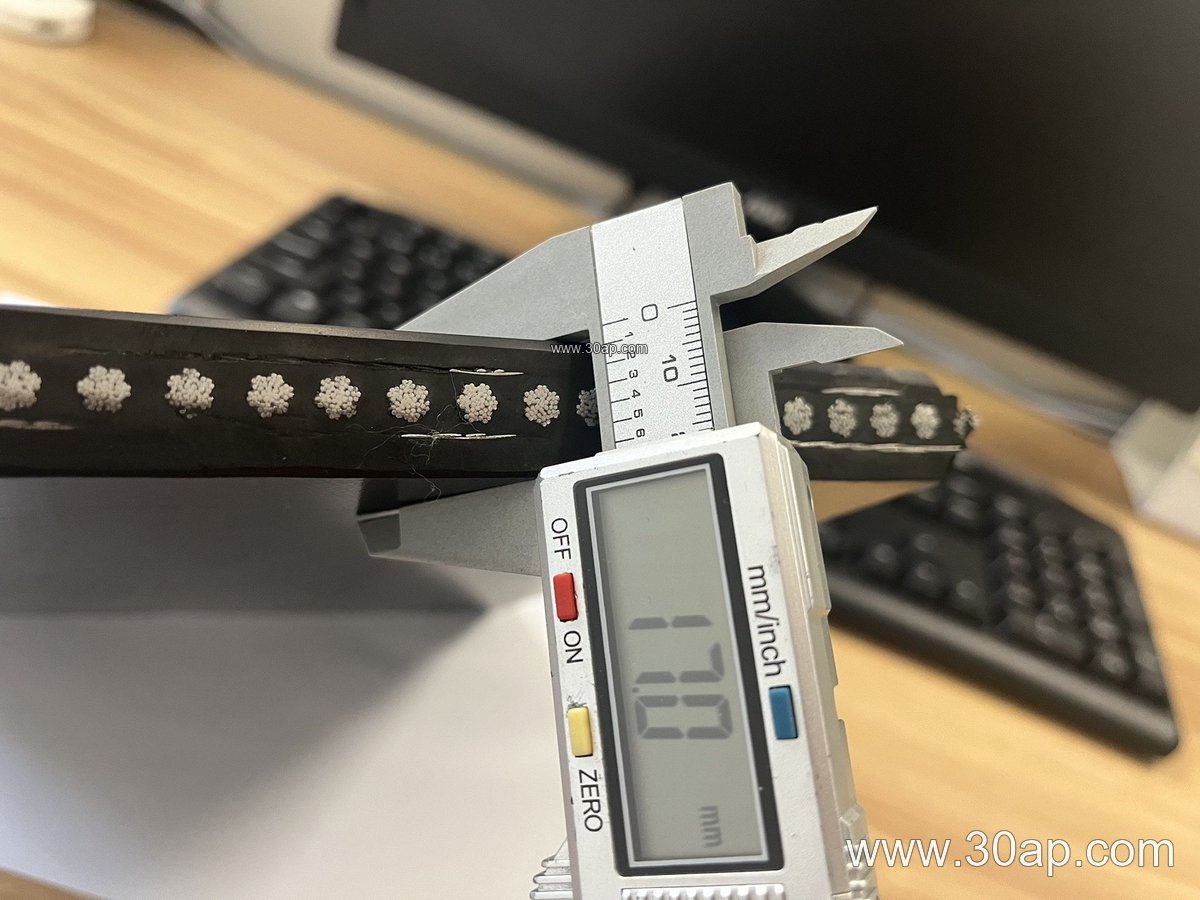
Most recycling belts use a fabric core or steel cord carcass covered with rubber. The carcass carries tension, and the cover protects it from wear. Buyers will see several constructions offered for recycling duty:
- EP conveyor belt with polyester-polyamide fabric, widely used where low stretch and good load support matter.
- NN conveyor belt with nylon fabric, valued for flexibility and impact absorption.
- Multi-ply fabric core belt, common where puncture and tear resistance are priorities.
- Steel cord conveyor belt for long runs and high tension in large plants.
- Abrasion resistant conveyor belt with a tough cover for glass, rubble and scrap.
- Oil resistant or flame retardant belt where the waste stream or site rules require it.
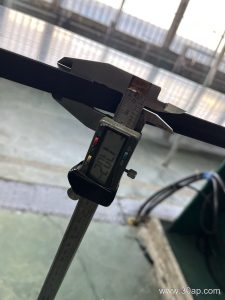
Cover thickness is usually quoted as top plus bottom, for example 4+2 mm or 6+2 mm. The carcass may have two to six plies. These values are common references, not fixed rules; the final specification should follow the conveyor design and the actual material mix.
Surface Forms That Help in Recycling Plants
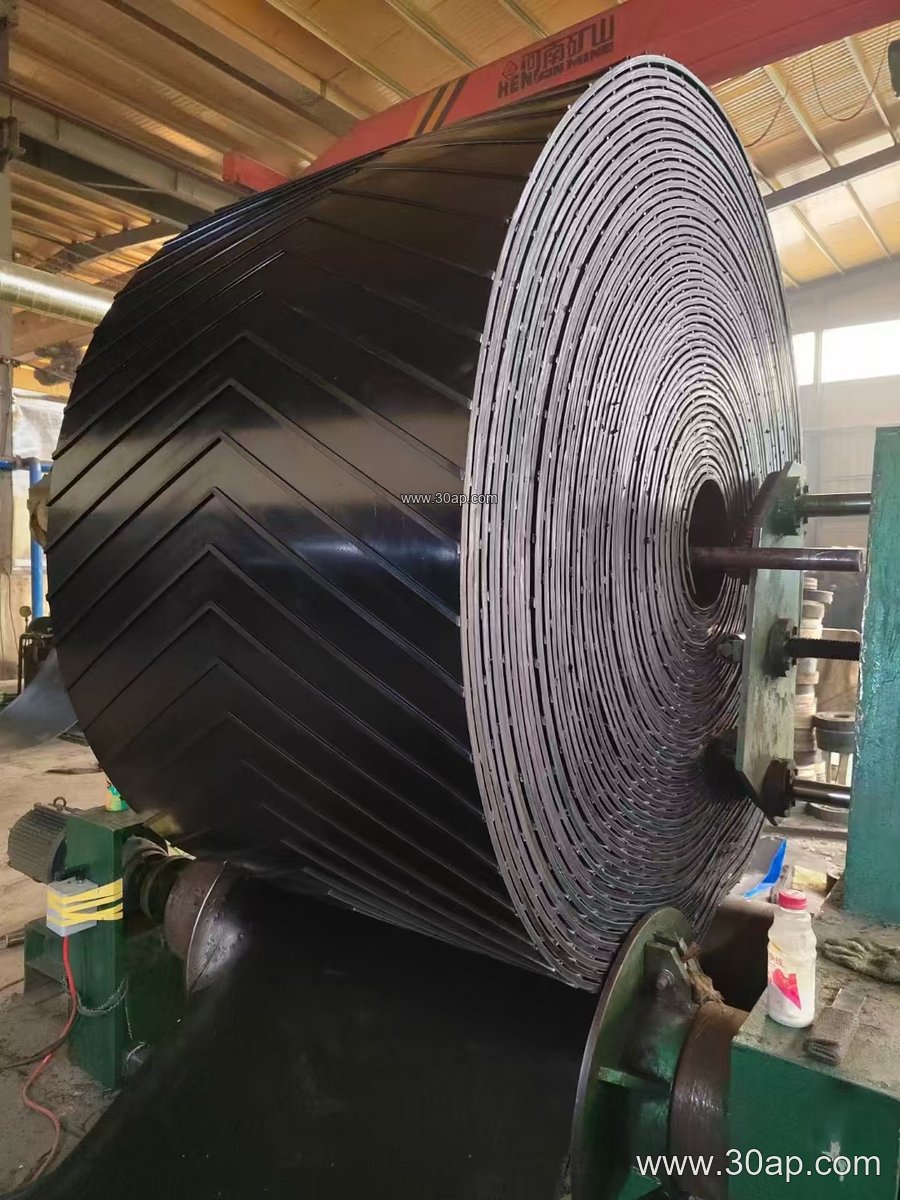
Inclined sorting and transfer conveyors often need more grip. A chevron conveyor belt with raised ribs reduces rollback on slopes, while a corrugated sidewall belt contains material on steep inclines. A skirted conveyor belt helps keep light film and paper from spilling at loading points. For enclosed routes or dusty halls, a pipe conveyor belt can reduce spillage and dust, but it is a different belt design and should not be treated as a direct swap for an open trough belt.
Where the stream includes hot material or oily components, a heat resistant or oil resistant cover may be appropriate. In cold outdoor yards, a cold resistant belt can reduce cracking. Anti-static belts are sometimes requested near dust and electrical equipment. Each of these is a cover or construction choice, not a replacement for the basic recycling duty.
Sizes and Specification Reference
Belt width should match the conveyor frame and the lump size of the material. Common widths include B500, B650, B800, B1000, B1200 and B1400, with wider belts used on high-capacity lines. Strength grades such as EP200, EP400, EP630 and EP1000 appear in plant specifications, but the correct grade depends on tension, incline and loading. A wider belt does not automatically mean a larger pulley diameter; pulley size is set by shaft load, belt thickness and wrap angle.
| Item | Typical reference | Note |
|---|---|---|
| Belt width | B500 to B1400 | Match frame and material size |
| Fabric strength | EP200 to EP1000 | Selected by tension calculation |
| Cover thickness | 4+2 mm, 6+2 mm | Thicker cover for sharp, abrasive waste |
| Carcass plies | 2 to 6 | Depends on load and impact |
| Surface | Smooth, chevron, sidewall | Chosen for incline and containment |
These figures are common industry references. Actual supply should be confirmed against the conveyor drawing and the site conditions.
Where Recycling Belts Are Used
Materials recovery facilities, construction and demolition plants, e-waste lines, compost sites and scrap yards all rely on this equipment. Similar belt technology also appears in cement plants, power plants, quarries and ports, but the recycling version must handle a more unpredictable feed. A belt that works well in a sand and gravel plant may not survive a mixed municipal waste stream without the right cover and carcass.
Buyer Checklist
Before ordering, confirm the material type, lump size, throughput, incline angle, available belt width and the condition of the conveyor pulley and idler roller set. Ask whether oil, heat or fire risk is present, and check whether a flame retardant or anti-static grade is needed. Review the cover thickness and ply count rather than relying on a single strength number. Also inspect the frame, brackets and loading chute, because poor loading causes more belt damage than normal wear. A practical specification, matched to the line, keeps the recycling conveyor belt running through long shifts in demanding plants.