What an Industrial Conveyor Pulley Does
An industrial conveyor pulley is the cylindrical component that drives, tensions, or redirects the conveyor belt in a bulk material handling system. Unlike an idler roller, which supports the belt along its carrying run, the pulley transfers power and controls belt path at key transition points. In a quarry, cement plant, or coal mining operation, the pulley is often the hardest-working rotating part in the conveyor frame, and its selection directly affects belt life and uptime.
Construction and Surface Options
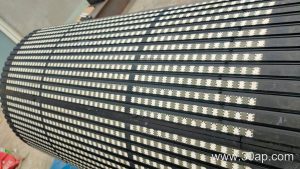
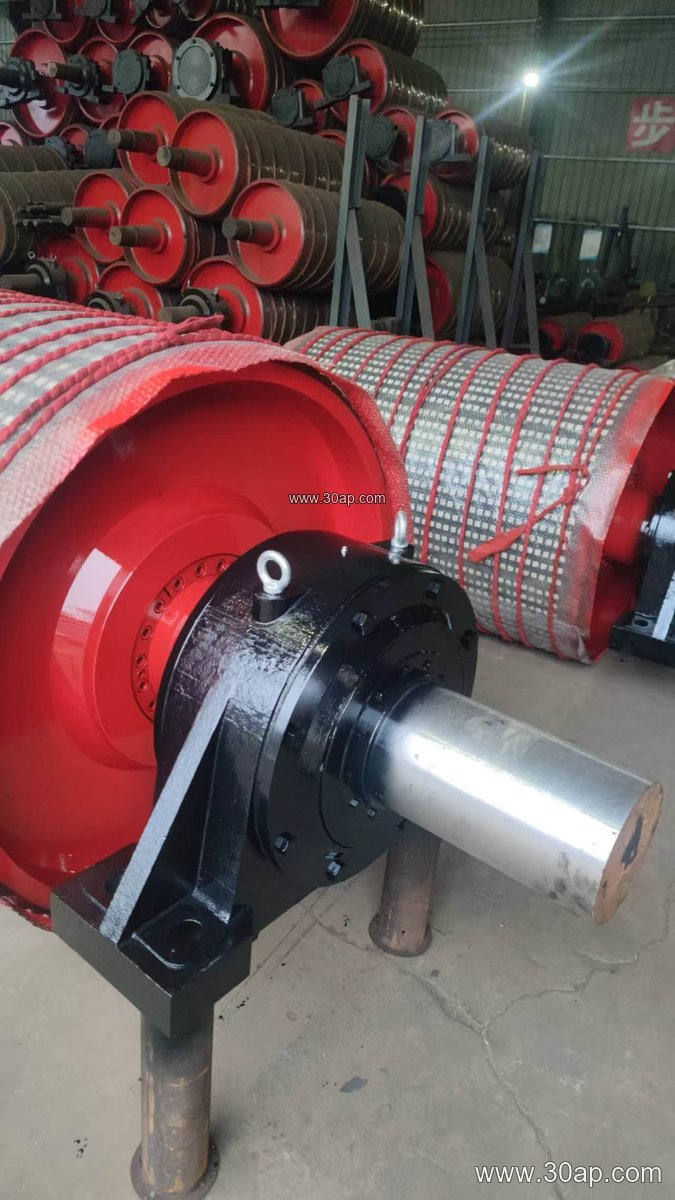
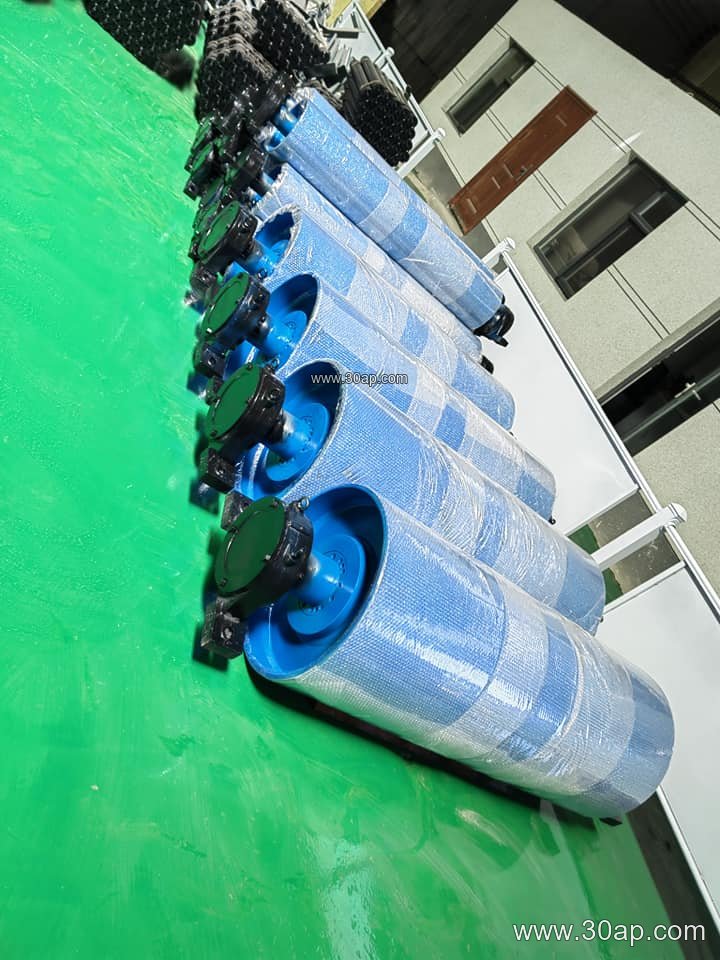
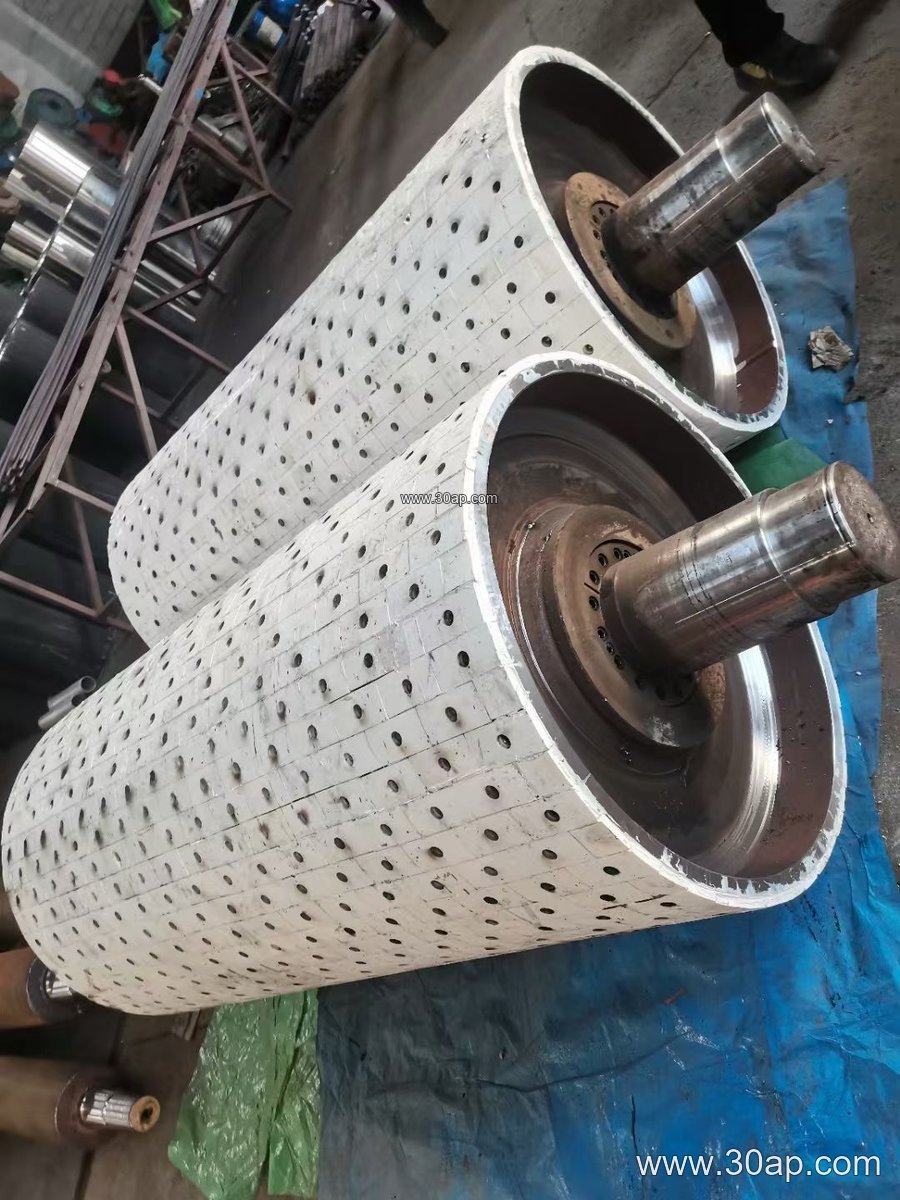
A typical pulley consists of a shell, end discs, shaft, and bearing housings. The shell may be plain, lagged with rubber, or covered with ceramic tiles. Common surface forms include smooth face, hot-vulcanized rubber lagging, cold-bonded rubber, diamond grooved lagging, herringbone lagging, and ceramic lagging. Lagging thickness is often 8, 10, 12, 15, or 20 mm, depending on grip requirements and material conditions. The shaft diameter is determined by torque and load, with common sizes such as Ø50, Ø60, Ø70, Ø80, Ø90, Ø100, Ø120, Ø140, Ø160, Ø180, and Ø200. Pulley face width is usually wider than the belt, for example B800 belt may use about 950 mm face, and B1200 belt about 1400 mm face, but these are reference values, not fixed rules.
Drive, Tail, and Bend Pulleys Are Not Interchangeable
The drive pulley, also called the head pulley, transmits motor torque to the belt and is often lagged for grip. The tail pulley at the loading end redirects the return belt and may be self-cleaning. Bend pulleys change belt direction in tensioning or take-up zones and usually carry lower torque. A drive pulley cannot simply be swapped with a tail or bend pulley because load, lagging, and shaft design differ. Other subtypes such as tension pulleys, snub pulleys, and wing pulleys serve specific positions; they are mentioned here only to clarify that each position has its own duty.
Where These Pulleys Are Used
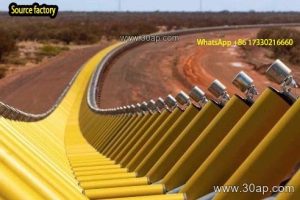
Industrial conveyor pulleys appear in limestone mines feeding crushers, in coal handling systems at power plants, in clinker transport within cement works, and in aggregate plants moving crushed stone. They also work in port bulk terminals, steel plant sinter lines, and tunnel muck removal conveyors. In these settings, the pulley must match the conveyor belt type: a heavy-duty mining conveyor belt or steel cord conveyor belt may require a larger diameter and robust lagging, while a fabric core conveyor belt on a shorter run may use a lighter pulley. Abrasion resistant conveyor belt and heat resistant conveyor belt applications each place different demands on lagging and bearing protection.
Matching Pulley to Belt and Load
Belt width and pulley diameter are related but not locked together. A B650 belt may run on Ø400 or Ø500 pulleys depending on tension and wrap angle; a B1400 belt might use Ø800 or Ø1000. The common diameter series includes Ø200, Ø250, Ø315, Ø320, Ø400, Ø500, Ø630, Ø800, Ø1000, Ø1250, Ø1400, Ø1600, and Ø1800. Buyers should provide belt width, belt type, motor power, belt speed, and loading conditions so the pulley maker can calculate shaft size and lagging. For example, an EP conveyor belt or NN conveyor belt on a primary crusher discharge may need a larger drive pulley than a similar width belt on a transfer conveyor. A chevron conveyor belt or corrugated sidewall conveyor belt may require special pulley face considerations to avoid damage.
Buyer Checklist
- Confirm the pulley position: drive, tail, bend, take-up, or snub.
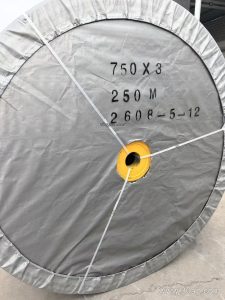
- Specify belt width and belt type, such as EP1000, EP1250, ST1600, or PVG800S.
- State the required lagging: smooth, diamond, herringbone, or ceramic, with thickness.
- Provide shaft diameter and bearing type if replacing an existing unit.
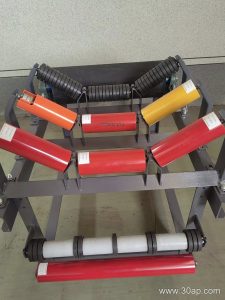
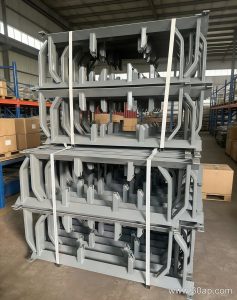
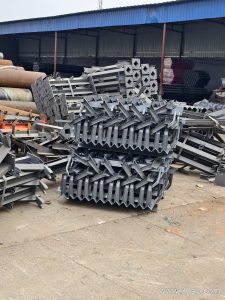
- Check that the pulley face width suits the belt and that the conveyor bracket and idler roller spacing allow safe clearance.
For more information on related components, visit conveyor pulley and conveyor belt resources. A well-chosen industrial conveyor pulley keeps the belt tracking true and reduces downtime in demanding bulk handling operations.