What a Belt Conveyor Idler Frame Does
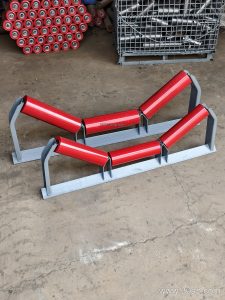
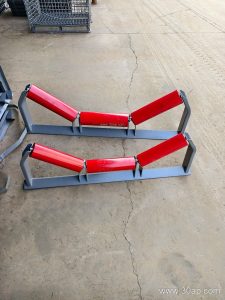
A Belt Conveyor Idler Frame is the structural component that holds idler rollers in the correct position under the conveyor belt. It keeps the belt in a stable trough shape, supports the load, and helps maintain proper belt tracking. In a typical conveyor system, the frame works together with the conveyor belt, idler roller, and conveyor pulley to ensure smooth material transport. This article explains how the frame is built, where it is used, and what buyers should consider.
Construction and Common Types
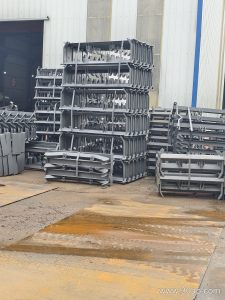
Most frames are made from angle steel, channel steel, or folded steel plate. They are designed to withstand continuous loading and vibration. Common subtypes include troughing frames, transition frames, return frames, impact frames, and self-aligning frames. Each subtype serves a specific position along the conveyor line. For example, a troughing frame supports the carrying side of the belt, while a return frame supports the empty side. A transition frame helps guide the belt from flat to troughed shape near the pulleys. Adjustable frames allow the trough angle to be changed on site.
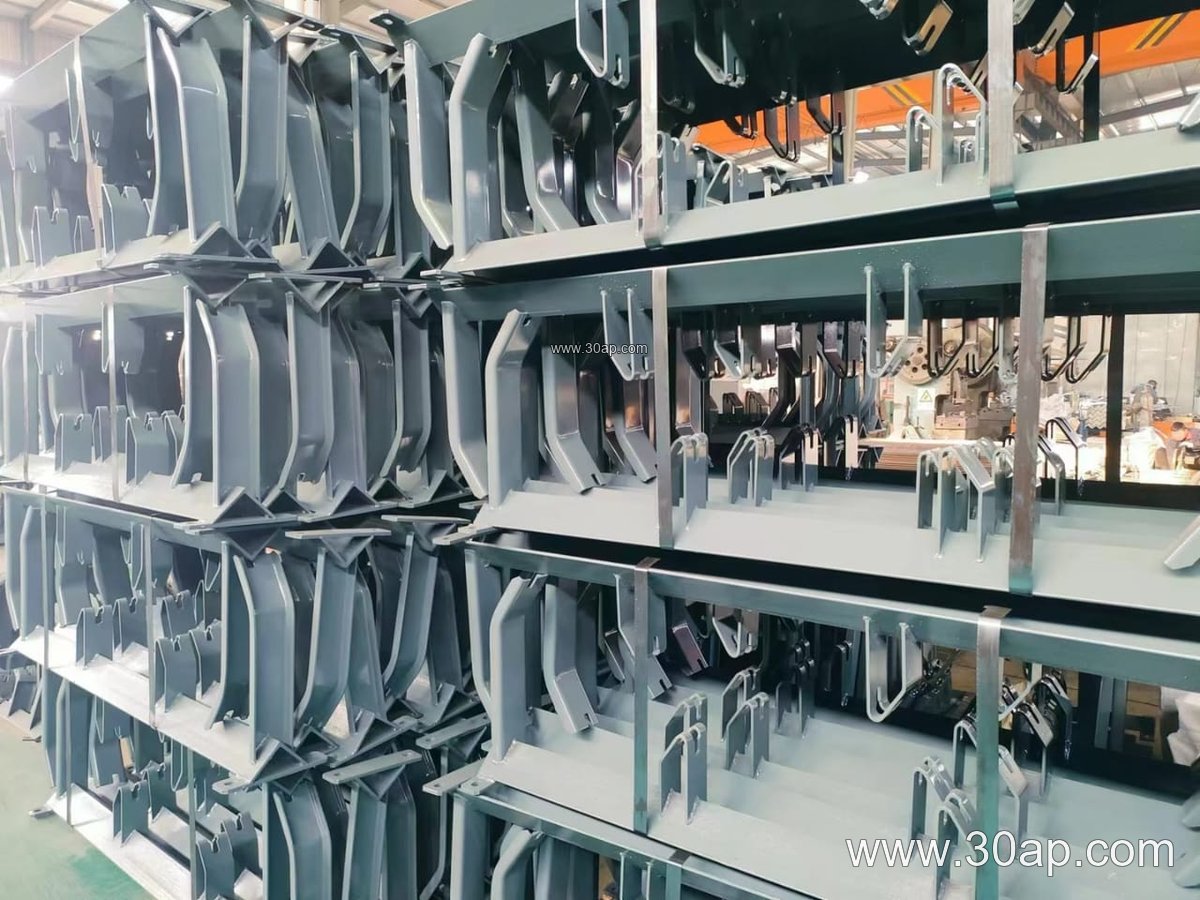
The table below shows typical reference ranges for frame dimensions. These are common examples, not fixed rules for every conveyor.
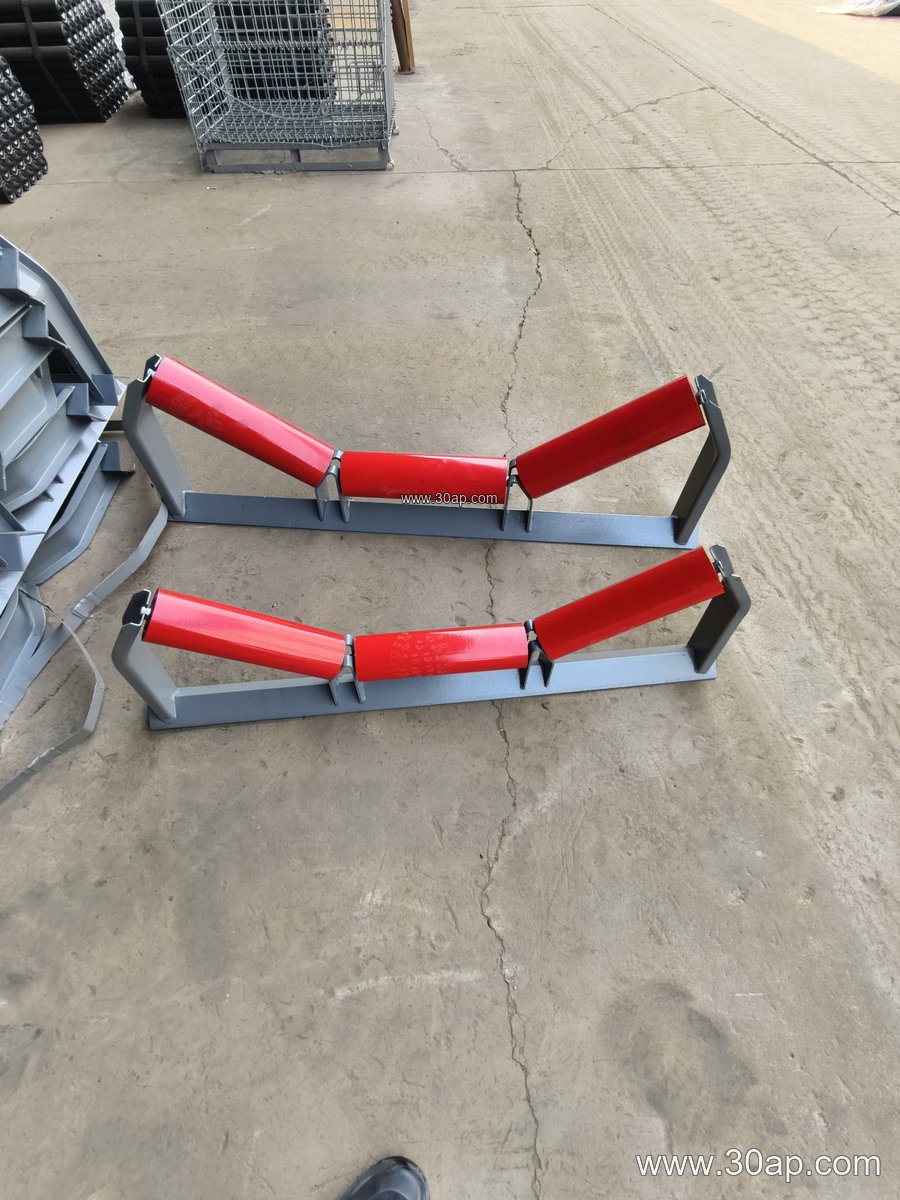
| Frame Type | Common Belt Width (B) | Typical Trough Angle | Common Roller Diameter |
|---|---|---|---|
| Troughing frame | B500 to B2200 | 20°, 30°, 35°, 45° | Ø89, Ø108, Ø133, Ø159, Ø194 |
| Return frame | B500 to B2000 | Flat or V-return | Ø89, Ø108, Ø133 |
| Impact frame | B650 to B1600 | 30°, 35° | Ø108, Ø133, Ø159 |
| Self-aligning frame | B800 to B1800 | 30°, 35° | Ø108, Ø133 |
Installation hole spacing and crossbeam length vary with belt width and trough angle. They are determined by the conveyor design, not by a single universal number.
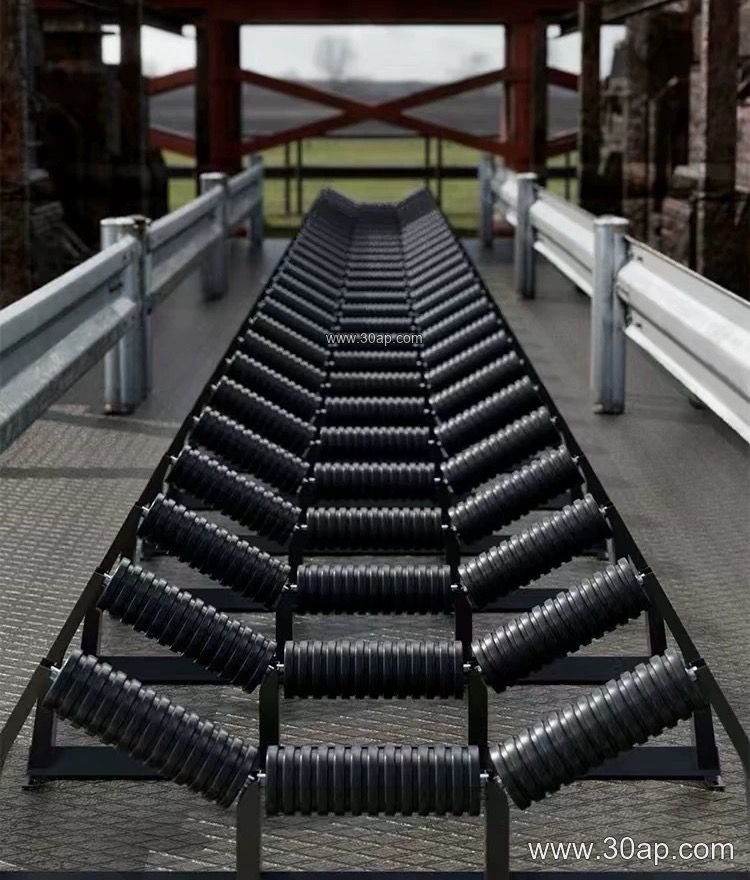
Where These Frames Are Used
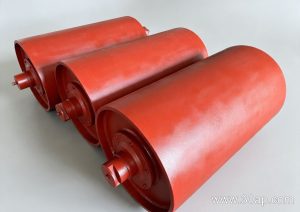
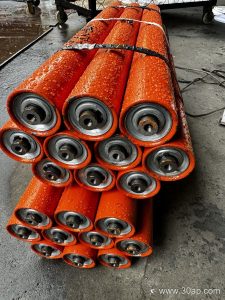
Belt Conveyor Idler Frames are found in many bulk material handling operations. In a limestone quarry, they support the conveyor belt that carries crushed stone to the screening plant. In a coal washing plant, they help keep the belt aligned under heavy loads. Other common sites include cement plants, power plant coal yards, and port loading facilities. The frame must match the conveyor belt type and the idler roller size. For example, a heavy-duty mining conveyor belt may require a stronger frame with larger rollers, while a fabric core conveyor belt on a shorter run may use a lighter frame. The frame also works with the conveyor pulley at the head and tail to maintain belt tension and direction.
Buyer Checklist
- Confirm belt width (B) and trough angle. Common combinations include B800 with 35° and Ø108, or B1200 with 45° and Ø133. Do not assume one belt width only fits one roller diameter.
- Check the frame material and finish. Angle steel and channel steel are common; folded plate is also used.
- Match the frame subtype to the application. Impact frames are used at loading points, while self-aligning frames help correct belt drift.
- Verify mounting dimensions with the conveyor manufacturer. Hole spacing and beam length are design-specific.
- Consider the conveyor belt properties. A heat resistant conveyor belt or flame retardant conveyor belt may need specific frame clearance and roller placement.
Maintenance and Compatibility
Regular inspection of the idler frame helps prevent belt damage. Check for loose bolts, bent beams, and worn mounting holes. Replace any frame that no longer holds the rollers at the correct angle. The frame should be compatible with the conveyor bracket and the idler roller used on the line. When replacing a frame, keep the same subtype and dimensions unless the conveyor design is being changed. For high-abrasion sites such as iron ore or copper ore handling, thicker frame steel and reinforced welds are often preferred. In cold climates, ensure the frame material is suitable for low temperatures, especially when a cold resistant conveyor belt is used.
For more information on selecting frames, rollers, and belts for your conveyor, visit our site at www.example.com/belt-conveyor-idler-frame or www.example.com/conveyor-idler-frame.