What a High-Friction Lagged Pulley Does
A high-friction lagged pulley is a conveyor pulley whose outer surface is covered with a rubber or ceramic lagging layer to increase grip on the conveyor belt. This added friction reduces belt slip, improves torque transmission, and helps maintain stable operation under heavy loads. In quarry and limestone mining operations, where wet or dusty conditions are common, the lagging also protects the pulley shell from abrasion and extends service life. The product is also known as a rubber-lagged pulley or friction-lagged pulley, and these terms refer to the same equipment.
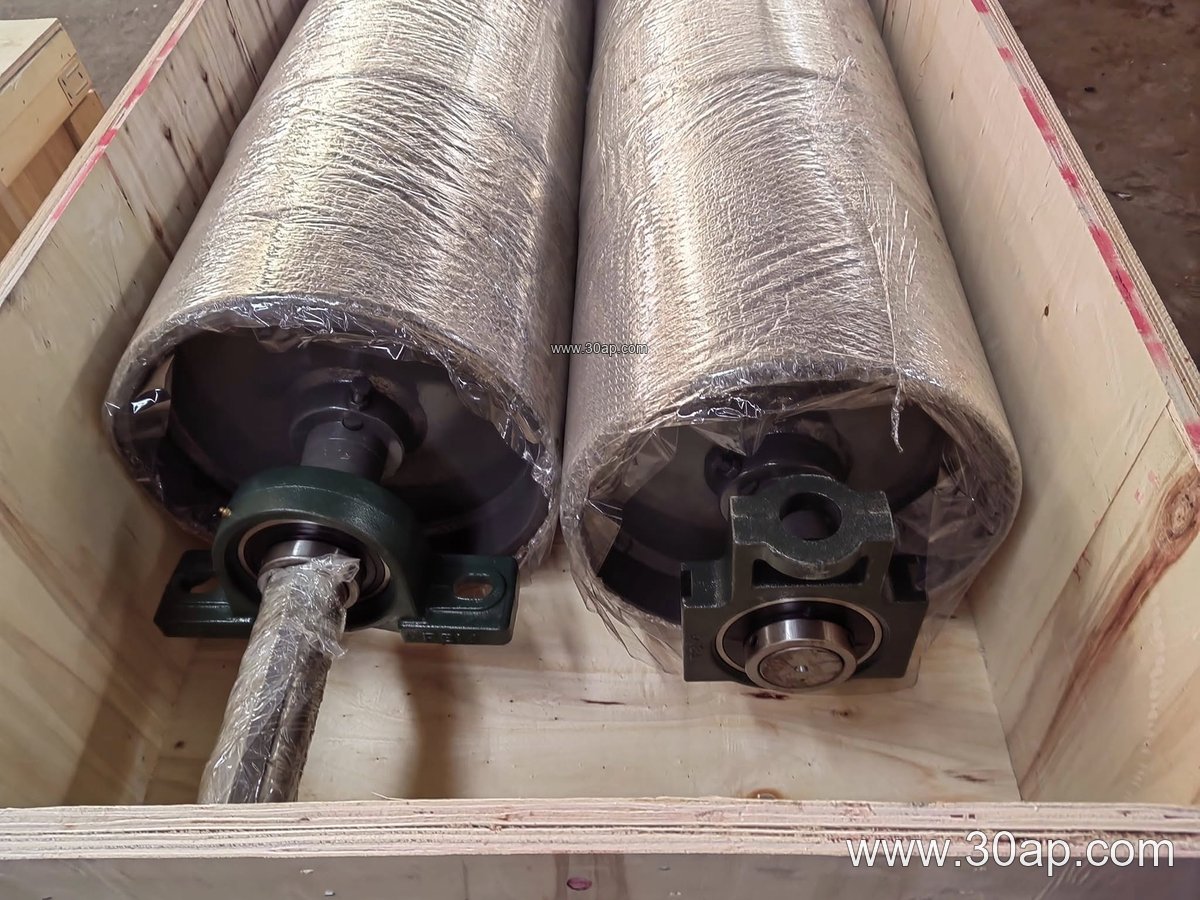
Construction and Surface Options
The pulley body is typically made of welded steel, with a shaft, hubs, and a lagged shell. The lagging can be applied in several forms to suit different traction needs. Common surface forms include plain rubber lagging, diamond-pattern lagging, chevron lagging, and ceramic lagging. Rubber lagging thickness often ranges from 8 mm to 20 mm, depending on the duty. For high-friction demand, diamond or ceramic patterns provide extra bite. The pulley face width is usually slightly wider than the belt width; for example, a B800 belt may use a pulley face around 950 mm, while a B1200 belt may use about 1400 mm. Diameters are selected by design, with common sizes such as Ø500, Ø630, Ø800, and Ø1000. Shaft diameters are determined by torque and load, not by belt width alone, and may be Ø80, Ø100, Ø120, or larger.
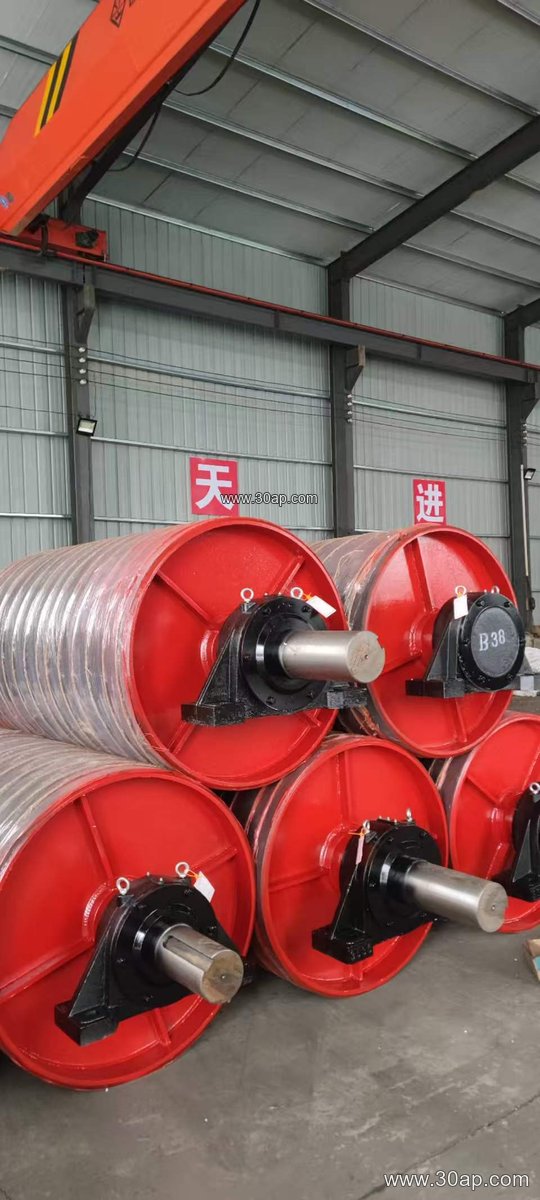
Where It Is Used
High-friction lagged pulleys are often found at the drive position of a conveyor, where the belt must grip the pulley to transmit power. They also appear at bend and tensioning locations where slip control is important. In a coal washing plant or a cement plant clinker line, a lagged drive pulley helps handle the starting torque of a fully loaded belt. In a power plant coal handling system, the lagging reduces the risk of belt slip during winter or in damp conditions. The pulley works together with the conveyor belt, idler rollers, and conveyor brackets to keep the material moving smoothly. For abrasive bulk materials, pairing the pulley with an abrasion resistant conveyor belt can further improve reliability.
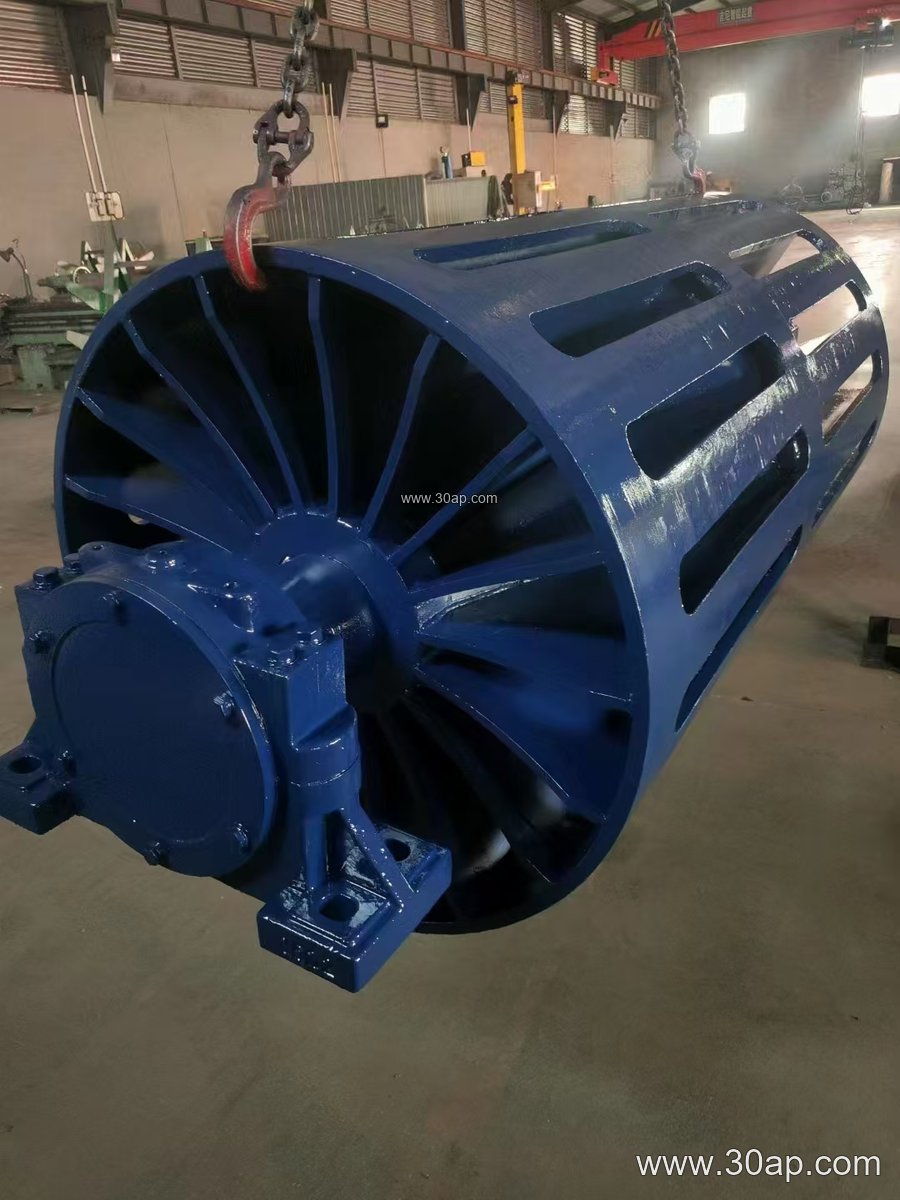
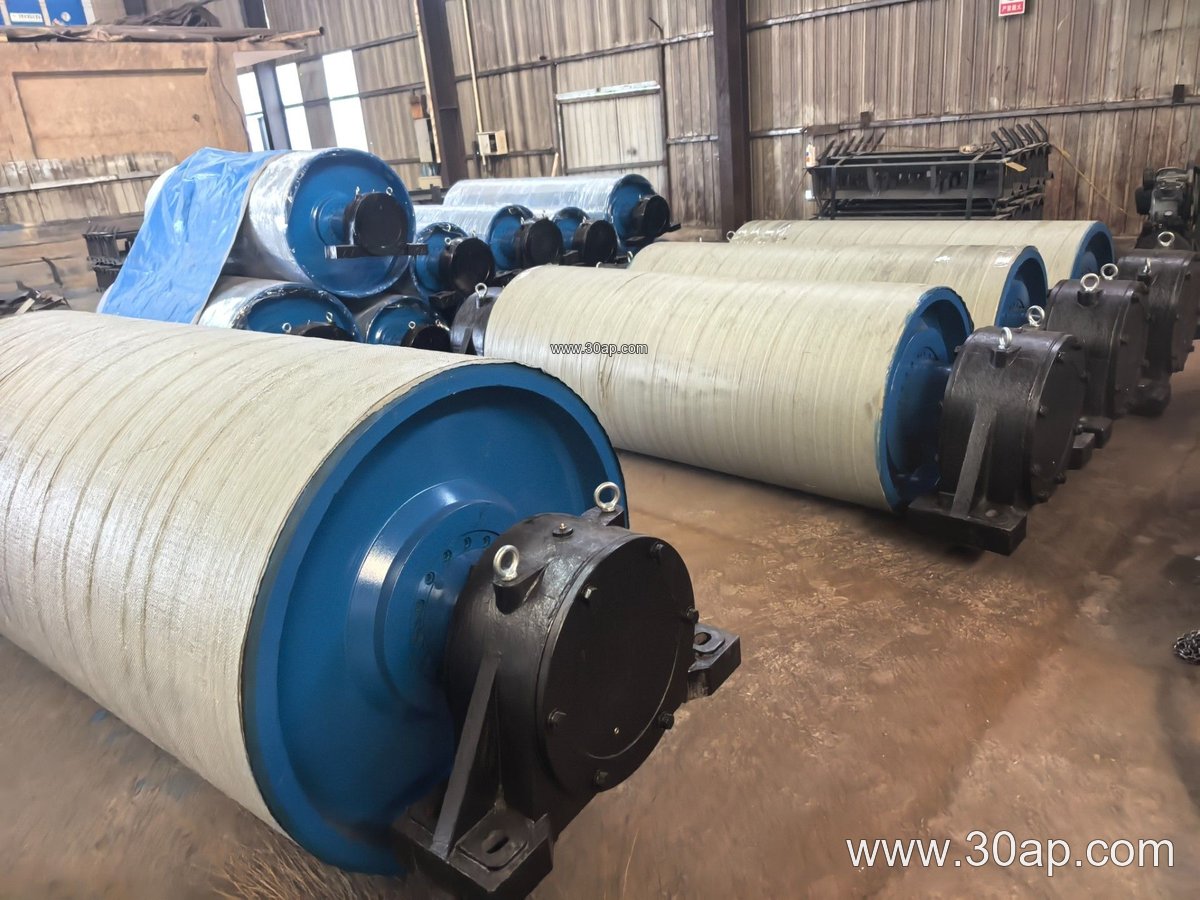
Matching the Pulley to the Conveyor
Selection starts with the belt width and the required traction. A high-friction lagged pulley should be sized so that the lagging surface matches the belt without excessive overhang. The table below shows typical reference combinations; these are examples, not fixed rules, and final dimensions are set by the conveyor designer.
| Belt Width (mm) | Pulley Face Width (mm) | Common Diameter Range (mm) | Lagging Thickness (mm) |
|---|---|---|---|
| B500 | 600 | Ø250–Ø400 | 8–12 |
| B800 | 950 | Ø400–Ø630 | 10–15 |
| B1000 | 1150 | Ø500–Ø800 | 10–15 |
| B1200 | 1400 | Ø630–Ø1000 | 12–20 |
| B1400 | 1600 | Ø800–Ø1250 | 15–20 |
When specifying, consider the conveyor belt type as well. A heavy-duty mining conveyor belt or a steel cord conveyor belt may require a larger pulley diameter to reduce bending stress. In iron ore or copper ore applications, a lagged pulley with ceramic lagging can offer better wear resistance than plain rubber. For underground coal mining, flame retardant conveyor belt and fire resistant conveyor belt grades are often used, and the pulley lagging should be compatible with the belting and the environment.
Buyer Checklist
- Confirm the belt width and the pulley face width; the face is usually wider than the belt.
- Select the lagging pattern and thickness based on traction and abrasion conditions.
- Check that the shaft diameter is calculated from torque and load, not copied from a belt width chart.
- Consider the conveyor layout: drive, tail, bend, or tension position changes the load profile.
- For harsh industries such as quarry, cement, or steel plant, choose lagging that resists cutting and wear.
A high-friction lagged pulley is a small but critical part of a conveyor system. Proper selection and maintenance help avoid belt slip, reduce downtime, and keep the conveyor belt running efficiently.