What a Rubber Disc Return Idler Does
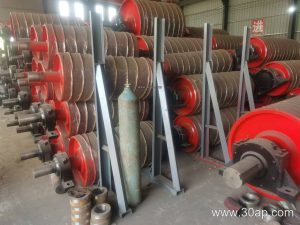
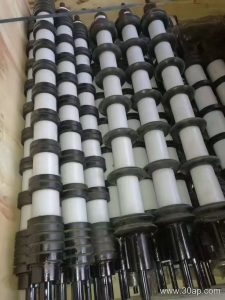
A rubber disc return idler is a lower run idler roller built with a series of rubber discs instead of a plain steel shell. It sits under the returning conveyor belt and supports the belt while helping to shed sticky material that would otherwise build up on a smooth roller. In quarry, coal mining, and cement plant circuits, this idler type is often chosen where fines and moisture create carryback problems on the return strand. The rubber disc return idler is not a substitute for a drive pulley, tail pulley, or bend pulley—those are conveyor pulleys with different duties. It is also distinct from a V-type return idler or a plain flat return idler, although it may be compared with them when selecting the best return support for a given conveyor.
Construction and Key Components
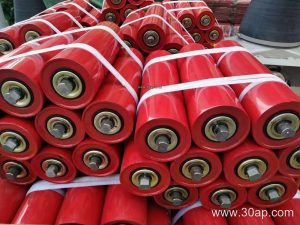
The idler roller body is typically a steel shaft fitted with molded rubber discs, spaced along the length. The discs are vulcanized or mechanically fixed to the shaft, and the assembly runs on sealed bearings housed at each end. Common bearing sizes for return idlers include 6205, 6305, and 6306, but the bearing is selected by the idler manufacturer according to load and speed—not by belt width alone. The rubber disc surface is flexible and self-cleaning to a degree, which helps limit material buildup. The idler is mounted on a conveyor bracket or frame at the return side, and the roller diameter is usually in the range of Ø89 to Ø159 mm for typical bulk handling duties. Larger diameters may be used on wide belts or high-tension conveyors.
Where It Fits on the Conveyor
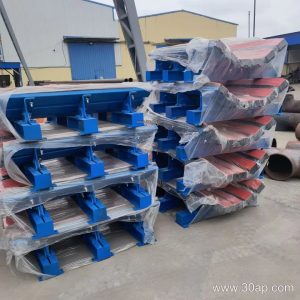
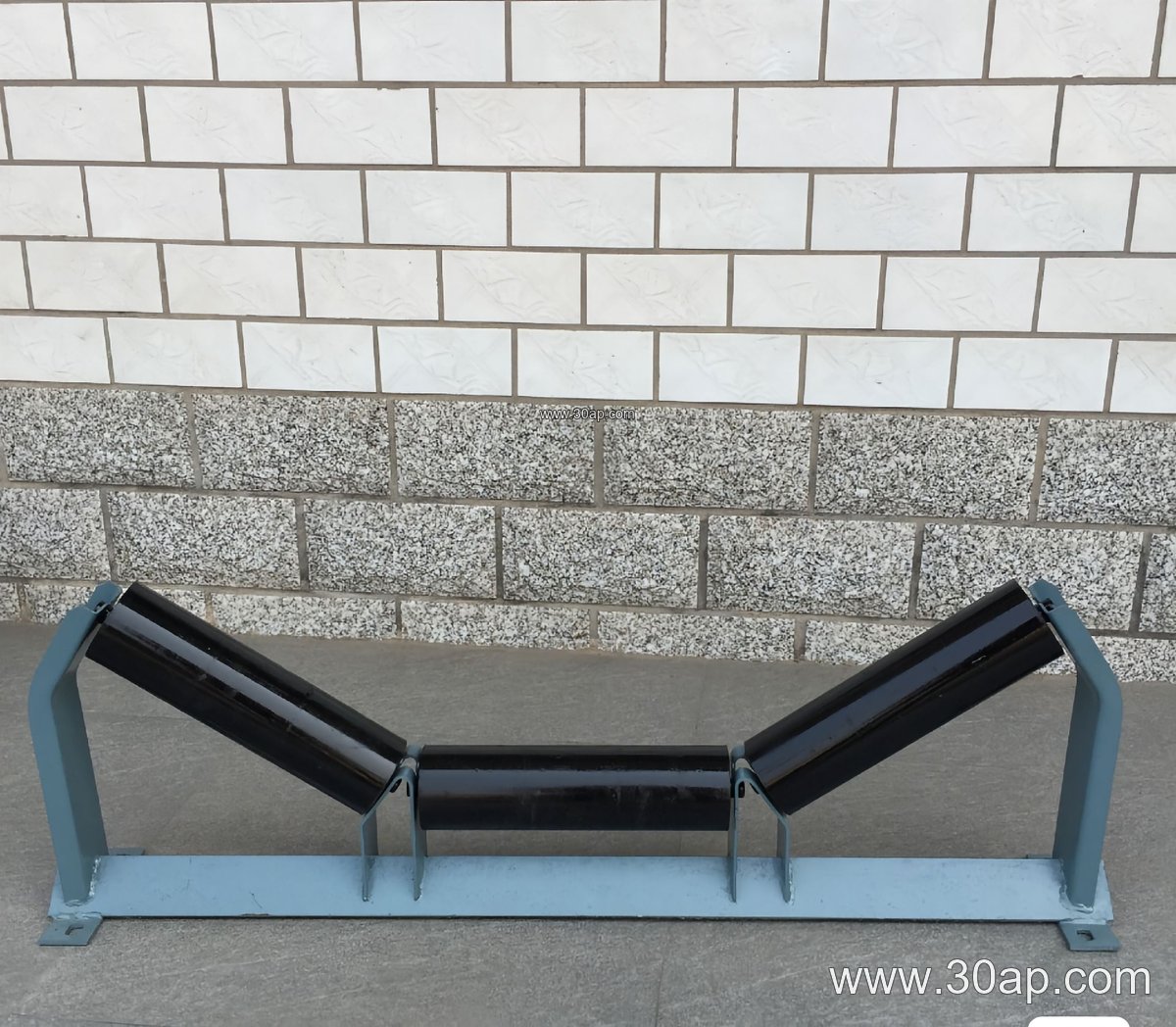
This return idler is installed on the lower strand, after the discharge point and before the tail pulley. In a coal mining conveyor or a limestone quarry line, the return belt often carries a thin layer of fines that can stick to plain steel rolls. The rubber disc design helps break that layer and reduce wrap buildup. It is not a replacement for a training idler or a self-aligning idler; belt tracking should be handled by the appropriate idler type. Similarly, impact idlers at the loading point serve a different purpose. A rubber disc return idler works alongside these components, not in place of them.
Common Sizes and Configuration Notes
Rubber disc return idlers are available for standard belt widths from B500 to B2400. The roller length is matched to the belt width and the return idler frame design. For reference, common return idler diameters and belt width ranges are shown below. These are typical examples, not fixed rules, and final dimensions should be confirmed with the conveyor design.
- Ø89 mm disc return idler for B500 to B800 belts
- Ø102 mm and Ø108 mm for B650 to B1000 belts
- Ø127 mm and Ø133 mm for B800 to B1400 belts
- Ø159 mm for B1200 to B1800 belts
- Ø178 mm and Ø194 mm for wide belts up to B2400
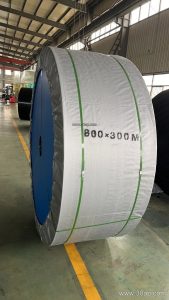
Belt speed, material lump size, and ambient conditions also influence the choice. In a sand and gravel plant or a power plant coal handling system, the return idler should be selected with the same care as the carrying idlers. The conveyor belt itself—whether an EP conveyor belt, a steel cord conveyor belt, or a flame retardant conveyor belt—affects the load on the return strand. A heavy-duty mining conveyor belt with high tension may call for a larger shaft and bearing combination than a lighter aggregate conveyor belt.
Buyer Checklist
Before ordering, confirm the belt width, the return idler frame dimensions, the required roller diameter, and the shaft end configuration. Check whether the conveyor bracket uses a standard drop-in or a bolt-on fixing. Ask for the bearing size and seal type, since dusty conditions in a cement plant or underground coal mining conveyor demand good sealing. The rubber disc hardness and disc spacing should suit the material being carried; sticky clay and wet fines behave differently from dry ore. If the conveyor uses a chevron conveyor belt or a corrugated sidewall conveyor belt, check that the return idler clears the belt profile. Finally, consider the maintenance plan: rubber disc return idlers can be inspected for disc wear and bearing play during routine stops, and replacement should follow the conveyor manufacturer’s recommendations rather than a fixed interval. For related conveyor components such as the conveyor pulley, idler roller, and conveyor bracket, work from the same dimensional drawing to avoid mismatches.