What a Q235 Conveyor Bracket Does
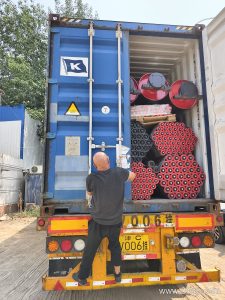
A Q235 conveyor bracket is the steel support that holds idler rollers in position under or beside a conveyor belt. Made from Q235 mild carbon steel, it is the structural link between the conveyor frame and the rollers that carry the belt. In a quarry, a coal handling plant, or a cement kiln line, these brackets keep the belt profile steady so material moves without spillage or excessive wear. The same product is often called a Q235 conveyor support bracket, and both names describe the same steel assembly.
Because Q235 steel is easy to weld and bend, it suits both fixed and adjustable bracket designs. The bracket does not move material itself, but its alignment directly affects how the belt tracks and how long idler rollers last.
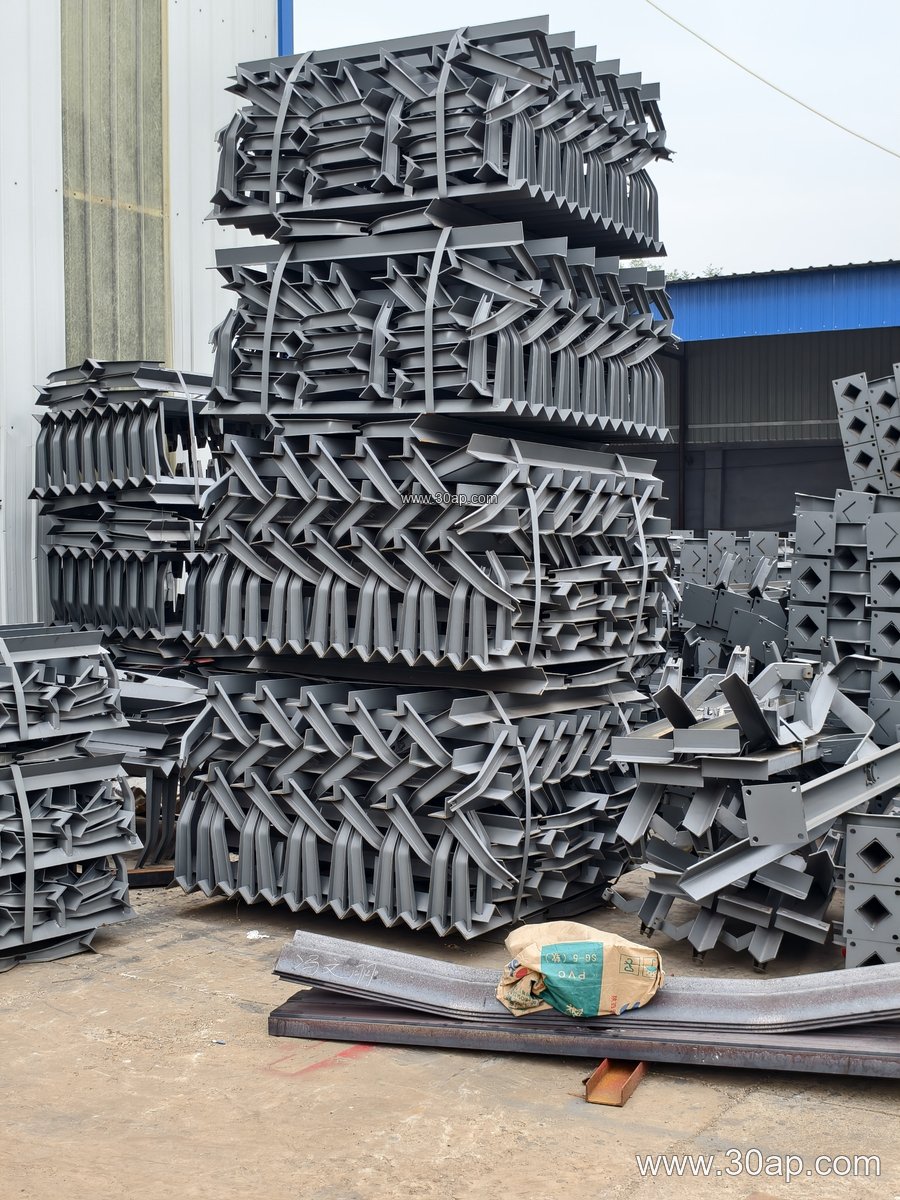
How the Bracket Is Built
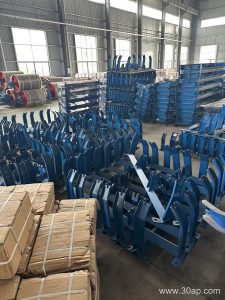
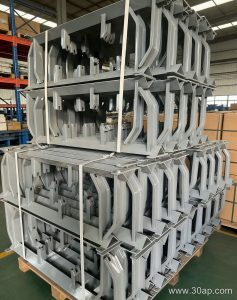
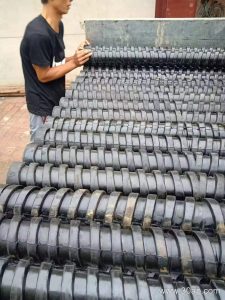
Most brackets are fabricated from angle steel, channel steel, or folded steel plate. A typical troughing bracket carries three rollers at a set trough angle, while a return bracket supports the belt on its lower run. Common forms include:
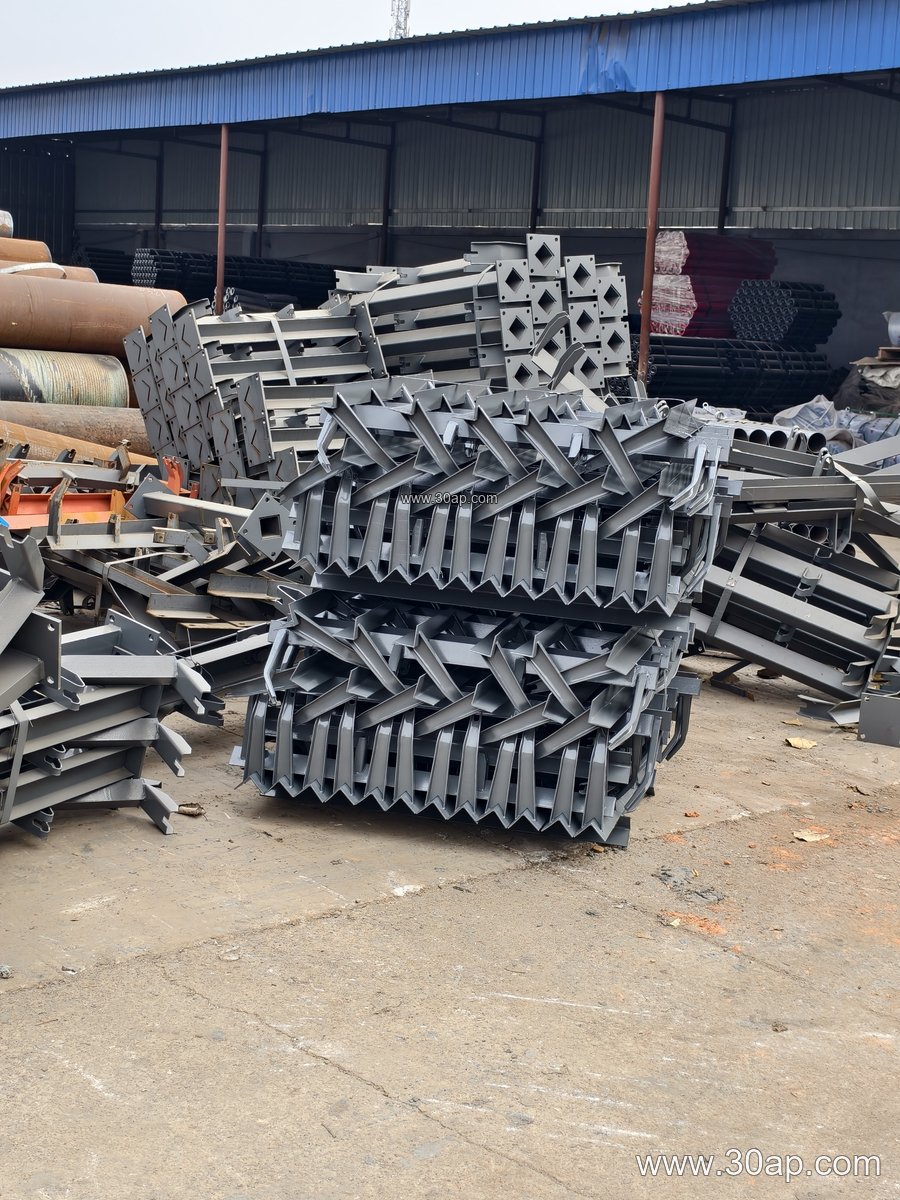
- Troughing and upper trough brackets for the carrying side
- Transition brackets near pulleys
- Return and V-return brackets for the lower run
- Impact brackets under loading points
- Self-aligning and forward-leaning brackets
- Adjustable brackets that allow trough angle changes
Welds should be clean and consistent, and mounting holes should line up with the frame. A light anti-corrosion coating helps in wet or dusty conditions, such as a wash plant or a port terminal.
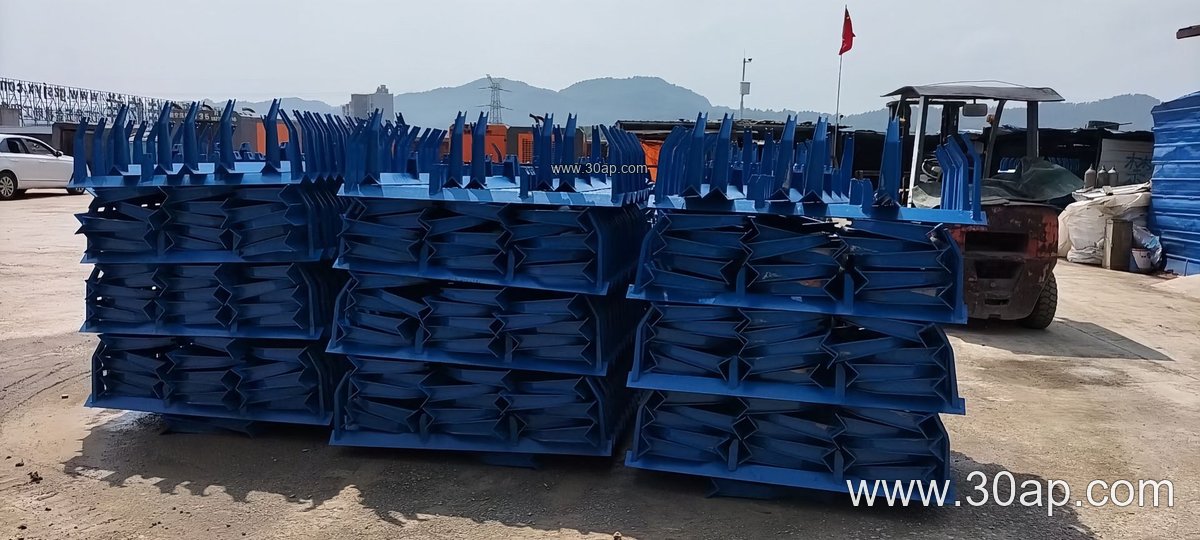
Trough Angle and Roller Diameter Choices
The bracket sets the trough angle, usually 20, 30, 35, or 45 degrees. A deeper trough suits higher capacity and wider belts, while a shallower angle can reduce edge stress on lighter loads. Adjustable brackets let maintenance teams fine-tune the angle between these common values. Forward-leaning designs, often around 1.5 to 2 degrees, help with belt training.
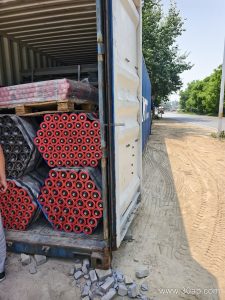
Roller diameter is selected together with belt width and load. Common roller diameters include Ø89, Ø108, Ø133, Ø159, and Ø194. A B800 belt might use a 35 degree bracket with Ø108 rollers, while a B1200 system could run 45 degrees with Ø133 rollers. These are examples, not fixed rules. Hole spacing and beam length change with belt width and trough angle, so the bracket should be ordered against the actual frame drawing.
Where It Fits in the Conveyor System
Brackets appear along the whole conveyor line. Under a crusher discharge, impact brackets protect the belt from falling rock. In a coal mining conveyor, flame retardant and anti-static belts are common, and the brackets must hold rollers firmly so the belt does not rub the frame. In a cement plant or power plant coal yard, dust and heat make sturdy brackets important.
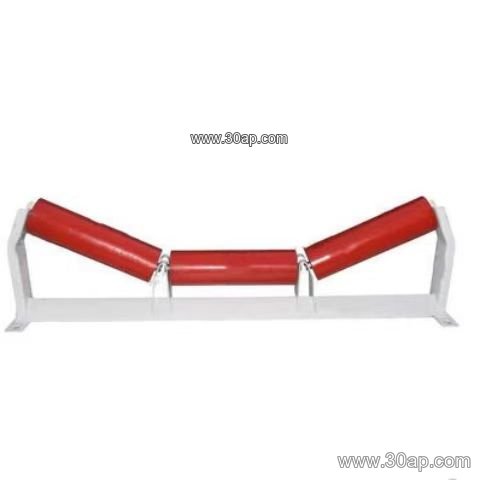
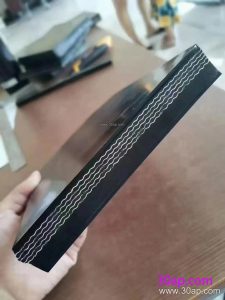
On a long overland run using a steel cord conveyor belt or a multi-ply fabric core belt, bracket spacing and alignment affect belt sag and energy use. In a sand and gravel line, a heavy-duty mining conveyor belt works with closely spaced troughing brackets to handle abrasive stone. The bracket is a small part, but it supports the conveyor belt, idler roller, and conveyor pulley arrangement as a whole.
Buyer Checklist
Before ordering, confirm belt width, trough angle, roller diameter, and frame hole spacing. Ask whether the design is fixed or adjustable, and check the steel grade and surface treatment. For a B650, 30 degree, Ø89 layout, the bracket will differ from a B1400, 35 degree, Ø159 layout. Buyers can find more conveyor components at www.beltconveyorparts.com, including roller and bracket options for bulk material handling. Matching bracket quality to the site conditions, whether a limestone mine or a fertilizer silo, keeps the belt running straight and reduces downtime.