What a Composite Idler Is
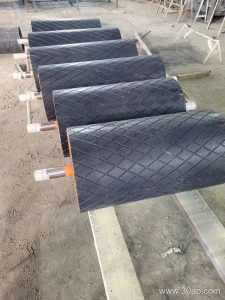
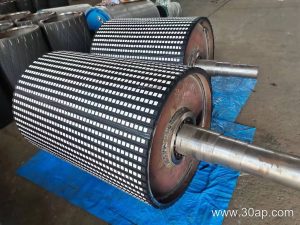
A composite idler is a conveyor idler roller made from a combination of materials—typically a polymer or composite shell over a steel core, or a fully non-metallic body—rather than a plain steel tube. In bulk handling lines, this idler roller supports the conveyor belt and reduces friction, just like a conventional steel idler, but with a different material profile. You will see it in quarry conveyor belts, aggregate conveyor belts, and cement plant conveyor belts where corrosion or weight matters. It is not a replacement for a conveyor pulley; drive, tail and bend pulleys remain separate components with their own design rules.
How It Is Built
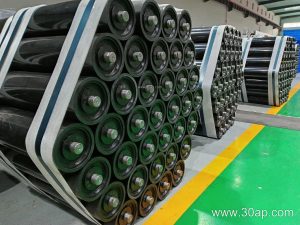
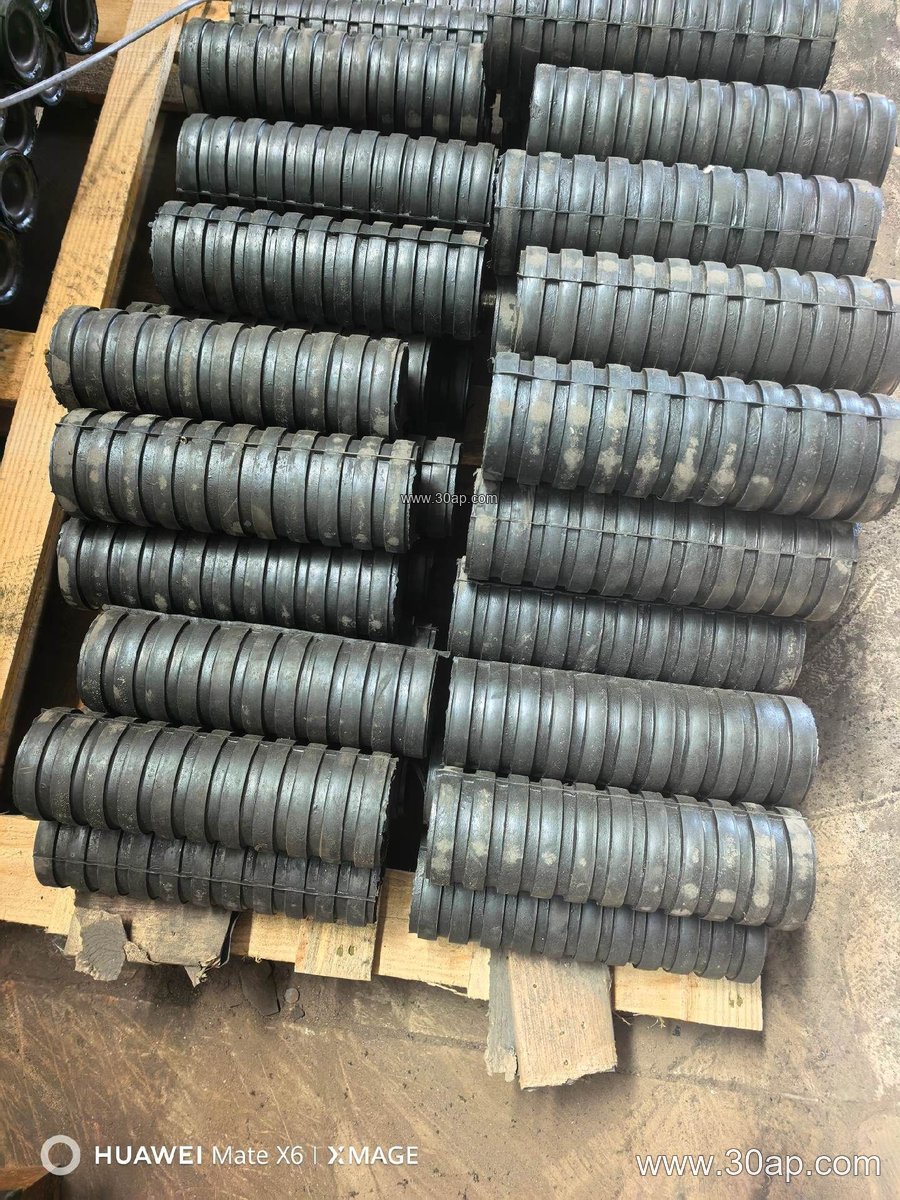
The construction usually combines a composite outer shell with a steel shaft and bearing housings. Common bearing sizes include 6204, 6205, 6305, 6306, 6308 and 6310, selected according to load and speed rather than matched to a single diameter. The roller face may be smooth composite, or it may carry a rubber ring for cushioning. Seals are critical: a well-designed composite idler uses labyrinth or contact seals to keep out dust and water, which is why it can suit washdown areas or wet tunnels. The shell is often lighter than steel, which can ease manual handling during maintenance, but the load rating must still be checked against the conveyor belt width and the material being carried.
Where It Fits on the Conveyor
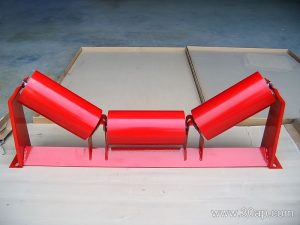
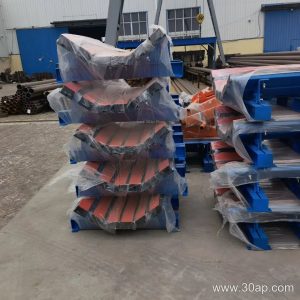
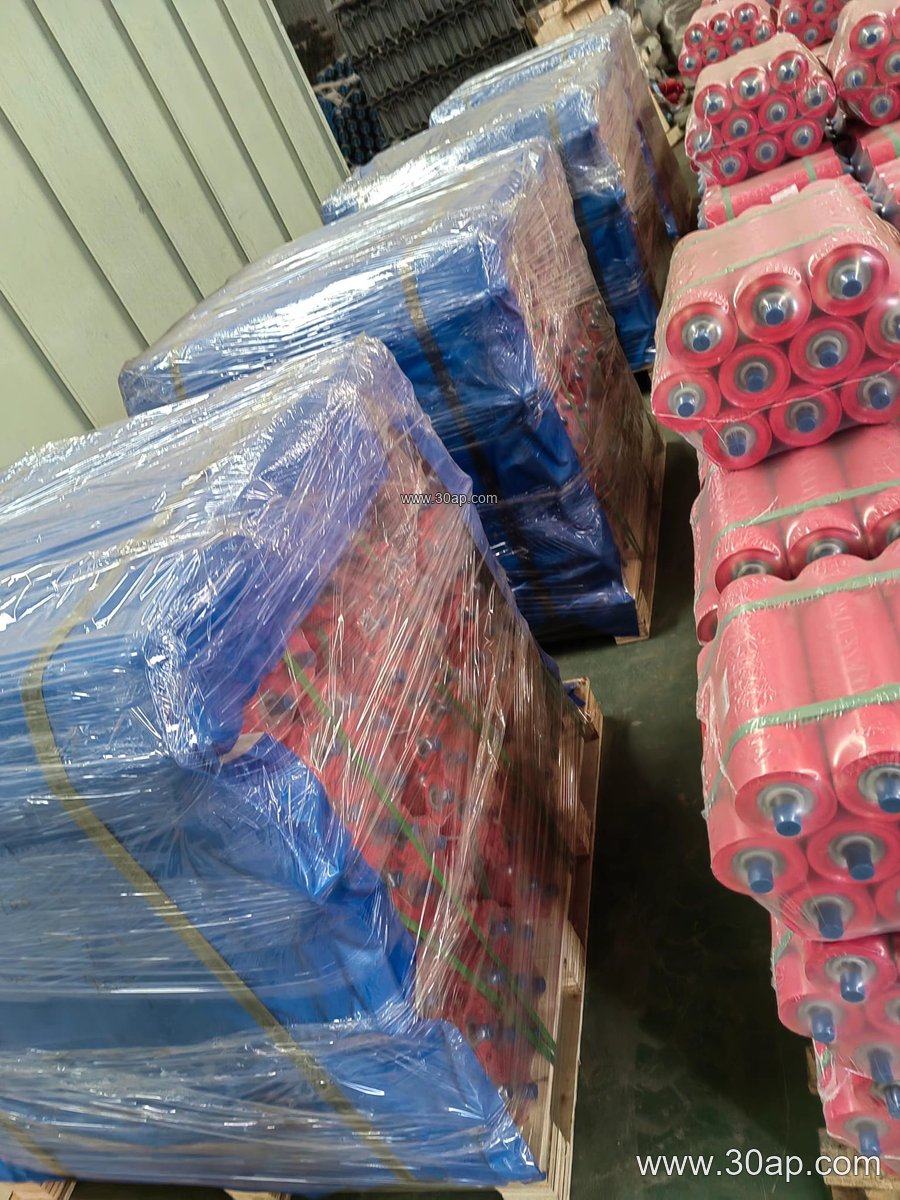
Composite idlers appear in carrying and return positions. In a three-roll troughing set, the side rollers and center roller can be composite, with trough angles commonly 20, 30, 35 or 45 degrees. For transition zones near the tail or loading point, impact idlers with rubber rings are sometimes specified to absorb shock from large lumps. On the return side, a flat or V-return composite idler helps track the belt. In a quarry or sand and gravel line, a composite idler may be chosen for its resistance to abrasive dust; in a coal mining conveyor or underground mining conveyor, flame retardant and anti-static properties of the belt are separate concerns, but the idler itself must still run true and seal well. A conveyor bracket holds the idler in place, and its spacing affects belt sag.
Common Sizes and Configurations
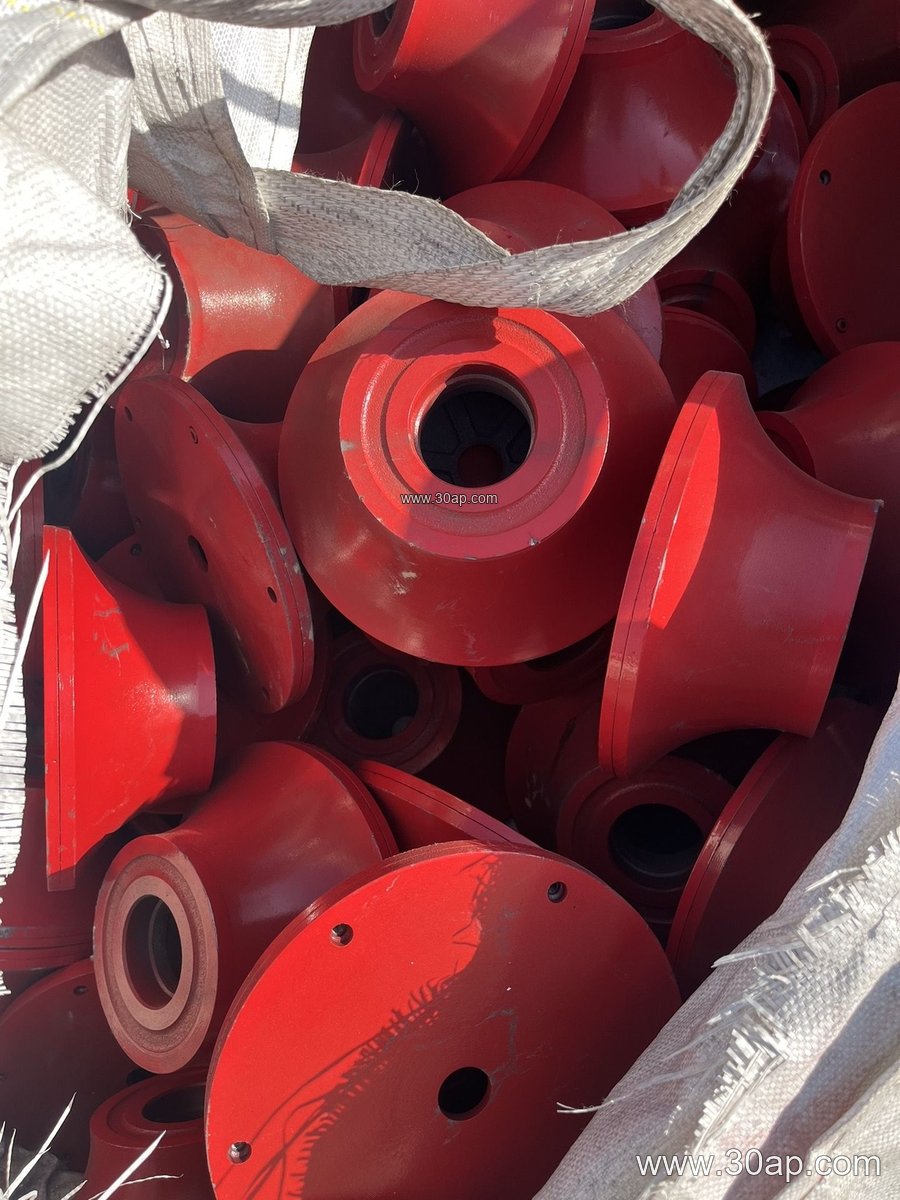
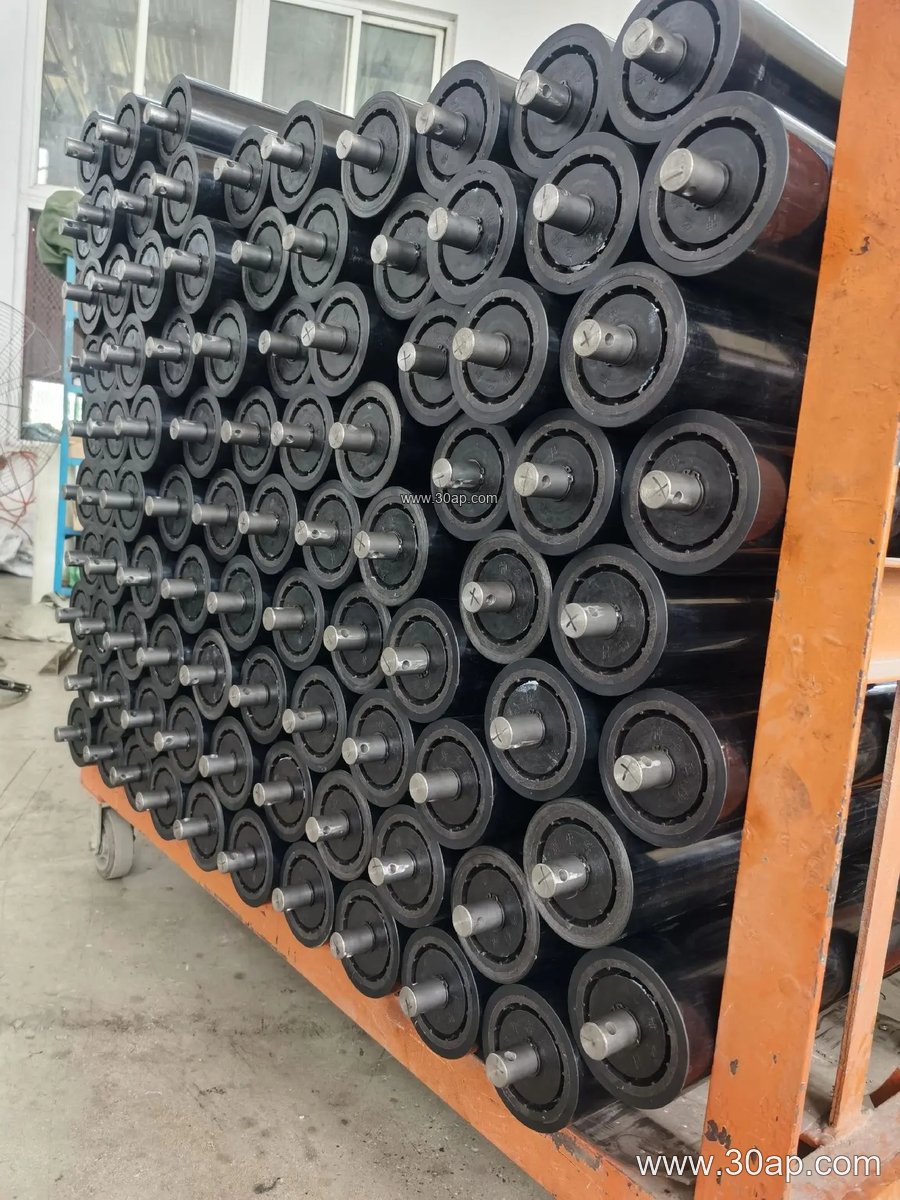
Composite idlers follow the same dimensional logic as steel idlers. Roller diameters commonly include Ø63, Ø76, Ø89, Ø102, Ø108, Ø127, Ø133, Ø159, Ø178, Ø194 and Ø219 mm. Belt widths range from B400 to B2400, and roller length changes with belt width, trough angle and idler arrangement. For example, a three-roll troughing set might use a roller length of about 200 mm at B500, 315 mm at B800, 465 mm at B1200 and 600 mm at B1600—these are typical examples, not fixed pairings. The table below shows reference values; actual selection depends on the conveyor design.
| Belt width | Example roller length (three-roll trough) | Common trough angle |
|---|---|---|
| B500 | 200 mm | 20–35° |
| B650 | 250 mm | 20–35° |
| B800 | 315 mm | 30–35° |
| B1000 | 380 mm | 30–35° |
| B1200 | 465 mm | 30–45° |
| B1400 | 530 mm | 30–45° |
| B1600 | 600 mm | 30–45° |
Side rollers and center rollers can differ in length, so do not assume one value fits all positions. Forward lean of about 1.5 to 2 degrees is sometimes used on training idlers to help centering, but it is not universal.
Selection and Maintenance Notes
Buyers should match the composite idler to the belt width, load, speed and environment. In a power plant coal handling system, a heat resistant conveyor belt may run alongside composite idlers, but the idler’s own temperature limit must be confirmed. In a fertilizer or grain facility, corrosion resistance and cleanability may outweigh weight savings. Check shaft diameter and bearing size against the calculated load—never infer a shaft size from belt width alone. During maintenance, inspect for shell wear, seal damage and bearing play; replace idlers that do not spin freely. Keep spare idlers in the same diameter and length as the installed set to avoid mix-ups. For more on conveyor components, visit conveyor idler roller and conveyor pulley resources at www.example.com/conveyor-idler-roller and www.example.com/conveyor-pulley. Composite idlers are a practical option where steel corrosion or weight is a concern, but they are not a substitute for proper conveyor design.