What a Large Conveyor Pulley Is
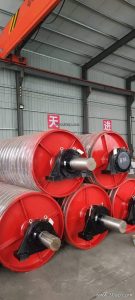
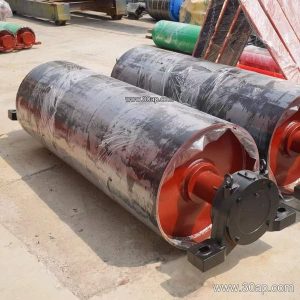
A large conveyor pulley is a heavy-duty drum that drives or redirects a conveyor belt in bulk material handling systems. It is typically the main drive or tail component on wide, high-tension belts, and its size and construction are matched to the belt width, load, and duty cycle. In a quarry or a coal washing plant, this pulley often sets the pace for the entire conveyor line.
Construction and Key Components
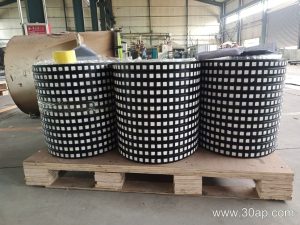
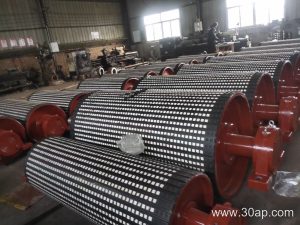
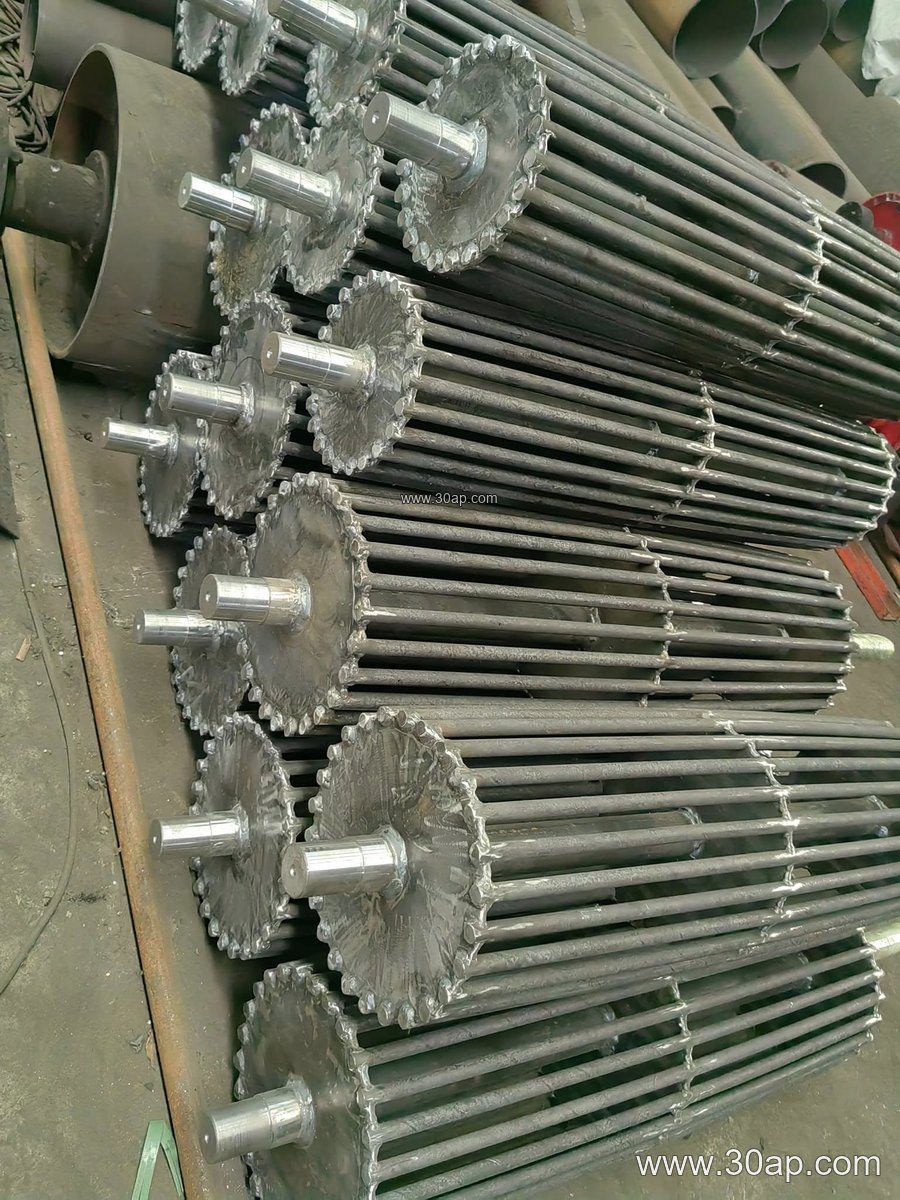
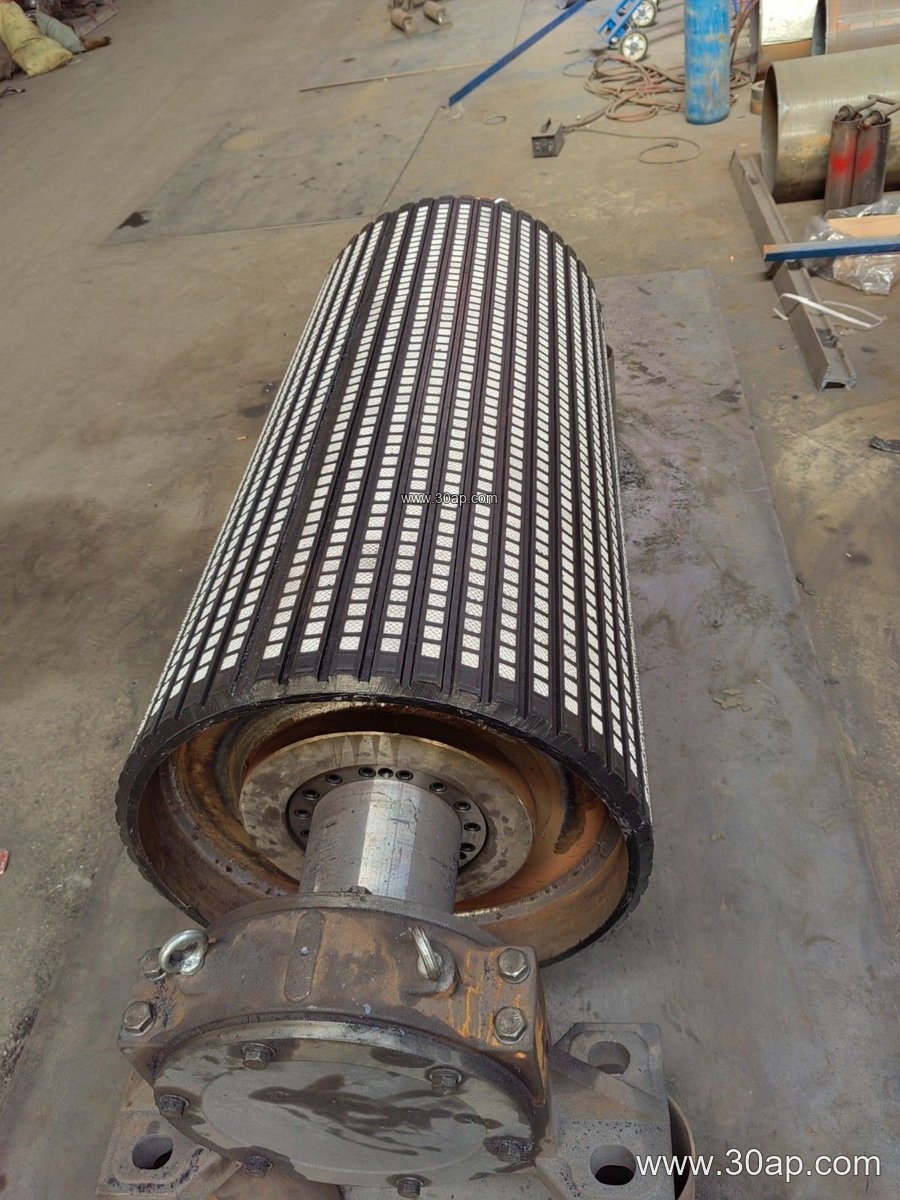
These pulleys are built around a robust steel shell, welded to end discs and a central shaft. The shaft is sized by torque and radial load, not by belt width alone; common shaft diameters range from Ø50 to Ø200 mm depending on design. The shell surface may be plain, rubber-lagged, or ceramic-lagged to improve grip. Lagging thickness is frequently 8, 10, 12, 15, or 20 mm. Bearings are mounted in pillow blocks or flanged housings, and the pulley is supported by conveyor brackets that tie into the conveyor frame.
Where Large Conveyor Pulleys Are Used
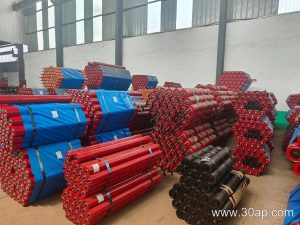
You will find them in primary crushing circuits at a limestone mine, in the head drive of an overland conveyor at a power plant coal yard, and in the tail position of a ship loading system at a port. They are also common in cement plant clinker lines and aggregate plants where wide belts carry heavy loads. In these settings, the pulley works together with the conveyor belt, idler rollers, and supporting structure to keep material moving reliably.
Matching Pulley to Belt and Load
Selection starts with the belt type and tension. A steel cord conveyor belt or a heavy-duty fabric core belt such as EP200 or NN300 may require a larger diameter pulley to reduce bending stress. The table below shows common combinations, but these are examples only; actual diameter is determined by belt tension, shaft load, and space constraints.
| Belt Width (mm) | Typical Pulley Face Width (mm) | Example Diameter (mm) | Common Lagging |
|---|---|---|---|
| B800 | 950 | Ø500 | Rubber, 10 mm |
| B1000 | 1150 | Ø630 | Diamond rubber, 12 mm |
| B1200 | 1400 | Ø800 | Ceramic, 15 mm |
| B1400 | 1600 | Ø1000 | Plain or rubber, 10 mm |
| B1600 | 1800 | Ø1250 | Rubber, 15 mm |
Note that a B1200 belt might use a Ø1000 pulley in one plant and a Ø800 in another, depending on the drive power and belt rating. Do not assume a fixed pairing.
Surface Options and Their Role
Lagging helps transfer torque and protect the shell. Diamond rubber lagging is common on drive pulleys in aggregate and mining conveyor belts to shed material and improve grip. Ceramic lagging is chosen for high-torque drives in iron ore or copper ore operations. Plain steel is acceptable for non-drive bend or tail pulleys where slip is not a concern. For cold climates, a rubber lagging that remains flexible can be beneficial, but always confirm with the pulley manufacturer.
Buyer Checklist
- Confirm the belt width and belt type (e.g., EP conveyor belt, steel cord, or flame retardant for underground coal mining).
- Provide the maximum belt tension and shaft load so the pulley diameter and shaft size can be calculated.
- Specify the pulley position: drive, tail, bend, or take-up. These are not interchangeable, and each has different design requirements.
- State the environment: dusty quarry, wet wash plant, or corrosive fertilizer line. This affects lagging and bearing seals.
- Check that the pulley face width is wider than the belt, for example B800 with about 950 mm face.
- Ask for the balancing grade and runout tolerance if the pulley will operate at high speed.
For a large conveyor pulley, reliable performance comes from correct sizing and proper integration with the conveyor belt, idler rollers, and brackets. Work with your supplier to match the pulley to the actual duty, not just the belt width.