What a Ceramic Pulley Is and Why It Matters
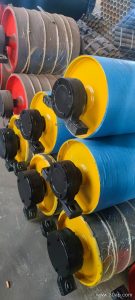
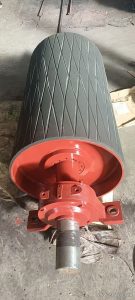
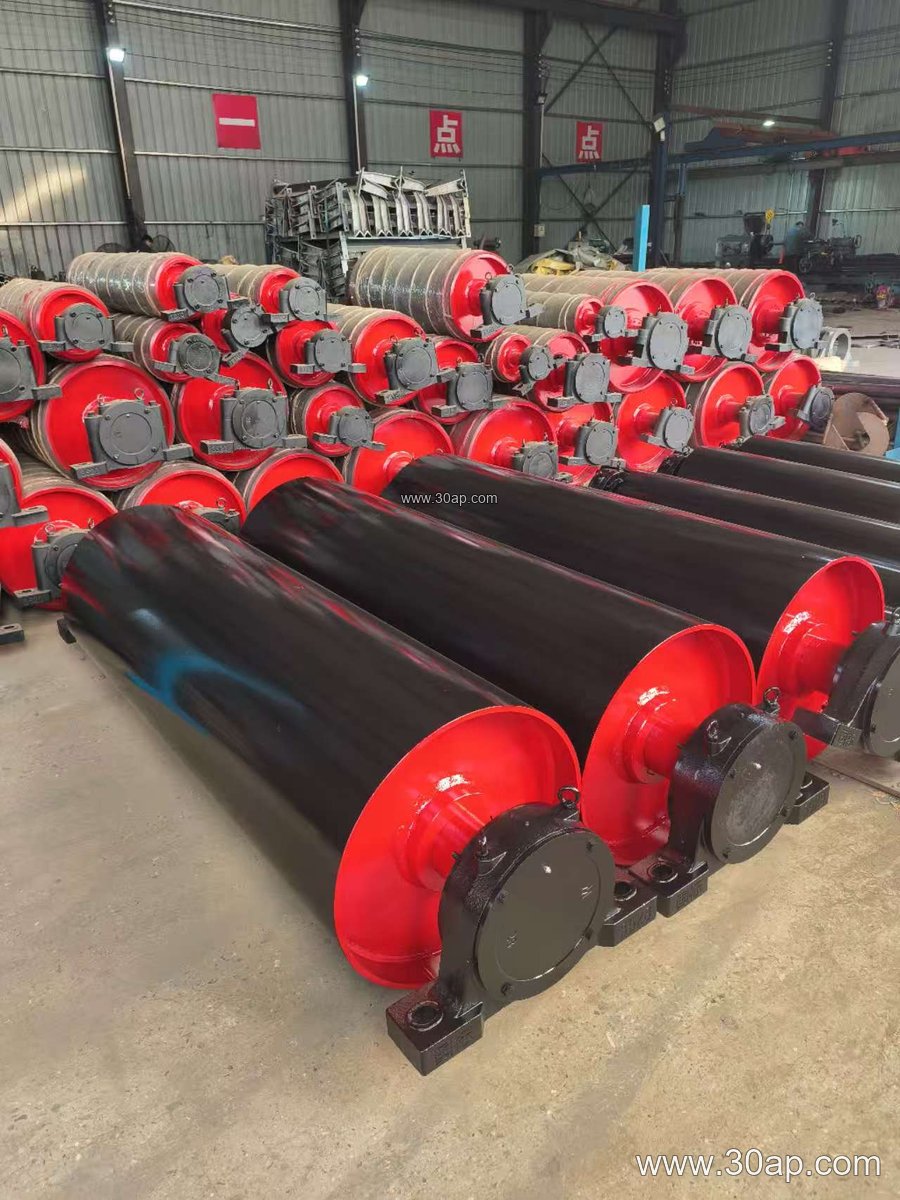
A ceramic pulley is a conveyor pulley whose shell is fitted with ceramic tiles, usually embedded in a rubber or epoxy matrix, to create a wear-resistant grip surface. It is an evolution of the rubber-lagged pulley, designed for drives where slip, buildup, and abrasion shorten belt and lagging life. In a quarry or a coal washing plant, a standard rubber lagging may polish and lose traction; the ceramic version keeps a textured face that bites into the belt cover and sheds fines. This makes the ceramic pulley a practical choice for head drives, bend positions, and tension drums where steady torque transfer is critical. It is not a replacement for a tail pulley or a bend pulley in name—those are distinct positions—but the ceramic surface can be applied to drive pulleys and other drums where slip control is the main concern.
How the Ceramic Surface Is Built
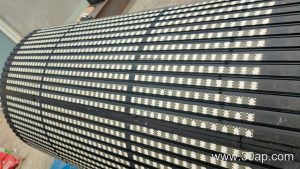
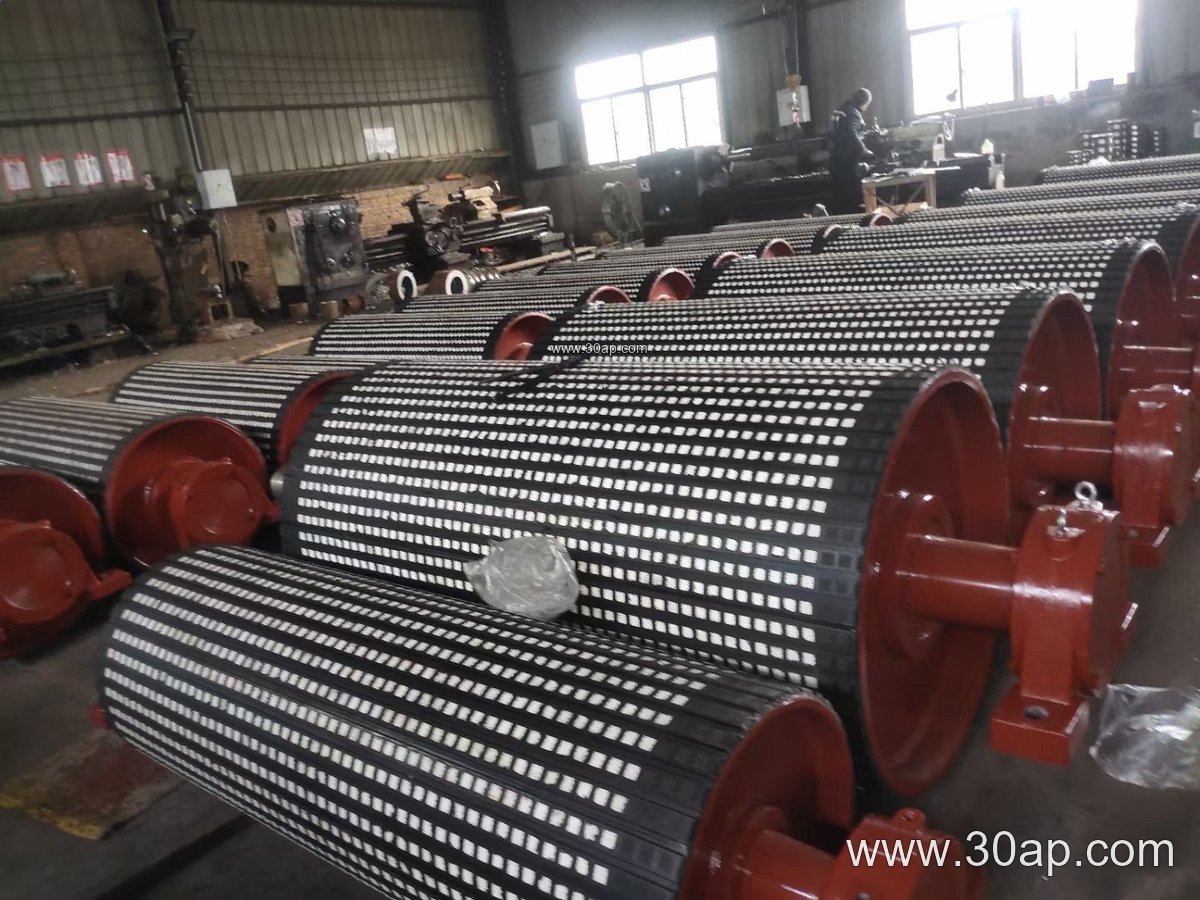
The typical construction starts with a steel shell, machined and balanced, then coated with a bonding layer. Ceramic tiles—often alumina-based—are set in a pattern with small gaps between them. The gaps and the tile surface create a high-friction interface that works well with fabric-core and steel-cord belts. Common tile shapes include squares, rectangles, and dimpled studs; the pattern is chosen to match the belt cover and the material being conveyed. Bonding thickness is usually in the range of 8 to 20 mm, and the assembly is cured so the tiles stay locked in place under load. A ceramic pulley is not simply a pulley with a rough surface; the tile pattern, bond strength, and shell balance all affect belt tracking and bearing life.
Where Ceramic Pulleys Are Used
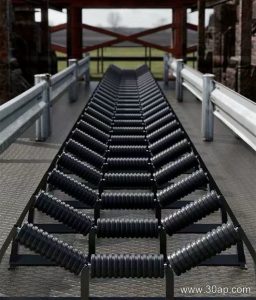
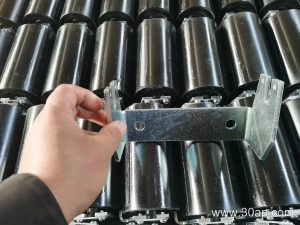
You will see ceramic pulleys in bulk handling where moisture, dust, or oily fines reduce friction. In a limestone mine, the head pulley on a primary conveyor may use a ceramic face to avoid slip during startup with a loaded belt. In a cement plant, clinker and raw meal conveyors benefit from the abrasion resistance of the tiles. Power plant coal handling and port bulk terminals also use them on drive positions where a rubber lagging would wear quickly. They pair naturally with abrasion-resistant conveyor belts and heavy-duty mining conveyor belts, and they work alongside conveyor idler rollers and conveyor brackets without changing the basic conveyor layout. A ceramic pulley is also found on tension drums and bend positions that see high wrap angles and constant flexing.
Matching the Pulley to the Belt and the Duty
Selection starts with the belt width and the required torque, not with a fixed table. Common shell widths are slightly wider than the belt: for example, a B800 belt often runs on a pulley face around 950 mm, while a B1200 belt may use a face near 1400 mm. Diameters are chosen by shaft load and belt tension; a B800 conveyor might use a Ø500 pulley, while a B1400 drive could use Ø800 or larger. Shaft diameter is determined by torque and bearing selection—common sizes include Ø80, Ø100, Ø120, and Ø140—but never assume a shaft size from belt width alone. The table below shows representative combinations; they are reference points, not universal rules.
| Belt Width | Typical Pulley Face | Common Diameter Range | Typical Application |
|---|---|---|---|
| B650 | ≈750 mm | Ø315–Ø500 | Aggregate, small quarry |
| B800 | ≈950 mm | Ø400–Ø630 | Cement plant, coal yard |
| B1000 | ≈1150 mm | Ø500–Ø800 | Power plant, iron ore |
| B1200 | ≈1400 mm | Ø630–Ø1000 | Port bulk, copper ore |
| B1400 | ≈1600 mm | Ø800–Ø1250 | Heavy mining, primary crushing |
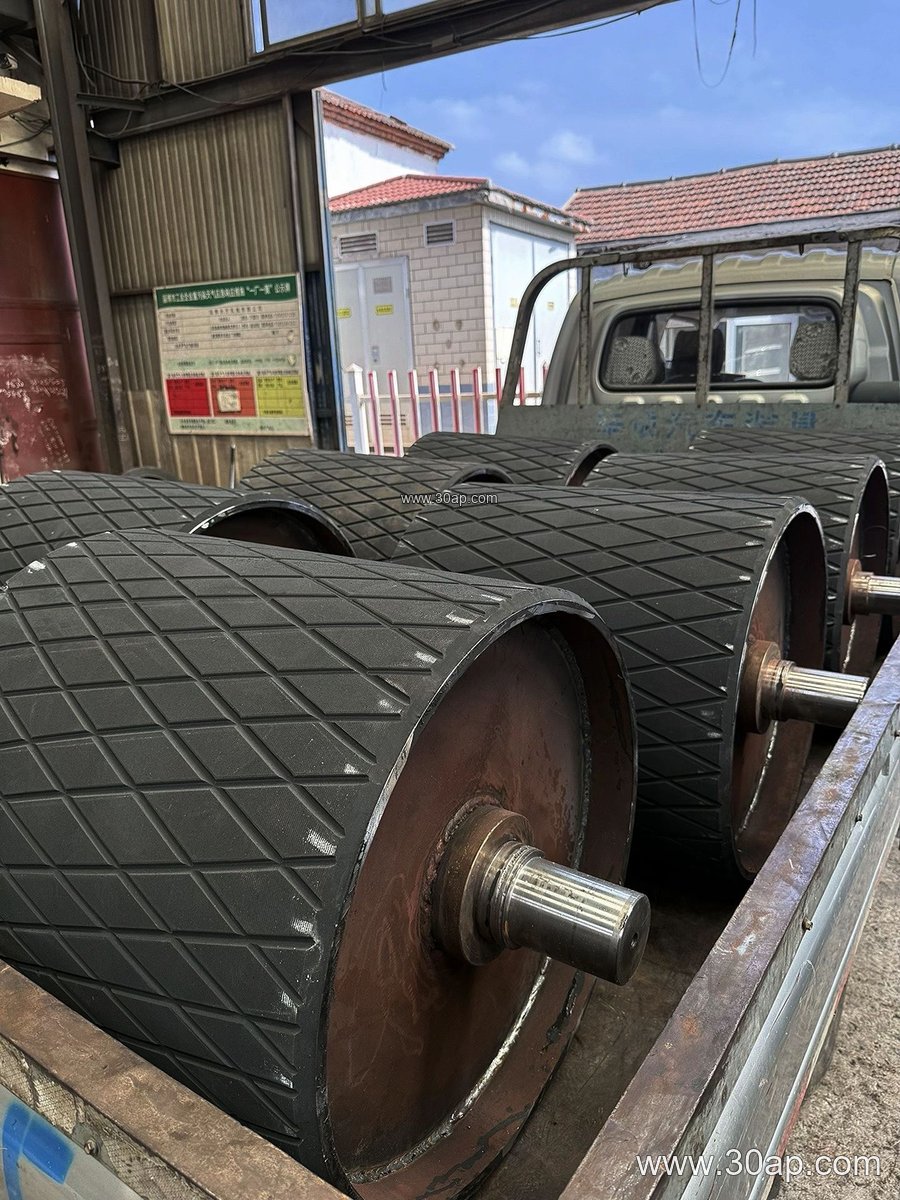
Surface form matters too: a ceramic pulley may use a plain tile layout or a patterned arrangement, and the bond thickness is often specified as 8, 10, 12, 15, or 20 mm. The ceramic face is usually applied to drive pulleys and tension pulleys, while a tail pulley or bend pulley may keep a rubber or plain face if slip is not the issue. Do not confuse a ceramic pulley with a wing pulley or an electric drum—those are different constructions for different jobs.
Buyer Checklist for Ceramic Pulleys
- Confirm the belt width and the actual pulley face width; the face is normally wider than the belt.
- State the duty: drive, tension, or bend. A ceramic pulley on a drive position needs a bond and tile pattern suited to torque, while a bend position may see more flexing.
- Provide the belt type—EP conveyor belt, NN conveyor belt, or steel cord conveyor belt—so the lagging grip matches the belt cover.
- Check the shaft diameter and bearing size based on calculated load, not on belt width alone.
- Ask for the tile pattern and bond thickness if the conveyor handles wet, oily, or abrasive material.
- Consider the environment: a flame retardant conveyor belt in a coal mine may require a ceramic pulley with compatible static properties, while a heat resistant conveyor belt in a cement kiln area needs attention to bond temperature limits.
For a reliable ceramic pulley, match the surface to the belt and the position, and keep the specification open to design calculation rather than a fixed size chart. Whether the plant is a sand and gravel line, a fertilizer warehouse, or a tunnel muck conveyor, the ceramic pulley earns its place where traction and wear life matter more than a plain steel face.