What a Thick Conveyor Belt Is
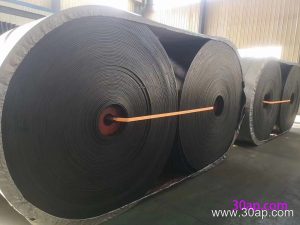
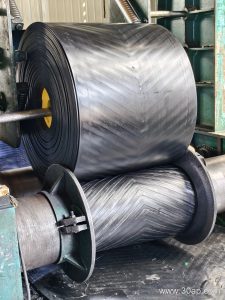
A thick conveyor belt is a heavy-duty belt with increased overall thickness, typically achieved through thicker cover rubber, more fabric plies, or a steel cord carcass. It is designed for high-impact, high-abrasion, and high-load applications where standard belts would wear out quickly. In industries such as mining, coal preparation, cement, power plants, and quarrying, this belt keeps material moving reliably under harsh conditions. For example, a high abrasion resistant conveyor belt in a primary crusher discharge often uses a thick top cover to absorb impact from large lumps.
Construction and Key Components
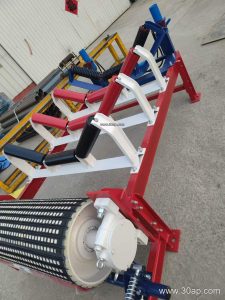
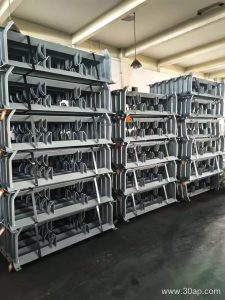
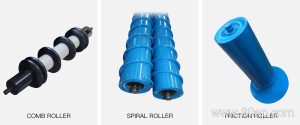
The thickness comes from two main parts: the carcass and the covers. The carcass may be multi-ply fabric (EP or NN), steel cord, or solid woven PVC/PVG. Cover rubber thickness is specified as top + bottom, such as 6+2 mm or 8+3 mm. A thick belt often pairs with robust conveyor pulleys, impact idler rollers, and heavy-duty conveyor brackets to handle the extra weight and tension.
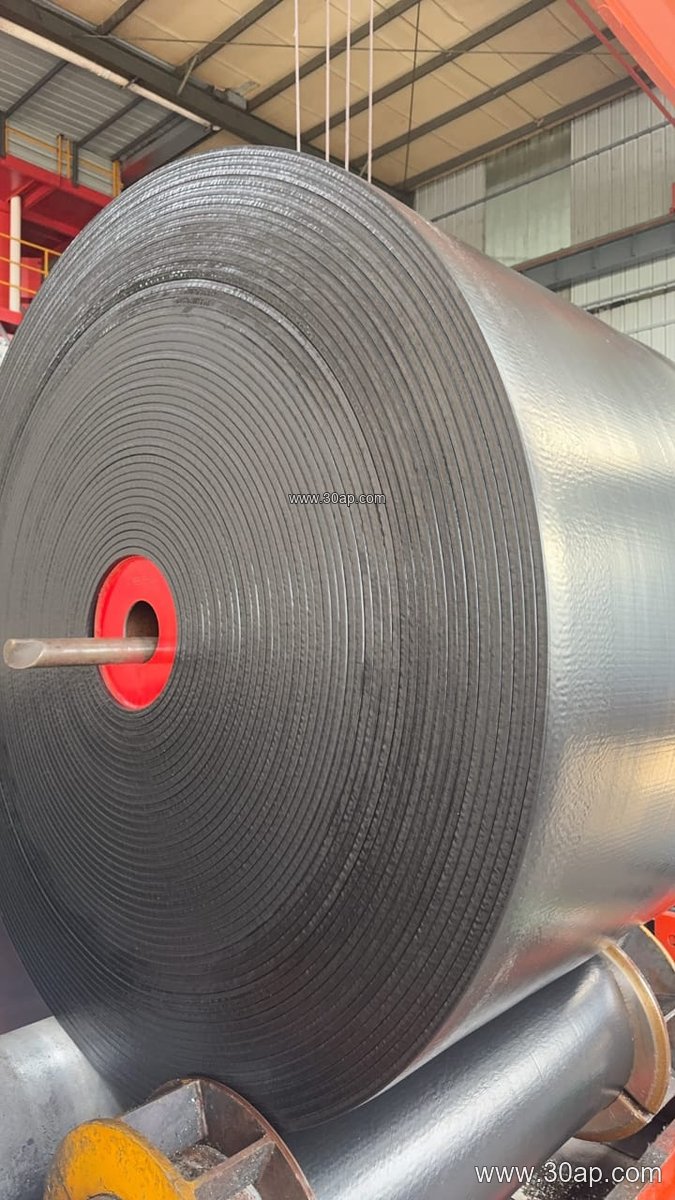
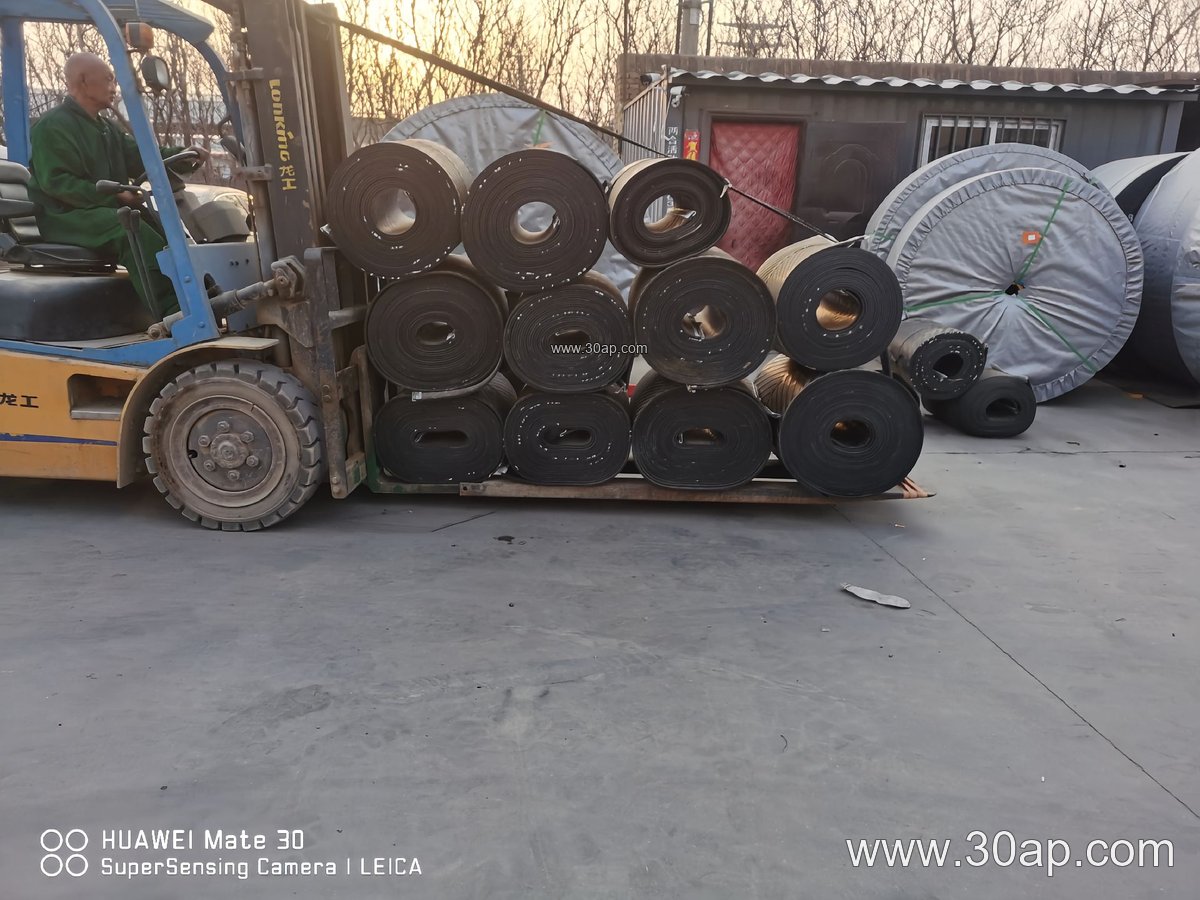
- Carcass types: EP conveyor belt (polyester-nylon), NN conveyor belt (nylon-nylon), steel cord conveyor belt, and solid woven PVG conveyor belt.
- Cover grades: abrasion resistant, heat resistant, oil resistant, flame retardant, anti-static, and cold resistant.
- Thickness build-up: more plies or thicker covers increase belt weight and stiffness.
Common Specifications and Sizes
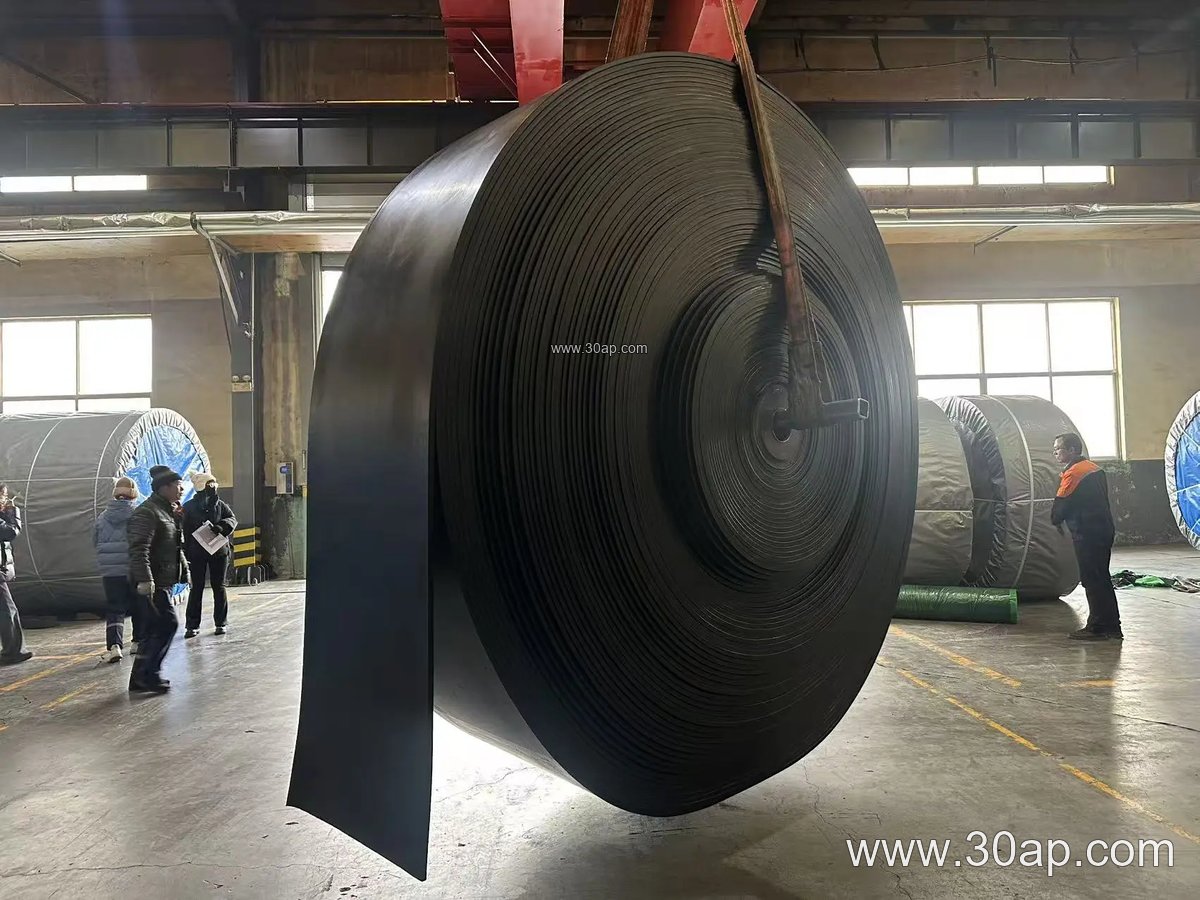
Thick belts are available in a range of strengths and widths. The table below shows typical reference values; actual supply depends on design requirements.
| Property | Common range |
|---|---|
| Belt width | B500, B650, B800, B1000, B1200, B1400, B1600, B1800, B2000 |
| EP strength | EP200, EP315, EP400, EP500, EP630, EP800, EP1000, EP1250, EP1600, EP2000 |
| Steel cord strength | ST1000, ST1250, ST1600, ST2000, ST2500, ST3150 |
| Cover thickness (top+bottom) | 3+1.5, 4+2, 5+2, 6+2, 8+3 mm |
| Number of fabric plies | 2 to 6 (or more for special designs) |
For instance, an EP1000 1200mm conveyor belt with 6+2 mm covers is often used in aggregate plants, while a steel cord ST2000 belt may be chosen for long overland conveyors in mining.
Where Thick Belts Are Used
These belts excel in primary and secondary crushing circuits, ship loading, stackers, and high-tonnage transport. In coal mining, a flame retardant thick belt with anti-static properties is common for underground mining conveyor systems. Cement plants use heat resistant variants near kilns. Power plants rely on abrasion resistant belts for coal and limestone handling. Quarries and sand making plants prefer thick EP or NN belts to withstand sharp rock edges. The extra thickness also improves resistance to cutting and gouging, extending service life in recycling and construction debris applications.
Selection and Maintenance Tips
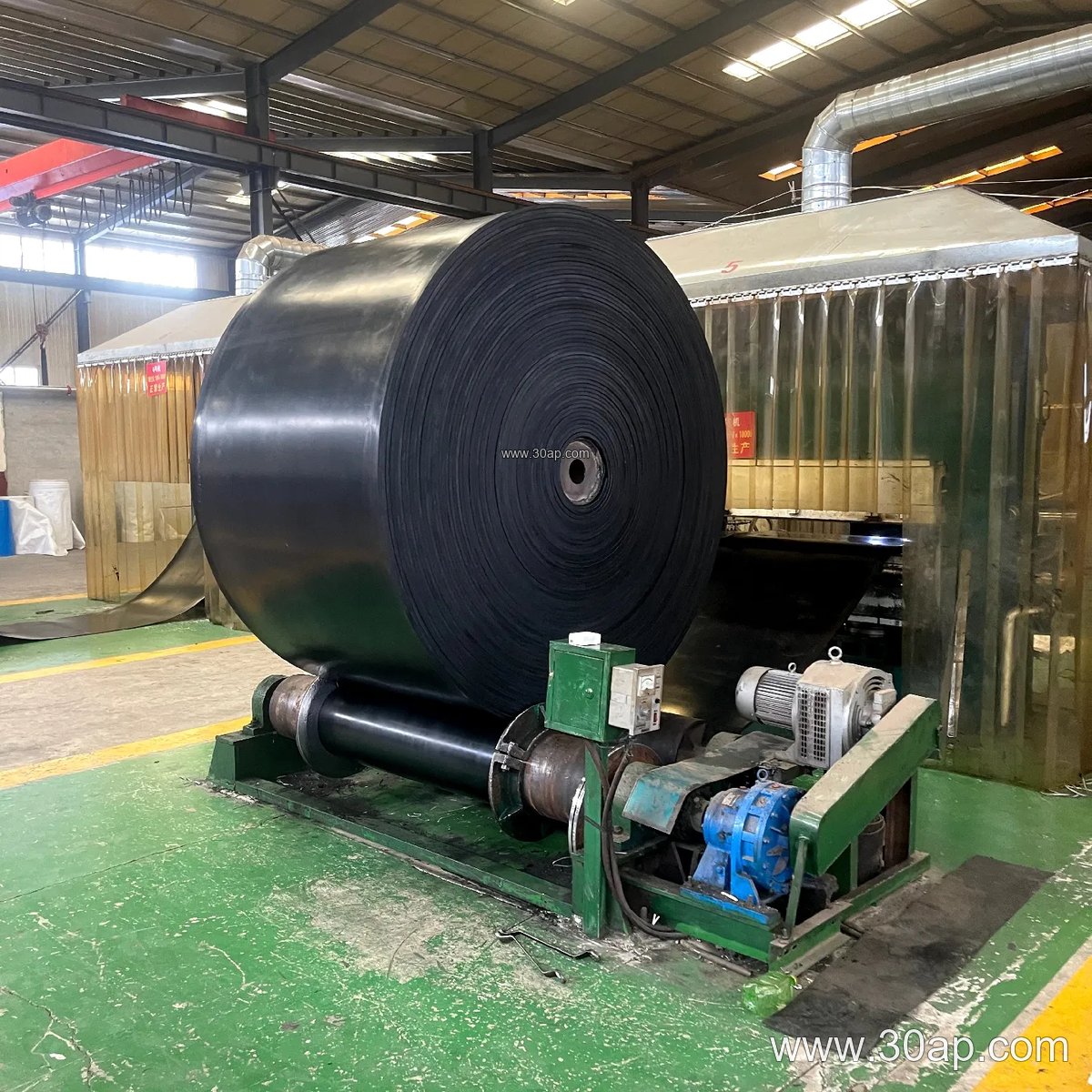
Choosing the right thick conveyor belt involves matching belt strength and cover grade to the material and environment. Consider impact energy, lump size, and loading frequency. A thicker cover helps with impact but adds weight, so check pulley and idler roller load ratings. Ensure conveyor pulleys are sized for the belt tension, and use impact idlers at transfer points. Keep belt tracking aligned and avoid material buildup on conveyor brackets. For hot materials, specify a heat resistant grade; for oily loads, an oil resistant cover prevents swelling. Regular inspection of splices and edges is important because thick belts are stiff and may require longer take-up travel.
When sourcing, confirm the carcass type, strength, cover thickness, and width. For example, an EP conveyor belt 10mm thick might be a 4-ply EP200 with 6+2 covers, while a steel cord belt of similar thickness would have a very different tension rating. Always request the manufacturer’s data sheet for the specific design.