What a Conveyor Bracket Assembly Does
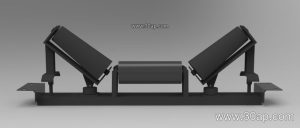
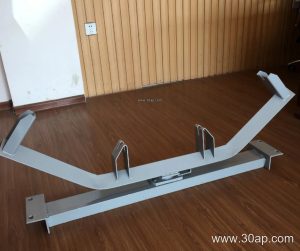
A conveyor bracket assembly is the structural interface between the conveyor frame and the idler rollers that carry the belt. It holds each roller at the correct height, angle, and spacing so the belt tracks smoothly under load. In a typical troughing section, the assembly consists of a crossbeam, mounting plates, and angled supports that position three idlers in a trough shape. The same basic idea applies to return-side brackets, transition brackets, and self-aligning brackets, each shaped around a specific job on the conveyor line.
Because the bracket carries the weight of the belt and material, its geometry directly affects belt life. A poorly aligned bracket can cause edge wear, mistracking, and premature roller failure. That is why buyers often treat the bracket assembly as a wear part rather than a one-time frame accessory.
How the Assembly Is Built
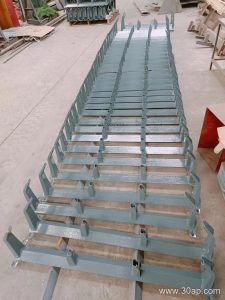
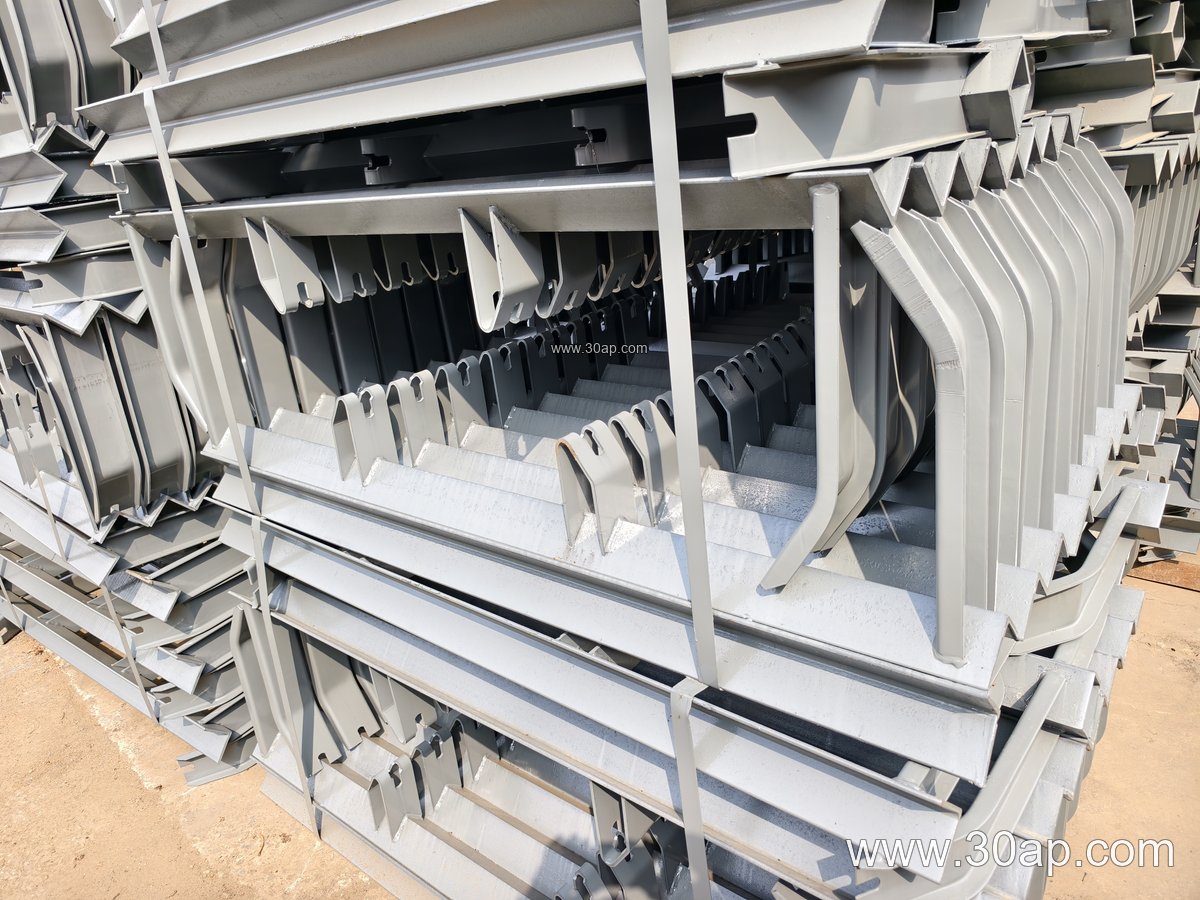
Most assemblies are fabricated from angle steel, channel steel, or folded steel plate. The crossbeam length and mounting hole spacing are determined by belt width, trough angle, and the roller diameter used in the design. Common belt widths range from B500 to B2200, and typical roller diameters include Ø89, Ø108, Ø133, Ø159, and Ø194. Trough angles are usually 20, 30, 35, or 45 degrees, with adjustable brackets allowing change between these angles on site.
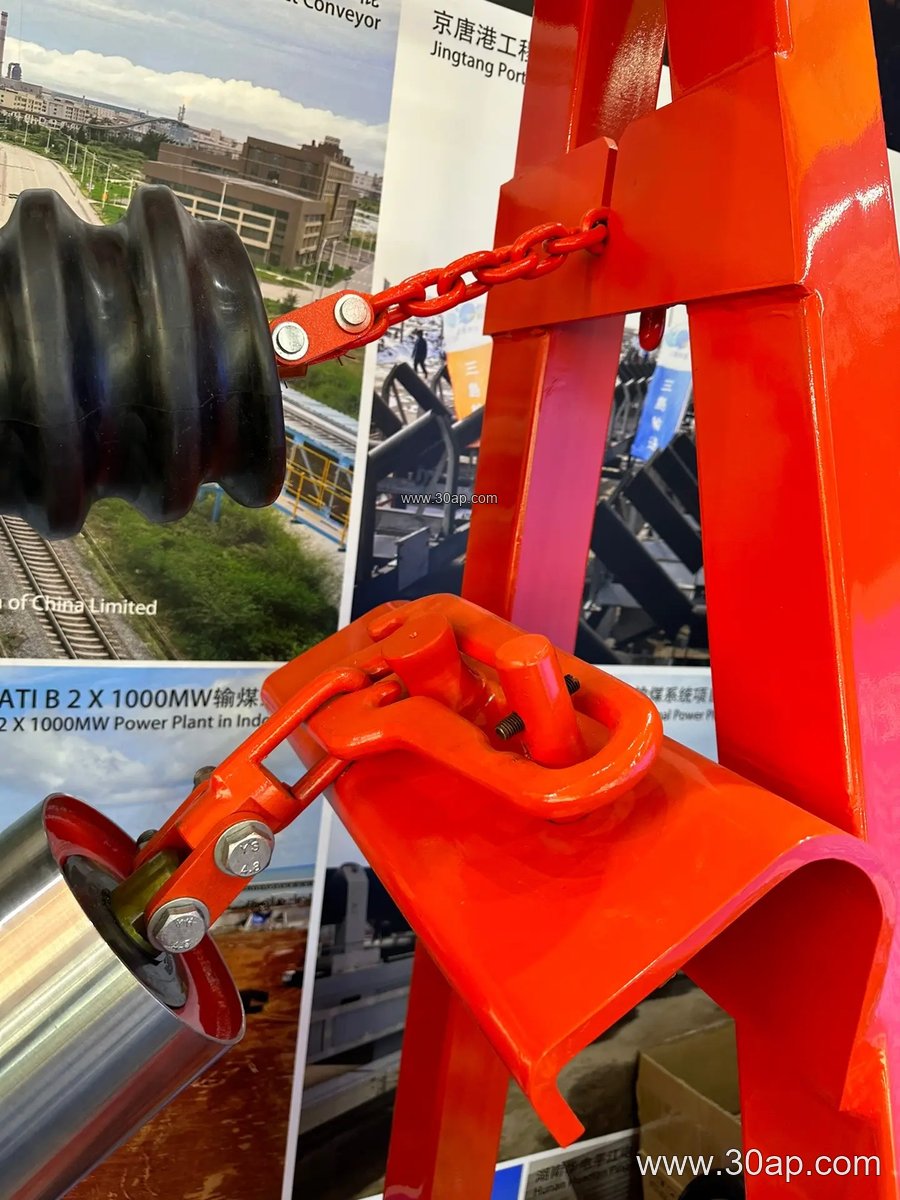
Fabrication quality matters as much as material choice. Welds should be clean and consistent, mounting slots should be square, and painted or galvanized surfaces should resist corrosion in wet or dusty conditions. A bracket that is twisted or out of square will push the idlers out of line, and no amount of roller adjustment will fully correct that.
Common Types and Where They Fit
Different positions on the conveyor call for different bracket forms. Troughing brackets support the carrying side, while return brackets hold flat or V-shaped return idlers. Transition brackets sit near pulleys to guide the belt from flat to troughed profile gradually. Impact brackets are reinforced for loading points where material falls onto the belt. Self-aligning brackets are designed to pivot slightly and correct minor mistracking.
- Troughing bracket assembly: supports three-roller trough sections on the carrying side.
- Return bracket assembly: holds return idlers beneath the belt.
- Transition bracket: eases the belt into and out of the trough profile near pulleys.
- Impact bracket: reinforced for high-load transfer points.
- Adjustable bracket: allows trough angle changes within a set range.
Each type is matched to the roller it carries. A return bracket is not a substitute for a troughing bracket, and a bend pulley bracket serves a different purpose again from a drive or tail pulley bracket.
Applications Across Bulk Handling
Conveyor bracket assemblies appear wherever bulk material moves on a belt. In a limestone quarry, they support crusher discharge belts and transfer conveyors. In a coal-fired power plant, they carry coal from stockyard to bunker. In a cement plant, they handle clinker and raw meal. Sand and gravel lines, iron ore operations, and port loading systems all rely on the same basic bracket function, though the duty and corrosion exposure vary.
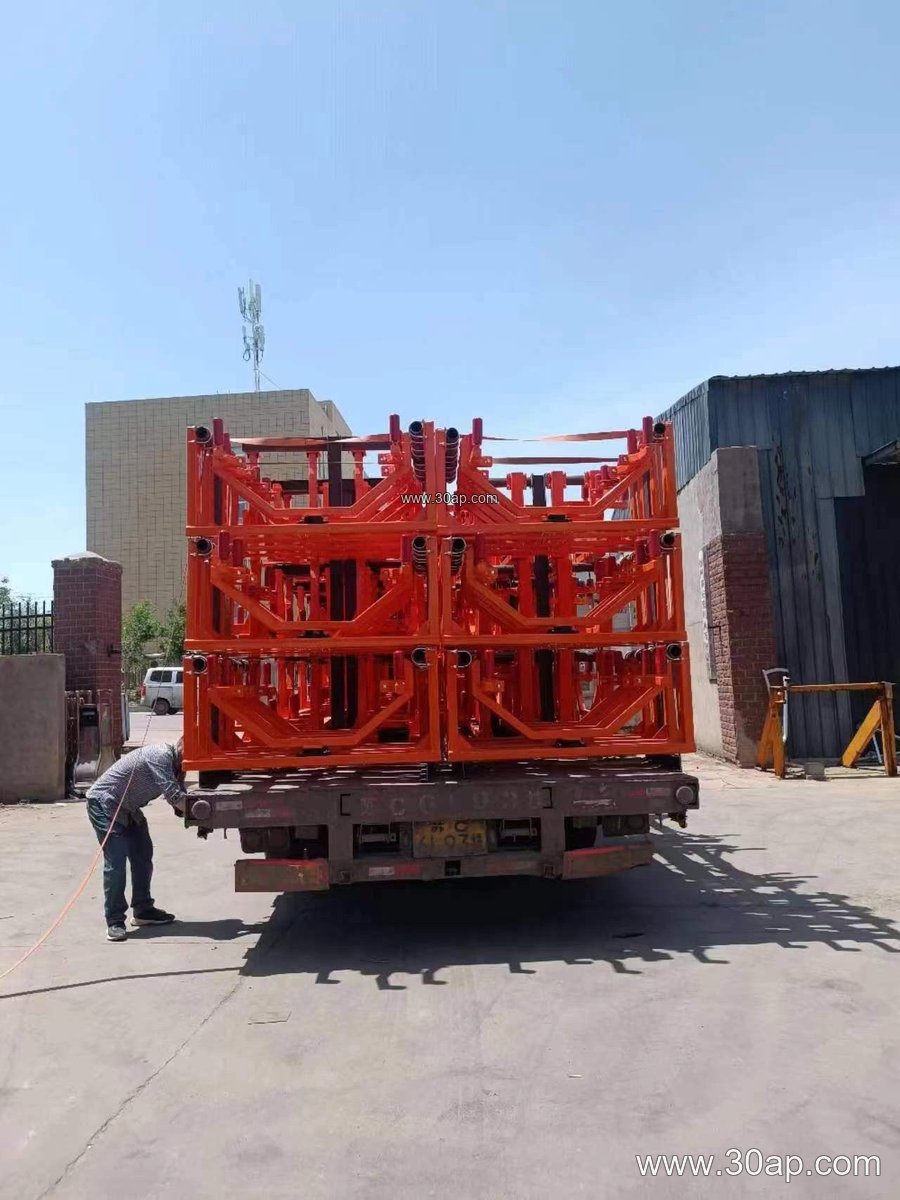
On heavy-duty mining conveyors, brackets may need extra reinforcement to handle large lumps and high belt tensions. In dusty or wet conditions, galvanized or painted finishes help extend service life. The bracket itself does not move material, but it keeps the belt, idlers, and pulleys working as a system.
Selection and Maintenance Notes
When specifying a conveyor bracket assembly, match the bracket to the belt width, trough angle, and roller diameter defined in the conveyor design. For example, a B800 belt with a 35-degree trough and Ø108 rollers uses a different bracket than a B1200 belt with a 45-degree trough and Ø133 rollers. Mounting hole spacing and crossbeam length change with these parameters, so brackets are not interchangeable between sizes.
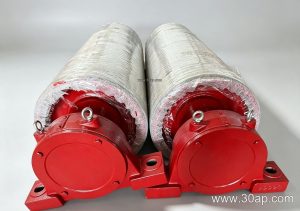
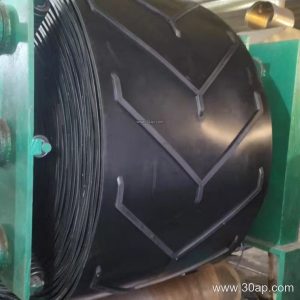
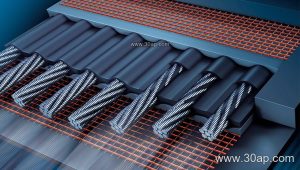
During operation, check brackets for loose bolts, bent supports, and corrosion. Replace any bracket that has lost its shape or alignment. Keeping brackets true helps maintain belt tracking and reduces wear on the conveyor belt, idler roller, and conveyor pulley. For a reliable conveyor bracket assembly, buy from a supplier who can confirm dimensions against your conveyor drawing rather than assuming one size fits all.