What the Idler Bearing Housing Actually Does
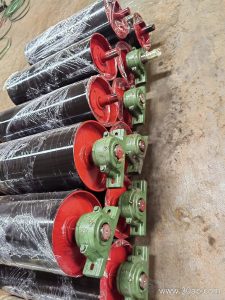
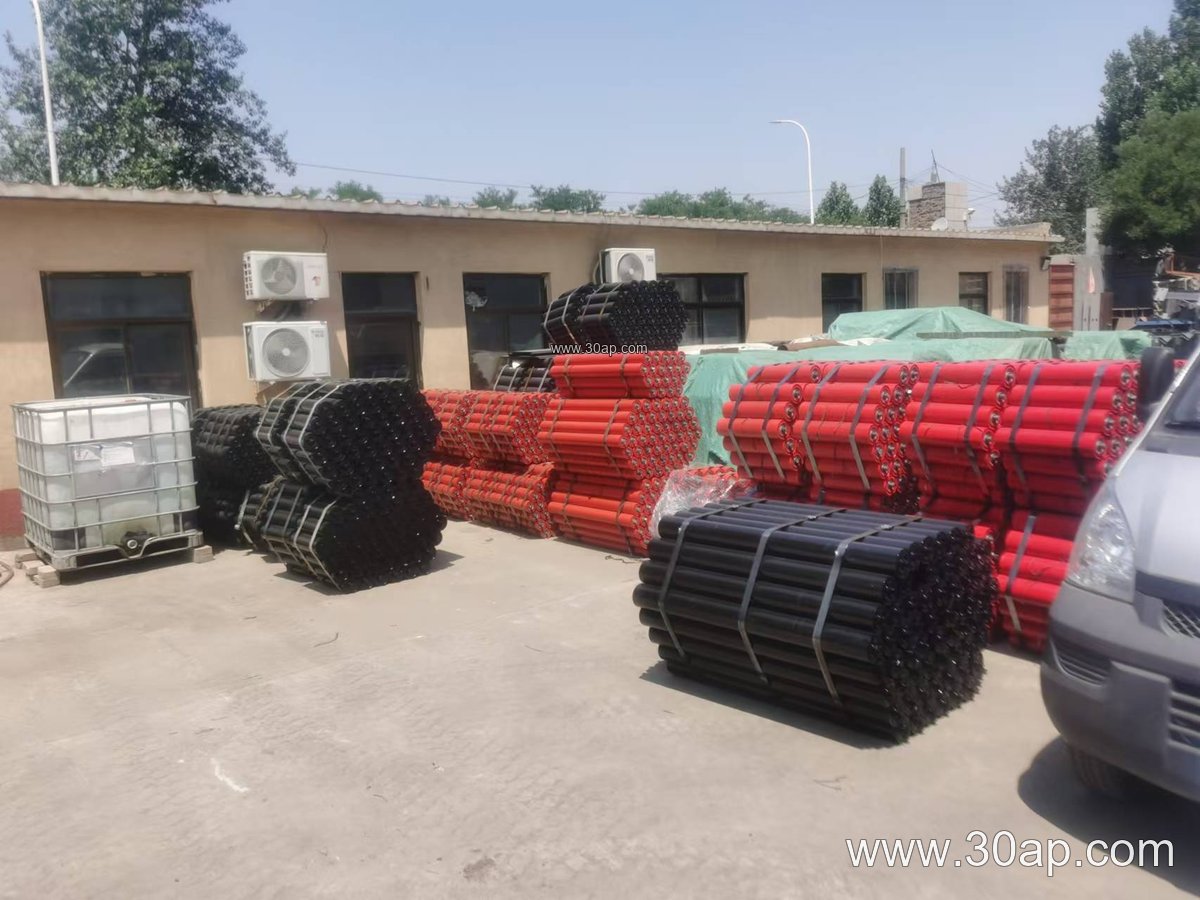
On a belt conveyor, the idler roller looks simple from the outside, yet most failures start at the ends. The idler bearing housing is the machined seat that holds the bearing, locates the shaft, and keeps grease in while dust and water stay out. In a quarry, a cement plant, or a coal handling line, this small component decides how long a roller turns freely before it seizes.
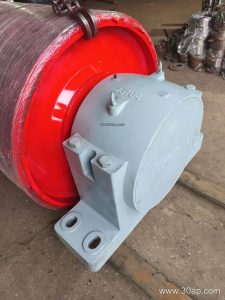
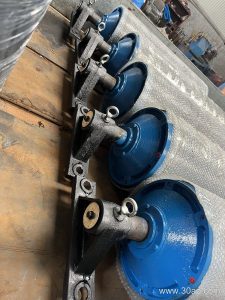
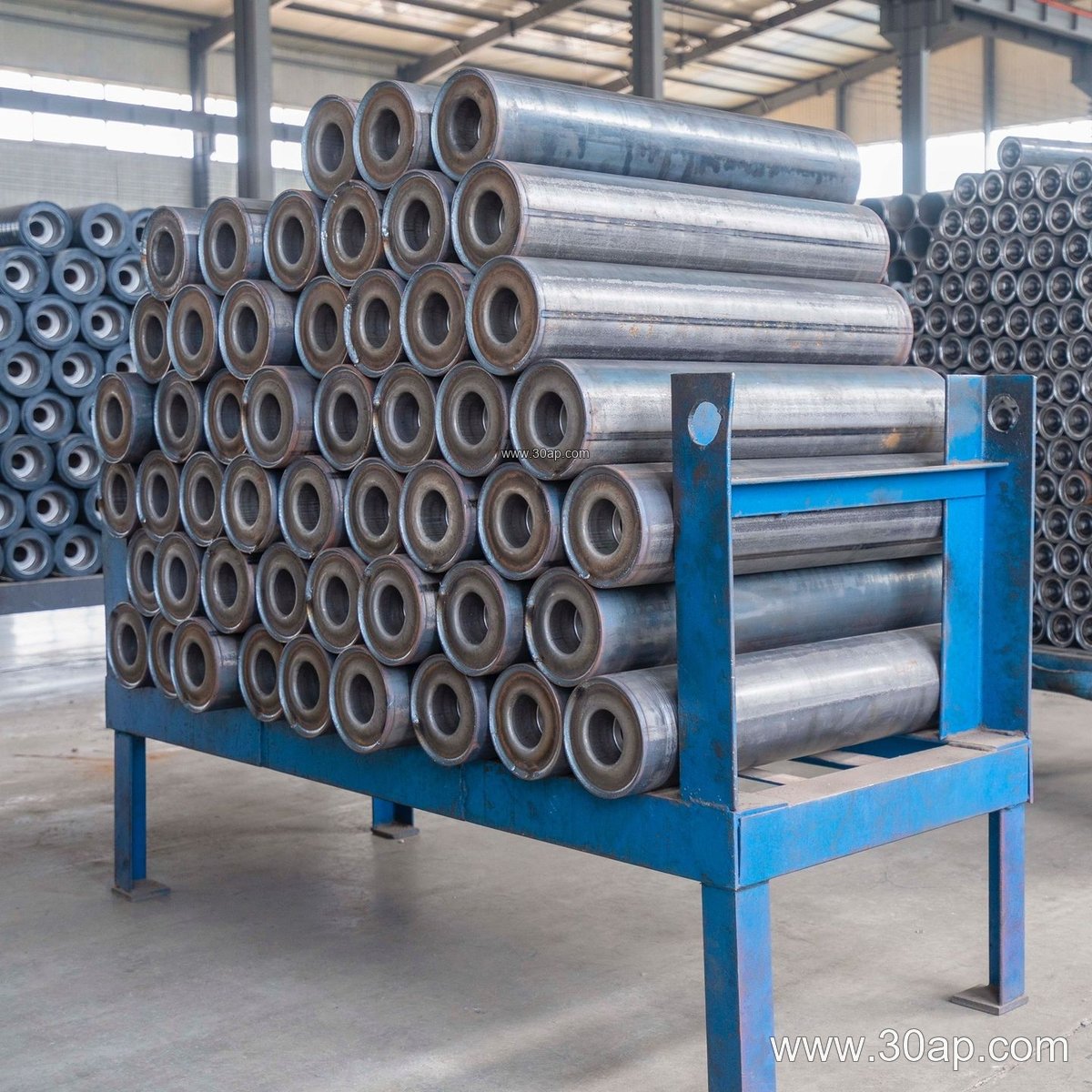
The housing is normally pressed or welded into the roller shell end. Inside it sits a bearing, often a 6204, 6205, 6305, 6306, or 6308 size depending on roll diameter and load, together with a labyrinth or lip seal. A well-made bearing housing for idler roller assemblies keeps the shaft concentric so the roller runs true on every conveyor bracket along the line.
Construction Details That Matter
Most housings are stamped steel, machined steel, or in some designs a reinforced polymer. The bore is finished to hold the bearing outer ring without play, and the shoulder stops the bearing from walking inward. Seal grooves and grease passages are formed at the same time, so alignment between housing and end cap is controlled.
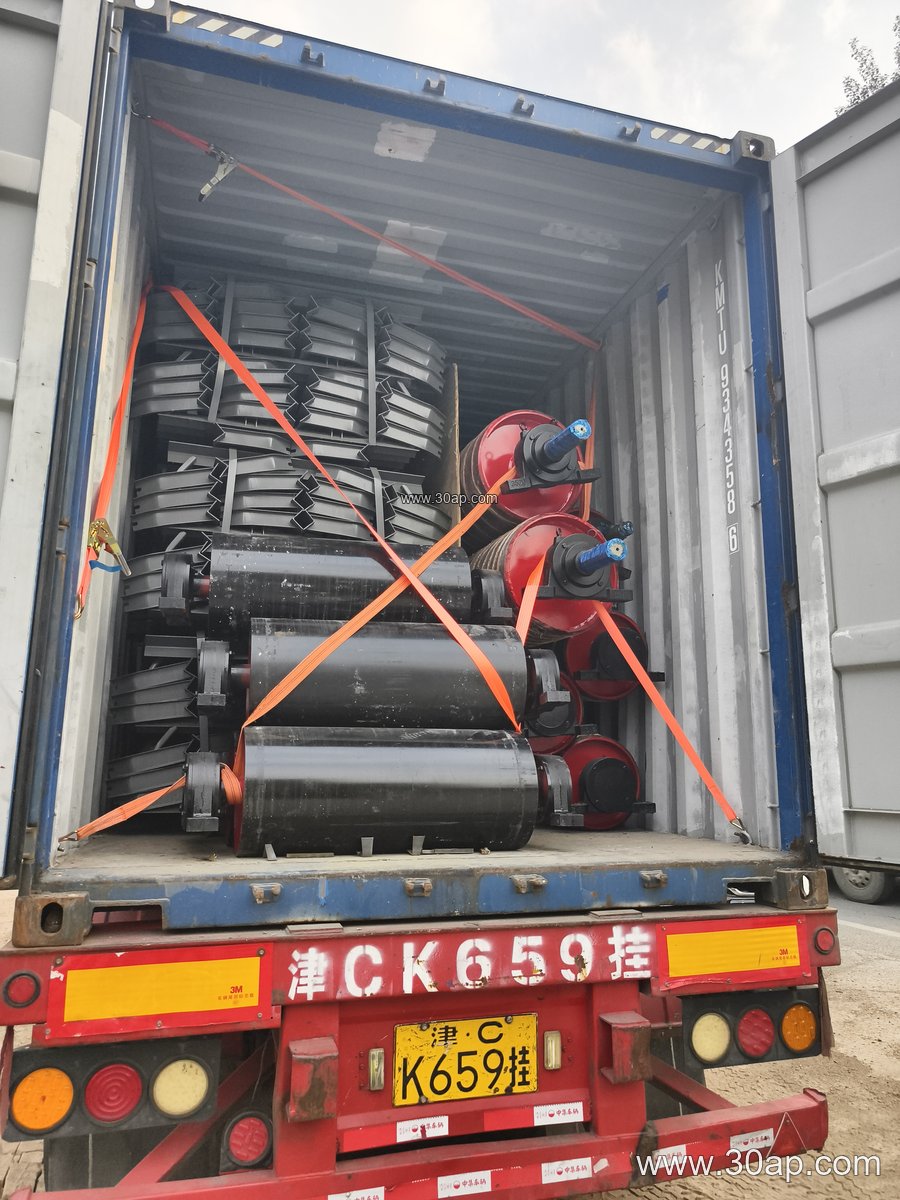
- Bore tolerance and roundness affect noise, vibration, and bearing life
- Seal seat quality decides how well the roller resists fine dust in crushing and screening plants
- Wall thickness and weld quality matter on heavy-duty return positions
- Coating or plating helps in humid port and washdown environments
Because the housing is a press-fit part, the roller shell end must be machined to match. A housing that is slightly loose will spin in the shell; one that is too tight can distort the bearing seat.
Matching the Housing to Roller Diameter and Belt Width
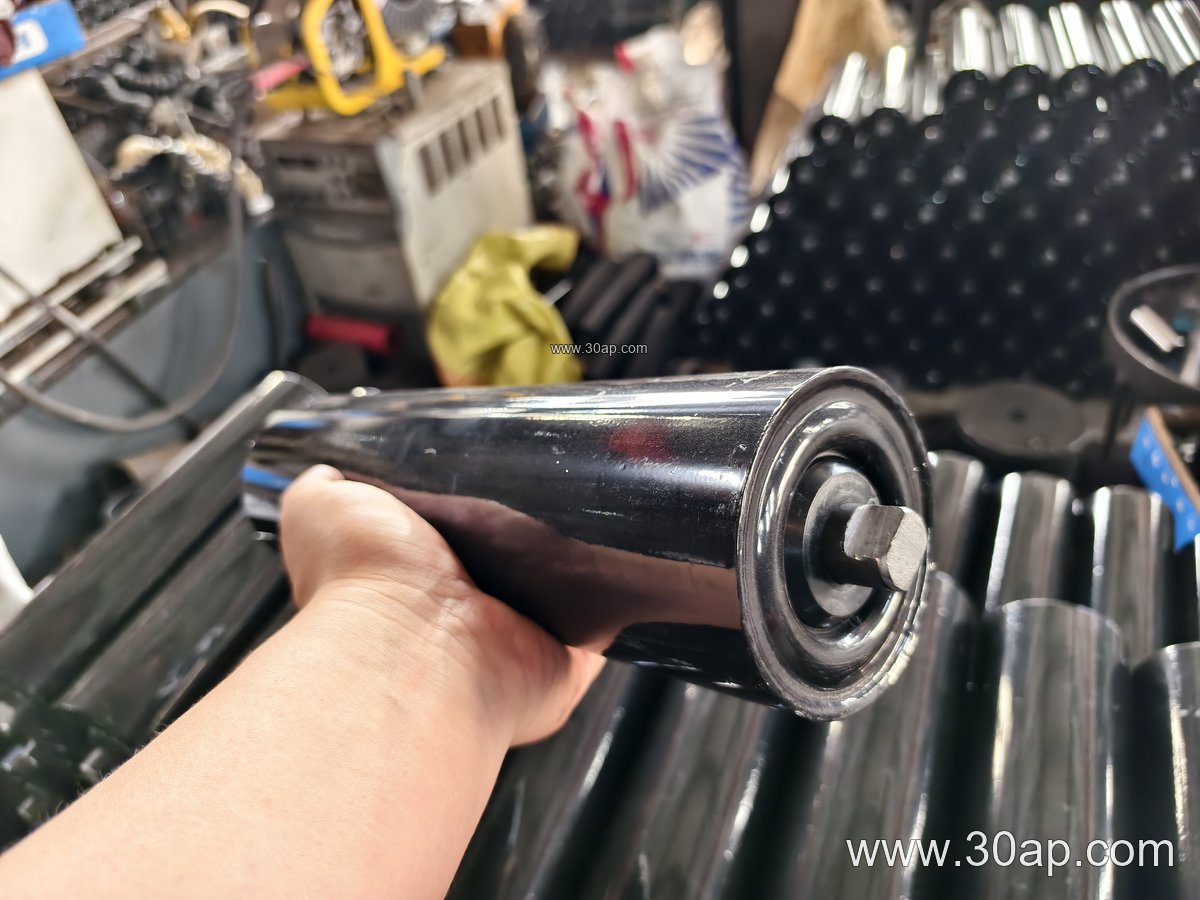
Roll diameter and belt width guide the choice, but they do not fix a single bearing size. Common roll diameters include Ø63, Ø76, Ø89, Ø102, Ø108, Ø127, Ø133, Ø159, Ø178, Ø194, and Ø219 mm, and housings are sized to suit. Belt widths from B400 to B2400 appear across aggregate, power plant, and port conveyors, and roller length changes with trough angle and roll arrangement rather than with a fixed rule.
| Reference item | Typical examples |
|---|---|
| Roll diameter | Ø89, Ø108, Ø127, Ø133, Ø159 mm |
| Bearing size | 6204, 6205, 6305, 6306, 6308 |
| Belt width | B500, B650, B800, B1000, B1200, B1400 |
| Trough angle | 20, 30, 35, 45 degrees |
| Roll surface | Steel tube, nylon, ceramic, rubber ring |
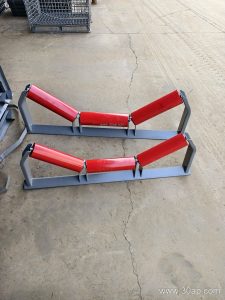
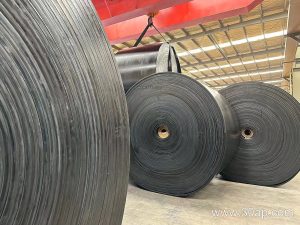
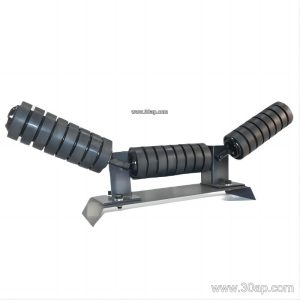
For three-roll troughing sets, common roll lengths are around 200 mm at B500, 250 mm at B650, 315 mm at B800, 380 mm at B1000, and 465 mm at B1200. These are reference examples only; side rolls and center rolls can differ, and the final length is set by design. A 1200mm wide conveyor belt on a heavy-duty mining conveyor belt line may use larger rolls and heavier housings than a 500mm belt on a small transfer point.
Where These Housings Are Used
The same bearing seat appears in troughing idlers, return rollers, impact rolls under a crusher discharge, and self-aligning sets. In an iron ore or copper ore operation, abrasive dust is the main enemy, so seal design and housing fit matter more than appearance. In a cement plant or a power plant coal yard, fine powder and occasional washdown push buyers toward well-sealed housings. Sand and gravel lines and tunnel muck conveyors also punish poorly fitted housings with early seizure.
The housing must suit the belt it serves. An abrasion resistant conveyor belt carrying sharp rock needs rollers that keep turning, and a heat resistant conveyor belt in a sinter or clinker area needs housings that tolerate temperature without losing bearing clearance. Where a flame retardant conveyor belt is required underground, the whole roller assembly, including the bearing housing, should be selected as a matched part by the conveyor designer.
Buyer Checklist
- Confirm roll diameter, bearing number, and housing bore before ordering
- Ask how the seal is arranged and whether grease can be renewed
- Check shell end machining and press-fit method, not just the housing alone
- Match housing material to the environment: dusty, wet, hot, or corrosive
- Keep spare rollers with the same housing so replacements fit existing conveyor brackets
Good maintenance practice is simple: check for seized rolls, listen for squealing bearings, and replace rollers before a stuck roll damages the belt cover. Treat the idler bearing housing as a wear part with a defined service life, and belt downtime in any quarry, mine, or bulk terminal will fall. For more on rollers, belts, and pulleys, visit conveyoridlerpro.com and review the selection notes before the next shutdown.