What a Ø63.5 Conveyor Idler Is
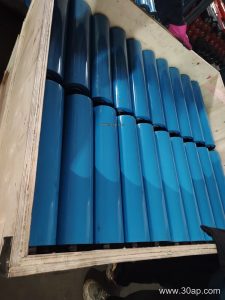
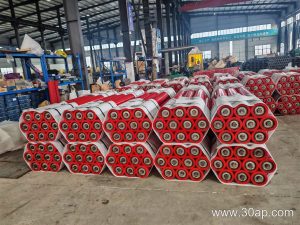
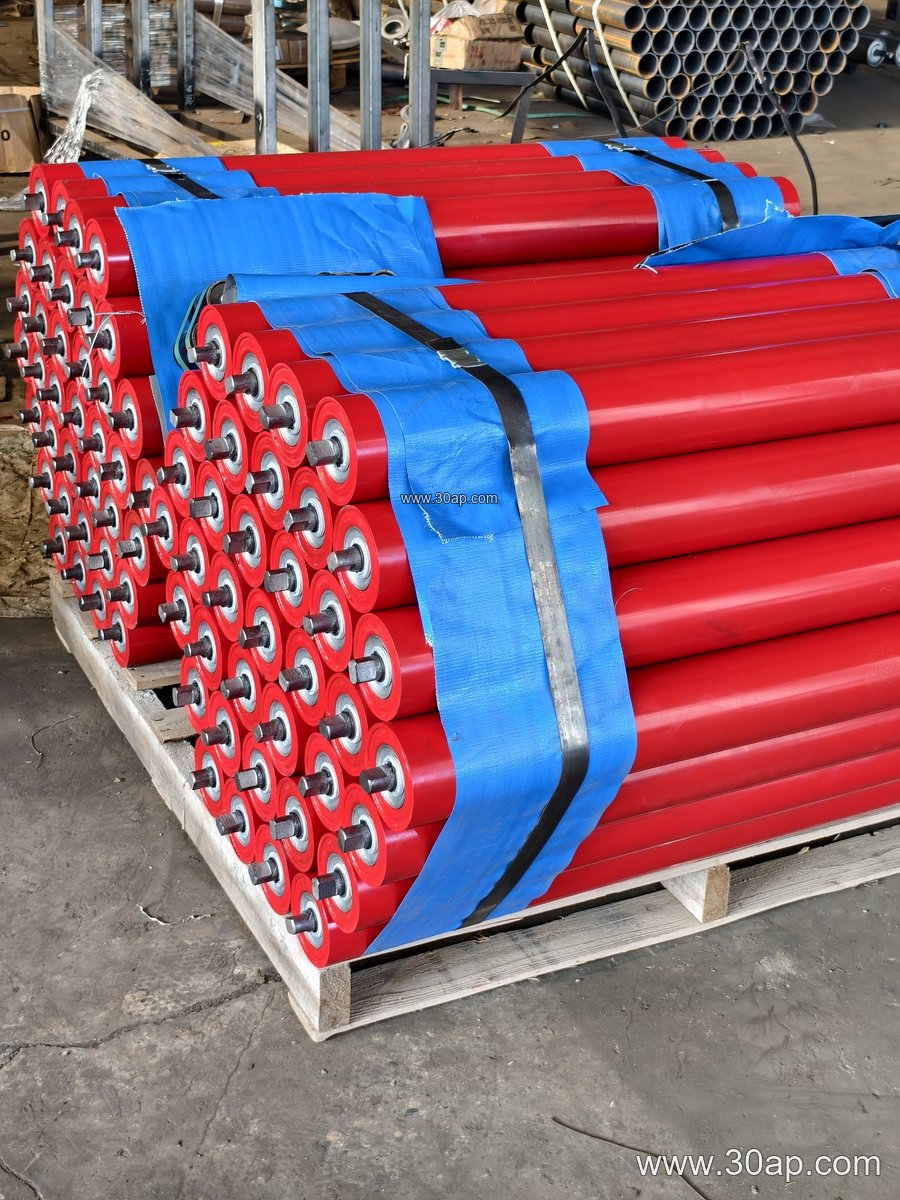
A Ø63.5 conveyor idler is a small-diameter carrying roller used to support the belt on the load side or return side of a conveyor. The figure 63.5 refers to the outside diameter of the roller shell in millimetres, which places it among the smaller idler sizes commonly seen on narrower or lighter-duty conveyors. In many plants it is simply called a 63.5 mm idler roller or a small-diameter belt idler, and it may appear as part of a two-roll or three-roll troughing set, or as a single flat roller on the return run.
Because the roller is compact, it suits lines where belt width and material load are moderate. It is often found on auxiliary conveyors, transfer points, screening decks and short feeder belts rather than on the main haulage line of a large mine. For heavier main lines, larger diameters such as Ø89, Ø108 or Ø127 are more typical, and the choice should follow the belt speed, load and available space rather than habit.
How the Roller Is Built
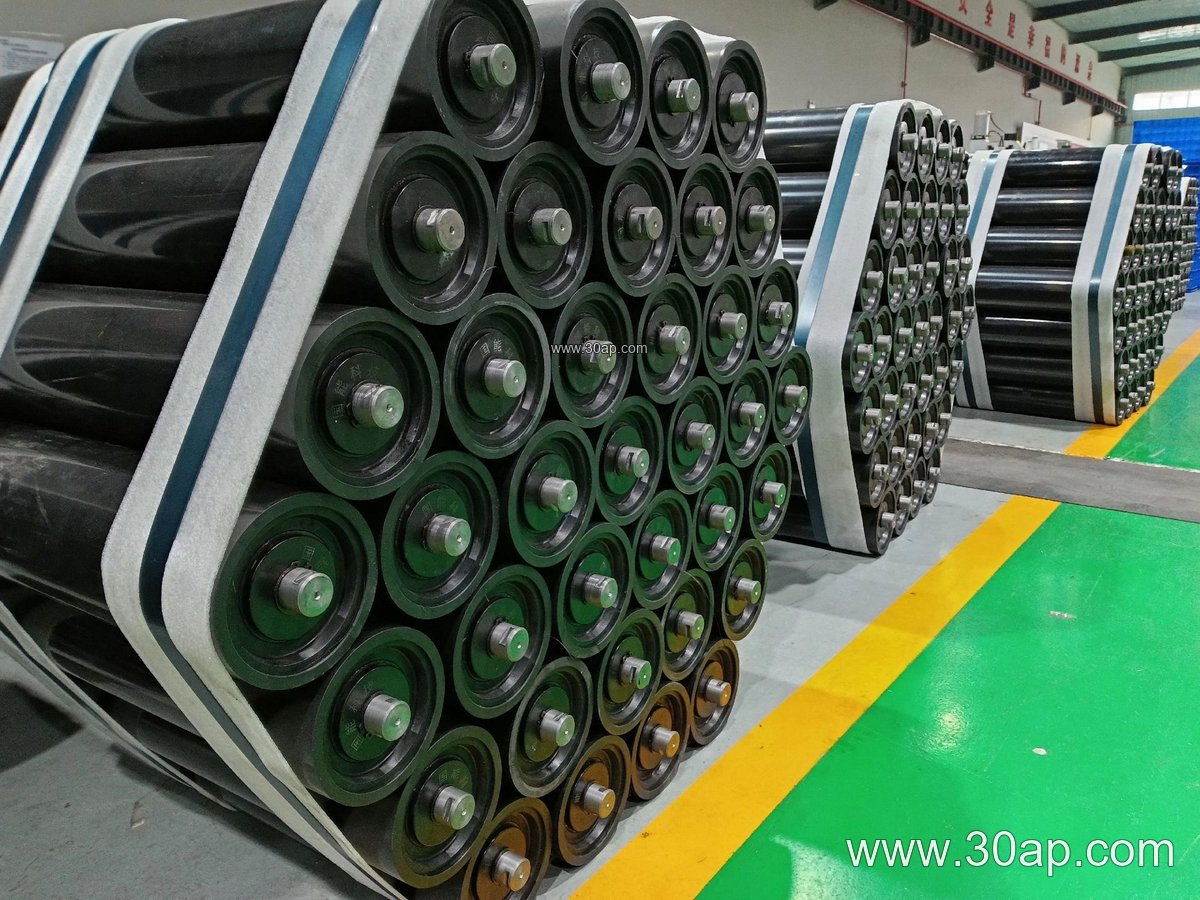
A typical Ø63.5 idler consists of a steel tube shell, two bearing housings pressed into the ends, a through shaft, and a sealing arrangement at each end. The shell surface may be plain steel, nylon-coated, or fitted with rubber rings when impact absorption is needed. Bearings are usually selected from common deep-groove sizes such as 6204, 6205 or 6305, but the bearing number should be confirmed against the actual shaft and housing design rather than assumed from the roller diameter alone.
Sealing matters as much as the tube. Dust, fines and moisture are the main enemies of idler life, so labyrinth seals, felt seals or combined lip-and-labyrinth designs are common. In a quarry or a cement plant, where airborne dust is constant, a well-sealed 63.5 mm roller will usually outlast a cheaper open design, even if the initial cost is slightly higher.
Where It Fits on the Conveyor
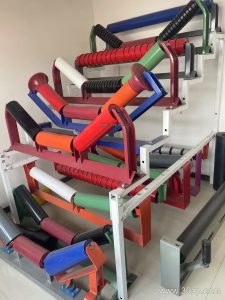
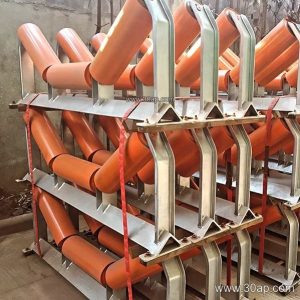
The Ø63.5 conveyor idler is mostly used in troughing sets on belts up to roughly B650 or B800, and in return sets where a flat or V-return arrangement is required. It can also serve as a transition idler near the tail or head, where the belt changes from flat to troughed. In a small aggregate line or a concrete batching plant, these rollers are common on short belts that feed screens, mixers or hoppers.
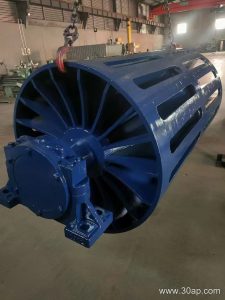
It is not a substitute for a drive pulley, tail pulley or bend pulley. Those are different components with different duties: the drive pulley transmits power, the tail pulley returns the belt, and the bend pulley changes belt direction. An idler roller only supports the belt and the material on it. Confusing the two in a spare-parts list can lead to the wrong item being ordered.
Common Reference Dimensions
The table below gives indicative figures for small idlers. Values are for reference only and should be confirmed against the conveyor design.
| Item | Common Reference | Notes |
|---|---|---|
| Roller diameter | Ø63.5 mm | Small-diameter series |
| Belt width | B500, B650, B800 | Typical matching range |
| Roller length | About 200 mm, 250 mm, 315 mm | Varies with trough angle and roll position |
| Trough angle | 20°, 30°, 35° | Selected by material and belt |
| Bearing | 6204, 6205, 6305 | Confirm with shaft design |
| Shell material | Steel, nylon, rubber ring | Rubber ring for impact zones |
Roll length is not fixed by belt width alone. The side rollers and the centre roller of a three-roll set can differ, and the trough angle changes the geometry. A B650 belt may use a 250 mm roller in one installation and a different length in another, so the drawing or the original idler should be checked before ordering.
Buying and Maintenance Notes
When specifying a Ø63.5 conveyor idler, confirm the shaft diameter, the fixing centres, the bearing type and the sealing class. Ask whether the roller is for the carrying side or the return side, and whether a rubber-ring version is needed at the loading point. On a coal mining conveyor belt or a crusher conveyor belt, impact at the feed zone is often the first cause of roller failure, so buffer rollers with rubber rings may be worth considering there.
During operation, listen for squealing or rumbling, check for shell wear and look for material build-up on the roller surface. A seized small roller can wear through a belt quickly, especially on an abrasion resistant conveyor belt carrying sharp aggregate. Keep a small stock of the correct size, and record the shaft and bearing details so that replacements match the original set.
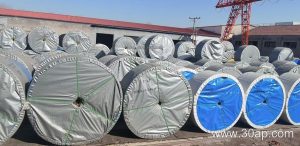
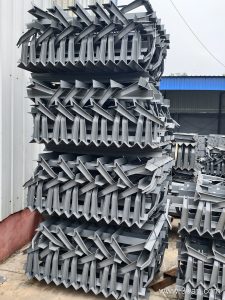
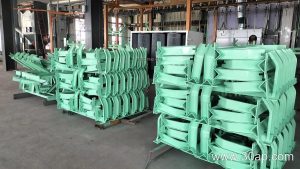
For related components, buyers often source the belt, the conveyor pulley and the conveyor bracket together with the idlers. Matching these items at the design stage avoids mismatched fixing centres and reduces downtime when a line is rebuilt.