What Is an Underground Conveyor Belt
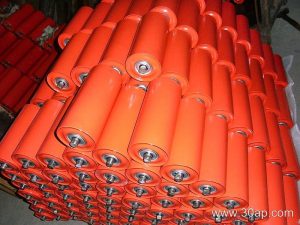
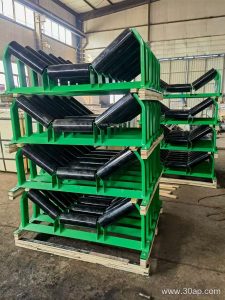
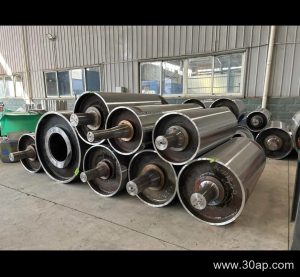
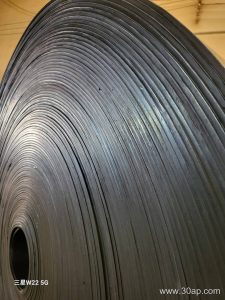
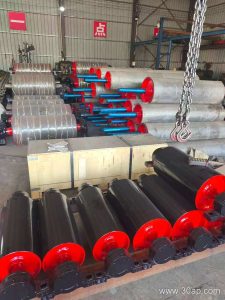
An underground conveyor belt is the load-carrying component of a conveyor system installed in tunnels, mines, and other subsurface operations. It moves bulk materials such as coal, ore, rock, and aggregate along a fixed path, often over long distances and through confined spaces. Unlike surface installations, an underground conveyor belt must handle limited ventilation, high humidity, and strict safety requirements. The belt works together with conveyor pulleys, idler rollers, and conveyor brackets to form a complete conveying line.
Construction and Key Components
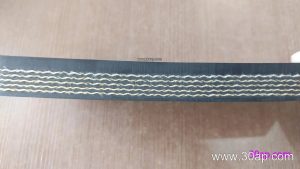
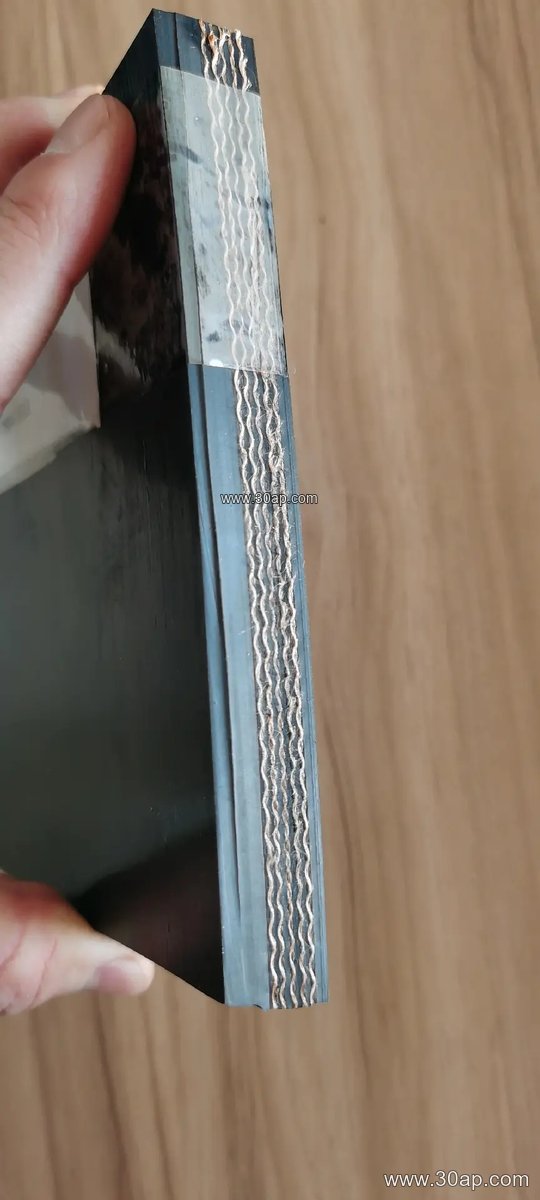
The belt body typically consists of a carcass and rubber covers. The carcass provides strength and resistance to stretching, while the covers protect against wear, impact, and environmental attack. Common carcass types include fabric core and steel cord. For underground service, flame retardant and anti-static properties are often required to reduce fire and explosion risks.
Carcass Options
- Multi-ply fabric core: EP or NN fabric layers, suitable for moderate tension and flexibility.
- Steel cord: high strength for long runs and heavy loads; often used in main haulage.
- Solid woven PVC or PVG: used in coal mining for flame resistance and whole-core construction.
Cover Compounds and Surface Forms
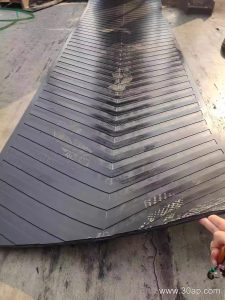
Covers are selected for abrasion resistance, heat resistance, oil resistance, or cold resistance. Surface patterns such as chevron or corrugated sidewall help control material on inclines or prevent spillage. Skirted edges can contain material in loading zones. These features are chosen based on the application, not as a universal requirement.
Typical Underground Applications
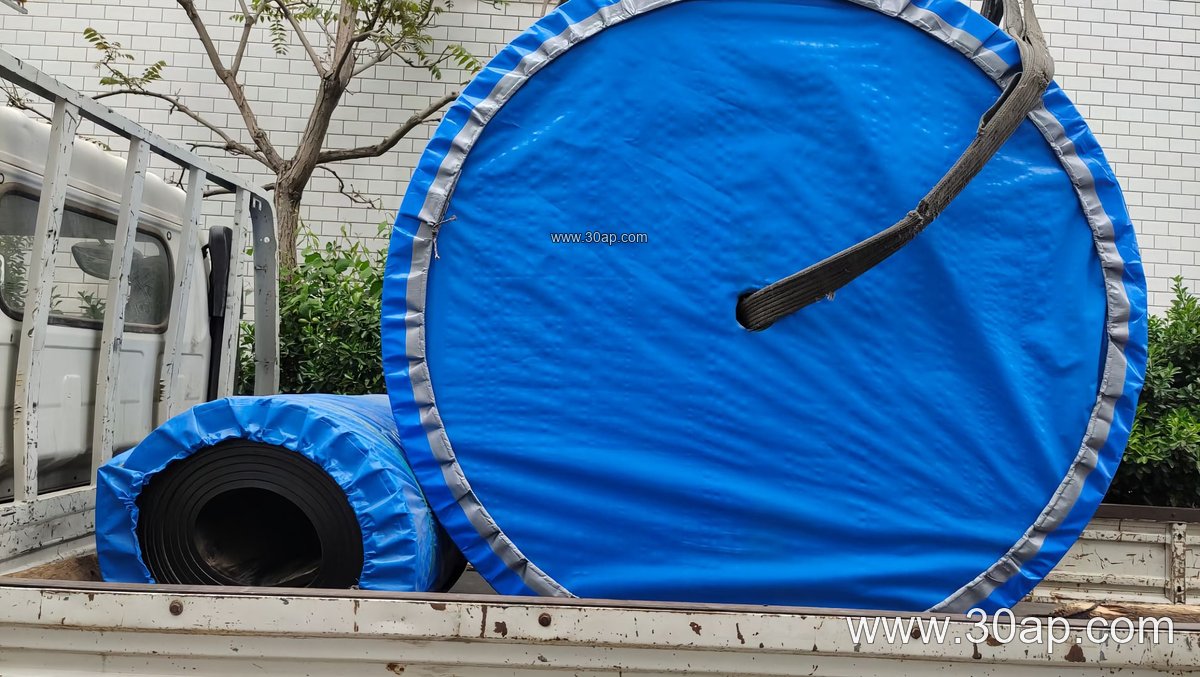
Underground conveyor belts are widely used in coal mining, metal mining, tunnel construction, and underground storage or transport systems. In coal mines, flame retardant and anti-static belts are common. In hard rock mining, abrasion resistant and impact resistant belts handle sharp, heavy ore. Quarries and aggregate operations may use heavy-duty belts in inclined tunnels. Cement plants and power plants also employ underground conveying for limestone, coal, and ash handling.
Specification and Selection Guide
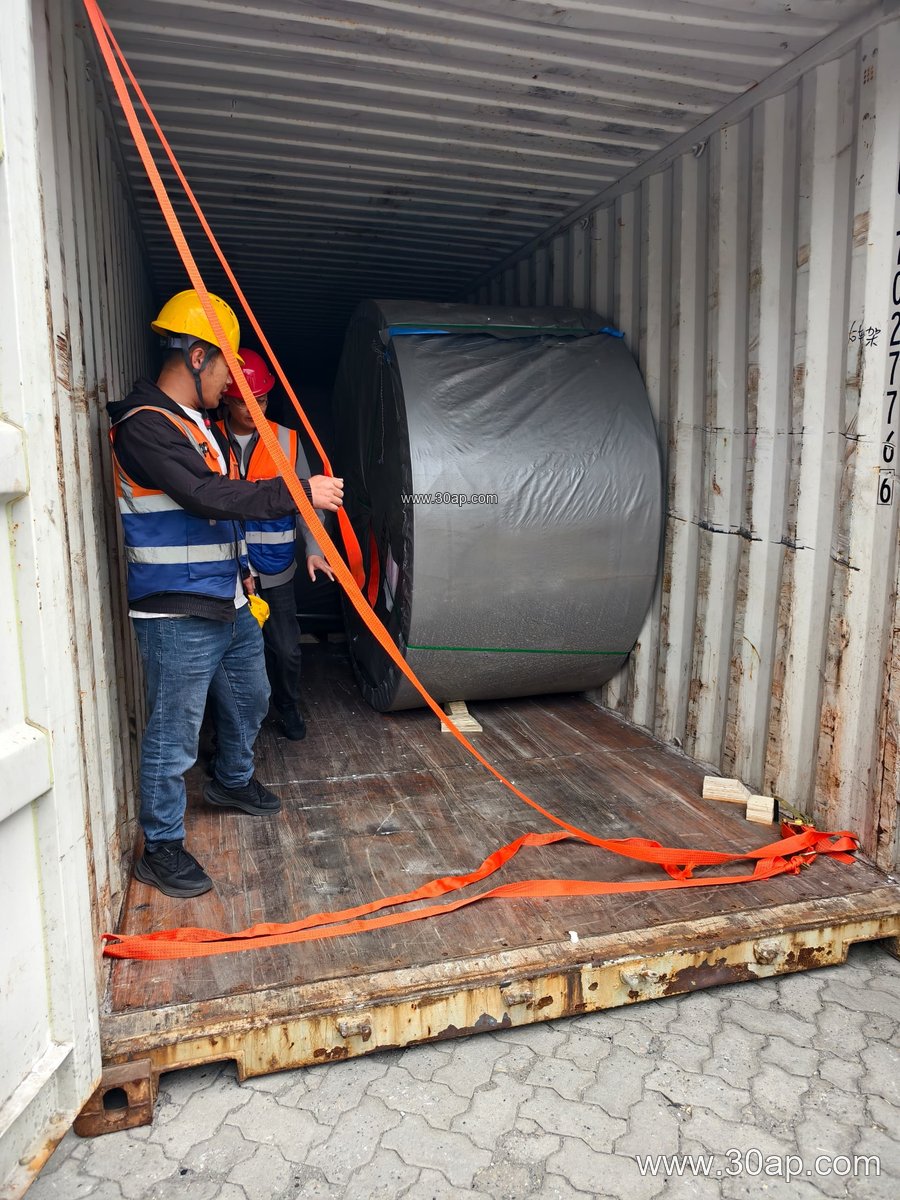
Belt specifications depend on the conveyor design, material properties, and environmental conditions. The following table shows common reference ranges; actual values are determined by the system designer and belt manufacturer.
| Parameter | Common Range or Example |
|---|---|
| Belt width | B500, B650, B800, B1000, B1200, B1400, B1600, B1800, B2000 |
| Fabric core strength (EP) | EP200, EP315, EP400, EP500, EP630, EP800, EP1000, EP1250, EP1600, EP2000 |
| Steel cord strength (ST) | ST1000, ST1250, ST1600, ST2000, ST2500, ST3150 |
| Cover thickness | 3+1.5 mm, 4+2 mm, 5+2 mm, 6+2 mm, 8+3 mm |
| Number of fabric plies | 2 to 6 plies, depending on strength class |
| Special properties | Flame retardant, anti-static, heat resistant, oil resistant, cold resistant, abrasion resistant |
When selecting an underground conveyor belt, consider the material size, tonnage, incline angle, and available space. The belt width must match the conveyor pulley and idler roller dimensions, but no single width dictates one fixed pulley diameter. Drive, tail, and bend pulleys are selected separately based on tension and layout. Also check the belt’s flexibility for small pulleys and its troughability for the idler arrangement.
Buyer Checklist
- Confirm the required flame retardant and anti-static standards for the mine or tunnel.
- Match belt strength to the maximum working tension, not only to the average load.
- Choose cover grade for the dominant wear mode: abrasion, impact, heat, or oil.
- Verify compatibility with conveyor pulleys, idler rollers, and brackets.
- Plan splicing method: endless, mechanical, or vulcanized, based on site conditions.
For more information on related equipment, visit conveyorbelt and idlerroller. A well-selected underground conveyor belt improves safety and reduces downtime in demanding mining and tunneling environments.