What a Bend Rubber Lagged Pulley Does
In a belt conveyor system, the bend pulley (also called a direction change pulley) guides the conveyor belt along a new path without driving it. Unlike a drive pulley that transmits power or a tail pulley that maintains belt tension at the loading end, the bend pulley simply redirects the belt, often around a curve or toward a take-up unit. When this pulley is fitted with a rubber lagging, it becomes a bend rubber lagged pulley. The rubber surface serves several purposes: it protects the belt from slipping, reduces wear on the pulley shell, and improves traction in cases where the bend pulley also assists with slight tension control. This component is common in quarry conveyors, coal handling systems, and aggregate plants where space constraints require belt routing around obstacles.
Construction and Lagging Options
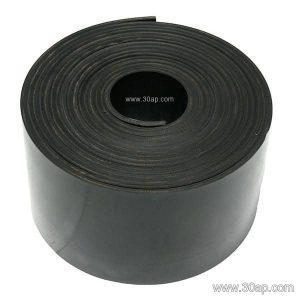
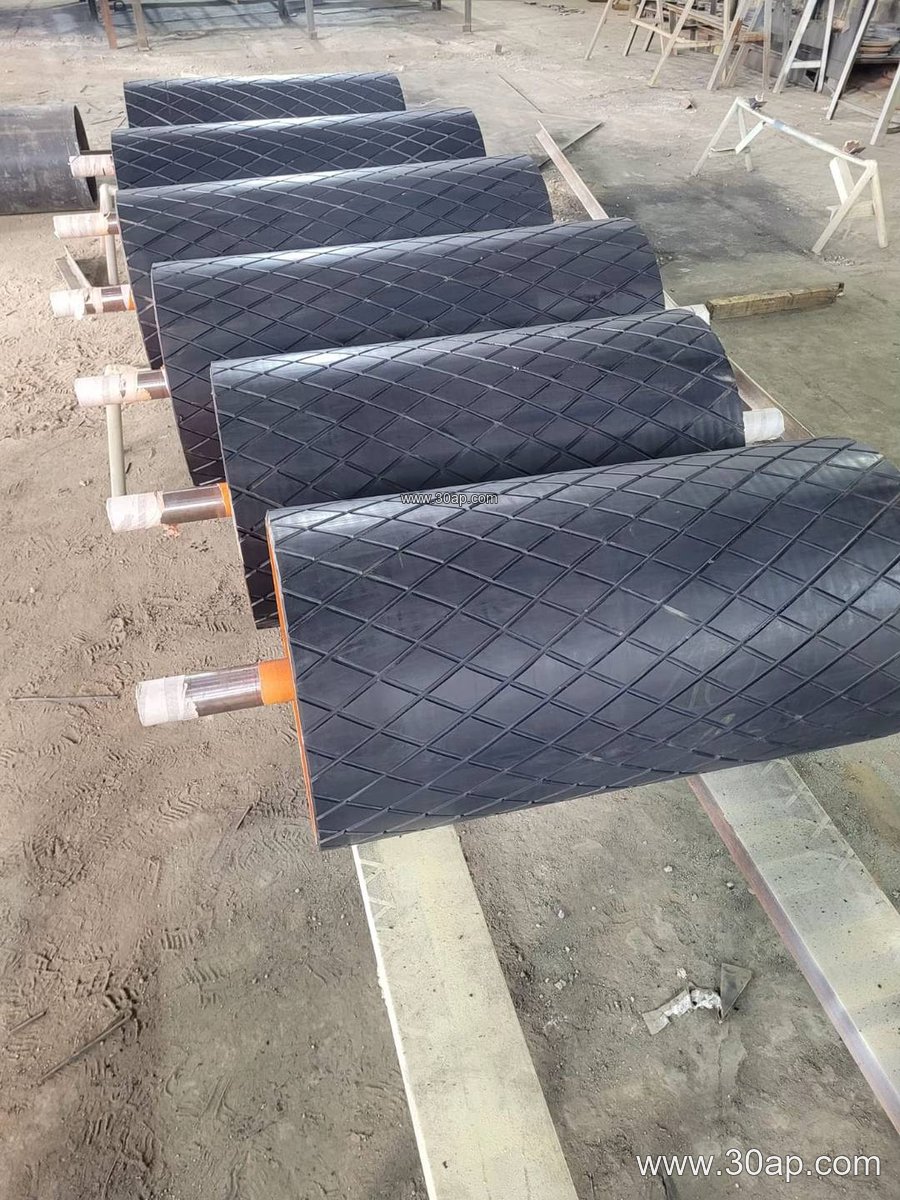
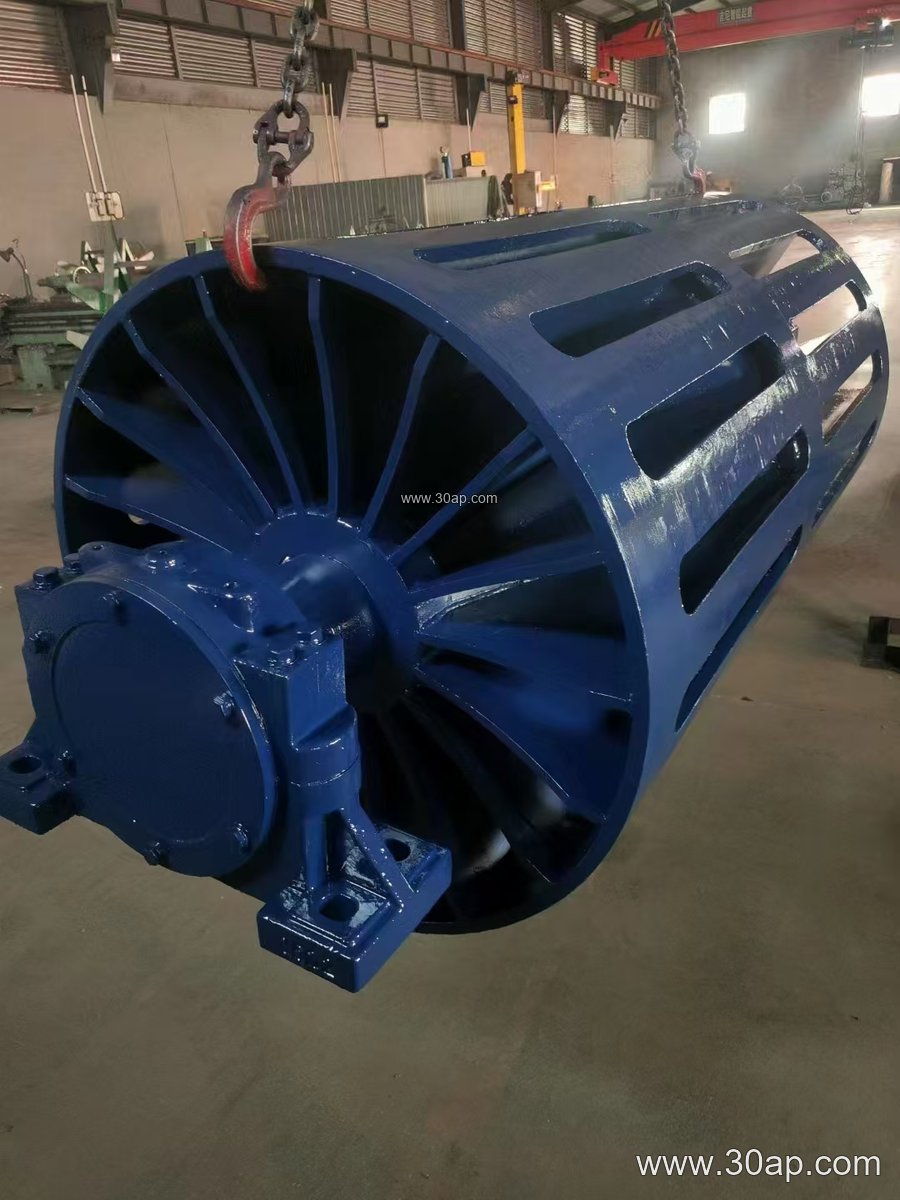
A bend rubber lagged pulley typically consists of a steel drum, a shaft, bearing housings, and a rubber lagging bonded to the drum surface. The lagging can be applied in different ways: cold-bonded rubber, hot-vulcanized rubber, or pre-formed rubber sheets with diamond or herringbone patterns. The pattern choice depends on the material being conveyed and the ambient conditions. For example, diamond lagging offers good grip in dry conditions, while herringbone grooves help shed water and fine particles in wet or dusty environments such as wash plants or coal preparation facilities. Lagging thickness commonly ranges from 8 mm to 20 mm, with 10 mm and 12 mm being frequent choices for medium-duty applications. The pulley face width is usually slightly wider than the belt width to ensure full support; for instance, a B800 belt might run on a pulley with a 950 mm face, while a B1200 belt could use a 1400 mm face. Diameters vary widely—Ø320, Ø400, Ø500, Ø630, Ø800, and Ø1000 are all standard options, selected based on belt tension, wrap angle, and space available. Shaft diameters are determined by torque and load, not by belt width alone; common shaft sizes include Ø80, Ø100, Ø120, and Ø140, but the final choice must be calculated by the conveyor designer.
Where It Fits in the Conveyor Layout
Bend pulleys are often found at transfer points, around drives, or ahead of take-up pulleys. In a typical aggregate conveyor, a bend pulley may redirect the belt after the head pulley to return the belt to the tail. In underground mining conveyors, they help navigate around curves and equipment. Because they are not the primary drive, their lagging mainly protects the belt and reduces the risk of belt mistracking. However, in some tensioning arrangements, a bend pulley with rubber lagging can provide enough friction to assist with belt stability. It is important to note that a bend pulley is not interchangeable with a drive pulley or a tail pulley—each has a distinct role in the conveyor system.
Selecting the Right Bend Rubber Lagged Pulley
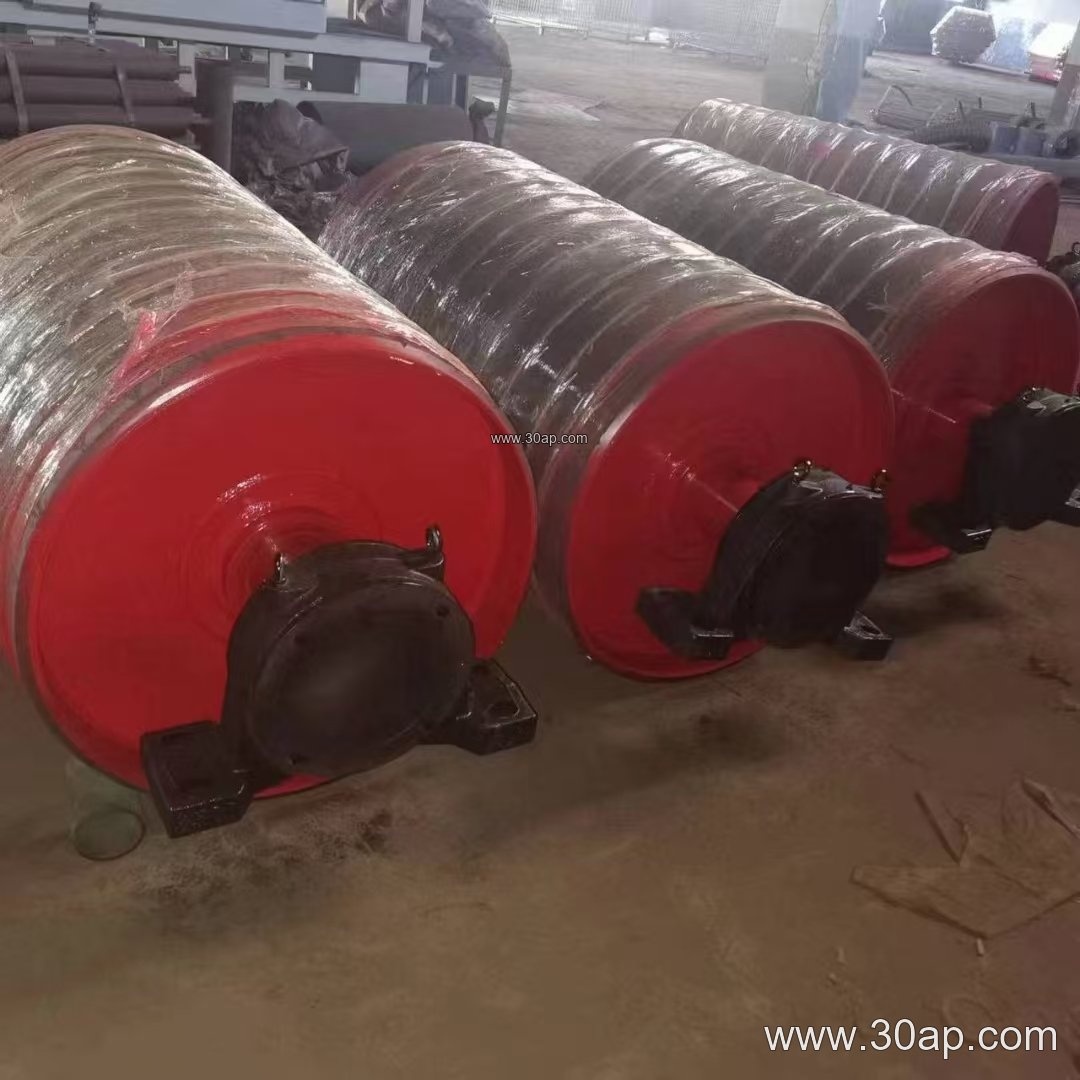
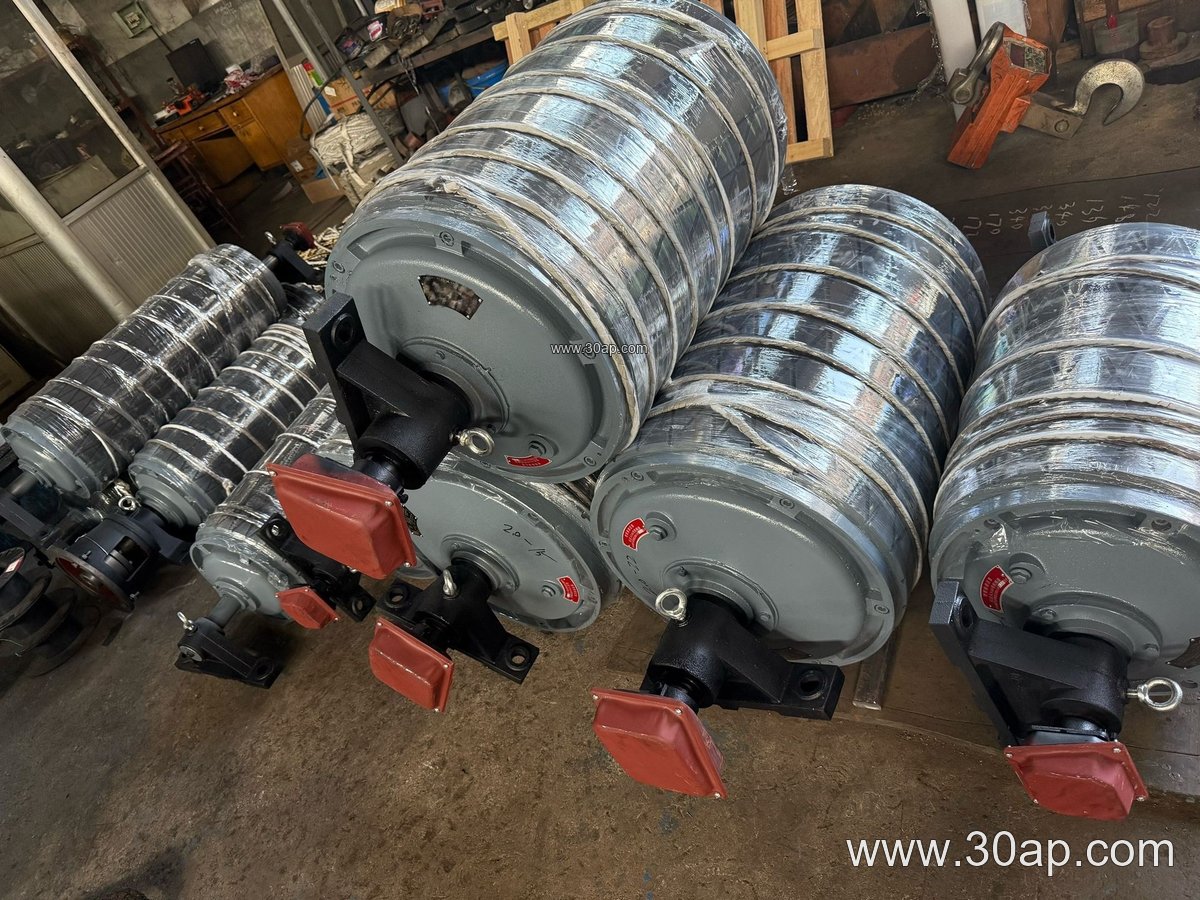
Buyers should consider several factors when specifying a bend rubber lagged pulley. First, the belt width and type: a heavy-duty mining conveyor belt or a steel cord conveyor belt may require a larger diameter and thicker lagging to handle higher tensions. Second, the lagging material must match the environment—oil resistant or heat resistant rubber may be needed in cement plants or foundries. Third, the pulley must be sized to fit the available space and the shaft must be designed for the expected load. Common combinations include B800 × Ø500, B1200 × Ø1000, and B1400 × Ø800, but these are examples only; the actual size depends on the conveyor design. It is also wise to consider the pulley’s balance and bearing quality, as a poorly balanced bend pulley can cause vibration and premature belt wear. For harsh conditions, such as those in a quarry or a coal mining operation, a pulley with a robust bearing housing and effective sealing will extend service life.
Maintenance and Longevity
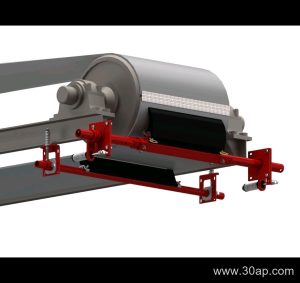
Regular inspection of the lagging surface is recommended. Look for signs of wear, cracking, or rubber detachment, especially in high-abrasion areas. If the lagging wears unevenly, it may indicate belt mistracking or misalignment. Re-lagging is possible in the field using cold-bonded rubber sheets, but hot vulcanization generally provides a stronger bond. Keep the pulley clean and ensure that the belt cleaner (if present) does not damage the lagging. In dusty environments like grain silos or fertilizer plants, check for material buildup on the pulley face, which can cause belt slippage. Proper maintenance of the bend rubber lagged pulley contributes to the overall efficiency of the conveyor system, whether it is a small aggregate line or a large port conveyor.