What a Galvanized Idler Is and Where It Fits
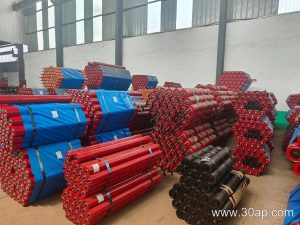
A galvanized idler is a conveyor idler roller whose steel shell and often its end caps have been hot-dip or electro-galvanized to resist corrosion. In a belt conveyor, idlers form the carrying run and the return run that support the conveyor belt, so the quality of these rollers directly affects belt life and energy use. The galvanized finish matters most in wet, humid, or chemically exposed plants, and in outdoor stockyards where condensation and rain attack plain painted steel.
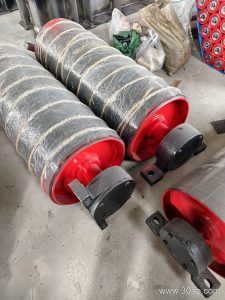
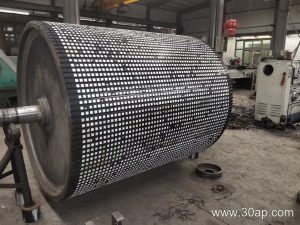
The same product is commonly called a galvanized idler roller, and buyers may also see it listed as a zinc-coated carrying idler. It is a roller, not a pulley: a conveyor pulley is a larger driven or non-driven drum at the head, tail, or bend of the conveyor, and those drum types are never interchangeable with idlers.
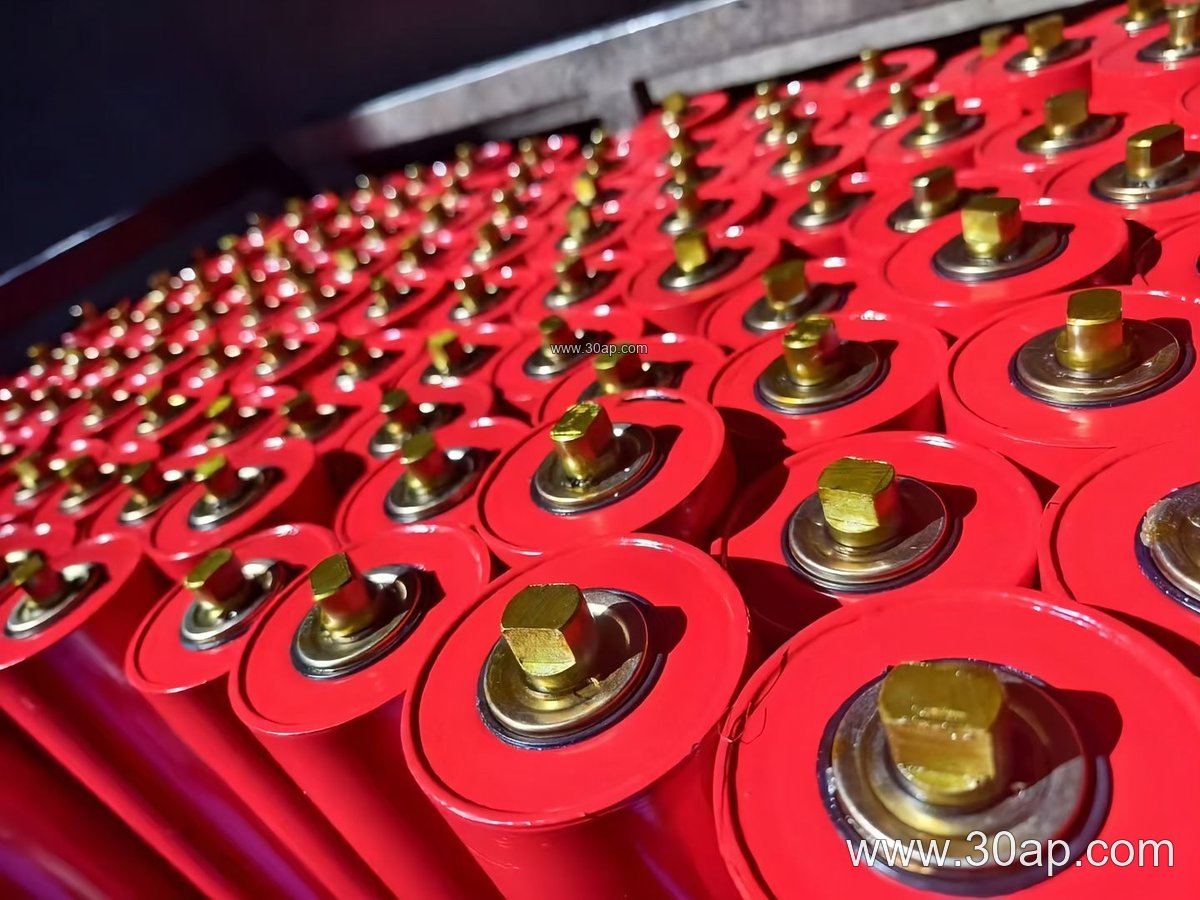
How the Roller Is Built
A typical unit consists of a seamless or welded steel tube, bearing housings at each end, a shaft, and a sealing arrangement. Common bearing numbers include 6204, 6205, 6305, 6306, 6308, and 6310; the correct bearing is matched to load and speed by the designer rather than to one fixed shell diameter. Seals usually combine a labyrinth path with a contact lip, and in dusty plants a good seal matters as much as the zinc coating.
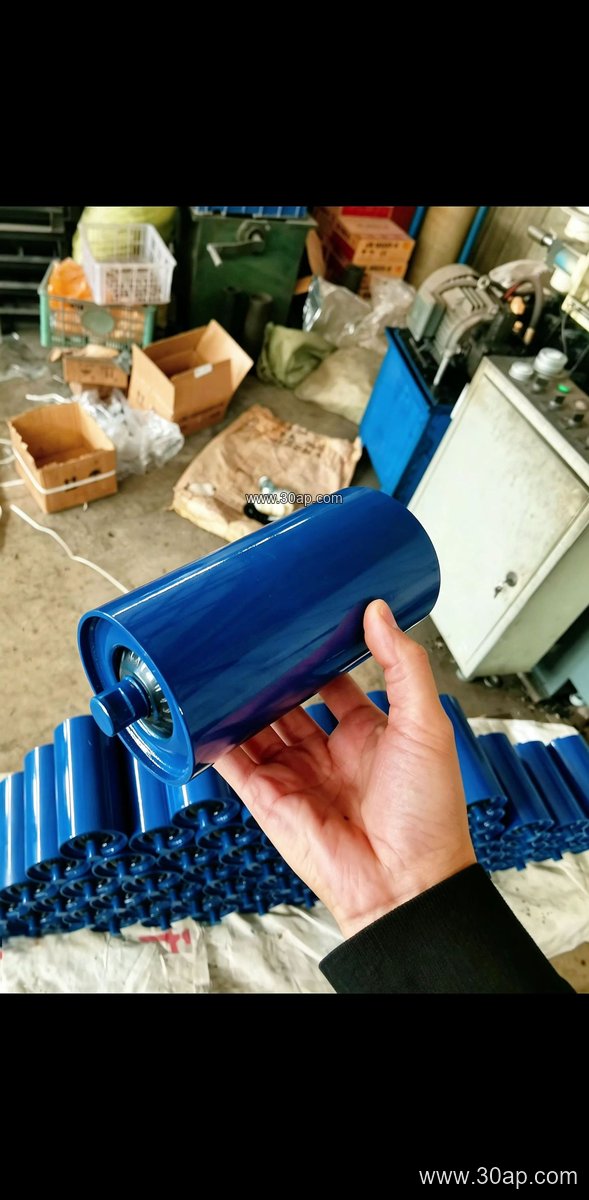
Galvanizing is applied to the shell surface, and in some designs the end caps are coated as well. The coating thickness and the galvanizing method should be agreed with the supplier, because hot-dip coating and electroplated coating behave differently in abrasion and in acid or salt exposure.
Common Forms and Reference Dimensions
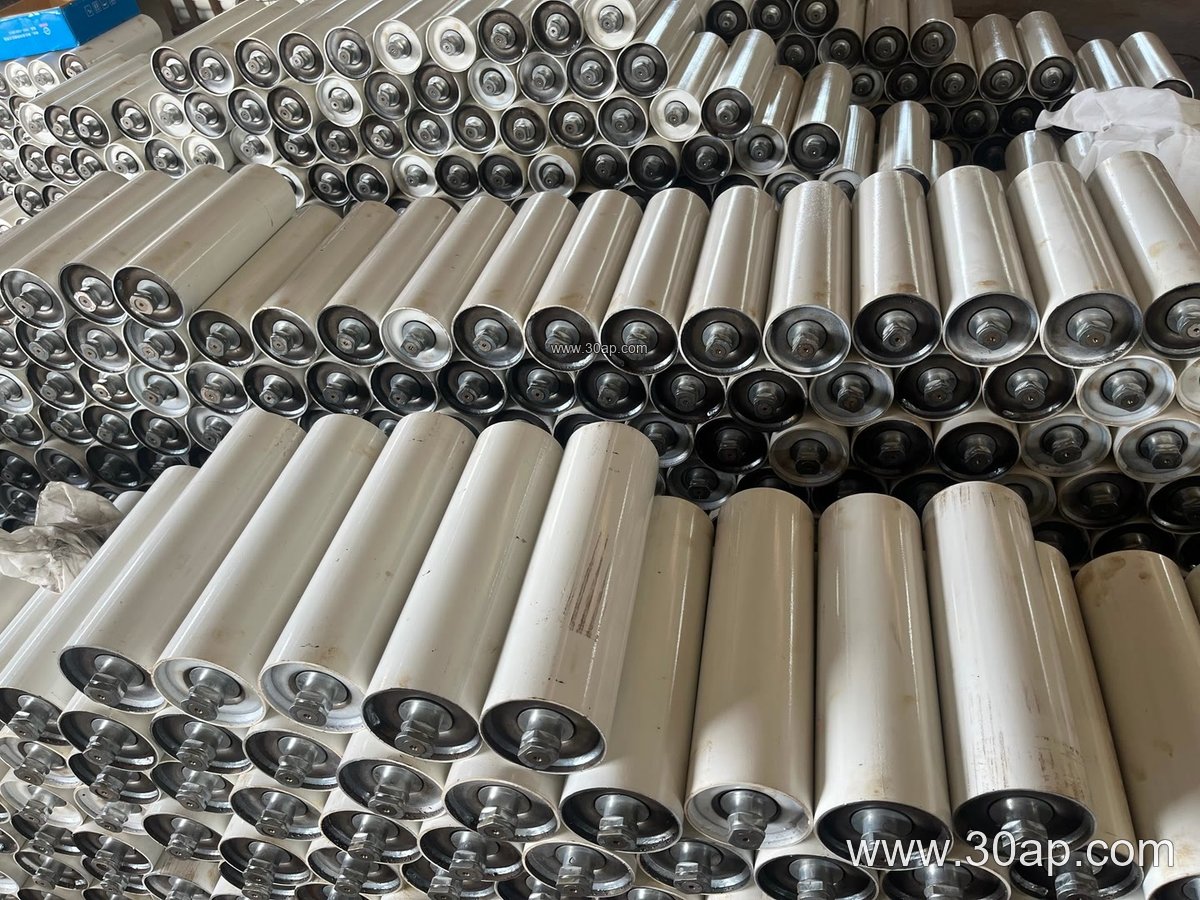
The galvanized idler can be supplied in the usual conveyor idler forms, and the table below gives reference values only. Final sizes are always confirmed by the conveyor design.
Reference data
| Item | Common options |
|---|---|
| Roller type | Troughing idler, carrying idler, return idler, flat return idler, V-return idler, impact idler, rubber-disc impact idler, self-aligning idler, friction self-aligning idler, conical self-aligning idler, spiral idler, comb idler |
| Idler set | Single roller, two-roller, three-roller troughing set |
| Roller diameter | Ø63, Ø76, Ø89, Ø102, Ø108, Ø127, Ø133, Ø159, Ø178, Ø194, Ø219 mm |
| Belt width | B400, B500, B650, B800, B1000, B1200, B1400, B1600, B1800, B2000, B2200, B2400 |
| Trough angle | 20°, 30°, 35°, 45° |
| Roller surface | Steel tube, nylon, ceramic, rubber disc |
| Bearing | 6204, 6205, 6305, 6306, 6308, 6310 |
Roller length follows belt width, trough angle, and set form. As a rough example for a three-roller troughing set, a B500 belt often uses rollers around 200 mm long, B800 around 315 mm, B1000 around 380 mm, B1200 around 465 mm, and B1400 around 530 mm. Side rollers and the center roller may differ, so these figures are examples, not fixed pairings.
Where Galvanized Idlers Are Used
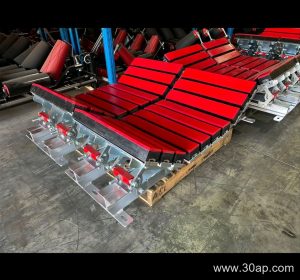
They suit outdoor and damp duty. In a quarry or aggregate line, wash water and dust make coated rollers attractive on the return run. In a power plant coal handling system, they are often specified on sections exposed to weather. The carrying side still needs to match the material, so a heavy-duty mining conveyor belt with high abrasion resistance may run over rubber-disc impact idlers at the loading point and galvanized troughing idlers further along.
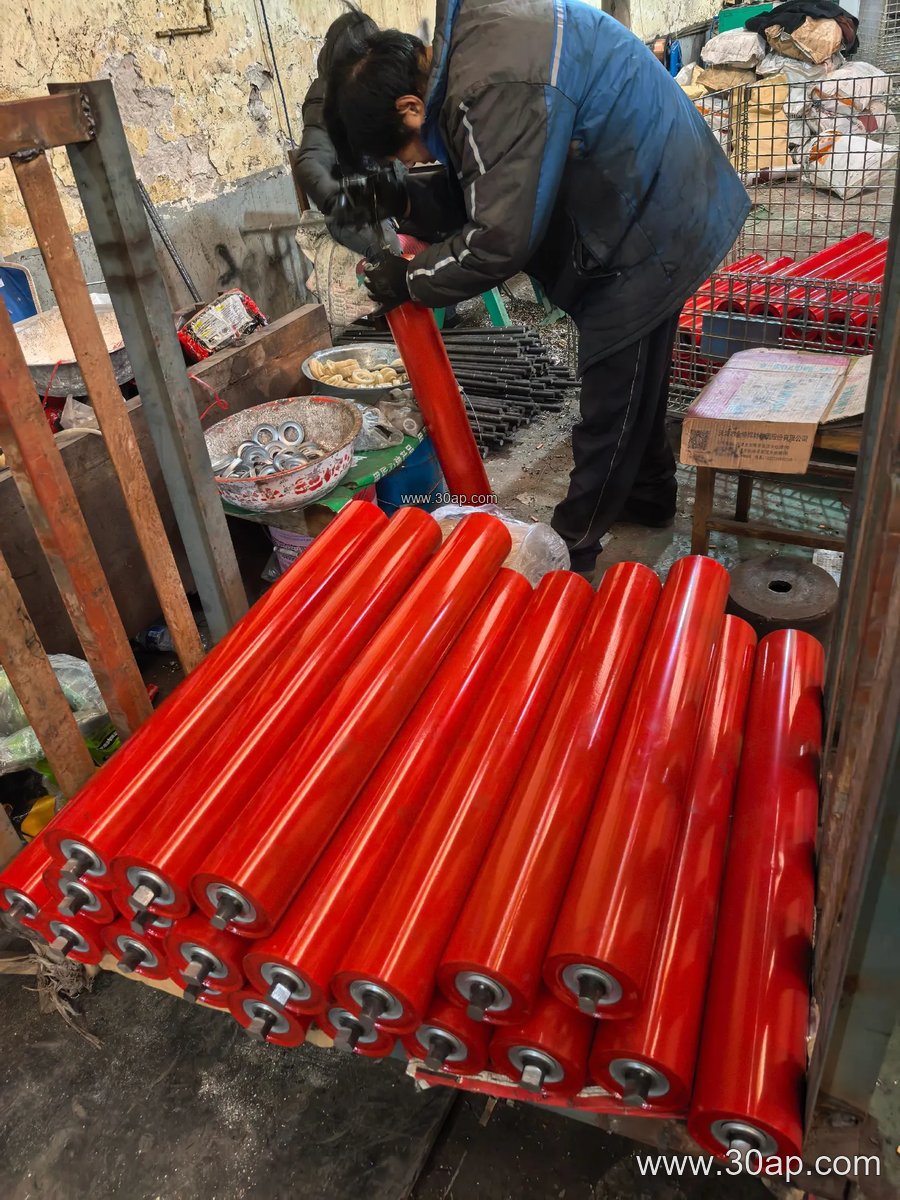
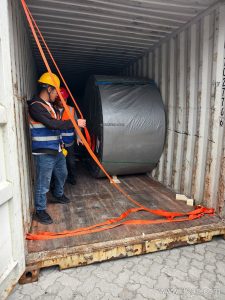
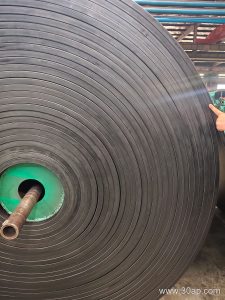
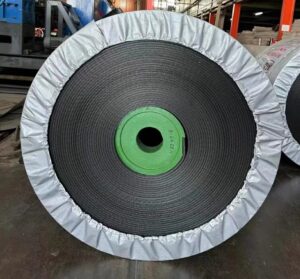
The belt itself is chosen separately. An EP conveyor belt or a multi-ply fabric core belt is common on medium-duty lines, while a steel cord conveyor belt handles long, high-tension routes. Flame retardant and anti-static grades are usual in underground coal mining, and a heat resistant conveyor belt is needed near hot material. None of these belt choices changes the idler’s role, but belt width, speed, and load do.
What Buyers Should Check
- Confirm the actual belt width and trough angle before ordering, and state whether the set is two-roller or three-roller.
- Ask how the zinc coating is applied and how thick it is; coating quality decides corrosion life.
- Check seal design and bearing clearance for dusty or wet service.
- For the return run, decide between a flat return idler and a V-return idler based on belt tracking.
- At transfer points, use impact idlers rather than standard troughing rollers.
- Verify shaft ends, mounting dimensions, and conveyor bracket spacing against the drawing.
For a long route, roller drag adds up. A roller that spins freely when new but seizes after a season costs more in belt wear than the price difference suggests. Buyers should therefore compare seal type and coating before comparing price, and should keep a small stock of the most-used sizes. More conveyor idler roller and conveyor pulley details can be reviewed at www.beltconveyoridler.com before a specification is finalized.