What a Mining Conveyor Pulley Does
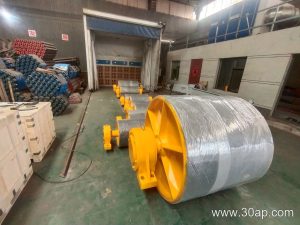
A mining conveyor pulley is a rotating cylindrical assembly that transmits motion and tension to the conveyor belt in heavy bulk handling systems. It is often the largest and most heavily loaded rotating component on the machine, transferring drive torque at the head, maintaining belt tension at the tail or take-up, and redirecting the belt path where the layout demands it. In a quarry, a cement plant clinker line, or a power station coal yard, the pulley set is what keeps the belt tracking and moving under continuous load.
The term covers several distinct positions. A drive pulley (also called the head pulley) delivers torque from the gearbox to the belt. A tail pulley sits at the loading end and returns the belt. A bend pulley changes direction without driving or tensioning. These are different roles with different loads, and they should not be treated as interchangeable parts during specification or replacement.
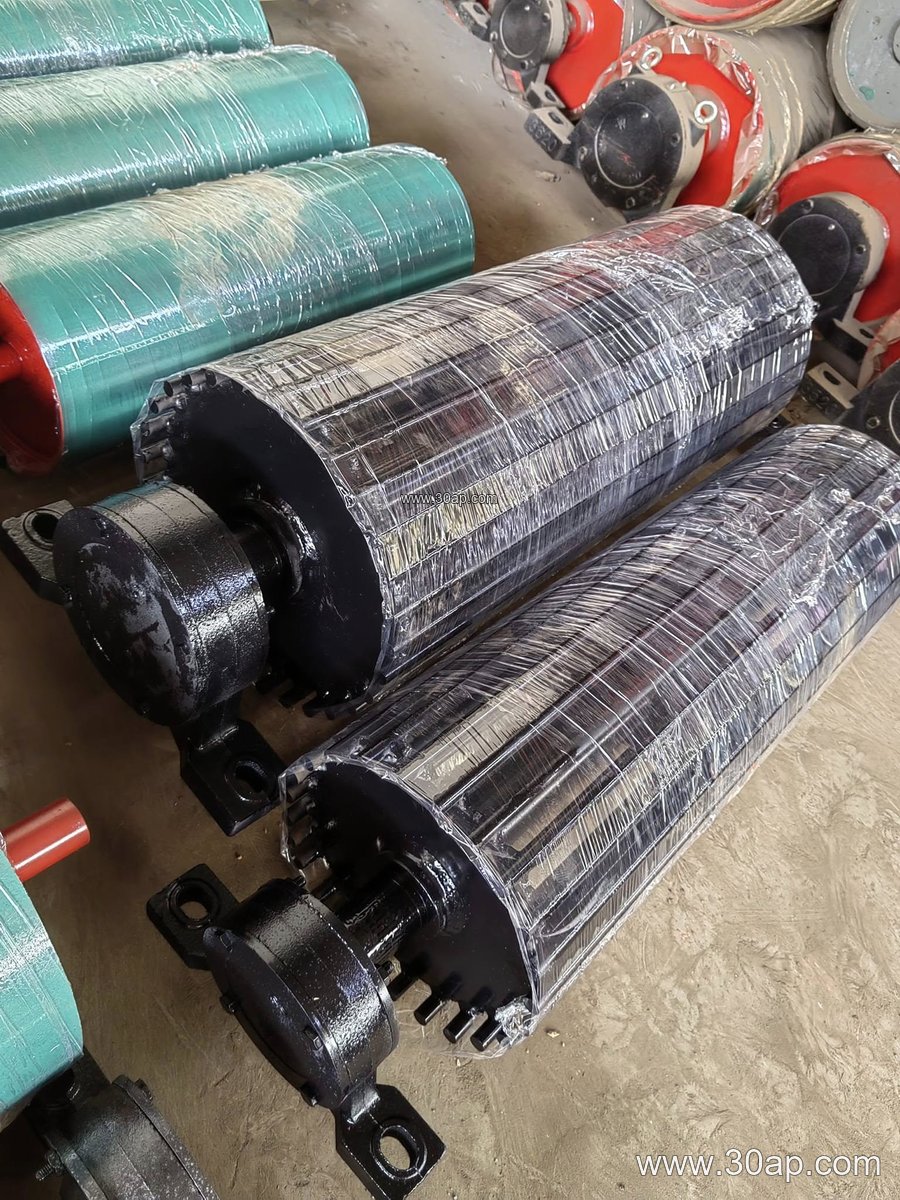
Construction and Key Components
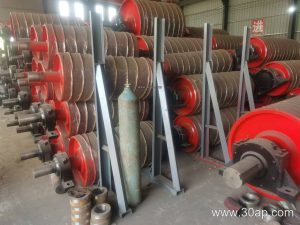
A typical unit consists of a steel shell, two end discs, a shaft, and bearing housings mounted on a sturdy frame or conveyor bracket. The shell is machined or rolled to a true diameter, then balanced for the intended belt speed. Shaft ends are keyed for coupling to the drive train or bearing seats at idler positions. The pulley works together with the conveyor belt and the conveyor pulley bearing assembly to hold alignment.
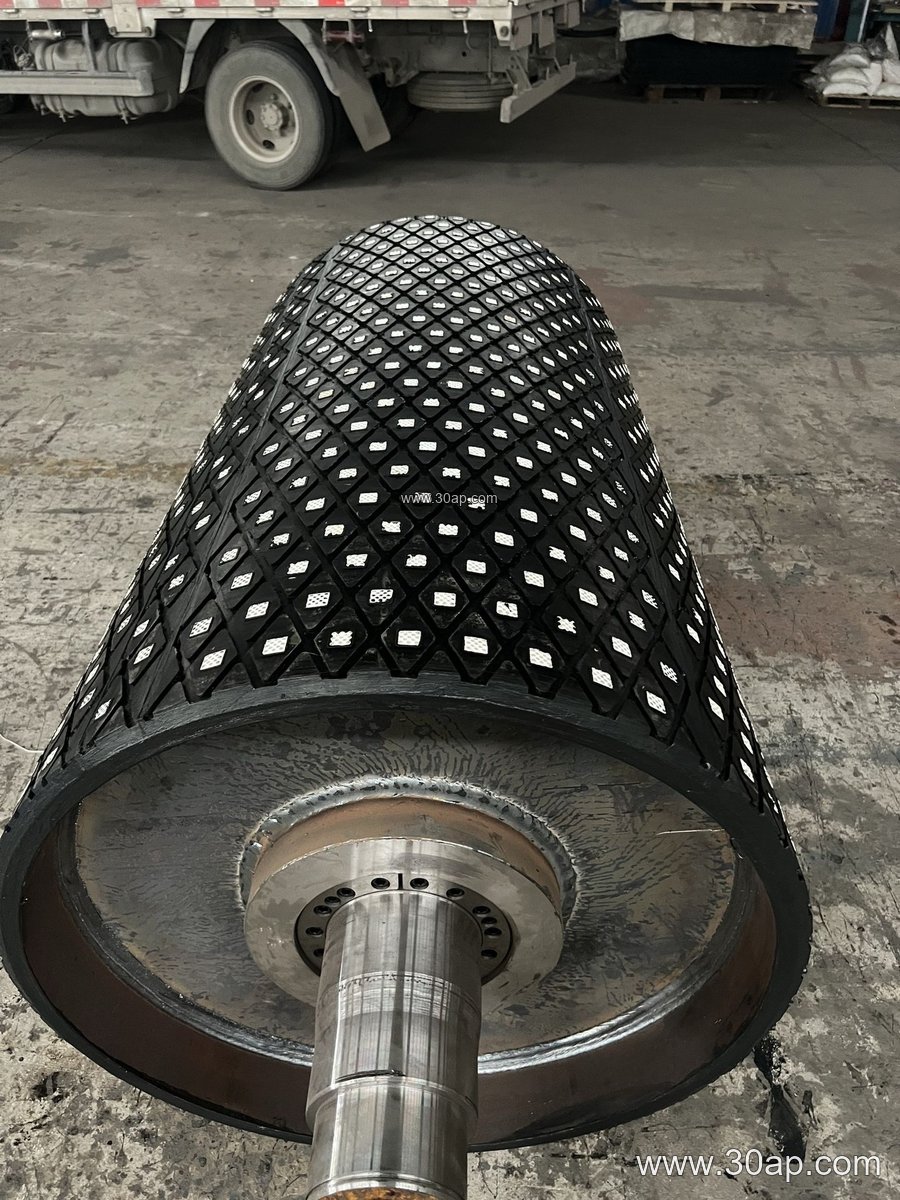
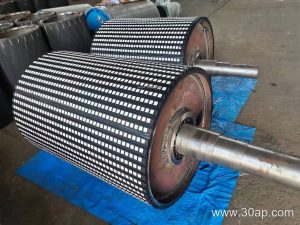
Surface treatment is chosen by duty. Plain shell faces suit clean, well-supported belts. Rubber lagging improves grip and reduces slip at the drive, while ceramic lagging is used where abrasive fines and moisture cause wear. Diamond or herringbone patterns help shed water and fines. Common lagging thicknesses include 8, 10, 12, 15, and 20 mm, with the grade selected for abrasion, oil, or heat exposure.
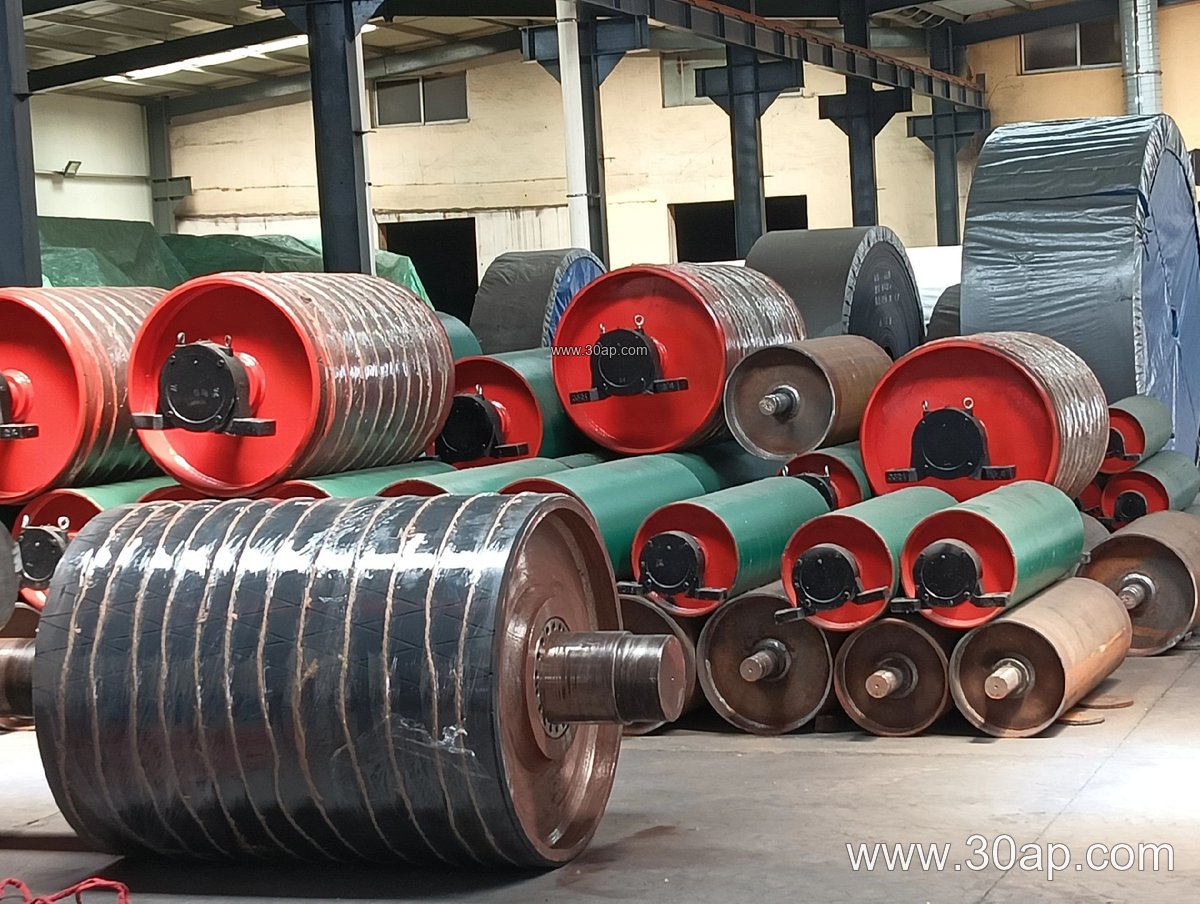
Matching Diameter, Width, and Shaft
Diameter and face width follow belt speed, tension, and the space available at each position. Face width is normally a little wider than the belt, for example B400 with about 500 mm face, B800 with about 950 mm, B1200 with about 1400 mm, and B1600 with about 1800 mm. These are reference relationships, not fixed pairings. A B1200 × Ø1000 drive pulley and a B800 × Ø500 tail pulley are common combinations, but other diameters can serve the same belt width when the design requires it.
Shaft diameter is set by torque and radial load, not by belt width alone. Sizes such as Ø80, Ø100, Ø120, Ø140, and Ø160 appear across mining installations, and the final value must come from the drive calculation. Buyers should ask for a load case, not just a belt width.
| Parameter | Common Range | Notes |
|---|---|---|
| Belt width | B400 to B2400 | Face width usually slightly larger |
| Diameter | Ø200 to Ø1800 | Depends on tension and space |
| Lagging thickness | 8 to 20 mm | Rubber, ceramic, or plain |
| Shaft diameter | Ø50 to Ø200 | Confirmed by torque calculation |
Where It Fits in the Line
In an iron ore or copper ore concentrator, the drive pulley at the head handles the highest tension and is usually lagged for grip. A bend pulley near a transfer tower redirects the return strand, while a take-up pulley maintains tension as the belt stretches. In a coal handling system, flame retardant belt grades are common, and the pulley lagging must resist coal dust and moisture. Aggregate plants and crusher discharge lines often use robust shells and abrasion resistant surfaces because of sharp rock carryover.
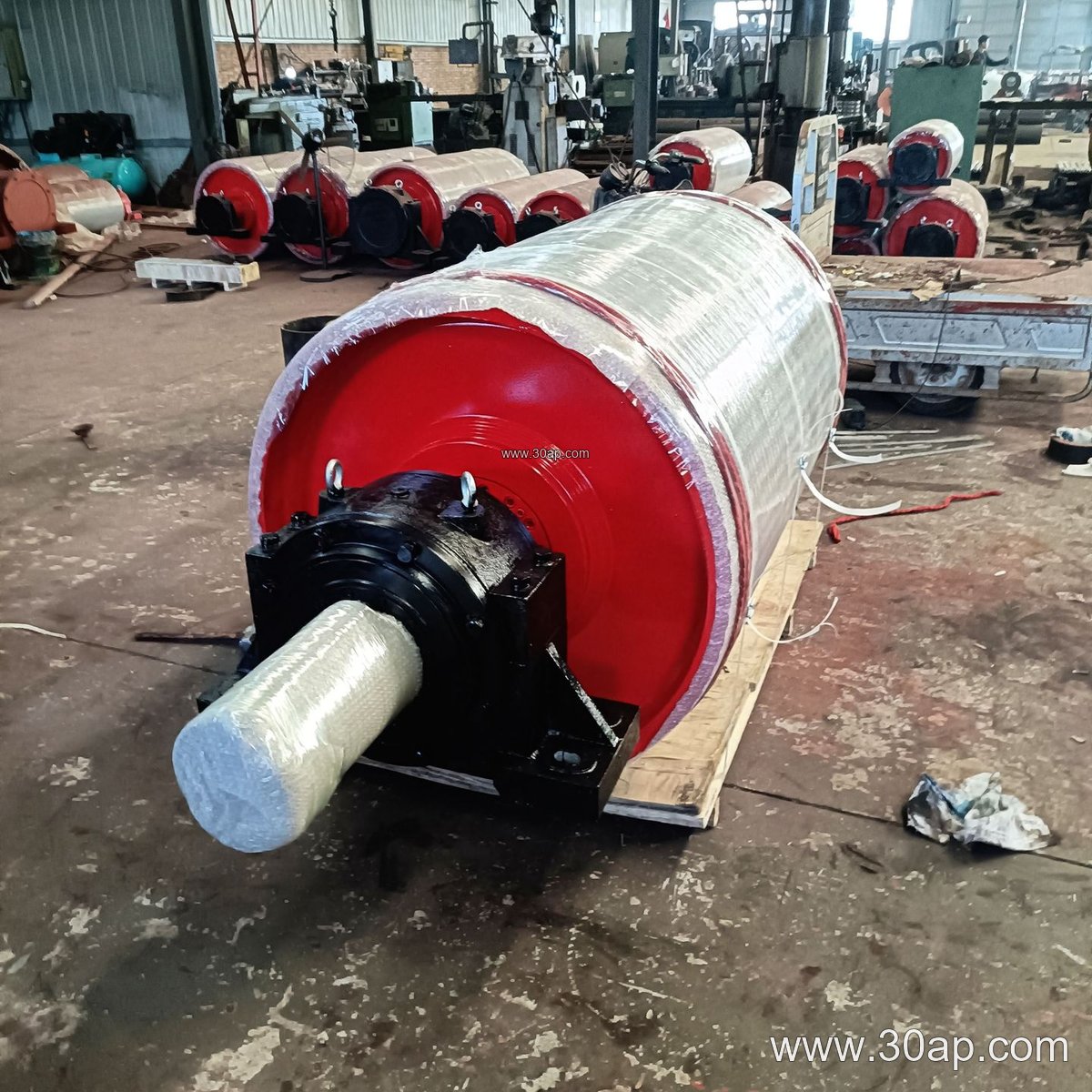
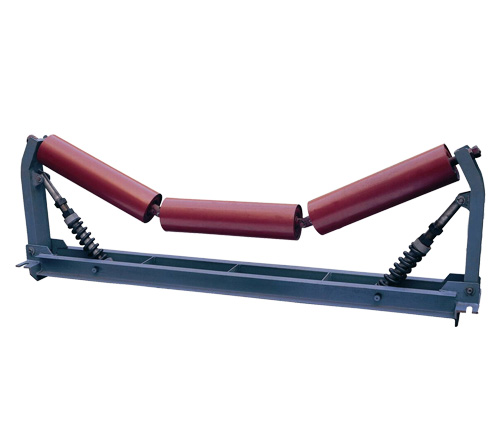
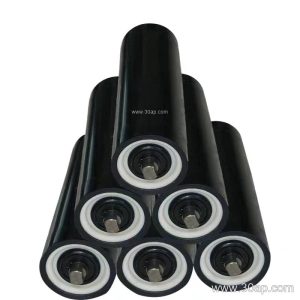
Downstream equipment matters too. Belt cleaners, skirtboard, and conveyor idler roller sets influence how well the pulley tracks. A poorly aligned return idler can load one edge of the pulley and shorten bearing life, so alignment checks should include the whole conveyor, not just the pulley.
Buyer Checklist
- State the position: drive, tail, bend, take-up, or snub, since each has different duty.
- Provide belt width, belt speed, and the maximum working tension.
- Specify lagging type and thickness for grip, wear, or fire safety.
- Confirm shaft diameter and bearing size from the drive calculation.
- Check that the face width suits the belt and that the shell is balanced for the speed.
- Plan inspection of lagging wear, bearing temperature, and bolt tightness at routine stops.
For more information on matching pulleys with belt systems and related components, visit pbelt.com and review the pulley and belt data together before ordering.