What a Conveyor Idler Bracket Does on the Line
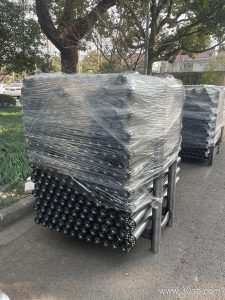
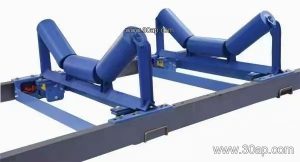
A conveyor idler bracket is the mounting component that holds idler rollers in the correct position under or above the conveyor belt. It connects the roller assembly to the conveyor frame and sets the trough angle, spacing and alignment that keep the belt tracking smoothly. In a quarry, a cement plant or a power plant coal yard, these brackets are small parts that carry a large share of the structural responsibility. A loose or misaligned bracket quickly shows up as belt wander, edge wear or spillage.
The bracket is not the same as a conveyor pulley. Drive pulleys, tail pulleys and bend pulleys transmit power and change belt direction, while the idler bracket only supports the belt and its load. Confusing the two roles leads to the wrong spare part and unnecessary downtime.
How the Bracket Is Built
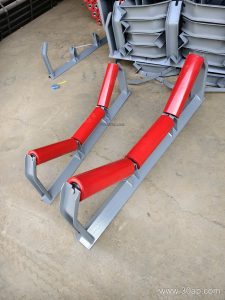
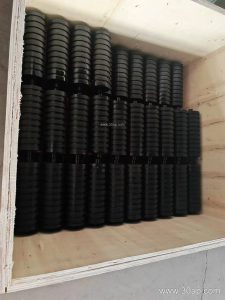
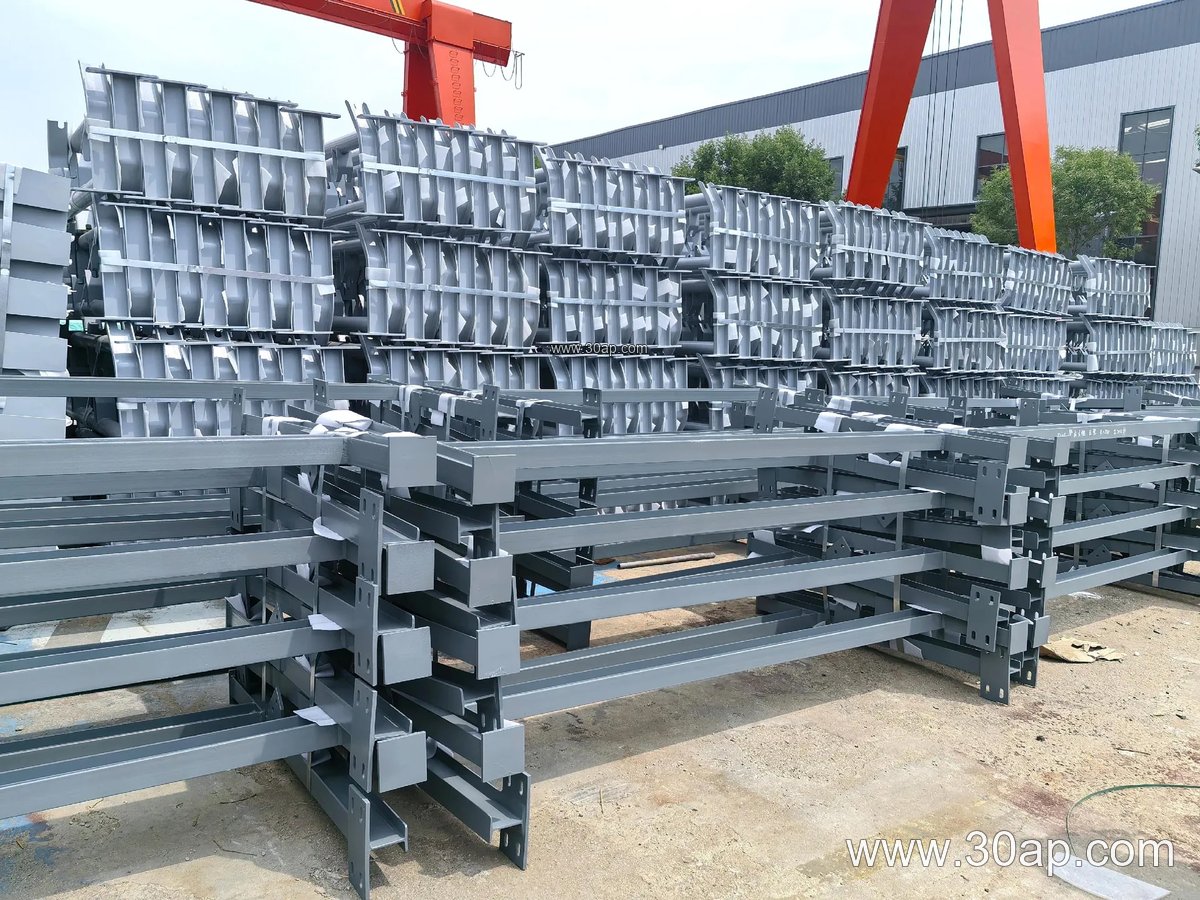
Most brackets are fabricated from angle steel, channel steel or folded steel plate. The frame side is bolted or welded to the conveyor stringer, and the top face carries slots or holes for the idler shaft. Common forms include trough brackets for the carrying side, return brackets for the empty side, impact brackets at loading points, self-aligning brackets and adjustable brackets that allow the trough angle to be changed on site.
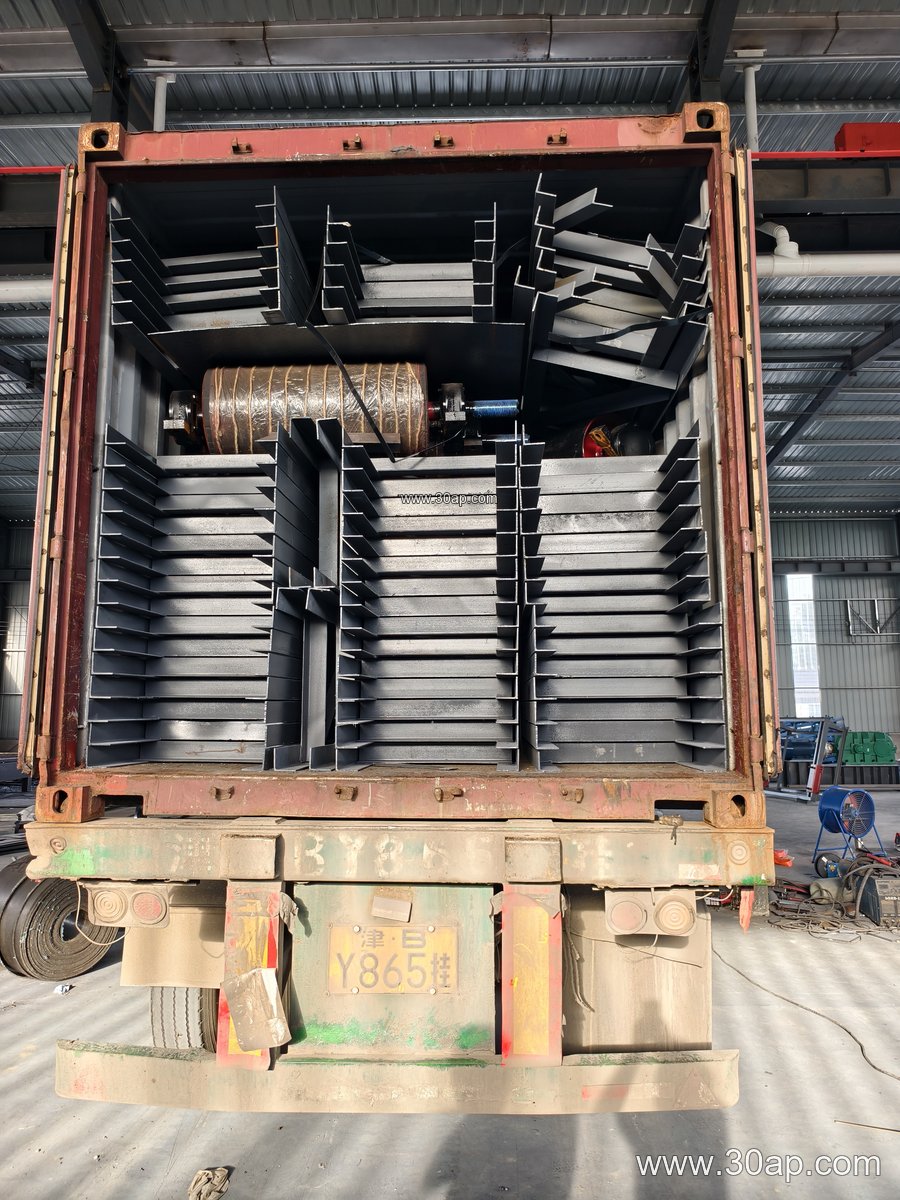
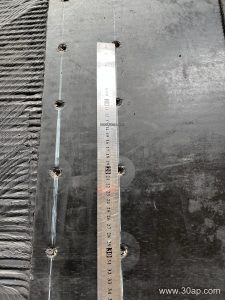
Fabrication quality matters more than appearance. Hole spacing, weld penetration and squareness affect how evenly the rollers sit against the belt. A bracket that twists under load will tilt the roller and shorten bearing life.
Matching Bracket, Belt Width and Roller Diameter
Bracket size follows the conveyor width and the roller diameter chosen for the duty. The table below shows typical reference combinations; final values are set by the conveyor design, not by a single rule.
- B500 to B650 with Ø89 rollers and 20 to 30 degree trough angle
- B800 to B1000 with Ø108 or Ø133 rollers and 30 to 35 degree trough angle
- B1200 to B1400 with Ø133 or Ø159 rollers and 35 to 45 degree trough angle
- B1600 to B2000 with Ø159 or Ø194 rollers and 35 to 45 degree trough angle
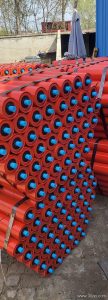
Installation hole spacing and crossbeam length change with belt width and trough angle, so a bracket for one width should not be assumed to fit another. A wider belt does not automatically require a larger trough angle, and a given belt width can work with more than one roller diameter depending on load and speed. For heavy ores such as iron ore or copper ore, larger rollers and heavier brackets usually reduce maintenance frequency.
Fixed and Adjustable Brackets
Fixed brackets hold a set trough angle, typically 20, 30, 35 or 45 degrees. They are simple and rigid, which suits long straight runs in a sand and gravel line or a limestone mine. Adjustable brackets let maintenance staff change the trough angle to tune belt contact and reduce spillage when material conditions change.
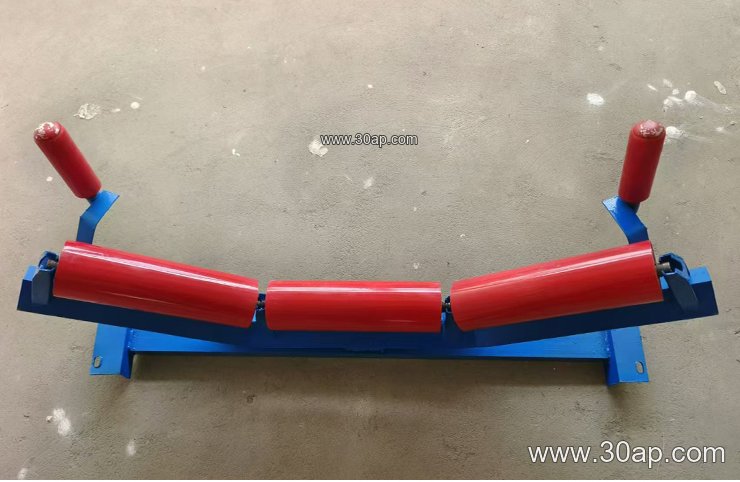
Forward-leaning brackets, usually set around 1.5 to 2 degrees, help centre the belt on the carrying side. Self-aligning brackets are a separate type used to correct tracking, and they should not be treated as a replacement for a standard trough bracket.
Where These Brackets Are Used
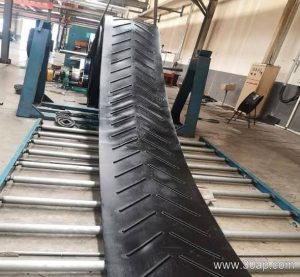
Belt conveyors in crushing and screening plants, cement kiln feed lines, tunnel spoil removal and grain silos all rely on idler brackets. The choice of belt also matters. A heavy-duty mining conveyor belt or a steel cord conveyor belt carries more weight per metre and calls for stiffer brackets and closer roller spacing. A chevron conveyor belt or corrugated sidewall belt may need extra clearance around the bracket. Heat resistant conveyor belt and flame retardant conveyor belt grades are common in power plant coal handling, where bracket alignment affects both belt life and fire safety.
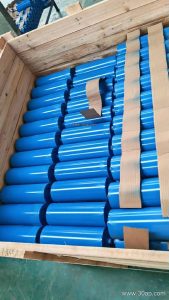
For more on matching rollers and belts, see conveyor idler bracket references and the roller guidance at conveyor idler roller.
Buyer Checklist
- Confirm belt width, trough angle and roller diameter before ordering.
- Check material and finish for dusty, wet or corrosive locations.
- Ask for hole spacing and crossbeam length drawings, not just a model number.
- Match bracket type to position: carrying, return, impact or transition.
- Keep spare brackets for high-wear loading zones.
Related wear parts such as conveyor pulley and the fabric core conveyor belt should be reviewed together with the bracket layout during any conveyor upgrade.