What a Steel Plant Conveyor Pulley Does
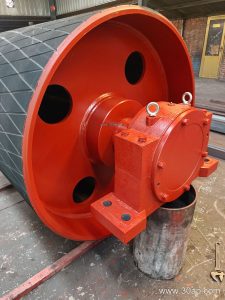
A steel plant conveyor pulley is the rotating drum that turns a conveyor belt, sets its tension, and keeps it tracking through some of the harshest material flows in heavy industry. Around sinter strands, coke wharves, lime preparation, and finished product yards, this component is expected to run for long campaigns with limited maintenance windows. It is not a simple cylinder with a shaft; it is a load-bearing assembly that transfers drive torque or holds belt tension while resisting dust, heat, and abrasive fines.
Buyers often describe the item simply as a conveyor drum or belt pulley, but the position in the conveyor matters. Drive pulleys transmit power, tail pulleys return the belt, and bend pulleys redirect it. These are separate duties and cannot be treated as interchangeable when specifying a steel plant conveyor pulley.
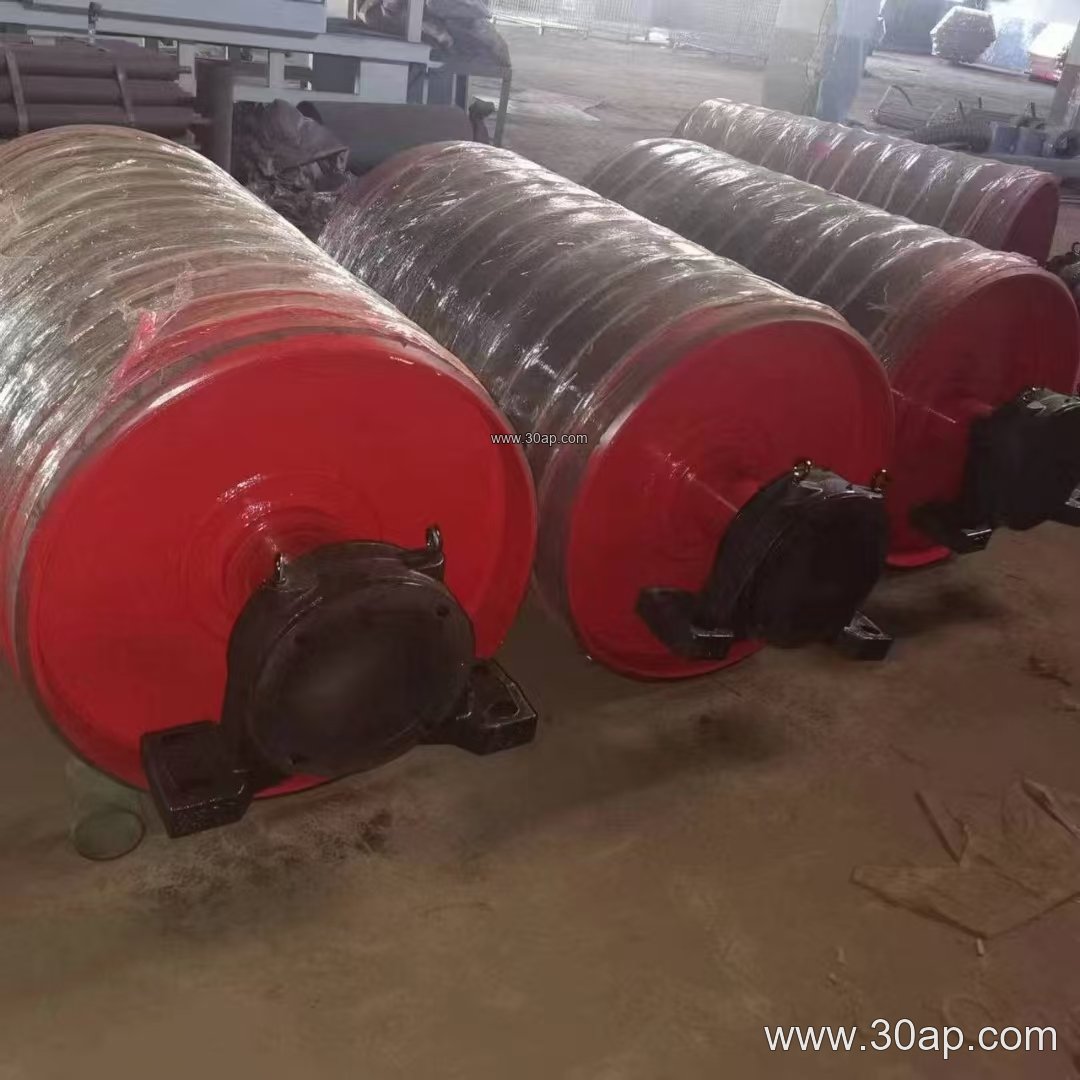
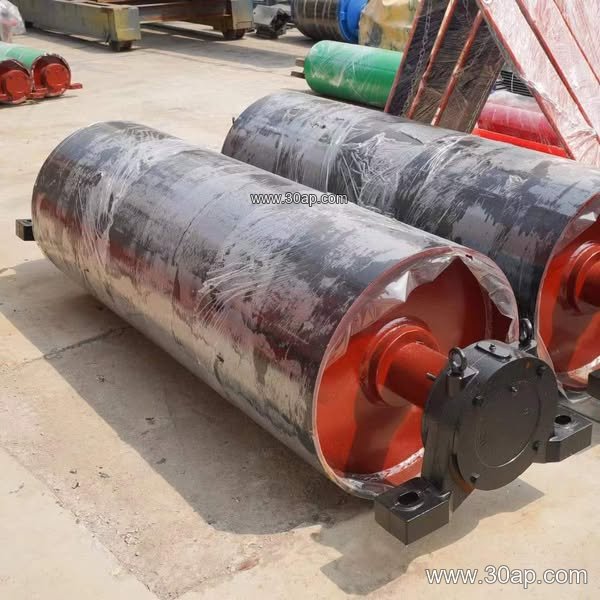
Construction and Surface Options
The core is usually a welded steel shell with end discs, a hub, and a shaft, machined so the pulley runs true. Lagging protects the shell and improves grip. Common surface forms include plain, hot-vulcanized rubber, cold-bonded rubber, diamond grooving, herringbone grooving, and ceramic tiles. Lagging thickness is often 8, 10, 12, 15, or 20 mm, chosen by contact pressure and material carryback rather than by habit.
Shell width generally exceeds belt width so the belt has room to run. Typical pairings seen in design tables include B800 with roughly 950 mm face, B1200 with about 1400 mm, and B1600 with about 1800 mm. A B1200 x D1000 or B1400 x D800 combination may appear in a project, but no single diameter is fixed for a given belt width; torque, belt tension, wrap angle, and shaft load decide the final geometry. Shaft diameters such as 100, 120, 140, 160, and 180 mm are common references, yet the real value must come from the torque and bending load calculation.
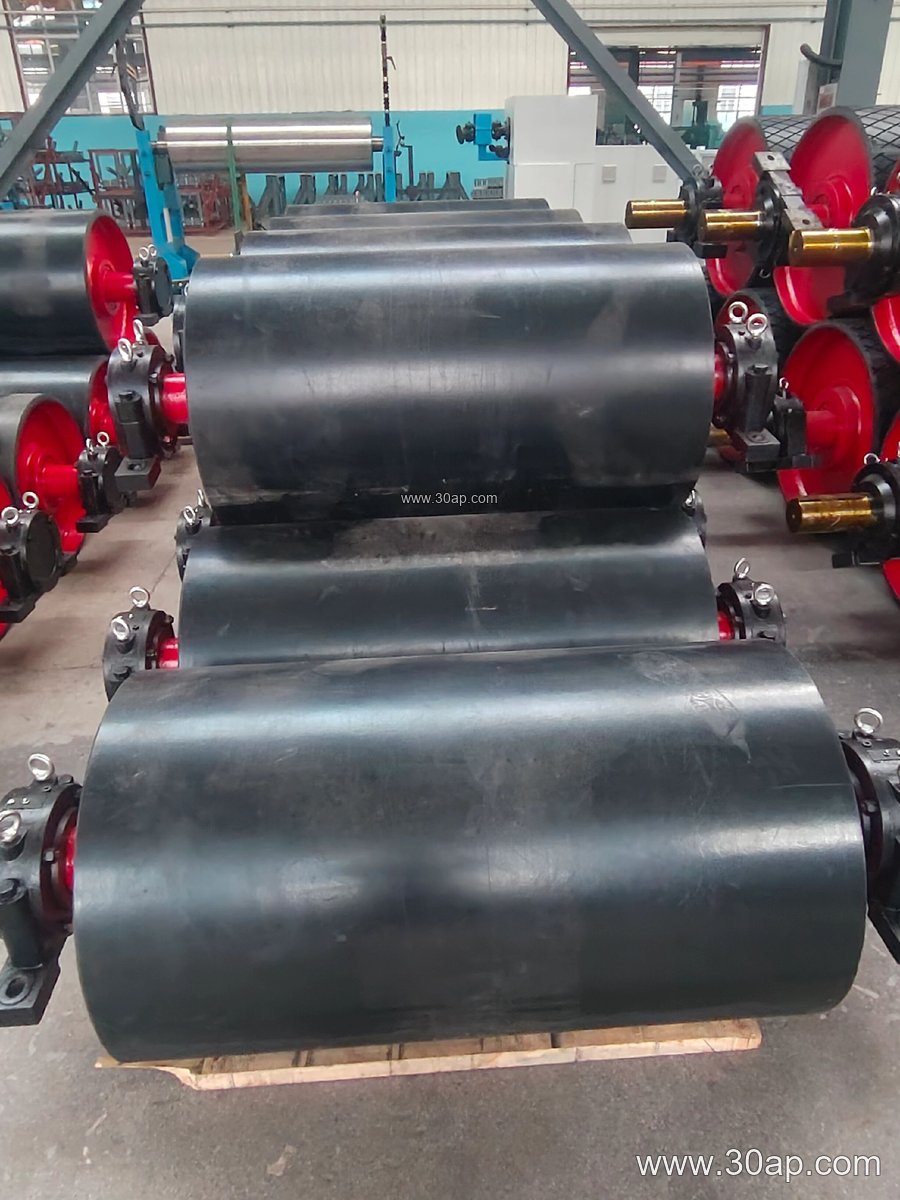
Matching the Pulley to the Belt and the Plant
In a steel plant, the conveyor belt itself dictates much of the pulley design. A heavy-duty mining conveyor belt or high abrasion resistant conveyor belt carrying sinter and coke fines puts different demands on lagging than a heat resistant conveyor belt on a hot clinker path. Where oil mist or hydraulic leakage is present, an oil resistant conveyor belt and oil-tolerant lagging help. On inclined transfer points, a chevron conveyor belt or corrugated sidewall conveyor belt may need a different pulley face and clearance check.
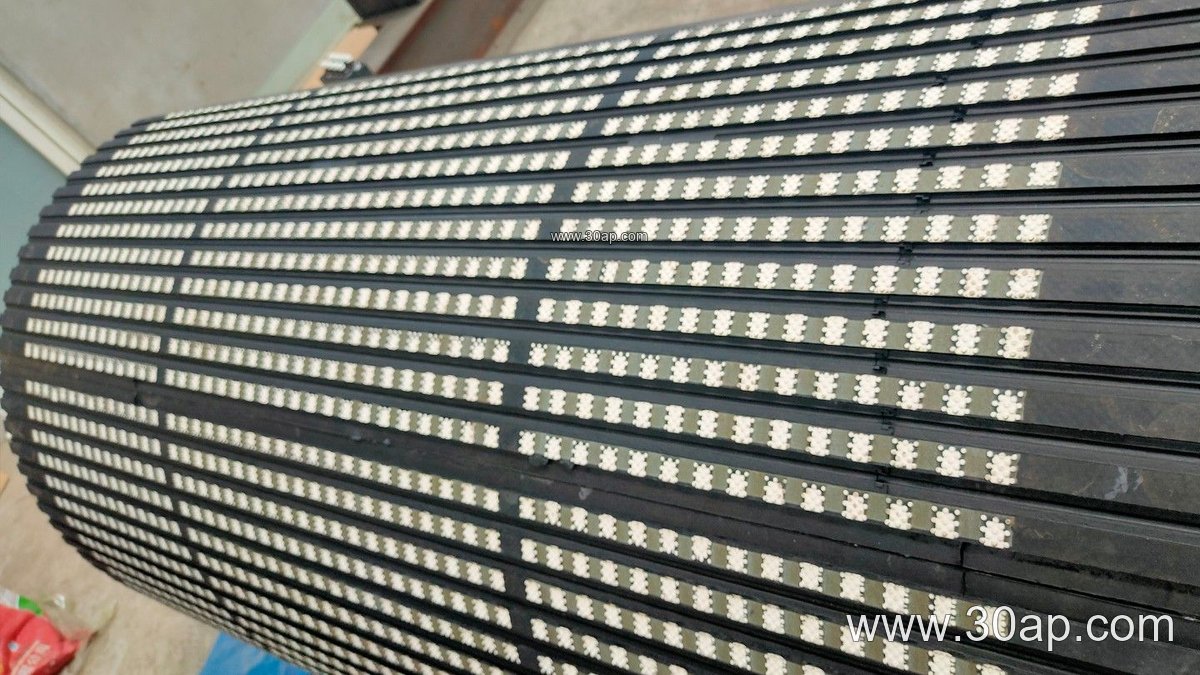
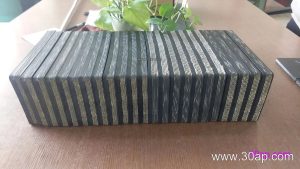
Fabric core and steel cord constructions also change the picture. An EP conveyor belt or multi-ply fabric core conveyor belt tolerates tighter pulley diameters than a stiff steel cord conveyor belt, which usually needs larger drums to limit bending stress. For underground or dusty service, a flame retardant conveyor belt and anti-static conveyor belt are often specified alongside the pulley, and the lagging should be selected with the same fire and static concerns in mind.
Where It Runs in Steel Production
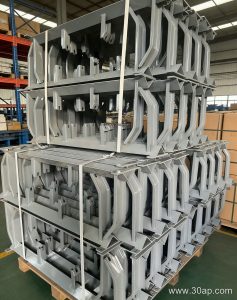
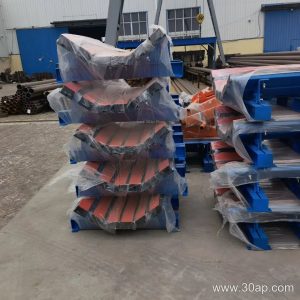
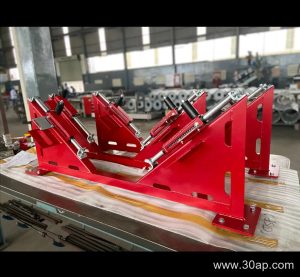
Typical locations include raw material receiving, sinter feed, coke handling, limestone and dolomite transfer, and slag or scale collection. Similar pulley duties appear in cement plants, power plant coal yards, and quarry or aggregate lines, but the steel plant version often faces tighter space, higher temperatures, and more continuous operation. In these positions, the pulley works with conveyor idler rollers and conveyor brackets to hold alignment, so a small runout error at the drum can shorten idler and belt life.
Buyer Checklist
- Confirm the duty: drive, tail, bend, take-up, or snub, since each has a different load profile.
- State belt type and width, for example an EP1000 or ST1600 belt at 1200 mm, so the drum face and diameter can be checked together.
- Specify lagging form and thickness only after reviewing carryback, heat, and grip requirements.
- Ask for the shaft load and bearing life basis rather than accepting a shaft size copied from a belt width table.
- Confirm balancing, runout, and surface finish expectations for the planned operating speed.
- Plan inspection of lagging wear, bolt tightness, and bearing condition during scheduled shutdowns.
For more on related components such as conveyor belt, idler roller, and conveyor pulley selections, visit www.beltconveyorparts.com and compare the pulley duty with the full conveyor layout before ordering.