What a Conveyor Bracket Assembly Does
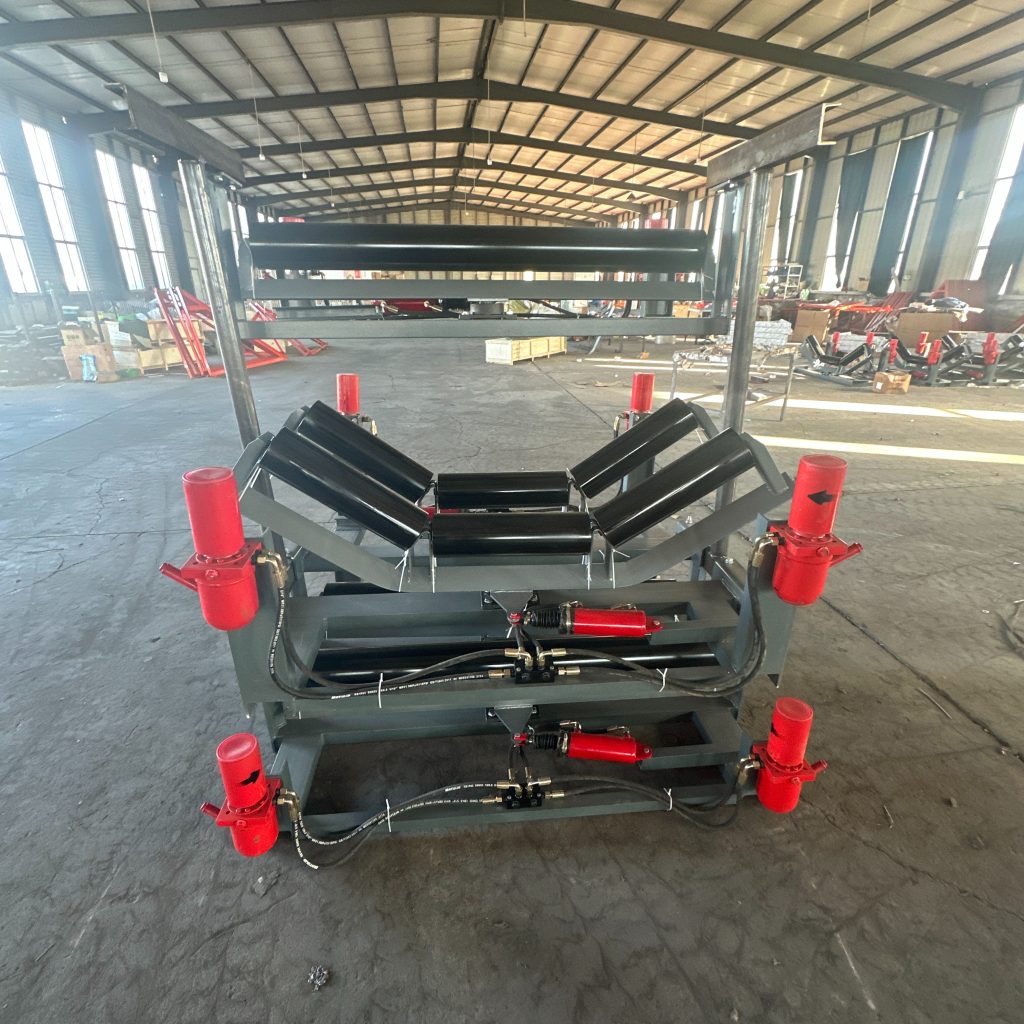
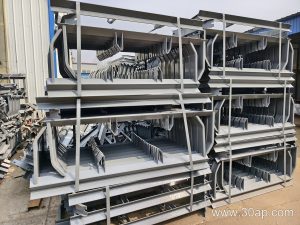
A conveyor bracket assembly is the structural support that holds idler rollers in the correct position under and along a conveyor belt. It is not a single loose part but a complete unit, usually a formed steel frame with mounting slots, cross beams and fixing points that keep the rollers aligned at the chosen trough angle. In a quarry, a cement plant or a power plant coal yard, these assemblies carry the weight of the belt and the bulk material while allowing the rollers to spin freely. Without a properly built bracket assembly, even a good conveyor pulley and a strong belt cannot run straight for long.
Buyers often search for a conveyor bracket or a roller support frame, and these names describe the same product family. The assembly is the interface between the conveyor structure and the rotating parts, so its accuracy affects belt tracking, noise and roller life.
How the Assembly Is Built
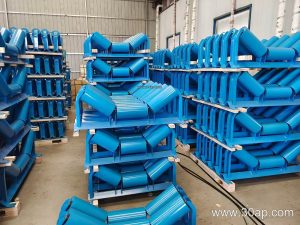
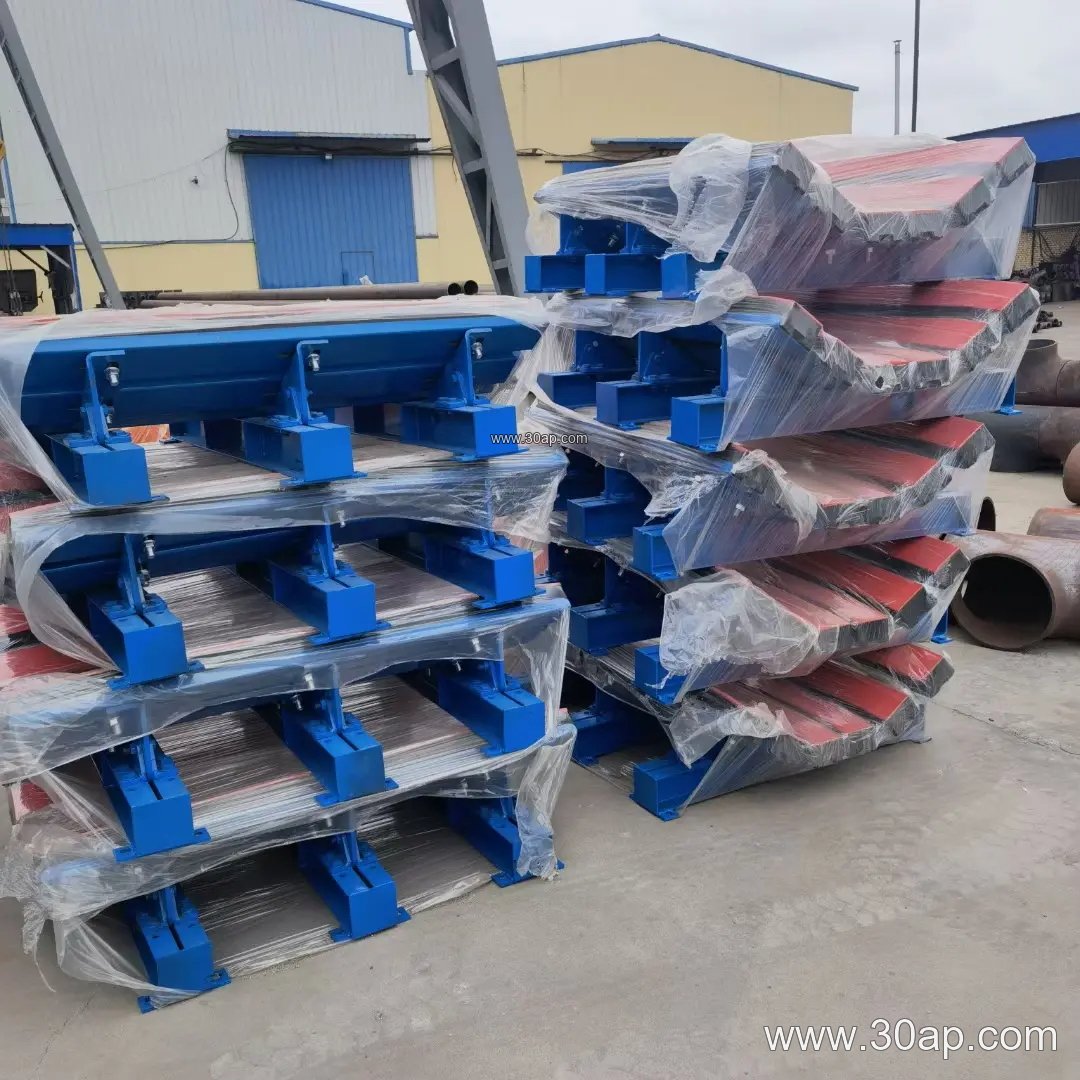
Most units are fabricated from angle steel, channel steel or folded steel plate. The frame is cut, punched and welded, then finished with painting or galvanizing depending on the environment. A typical troughing assembly has two or three roller seats set at a fixed or adjustable angle, while a return assembly may be flat or V-shaped. Adjustable versions allow the operator to change the trough angle on site, which is useful when a line handles different materials.
Key build details a buyer should check include weld quality, hole alignment, frame squareness and the thickness of the steel. The mounting hole spacing and cross beam length change with belt width and trough angle, so they should be confirmed against the conveyor drawing rather than assumed.
Common Types and Where They Fit
Different positions on a conveyor call for different bracket designs. The table below shows typical arrangements and their usual duty.
| Assembly Type | Typical Position | Common Use |
|---|---|---|
| Troughing bracket | Carrying side | Supporting a loaded belt at 20 to 45 degrees |
| Transition bracket | Near pulleys | Guiding the belt from flat to troughed shape |
| Return bracket | Return side | Holding return rollers, flat or V type |
| Impact bracket | Load point | Carrying impact rollers under a chute |
| Self-aligning bracket | Long runs | Correcting minor belt drift |
These are support frames, not drive, tail or bend pulleys, and they are not interchangeable with those components. A drive pulley transmits power, a tail pulley returns the belt, and a bend pulley changes direction; the bracket assembly only holds rollers in place.
Matching Belt Width, Trough Angle and Roller Diameter
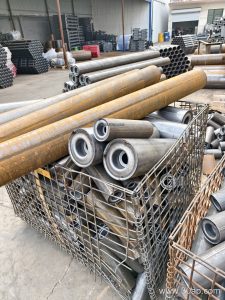
Selection starts with the belt width and the material load. Common widths include B500, B650, B800, B1000, B1200, B1400, B1600 and B1800, and wider frames are made for large bulk systems. Trough angles of 20, 30, 35 and 45 degrees are common, while forward-leaning rollers are often set at about 1.5 to 2 degrees. Roller diameters such as Ø89, Ø108, Ø133, Ø159 and Ø194 are matched to the belt speed and load.
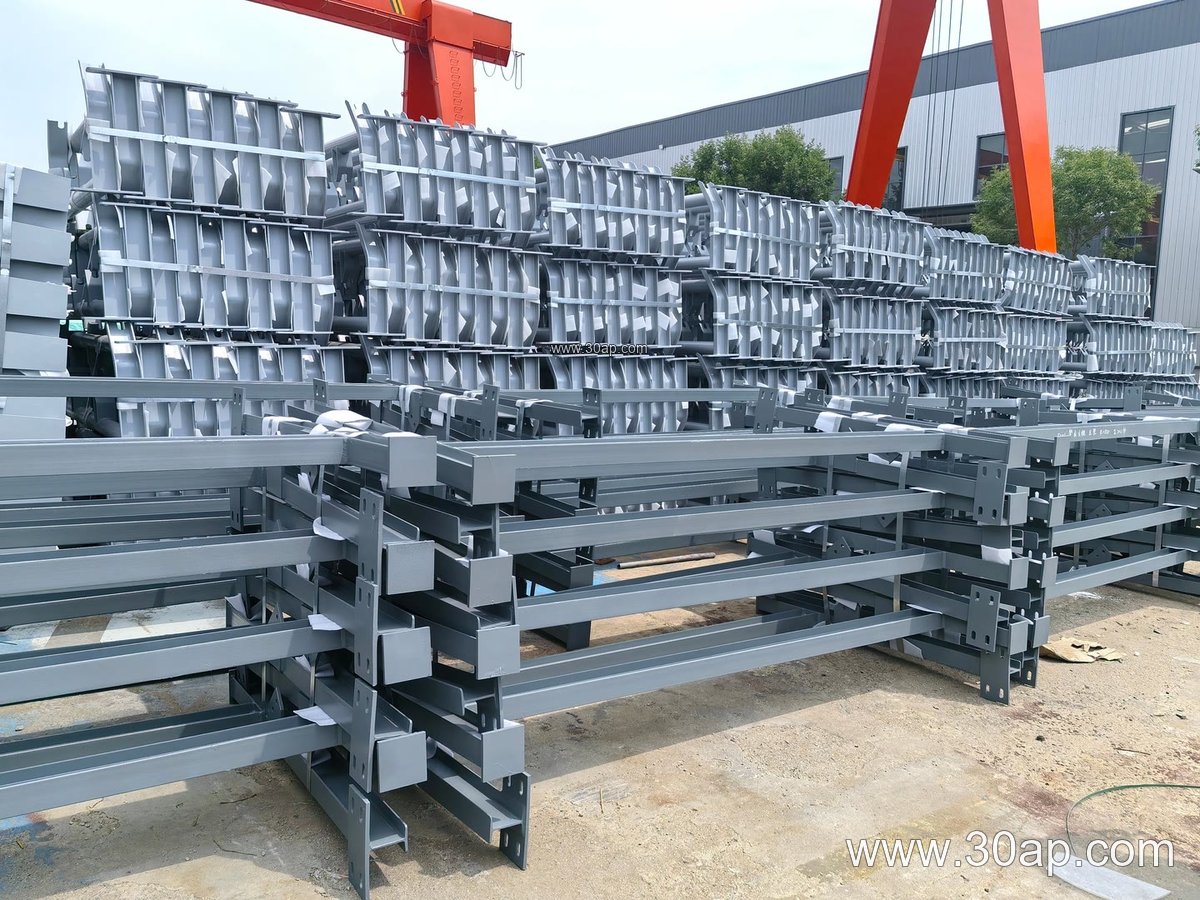
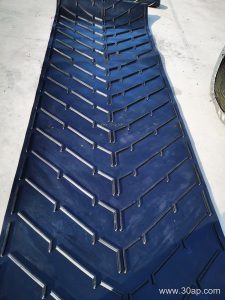
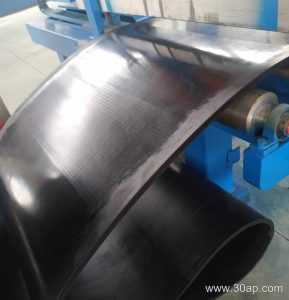
There is no fixed rule that one belt width must use one trough angle or one roller diameter. A B800 frame may be built at 35 degrees with Ø108 rollers, and a B1200 frame may use 45 degrees with Ø133 rollers, but the final combination should follow the conveyor design. When the belt is a heavy-duty mining conveyor belt or a steel cord conveyor belt carrying ore, the frame and roller seats usually need more strength than a light sand line.
Where These Assemblies Are Used
In a limestone quarry or a crushing and screening line, troughing and impact brackets sit under the crusher discharge and along the main haulage belt. In a coal washing plant or a power plant coal yard, flame retardant and anti-static belts run on frames that must resist dust and moisture. Cement plants use them on clinker and raw meal lines, while port and ship loading systems rely on long rows of aligned brackets to keep wide belts tracking.
The bracket assembly works together with the conveyor belt, idler roller and conveyor pulley, so alignment at each support point matters. A small height error at one frame can cause the belt to drift and wear the roller edges.
Buyer Checklist
- Confirm belt width, trough angle and roller diameter against the drawing.
- State the material and environment, such as wet coal, hot clinker or abrasive ore.
- Choose fixed or adjustable frames based on whether the angle will change.
- Check steel thickness, finish and hole spacing before ordering.
- Ask for the assembly to be matched with the selected roller type and pulley layout.
For a reliable conveyor bracket assembly, the goal is simple: a straight, strong frame that keeps rollers in line and lets the belt run smoothly through every shift.