What a Conveyor Idler Bracket Does
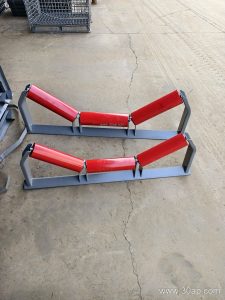
A conveyor idler bracket is the structural component that holds each idler roller at the correct position and angle beneath the conveyor belt. It is sometimes called a conveyor bracket or idler support bracket, and it acts as the link between the idler and the conveyor frame. In a quarry, a cement plant, or a power plant coal yard, the bracket carries the weight of the belt and material while keeping the roller aligned so the belt tracks smoothly.
Without a properly sized bracket, idlers can sit out of line, the belt may drift, and wear accelerates on both the roller and the belt cover. The bracket is a small part with a large effect on the life of the whole conveyor.
Construction and Materials
Most brackets are fabricated from angle steel, channel steel, or folded steel plate. The choice depends on load, belt width, and the environment.
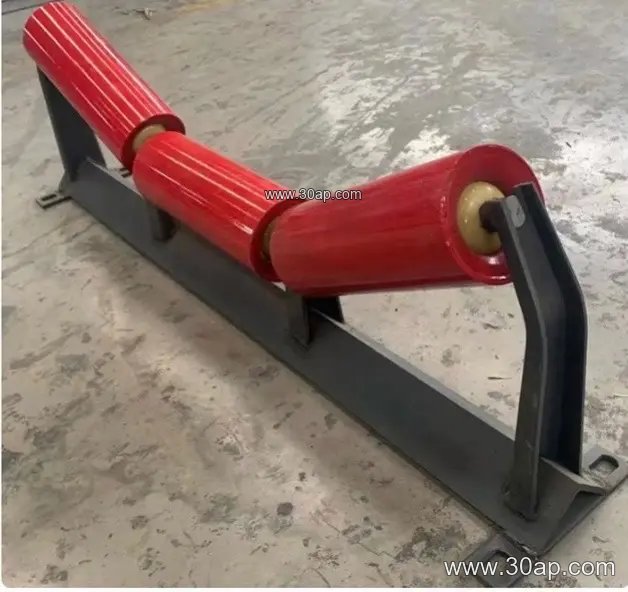
- Angle steel brackets suit light to medium loads and are common on aggregate and sand production lines.
- Channel steel brackets offer higher stiffness for heavy-duty mining and ore handling.
- Folded plate brackets give a cleaner profile and are often used where space is tight or corrosion protection is important.
Holes are punched or drilled to match the idler shaft ends, and the crossbeam length and mounting hole spacing follow the belt width and trough angle. These dimensions are determined by design rather than by a single universal standard.
Common Bracket Types
The bracket family covers several positions along the conveyor:
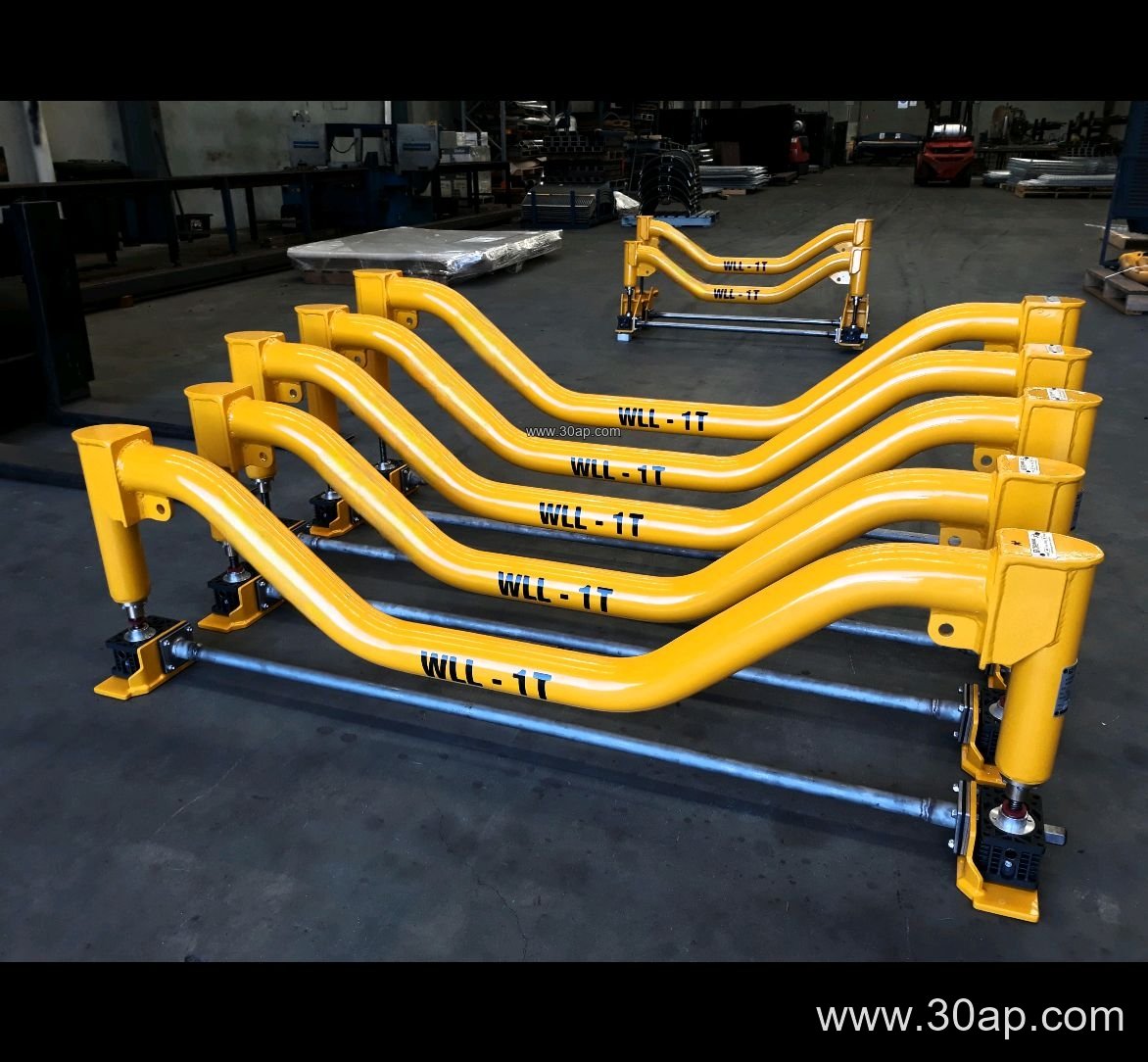
- Troughing brackets hold three or five idlers in a trough shape on the carrying side.
- Transition brackets support the belt between the pulley and the first full trough set.
- Return brackets and V-return brackets support the belt on the return run.
- Impact brackets carry impact idlers below the loading point.
- Self-aligning brackets help correct belt tracking.
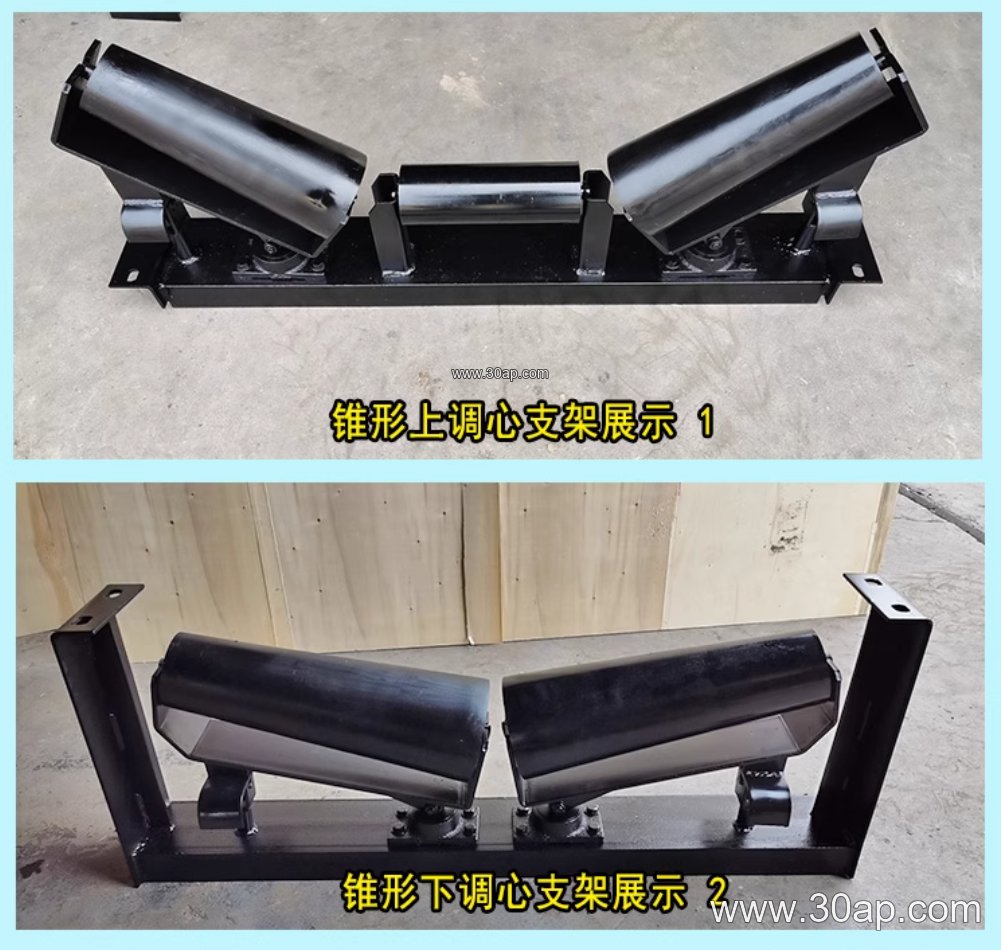
- Adjustable brackets allow the trough angle to be changed on site.
Drive pulleys, tail pulleys, and bend pulleys are separate components and are not interchangeable with brackets; they serve different functions in the conveyor layout.
Matching Brackets to Belt and Idler Size
Belt width and roller diameter are usually selected together. Typical reference combinations include B800 with a 35 degree trough and Ø108 idlers, B1200 with 45 degrees and Ø133, or B650 with 30 degrees and Ø89. These are common examples, not fixed rules. A wider belt does not automatically dictate one trough angle or one roller diameter.
| Belt Width | Common Trough Angle | Typical Idler Diameter |
|---|---|---|
| B500 | 20–30 degrees | Ø89 |
| B650 | 30–35 degrees | Ø89–Ø108 |
| B800 | 30–35 degrees | Ø108 |
| B1000 | 35 degrees | Ø108–Ø133 |
| B1200 | 35–45 degrees | Ø133 |
| B1400 | 35–45 degrees | Ø133–Ø159 |
| B1600 | 35–45 degrees | Ø159 |
| B1800 | 35–45 degrees | Ø159–Ø194 |
| B2000 | 35–45 degrees | Ø194 |
For a heavy-duty mining conveyor belt carrying iron ore or copper ore, larger rollers and stiffer channel brackets are often used. On a food grade conveyor belt line, stainless or coated brackets may be preferred for hygiene. A flame retardant conveyor belt in an underground coal mining conveyor system needs brackets that resist corrosion and keep alignment in cramped galleries.
When specifying, confirm the belt width, trough angle, idler diameter, and mounting hole spacing with the conveyor designer. On a 1200mm wide conveyor belt, for example, the bracket crossbeam must match the frame and the selected idler shaft.
Where These Brackets Are Used
Conveyor idler brackets appear wherever bulk material moves on a belt. In a limestone mine or crushing and screening plant, troughing brackets support the belt through the loading zone and along the incline. In a cement plant, they carry clinker and raw meal on long overland conveyors. In a power plant coal yard, flame retardant and abrasion resistant belts run on brackets designed for dusty, high-tonnage duty.
They are equally important in a fertilizer plant, a grain silo, a steel plant sinter line, or a port ship loading conveyor. The bracket type changes with the position, but the principle stays the same: hold the idler roller steady so the conveyor belt runs true.
Buyer Checklist
- Confirm belt width and the required trough angle before ordering.
- Match the bracket hole pattern to the idler shaft and frame.
- Choose material thickness based on load and environment.
- Decide between fixed and adjustable brackets where tracking or angle changes matter.
- Check corrosion protection for wet, coastal, or underground conditions.
- Order brackets together with idlers so dimensions are consistent.
For buyers sourcing through conveyoridlerbracket.com, the practical approach is to treat the bracket as part of a system with the idler roller, conveyor pulley, and belt. A bracket that fits the frame and matches the roller will outlast one that is forced into place.