What an Impact Idler Bracket Does
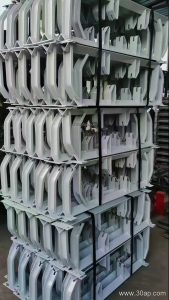
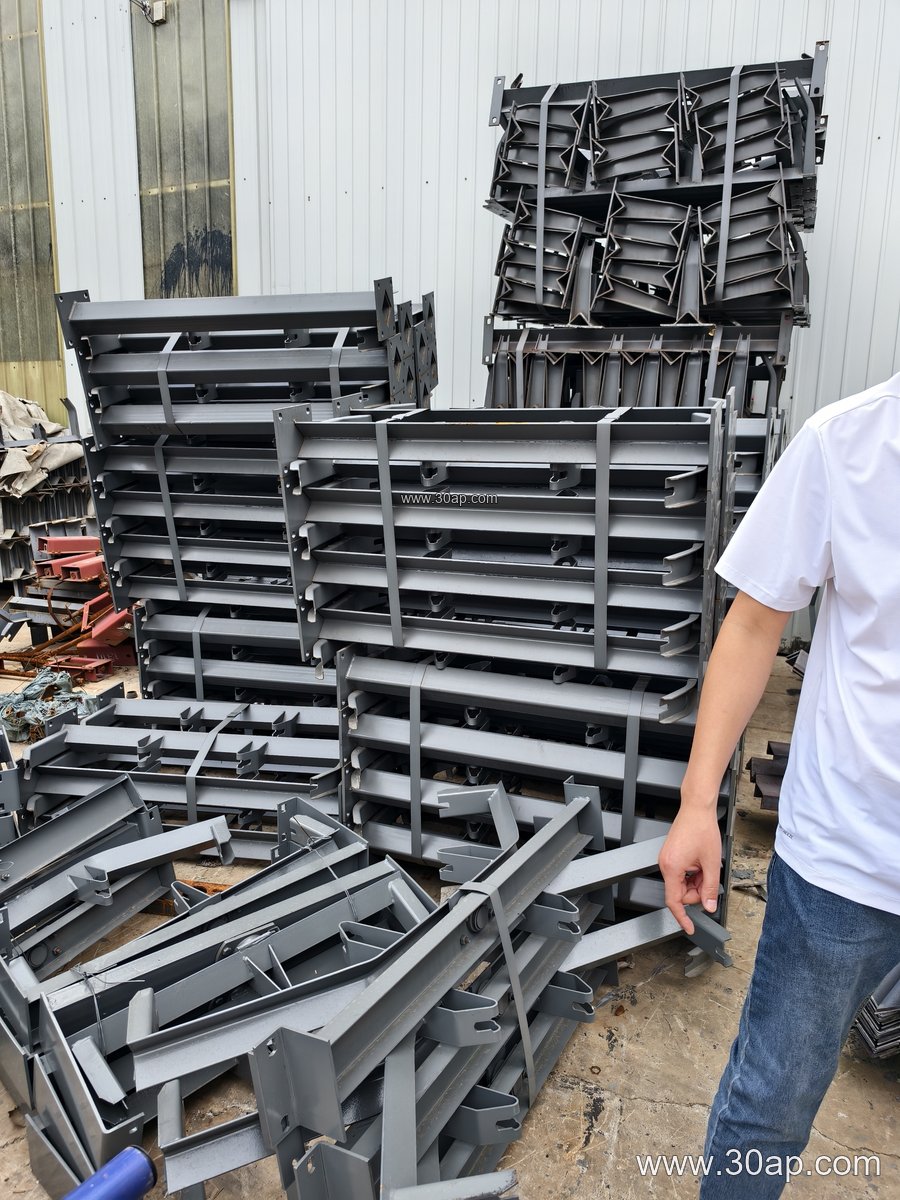
An impact idler bracket is the support structure that holds the impact (buffer) idlers directly beneath a conveyor loading point. Where material drops onto the belt, the bracket absorbs and distributes the repeated shock of falling rock, ore, or aggregate, keeping the rollers aligned and the belt supported. In a quarry, a coal preparation plant, or a crushing and screening line, this small steel component often decides how long the belt and rollers in the loading zone survive.
The bracket works together with the conveyor belt, the impact idler roller, and the surrounding conveyor bracket framework. It is not a pulley or a drive component, so it should never be confused with a drive pulley, tail pulley, or bend pulley, which serve completely different functions in the conveyor system.
Construction and Materials
Most impact idler brackets are fabricated from angle steel, channel steel, or folded steel plate. The design priority is stiffness under vertical shock rather than light weight. Common features include:
- Reinforced crossbeams sized to the belt width and trough angle
- Mounting slots that accept standard idler shaft ends
- Rubber or polyurethane cushioning in some designs to damp impact energy
- Bolted or welded connections to the main conveyor bracket frame
Because the loading zone is where a high abrasion resistant conveyor belt or impact resistant conveyor belt takes the hardest hits, the bracket should be checked for weld quality, plate thickness, and hole alignment before installation.
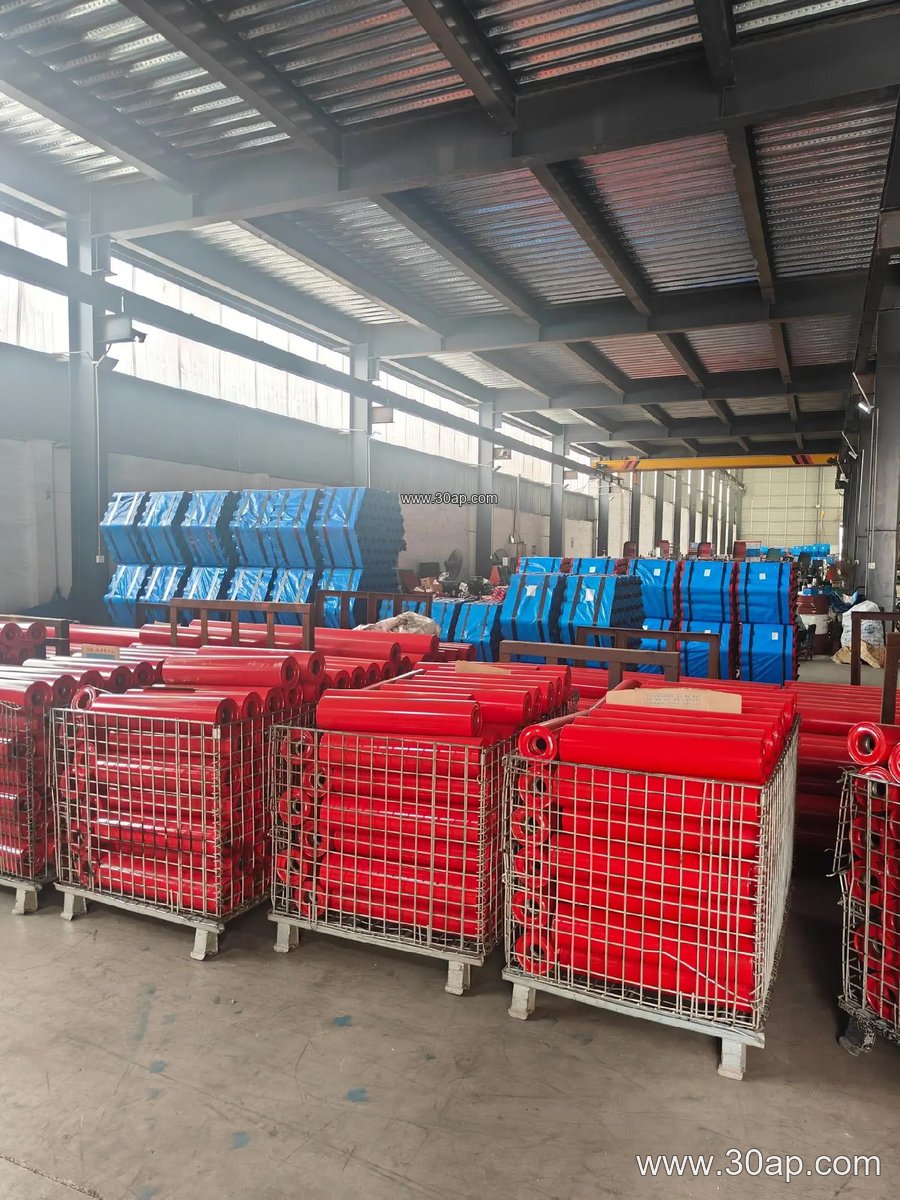
Where It Fits in the Conveyor
The impact bracket sits at the transfer chute, typically replacing or supplementing standard troughing brackets for a short distance downstream of the loading point. It is used across mining conveyor belts, quarry conveyor belts, cement plant conveyor belts, and power plant coal handling lines. In a port or ship loading terminal, the same component protects the belt where material falls from the loading spout.
Selection usually follows the belt width and the impact idler diameter. Reference combinations such as B800 with a 35 degree trough and Ø108 rollers, or B1200 with a 45 degree trough and Ø133 rollers, are common starting points, but the final choice depends on the conveyor design, material lump size, and drop height. Installation hole spacing and crossbeam length vary with belt width and trough angle and should be confirmed against the conveyor drawing.
Typical Reference Dimensions
The table below shows common reference values, not fixed supply specifications. Actual dimensions follow the conveyor design.
| Belt Width | Trough Angle | Idler Diameter | Typical Use |
|---|---|---|---|
| B500 | 20–30 degrees | Ø89 | Light aggregate lines |
| B650 | 30 degrees | Ø89–Ø108 | Sand and gravel plants |
| B800 | 35 degrees | Ø108–Ø133 | Cement and coal handling |
| B1000 | 35–45 degrees | Ø133 | Ore and heavy bulk material |
| B1200 | 35–45 degrees | Ø133–Ø159 | Mining and port conveyors |
| B1400–B1600 | 35–45 degrees | Ø159–Ø194 | High-capacity primary crushing |
| B1800–B2000 | 35–45 degrees | Ø194 | Large steel plant and port systems |
Adjustable brackets allow the trough angle to be changed between common values such as 20, 30, 35, and 45 degrees during commissioning. Forward-leaning arrangements of about 1.5 to 2 degrees are sometimes used to help belt tracking, though this is a design choice rather than a rule.
Buyer Checklist
Before ordering, confirm the belt width, the impact idler diameter and shaft size, the required trough angle, and the mounting pattern on the existing conveyor bracket. Ask whether the bracket is fixed or adjustable, and check the material grade and surface treatment for the site conditions. For dusty or wet environments, hot-dip galvanizing or a suitable coating may extend service life.
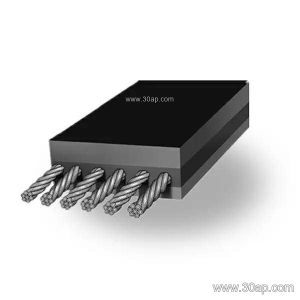
Also consider the belt type running above the bracket. A steel cord conveyor belt, an EP conveyor belt, or a multi-ply fabric core conveyor belt each responds differently to impact, and the bracket should match the loading severity rather than the belt price. In coal mining, flame retardant conveyor belt and anti-static conveyor belt requirements often come with specific bracket inspection routines.
Finally, plan a maintenance interval. Inspect the impact idler bracket for bent crossbeams, elongated bolt holes, and loose fasteners, especially after a chute blockage or a large lump passing through. Replacing worn impact idlers early protects both the bracket and the belt, and keeps the whole conveyor bracket assembly in alignment.