What a Side Guide Idler Does
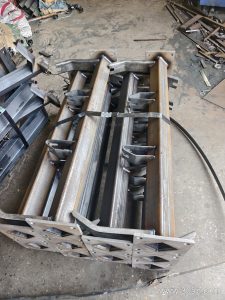
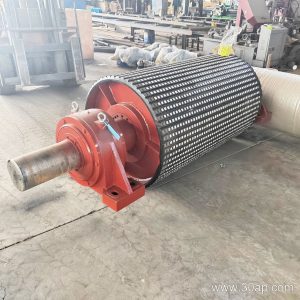
A side guide idler is a vertical-axis idler roller mounted at the belt edge to keep the conveyor belt from wandering off the pulleys. Unlike carrying idlers that support the loaded belt from below, this roll stands upright and contacts the belt edge only when tracking drifts. In a quarry or cement plant, a small amount of misalignment can cause spillage and edge damage, so a side guide idler acts as a simple mechanical stop that also spins to reduce friction. It is often used together with a conveyor bracket that positions the roll just outside the belt line, and it complements — but does not replace — a training idler or a crowned conveyor pulley in the tracking system.
Construction and Common Dimensions
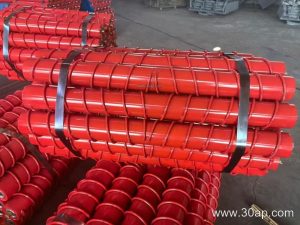
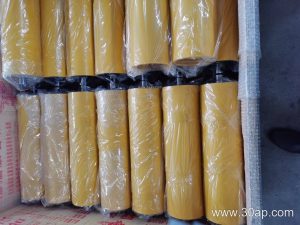
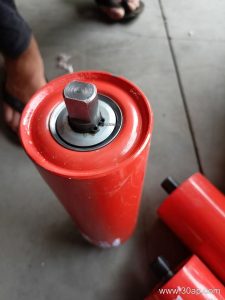
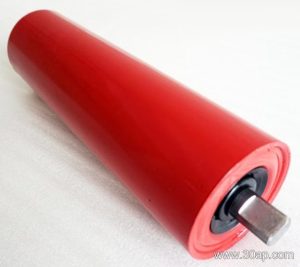
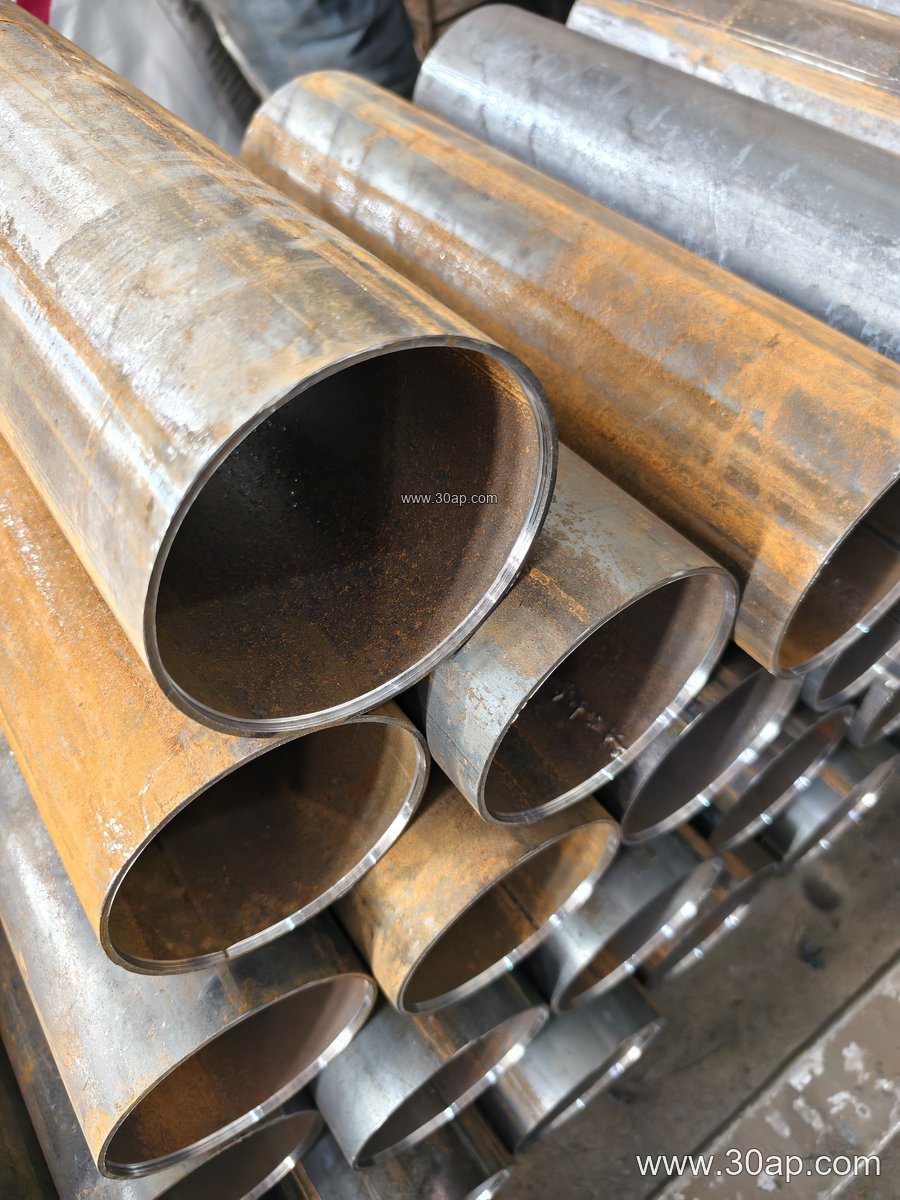
The body is typically a steel tube with a sealed bearing housed at each end of a short shaft. Roll surfaces may be plain steel, nylon, or rubber-coated to protect the belt edge. Because the roll is vertical, the bearing housing and seal design matter more than load rating; dust from limestone, coal, or clinker is the main enemy. Common roller diameters for this vertical duty are Ø63, Ø76, Ø89, and Ø102 mm, with larger sizes used on wide, heavy belts. Shaft length and mounting height are set by belt width and frame design, not by a single fixed rule. A buyer should confirm the belt width, the edge clearance available on the conveyor bracket, and the mounting hole pattern before ordering.
Where It Fits in a Conveyor Line
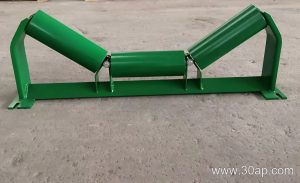
Typical locations include the head and tail areas, transfer points, and long spans where wind or off-center loading pushes the belt sideways. In a coal mining conveyor or a power plant coal handling line, side guide idlers are often placed just before the head pulley to square the belt before discharge. In sand and aggregate plants they appear near crusher discharge and along inclined sections. They are also found on pipe conveyor belt systems at the transition zone, where the belt changes from flat to tubular and edge control is critical. On a steel cord conveyor belt or a heavy-duty mining conveyor belt running at high tension, the side guide idler should be sturdy enough to resist occasional edge contact without bending.
Selection Notes for Buyers
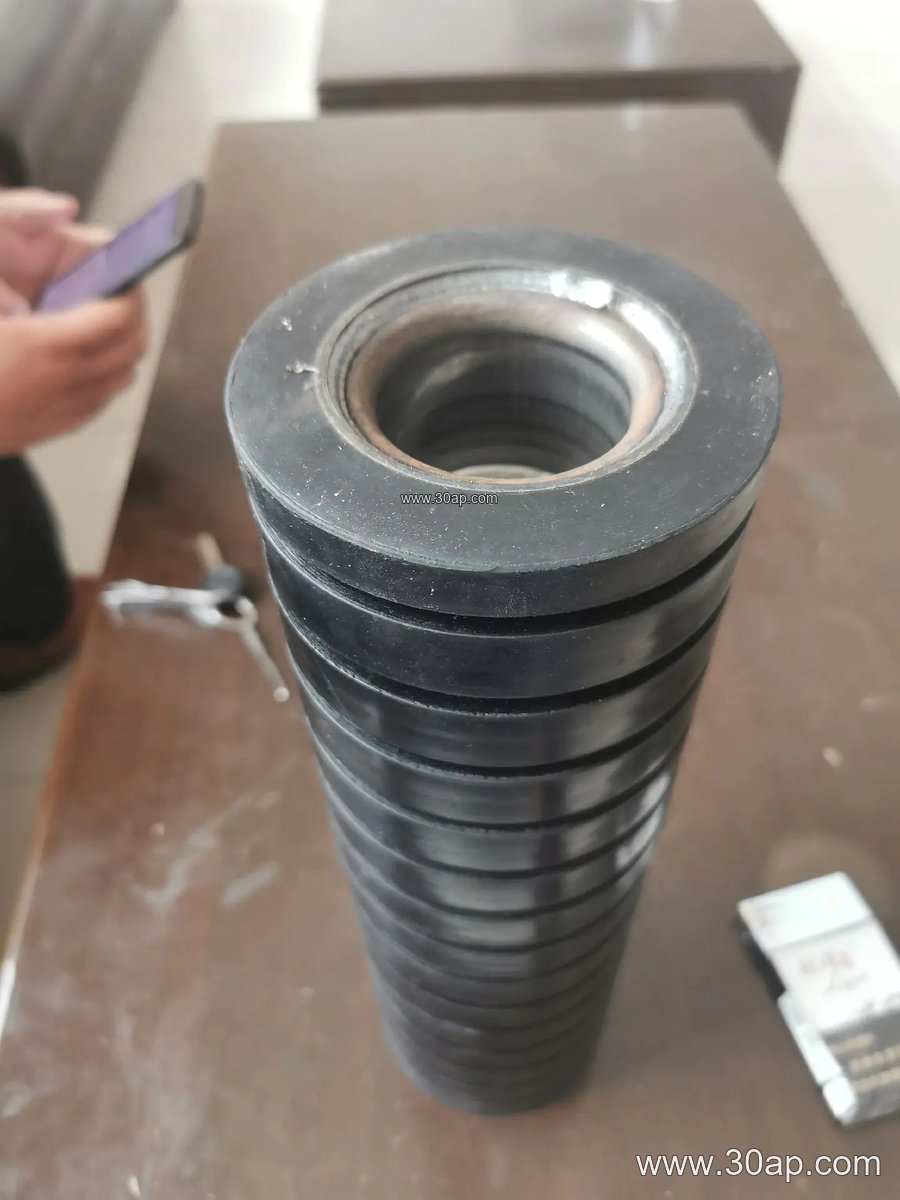
Start with belt width and belt type. A 650mm or 800mm conveyor belt needs a smaller, lighter guide roll than a 1800mm wide conveyor belt carrying iron ore. The roll surface should suit the belt: a rubber-covered roll is gentler on an abrasion resistant conveyor belt edge, while a nylon roll may be preferred where buildup is a concern. Check that the idler roller spins freely by hand and that the seal is suited to the site — a food grade conveyor belt line has different washdown needs than a cement plant. The mounting bracket must allow adjustment so the gap to the belt edge can be set in the field. Do not assume a side guide idler alone will correct a badly aligned conveyor; worn pulleys, off-center loading, and seized return idlers should be fixed first.
Maintenance and Comparison
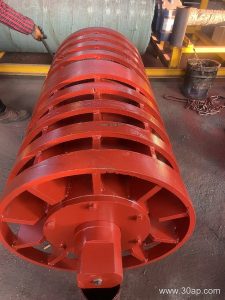
Inspect side guide idlers during routine belt checks. A roll that stops turning will flat-spot and wear the belt edge quickly. Replace seized bearings and check that the roll still stands vertical. For comparison, a return idler supports the empty belt from below, while a side guide idler works at the edge; the two are not interchangeable. Likewise, a drive pulley, tail pulley, and bend pulley each have a distinct role in the conveyor and should not be substituted for one another. Keeping the side guide idler free-turning and correctly positioned is a low-cost way to protect the conveyor belt and extend the life of the whole conveyor system.