What Makes a Ceramic Lagged Pulley Different
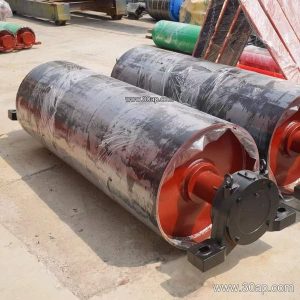
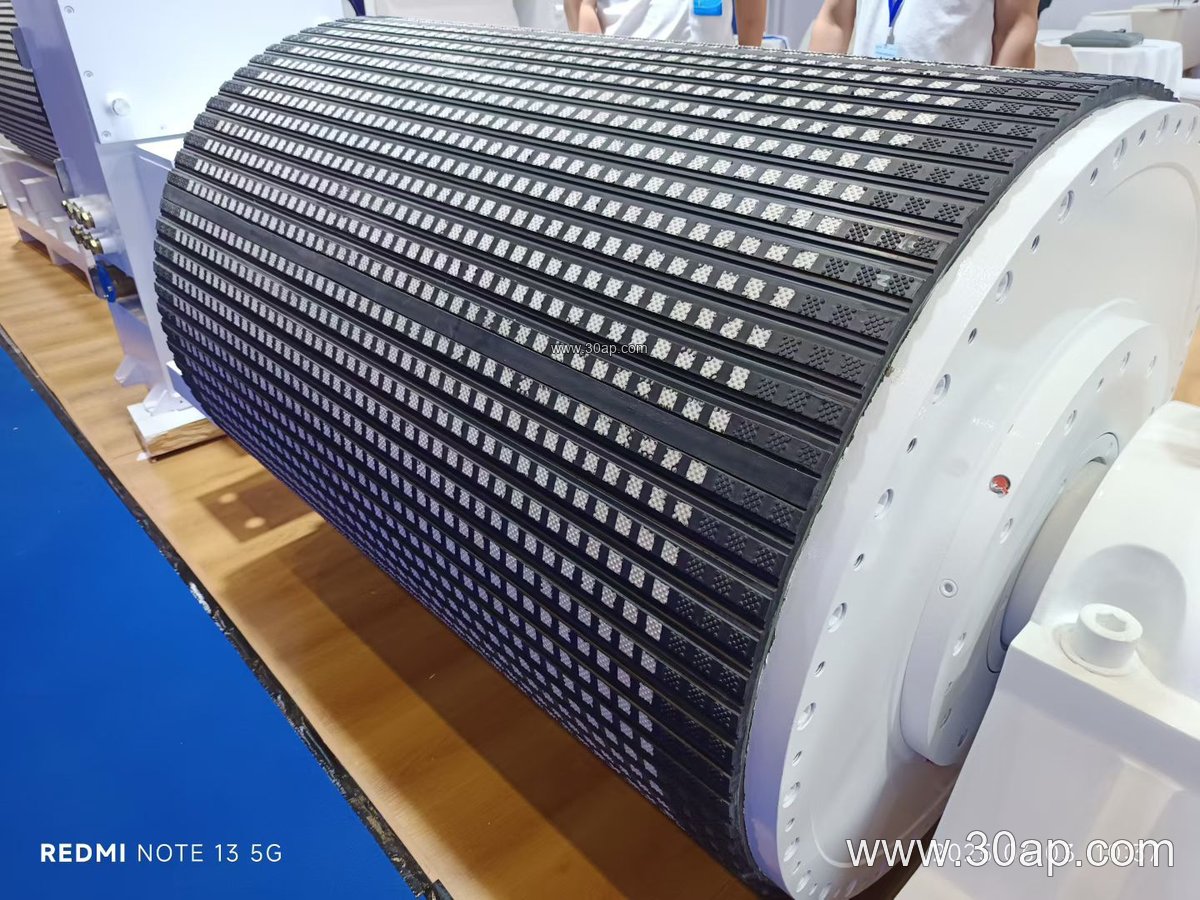
A wear-resistant ceramic lagged pulley is a conveyor pulley whose shell is covered with small ceramic tiles set in a rubber or polymer backing. The ceramic provides the actual contact surface, while the backing absorbs shock and holds the tiles in place. This arrangement is used where a standard rubber lagging would polish, glaze or wear through too quickly, especially on drive pulleys that must transmit high torque without slipping.
In bulk handling plants, the pulley is often simply called a ceramic lagged drum or ceramic pulley lagging. It is the same product under a shorter name. It should not be confused with a tail pulley or a bend pulley, which serve different positions on the conveyor and usually carry lighter traction duties.
How the Ceramic Surface Is Built
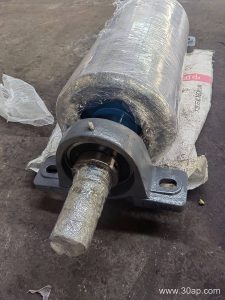
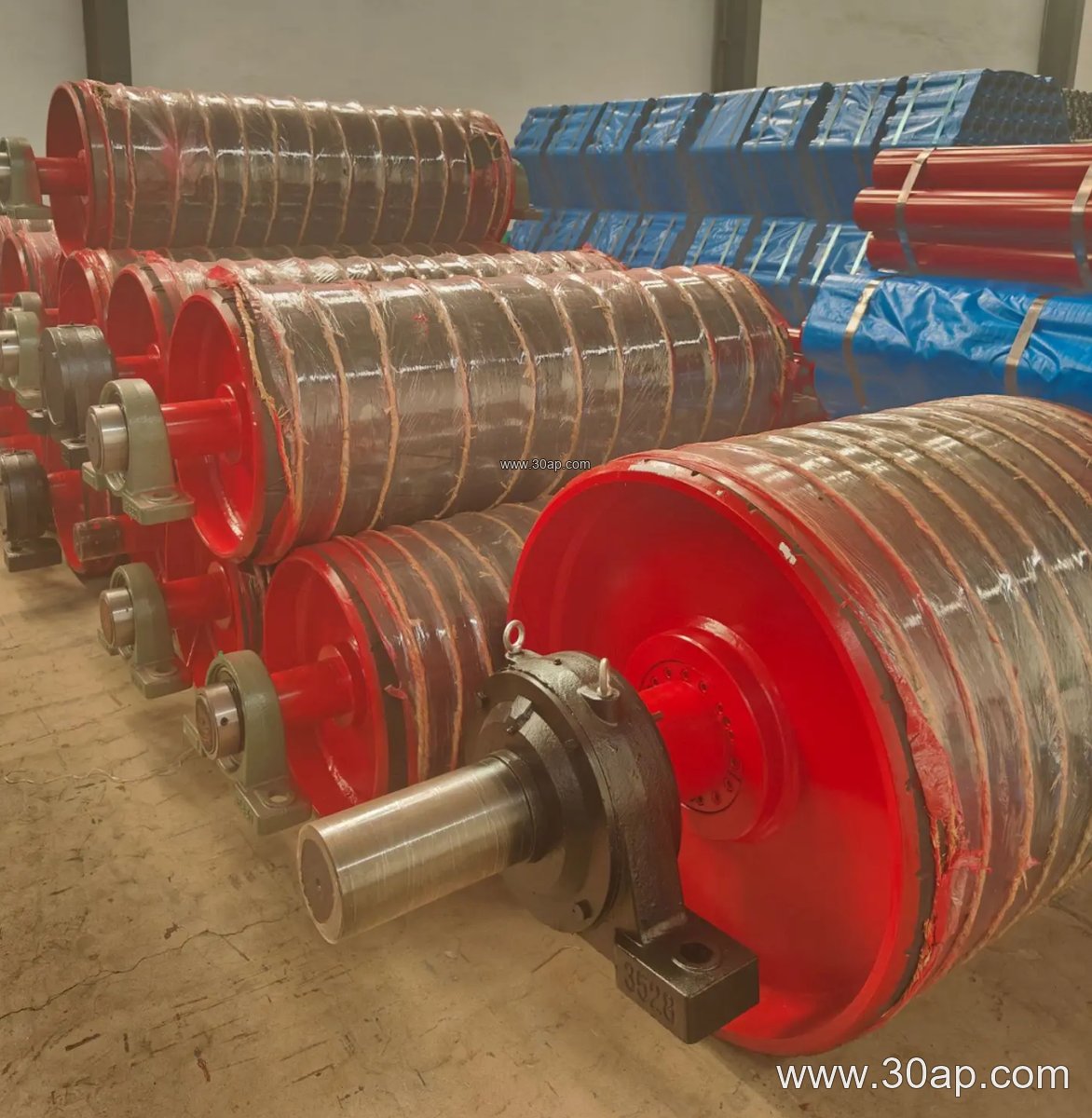
The pulley body is usually a welded steel shell with machined end discs and a shaft. Before lagging, the shell is cleaned and prepared so the bonding layer can grip. Ceramic tiles, typically with raised studs or a textured pattern, are embedded in the rubber sheet. The sheet is then applied by hot vulcanizing or cold bonding, depending on the workshop and the required duty.
- Ceramic tile pattern: studded, dimpled or grooved, chosen for grip on wet or dusty belts
- Lagging thickness: commonly 8, 10, 12, 15 or 20 mm, with the ceramic layer adding hardness at the surface
- Shell construction: welded steel drum with machined faces and a keyed or shrink-fit shaft connection
- Surface options: ceramic lagging is normally supplied on drive or head pulleys, while plain or rubber surfaces are used elsewhere
The raised ceramic studs press into the belt cover and squeeze water and fines away from the contact patch. That is why ceramic lagging is often chosen for wet, muddy or oily conditions where smooth rubber would lose grip.
Where It Fits on the Conveyor
The main application is the drive position, where the pulley must transfer motor torque to the belt. A wear-resistant ceramic lagged pulley is also used on head pulleys that combine driving and unloading duties. In a quarry or sand and aggregate line, it may run behind a crusher conveyor belt handling sharp, abrasive rock. In a coal washing plant or power station coal yard, the ceramic surface helps maintain traction when the belt is damp.
Other positions are handled differently. A tail pulley or bend pulley normally uses plain or rubber lagging because its job is to guide the belt, not to pull it. A tension pulley may use ceramic lagging only when the wrap angle and load justify it. Matching the pulley type to its position matters more than choosing the hardest surface everywhere.
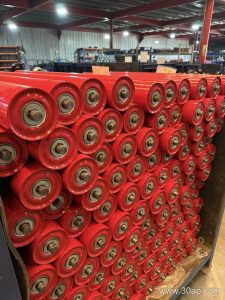
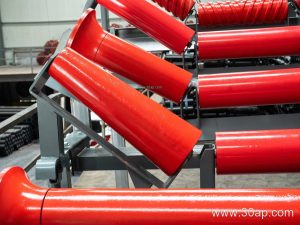
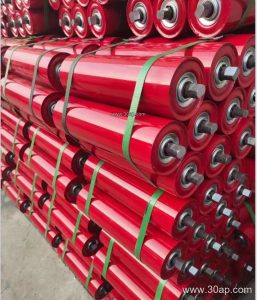
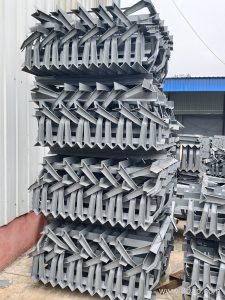
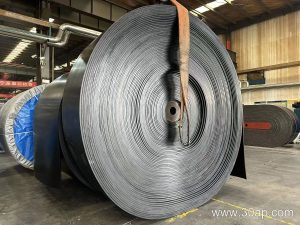
Ceramic lagging also works alongside the rest of the conveyor system: the conveyor belt, the idler roller sets and the conveyor bracket that holds each pulley assembly. A worn belt cover or seized idlers can overload a drive pulley, so the lagging should be reviewed as part of the whole line.
Sizing and Selection Notes
Diameter and face width are selected from belt width, wrap angle, torque and belt tension, not from a single fixed rule. A B800 belt might run on a Ø500 drive pulley in one plant and a larger diameter in another, depending on speed and load. Face width is usually slightly greater than belt width, for example about 950 mm for B800 or about 1400 mm for B1200. Shaft diameter is determined by torque and bearing loads, commonly in the range of Ø80 to Ø200 for heavy drives, but the final value comes from the design calculation.
| Parameter | Common reference values |
|---|---|
| Belt width | B650, B800, B1000, B1200, B1400, B1600, B1800 |
| Pulley diameter | Ø400, Ø500, Ø630, Ø800, Ø1000, Ø1250 |
| Ceramic lagging thickness | 8, 10, 12, 15, 20 mm |
| Face width examples | B800 about 950 mm; B1200 about 1400 mm; B1400 about 1600 mm |
| Shaft diameter range | Ø80 to Ø200, by torque calculation |
Buyers should confirm the belt speed, motor power, wrap angle and working environment before ordering. For a high-torque drive on an abrasive ore conveyor, ceramic lagging is a practical choice; for a light bend position, a simpler surface is usually enough.
Buyer Checklist and Maintenance
Ask for the ceramic tile pattern, lagging thickness, shell material and shaft details in the quotation. Check that the pulley diameter suits the belt and that the face width allows the belt to run clear of the end discs. On site, inspect the ceramic surface for cracked or missing tiles during planned shutdowns, and keep the belt cleaner working so fines do not pack into the lagging. A worn ceramic lagged pulley can be re-lagged rather than replaced in many cases, which keeps the drive drum in service longer.
Related equipment such as the conveyor belt, idler roller and conveyor bracket should be checked at the same time, because traction problems often start with a loose belt or a dragging idler rather than the pulley itself.