What a Five-Roll Idler Bracket Does
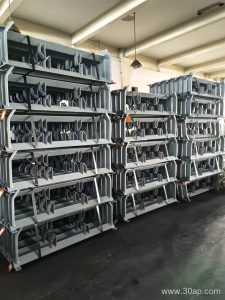
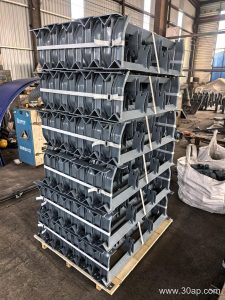
A five-roll idler bracket is a support frame that carries five idler rollers under the belt line. Instead of the usual three-roll trough set, it spreads the load across a wider arc, which helps on high-capacity belts where the material column is deep and the belt needs extra support at the edges. In quarry and aggregate circuits, this bracket often appears where a 1200mm or 1400mm conveyor belt carries heavy, lumpy rock after primary crushing. The same support logic is used in power plant coal handling and in cement plant raw-material lines, where a Fabric Core Conveyor Belt or Steel Cord Conveyor Belt runs at high tension and the idler frame must keep the belt profile stable.
The five-roll arrangement is not a replacement for a bend pulley or a drive pulley; it belongs to the idler side of the conveyor. It is also different from a standard three-roll trough bracket, and that difference matters when you compare trough angles and belt widths.
How the Bracket Is Built
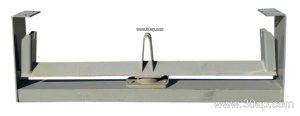
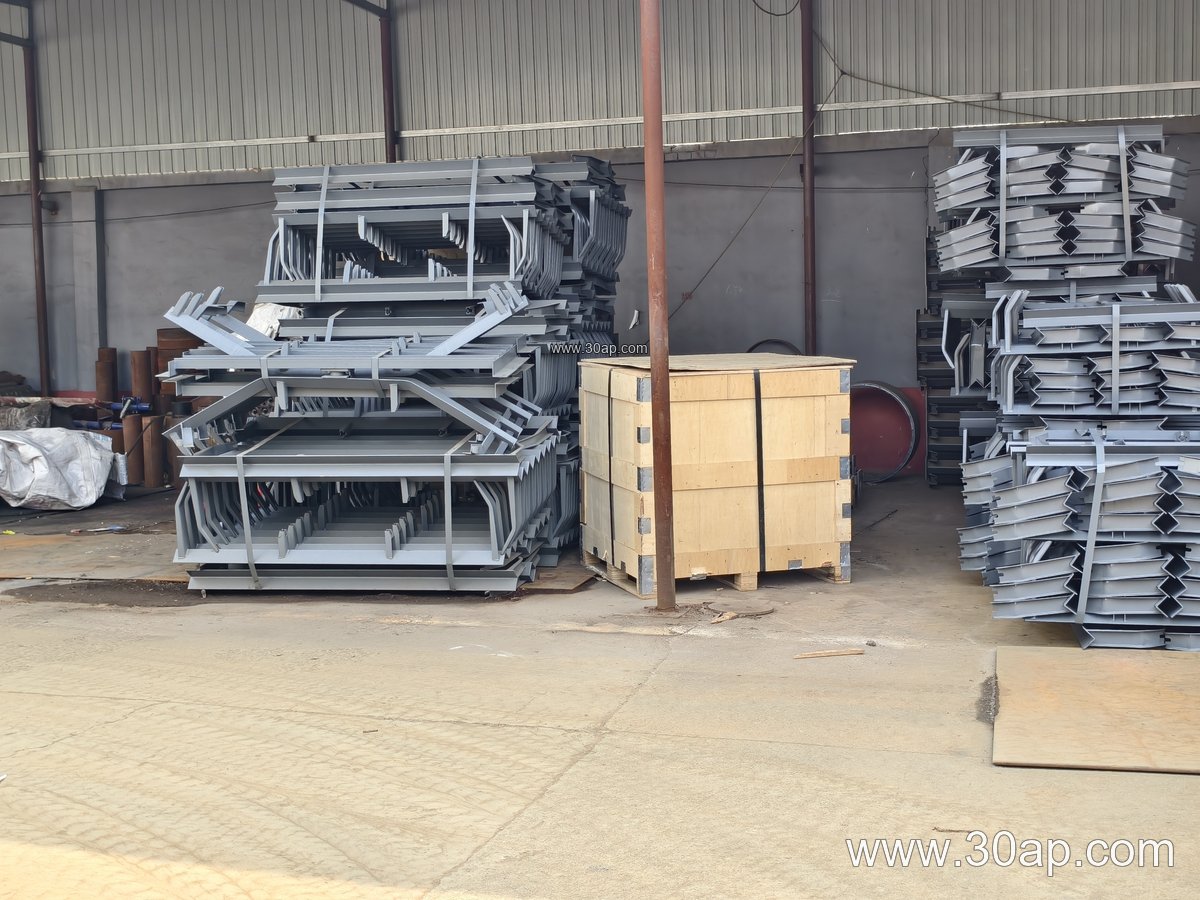
Most five-roll idler brackets are fabricated from angle steel, channel steel, or folded steel plate. The crossbeam carries five idler stations: two outer rolls set at a steeper angle, two intermediate rolls, and a center roll. The frame may be fixed or adjustable. Adjustable versions let maintenance crews change the trough angle to suit the belt and the material, while fixed versions are welded to one profile.
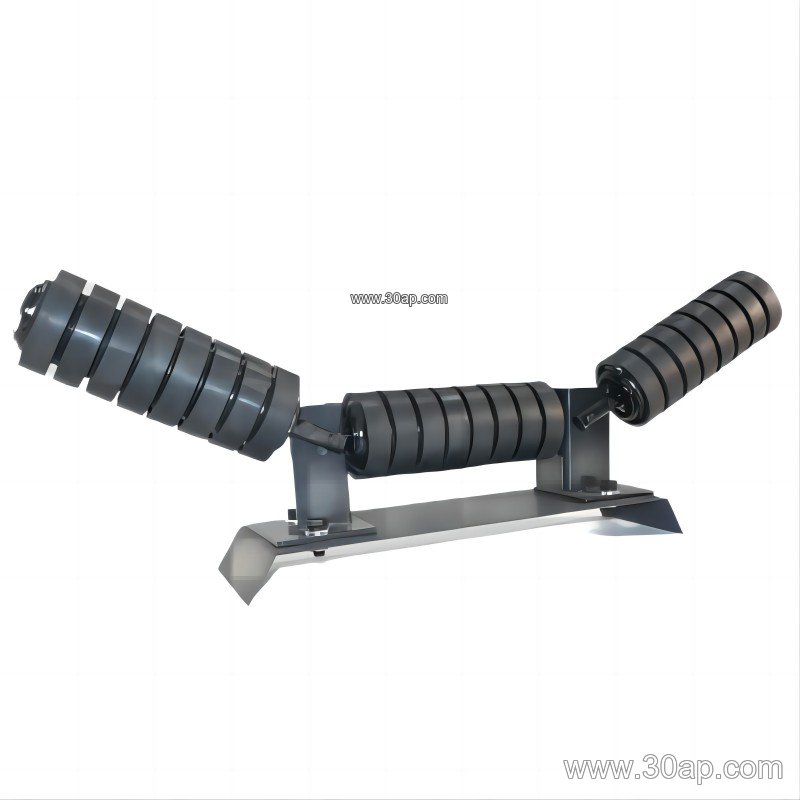
Common build details include:
- Material: angle steel, channel steel, or bent steel plate
- Roll diameter options: Ø89, Ø108, Ø133, Ø159, Ø194
- Trough angles: 20, 30, 35, or 45 degrees; adjustable frames can move between these
- Forward tilt: often about 1.5 to 2 degrees on training idler positions
- Mounting hole spacing and crossbeam length: set by belt width and trough angle, not fixed numbers
Because the five rolls share the load, each idler roller carries less weight than in a three-roll set. That can extend roller life in abrasive service, such as an Abrasion Resistant Conveyor Belt carrying iron ore or sinter. The bracket itself must be strong enough to resist bending under the belt pull and the material load.
Where It Fits on the Conveyor
You will see a five-roll idler bracket mainly on the carrying side, in the transition zone after the tail pulley and before the first full trough set, or on long overland sections where belt sag must be controlled. In a coal mining conveyor or an underground mining conveyor, the bracket may be paired with a Flame Retardant Conveyor Belt and a fire-resistant idler specification. In a sand and gravel line, it often sits under a 1000mm or 1200mm belt right after the crusher discharge.
It is not used as a substitute for a bend pulley, a tail pulley, or a drive pulley. Those are separate components with different duties. A five-roll bracket also differs from a V-return bracket or a plain return bracket, which support the empty side of the belt.
Belt Width, Trough Angle, and Roll Diameter
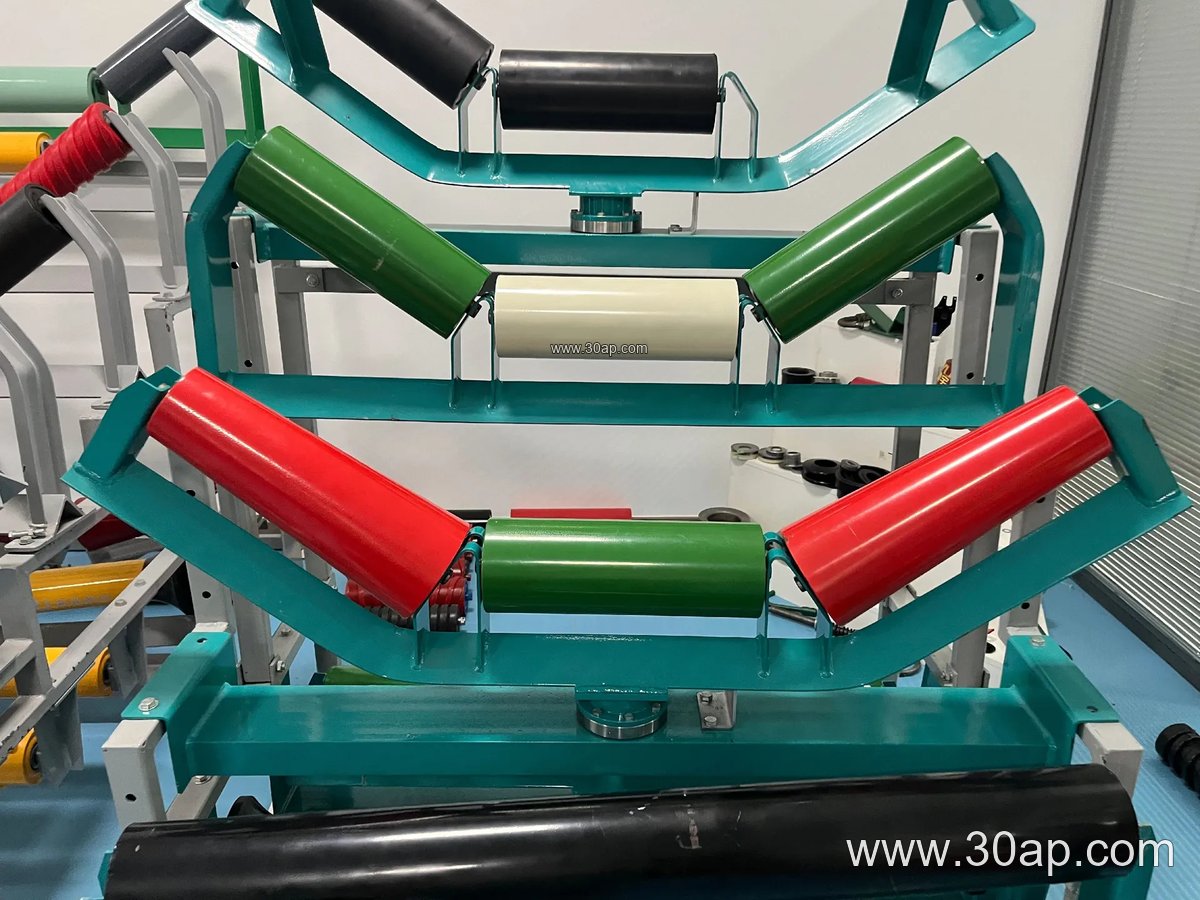
Buyers often ask which combination is correct. There is no single rule that ties one belt width to one trough angle or one roll diameter. A B800 belt might run at 30 degrees with Ø89 rolls on a short conveyor, while a B1200 belt in a quarry may use 35 degrees with Ø133 rolls. A B1600 or B1800 belt in a port or steel plant application might use 45 degrees and Ø159 or Ø194 rolls. The right choice depends on belt speed, material lump size, load, and the transition distance from the tail pulley.
The table below shows common reference combinations, not fixed supply promises:
| Belt Width | Trough Angle | Roll Diameter | Typical Setting |
|---|---|---|---|
| B500 | 20–30° | Ø89 | Small quarry or aggregate line |
| B650 | 30° | Ø89–Ø108 | Sand and gravel, crusher discharge |
| B800 | 30–35° | Ø108 | Cement plant, power plant coal |
| B1000 | 35° | Ø108–Ø133 | Coal mining, ore handling |
| B1200 | 35–45° | Ø133 | Iron ore, heavy bulk material |
| B1400 | 35–45° | Ø133–Ø159 | Port, steel plant, large quarry |
| B1600 | 45° | Ø159 | High-capacity overland conveyor |
| B1800 | 45° | Ø159–Ø194 | Mining and bulk terminal |
These values are for orientation only. A conveyor designer will confirm the final bracket geometry with the belt manufacturer and the idler supplier.
What to Check Before Buying
First, confirm the belt width and the required trough angle. Second, check the roll diameter and the mounting hole spacing on the existing idler frame. Third, decide between fixed and adjustable brackets; adjustable types are useful where the belt may be retensioned or where the material profile changes. Fourth, match the bracket material and finish to the environment. A washdown area, a coastal port, or a fertilizer plant may need a different coating than a dry limestone quarry.
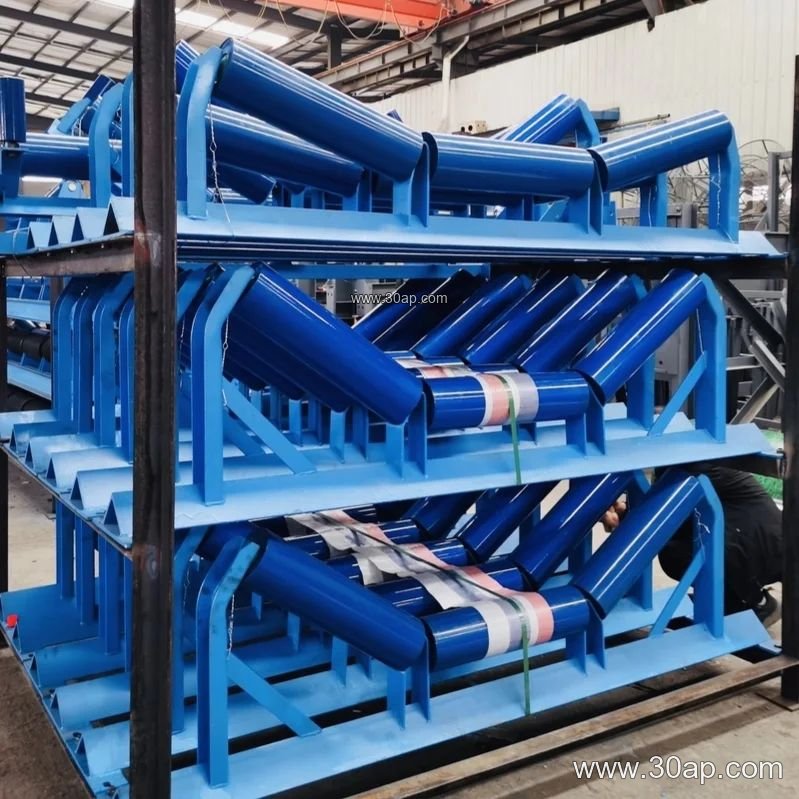
Also confirm that the bracket is designed for the idler roller type you plan to use, and that the frame will not interfere with the conveyor belt edge or with the pulley lagging. Spare parts should be ordered by belt width, trough angle, and roll diameter, not by a single number alone.
Maintenance Notes
Inspect the five-roll bracket for bent crossbeams, loose bolts, and worn idler seats. A bracket that has shifted can cause the belt to train to one side, which then wears the edge of a Rubber Conveyor Belt or an EP Conveyor Belt. Keep the trough angle consistent across the carrying side, and replace damaged idler rollers before they damage the belt cover. In dusty plants, clean the bracket seats so the idler rollers can rotate freely.
For more information on matching brackets with conveyor belt and idler roller selections, visit our site at www.example.com/five-roll-idler-bracket or search for conveyor bracket, idler roller, and conveyor pulley references in our product pages.