What a Ø76 Conveyor Idler Is
A Ø76 conveyor idler is a roller with a nominal diameter of 76 mm, used to support and guide the conveyor belt along its carrying and return runs. In many plants it is simply called a 76 mm idler roller. The size sits between lighter Ø63 series and heavier Ø89 or Ø102 rollers, so it often appears on medium-duty conveyors where belt widths are moderate and the load is not extreme. You will see it in quarry and aggregate lines, in cement plants, and in smaller coal handling sections where a compact roller still needs to run steadily.
Construction and Common Arrangements
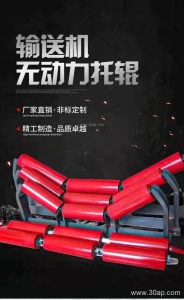
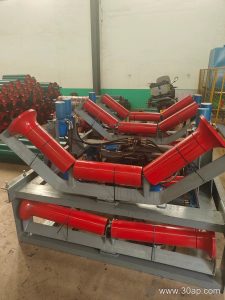
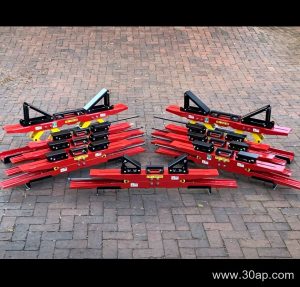
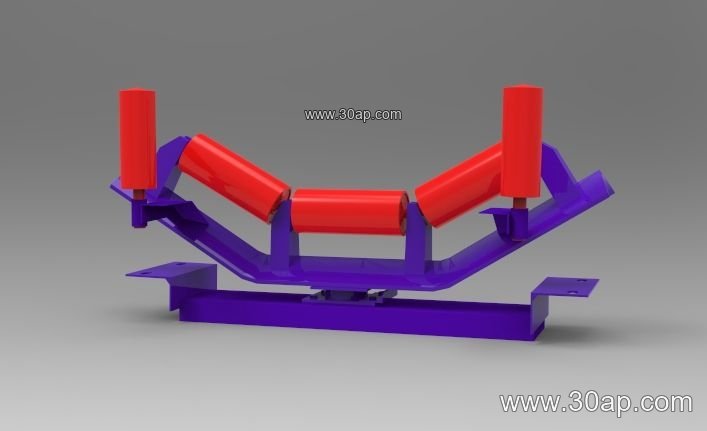
The basic build is a steel tube shell, pressed end caps, a shaft, and sealed bearings. Common bearing sizes for this class include 6204 and 6205, though the final choice depends on load and speed rather than diameter alone. The roller surface may be plain steel, nylon, or covered with rubber rings for impact absorption. A Ø76 idler can be supplied as a single roller, as a two-roller set, or as part of a three-roller troughing set with a 20, 30, 35, or 45 degree trough angle. For return runs, a flat or V-shaped arrangement is typical.
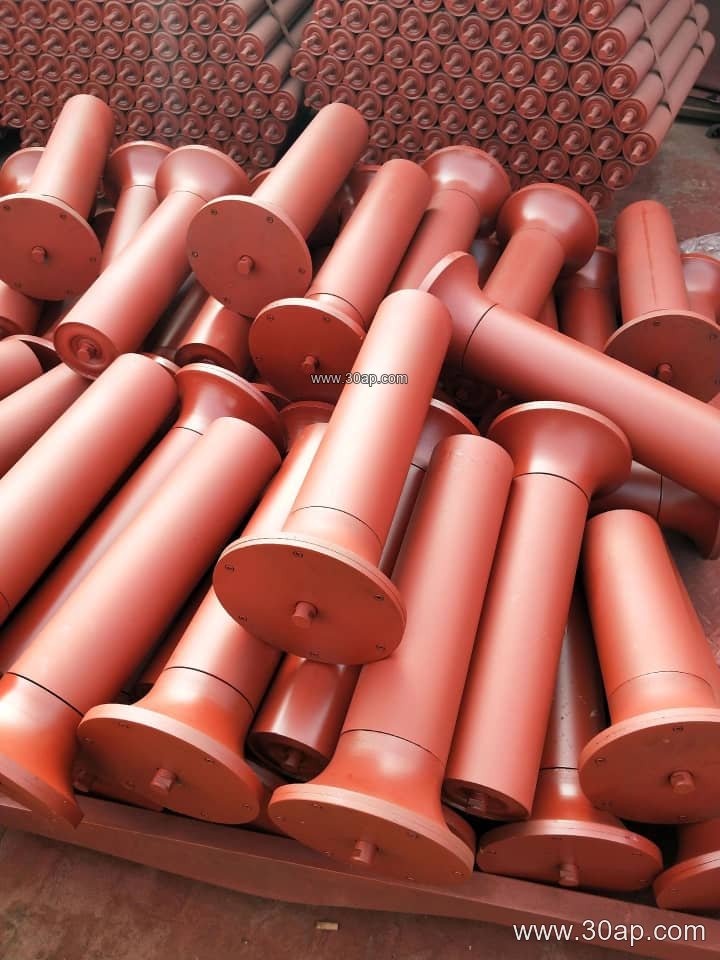
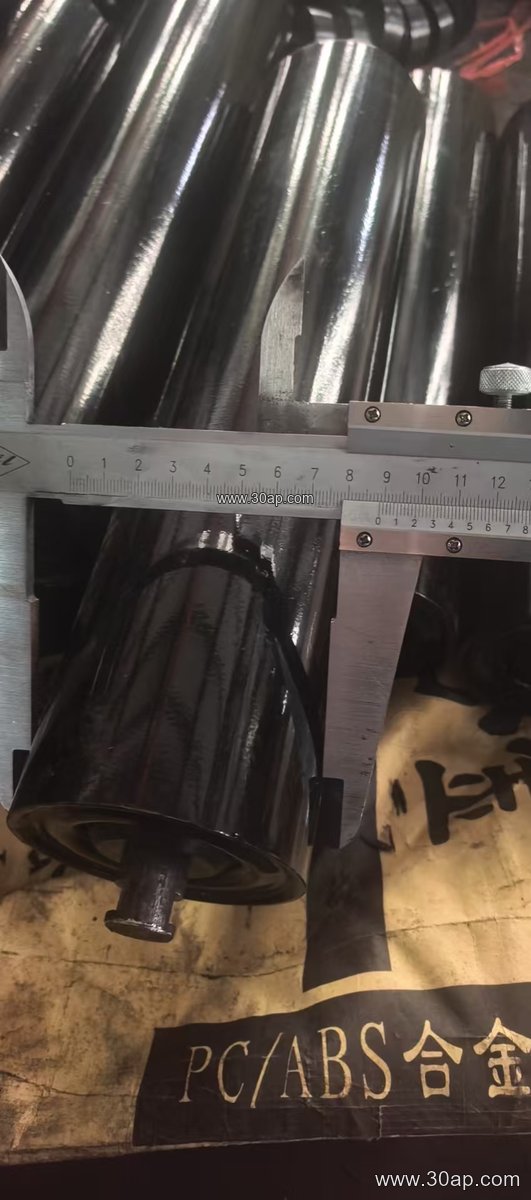
Roller length is not fixed by diameter. It follows belt width, trough angle, and the idler set design. For example, on a three-roller troughing set, common roller lengths are around 200 mm for B500, 250 mm for B650, 315 mm for B800, and 380 mm for B1000. These are reference examples, not mandatory matches, and side rollers may differ from the centre roller. A buyer should confirm the actual roller length, shaft ends, and bracket type before ordering.
Where It Fits on the Conveyor
On the carrying side, Ø76 idlers are often used as troughing idlers to shape the belt and keep bulk material centred. In the transition zone near the tail, a slightly smaller or specially placed idler can help the belt move from flat to troughed without stress. On the return side, flat or V-return idlers support the empty belt. In dusty or wet conditions, sealed bearings and good end-cap protection matter more than small differences in shell thickness.
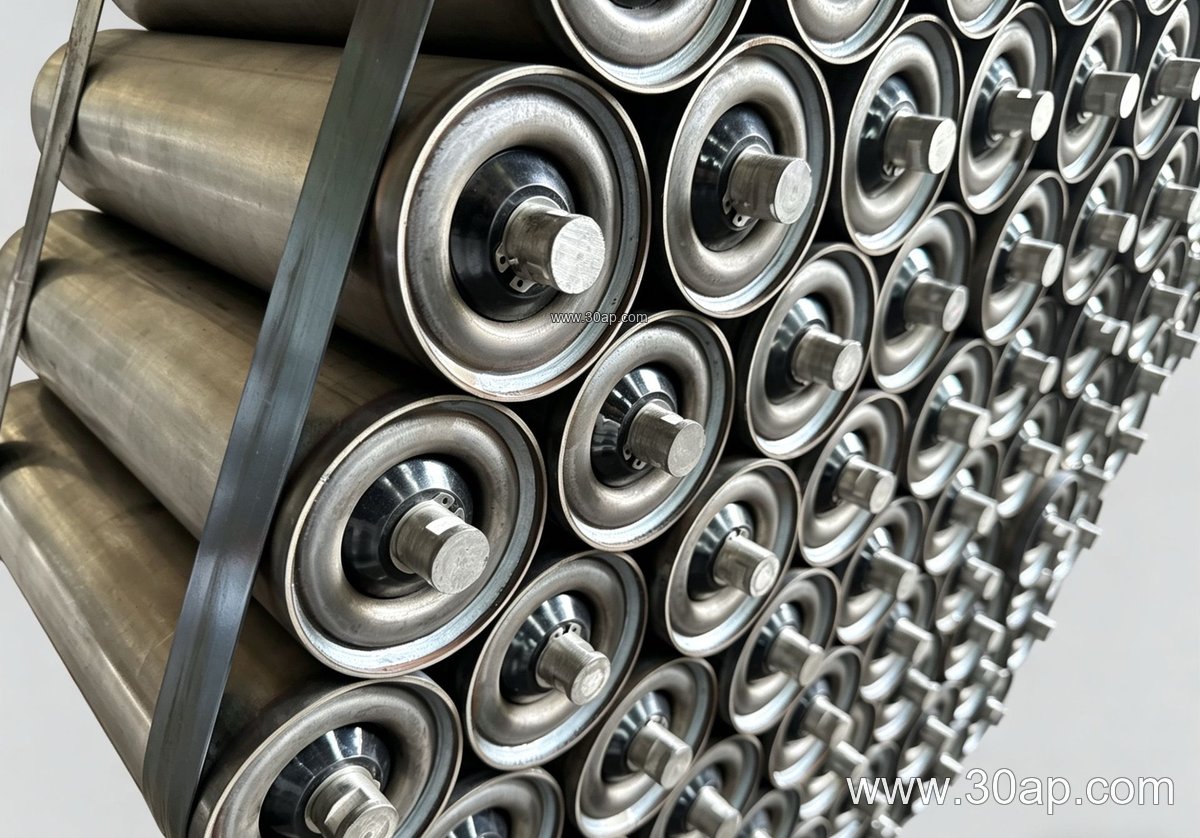
This roller size is common in sand and gravel plants, limestone quarries, and cement raw-material lines. It also appears in power plant coal handling and in some fertilizer or grain conveying systems where a moderate belt width is used. A rubber-covered version can be useful at load points to cushion impact, while a plain steel version suits general support. For abrasive bulk material, pairing the idler with an abrasion resistant conveyor belt helps extend the whole conveyor’s service life. In coal mining areas, a flame retardant conveyor belt is often specified alongside the idler set, and the roller itself should be selected for the dust and moisture present.
Selection Points for Buyers
Start with the belt width and the idler set form, then confirm the roller diameter and length. Check the shaft diameter and the mounting bracket dimensions rather than assuming they follow belt width. Bearing size, seal type, and shell thickness should match the load and environment. For high-dust locations, a labyrinth seal or better protection is worth considering. For wet or wash-down areas, confirm the sealing and surface treatment. If the conveyor uses a pipe conveyor belt or a corrugated sidewall conveyor belt, the idler layout is different and should be reviewed with the conveyor designer.
Maintenance is straightforward: listen for noisy bearings, watch for a seized roller, and check for belt misalignment. Replacing a worn Ø76 idler early prevents belt edge damage and reduces drive load. Keep a small stock of common lengths and bearing sizes, but do not treat one roller length as universal. The right spare is the one that matches the actual conveyor bracket and belt width.
Reference Data at a Glance
| Item | Common Reference |
|---|---|
| Nominal diameter | Ø76 mm |
| Bearing sizes in this class | 6204, 6205 (final choice by load and speed) |
| Trough angles | 20°, 30°, 35°, 45° |
| Roller length examples for three-roller sets | B500 about 200 mm; B650 about 250 mm; B800 about 315 mm; B1000 about 380 mm |
| Surface options | Steel, nylon, rubber ring |
| Set forms | Single, two-roller, three-roller troughing |
Use these values as a starting point for enquiry, not as fixed supply promises. The final idler specification should follow the conveyor design, the belt type, and the operating environment.