Understanding the EP200 Conveyor Belt
The EP200 conveyor belt is a heavy-duty fabric-core belt built around polyester (E) and nylon (P) warp and weft yarns. In the EP family, the number 200 indicates a nominal tensile strength of 200 N/mm per ply. This places it in the mid-range of EP constructions, above lighter EP100 and EP125 grades but below EP315 and EP400 where higher tension is needed. Buyers often encounter it under the equivalent name polyester-nylon conveyor belt, and the two terms describe the same product. It is a fabric core conveyor belt, not a steel cord conveyor belt, so it suits layouts where moderate strength, troughability and splice flexibility matter more than extremely long single-flight tension requirements.
Construction and Material Build
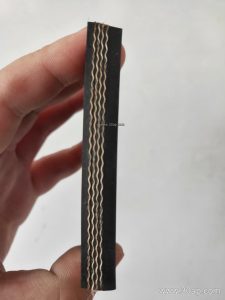
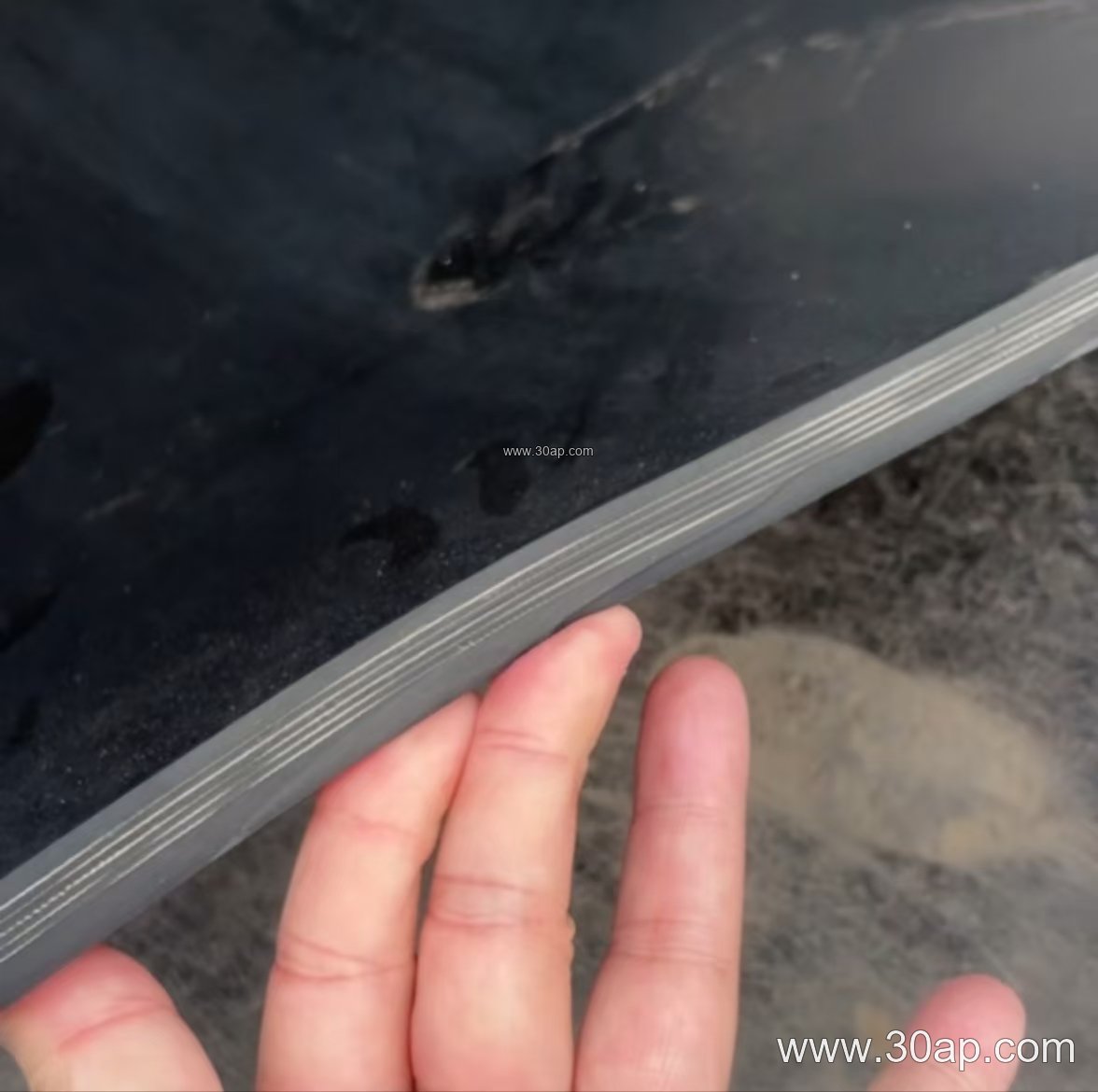
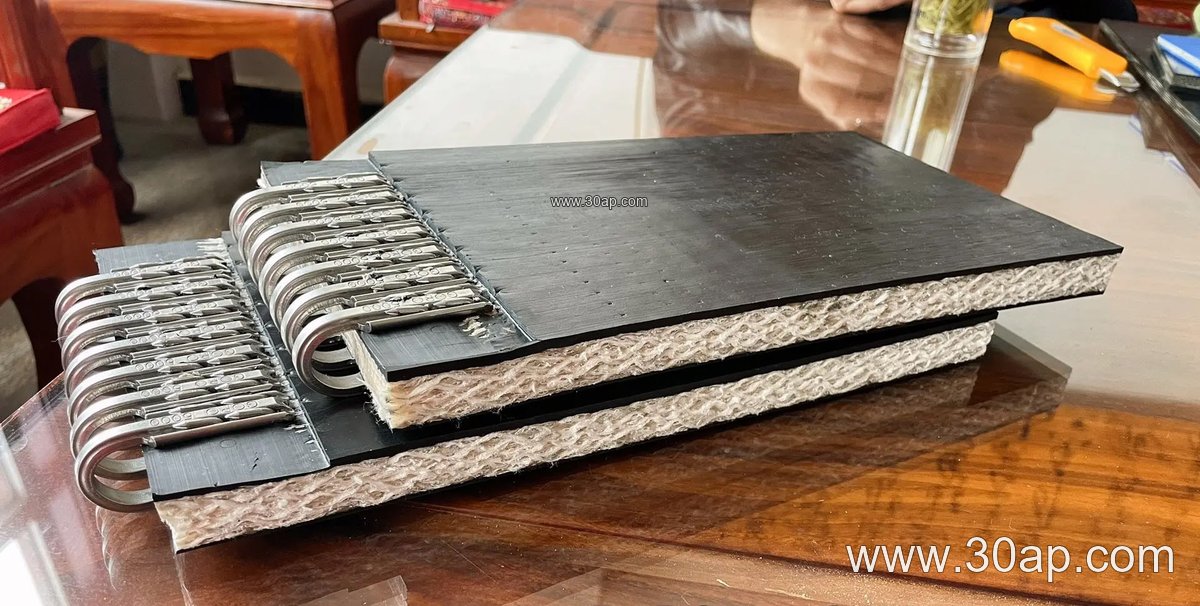
Inside an EP200 belt, two to six plies of EP fabric are bonded under heat and pressure with rubber skim between layers. The carcass provides strength while the top and bottom covers protect it from wear, moisture and impact. Common cover combinations include 3+1.5 mm, 4+2 mm, 5+2 mm and 6+2 mm, with thicker covers chosen for abrasive or high-impact duty. Cover compounds can be formulated for abrasion resistance, heat resistance, oil resistance, flame retardancy or anti-static service, depending on the site. Edge construction is usually cut edge or moulded edge, and the belt can be supplied as an endless conveyor belt when the drive arrangement is fixed and a vulcanised joint is preferred.
Where EP200 Belts Are Used
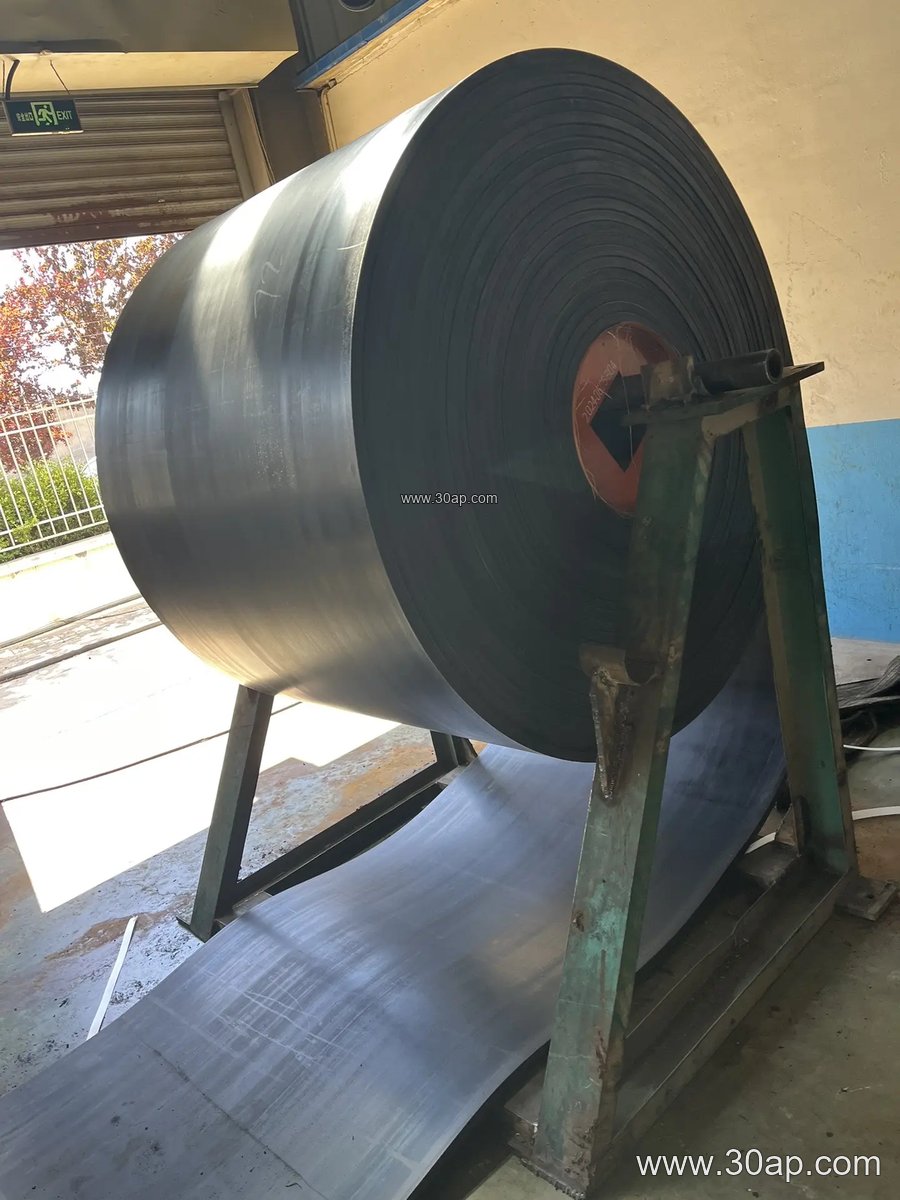
This belt fits a wide spread of bulk material conveyor systems. In a quarry or sand and gravel plant it often runs on a crusher conveyor belt or aggregate conveyor belt feeding screens and stockpiles. In a cement plant it may carry clinker, limestone or additives on moderate-incline sections. Power plants use it for coal and ash handling where flame retardant conveyor belt grades are specified. Mines and ore processing lines use it for copper ore, iron ore and other rock conveyor belt duties that do not require the very high tension of a steel cord belt. Ports and ship loading terminals also apply it on bulk material conveyor belt lines where flexible splicing and resistance to repeated flexing are valuable.
Specifications and Size Reference
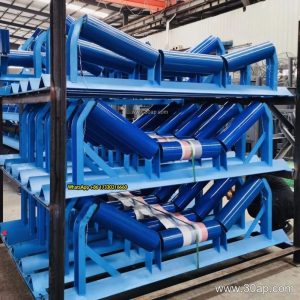
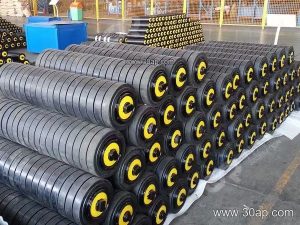
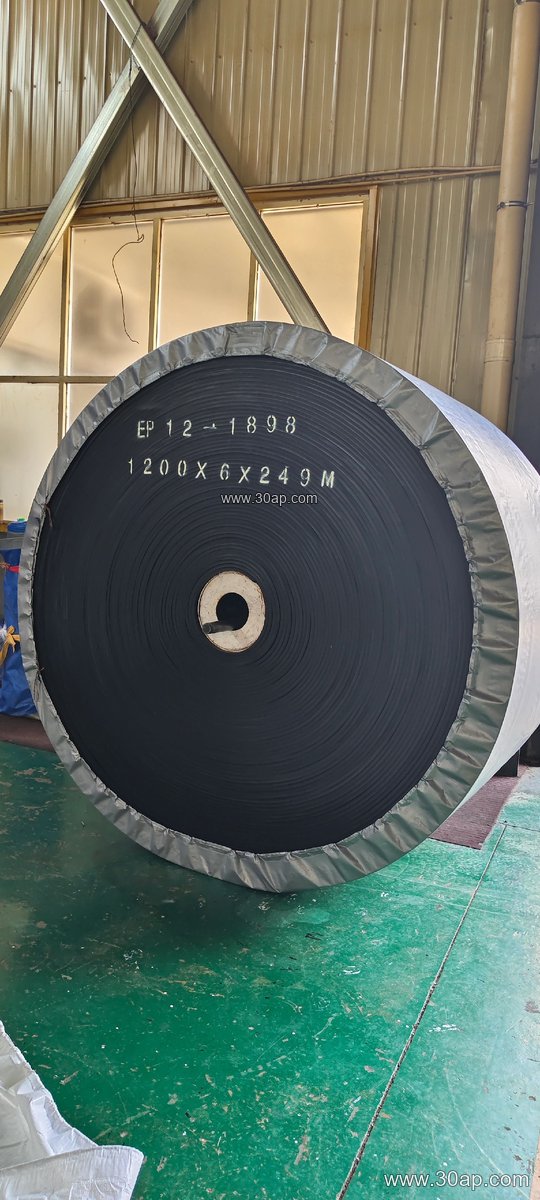
The table below shows typical reference values for EP200 and related constructions. Actual figures are confirmed per design, and different manufacturers may offer variations. Belt width and strength are selected together with pulley diameters, idler roller spacing and conveyor bracket layout, not in isolation.
| Parameter | Common Reference Values |
|---|---|
| Strength grade | EP200 (200 N/mm per ply) |
| Related EP grades | EP100, EP315, EP400, EP500, EP630 |
| Belt width | B500, B650, B800, B1000, B1200, B1400, B1600 |
| Cover thickness | 3+1.5 mm, 4+2 mm, 5+2 mm, 6+2 mm |
| Number of plies | Typically 2 to 6 |
| Special grades | Abrasion resistant, heat resistant, oil resistant, flame retardant, anti-static, cold resistant |
For comparison, an NN conveyor belt uses nylon in both warp and weft and can offer high impact resistance, while a steel cord conveyor belt such as ST1000 or ST1250 is chosen for much longer conveyors and higher tensions. The EP200 belt remains a practical middle ground for many plant and quarry circuits.
Selection and Maintenance Notes
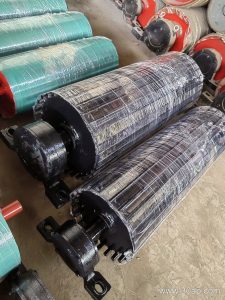
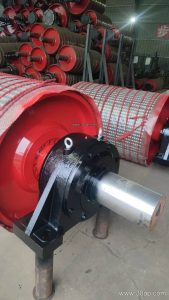
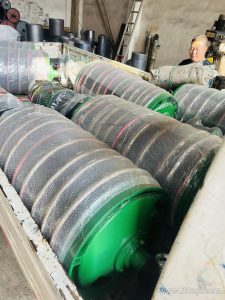
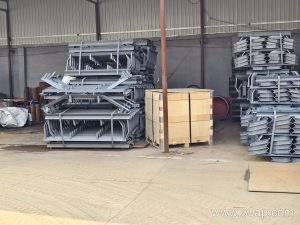
When specifying an EP200 conveyor belt, match the belt width to the material lump size and required capacity, then check the tension rating against the conveyor profile. Confirm the minimum pulley diameters with the belt supplier, because drive pulleys, tail pulleys and bend pulleys each have their own function and should not be treated as interchangeable. Idler roller spacing, loading impact and skirtboard contact all affect cover wear. Keep the belt tracking correctly and inspect splices, edges and covers at regular intervals. For hot, oily or flammable environments, choose the appropriate heat resistant, oil resistant or flame retardant variant rather than a standard cover. A properly matched EP200 belt, paired with well-maintained conveyor pulleys and conveyor brackets, supports steady operation in mining, coal preparation, cement, power generation and aggregate production.