What the ST1250 Conveyor Belt Is
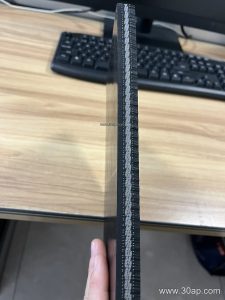
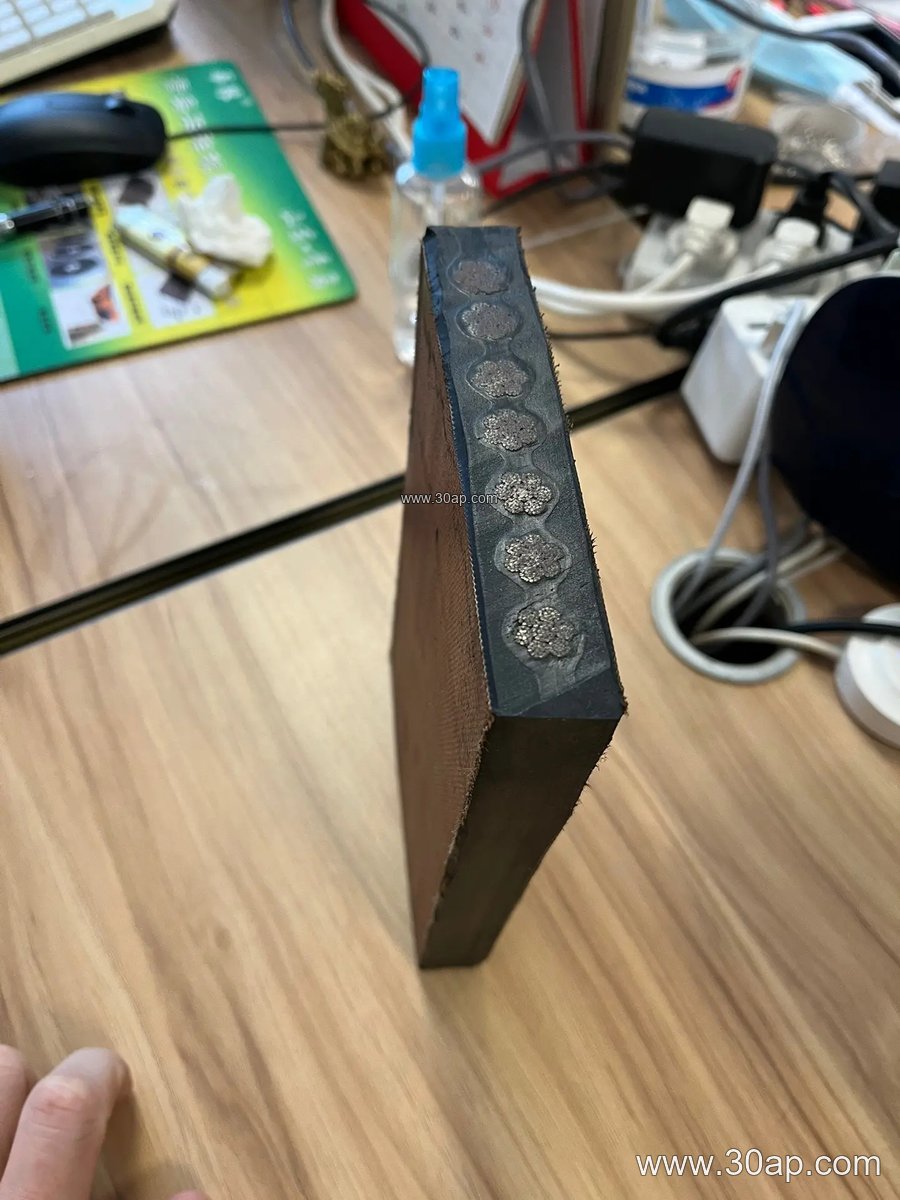
The ST1250 Conveyor Belt is a steel cord conveyor belt with a nominal tensile strength of 1250 N/mm. It belongs to the ST series, where the number indicates the breaking strength of the steel cord carcass. This belt is built for long-distance, high-capacity conveying in industries such as mining, cement, power generation, steel plants, and ports. Unlike fabric-core belts (EP, NN) that rely on multiple plies of woven fabric, the ST1250 uses parallel steel cords embedded in rubber, giving it high strength with relatively low elongation. It is often specified as a Steel Cord Conveyor Belt when the application demands reliability under heavy loads and abrasive conditions.
Construction and Materials
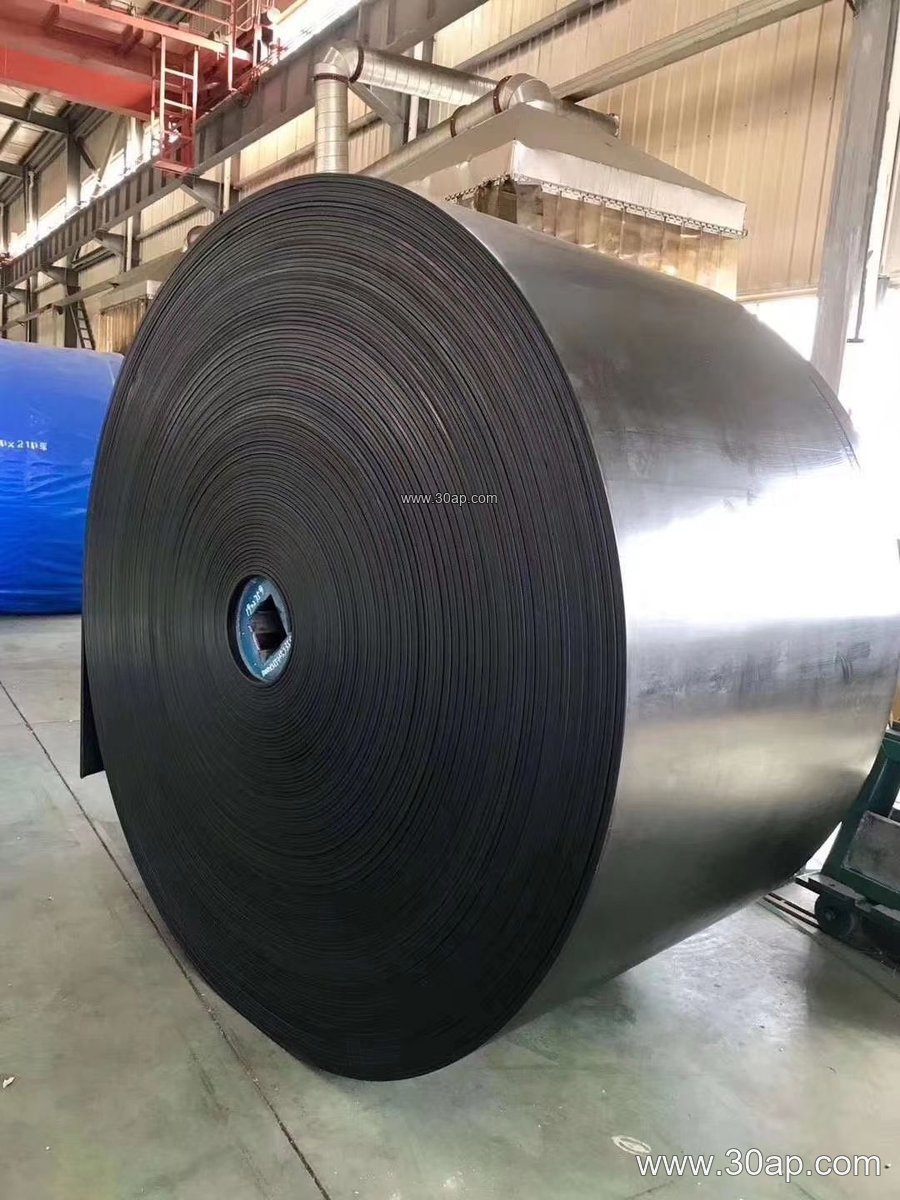
The ST1250 Conveyor Belt consists of three main components: the steel cord carcass, the top cover, and the bottom cover. The cords are arranged longitudinally and are typically brass-plated to promote adhesion to the rubber. The core rubber fills the spaces between cords, and the covers protect the carcass from wear, impact, and environmental factors. Cover compounds are selected according to the duty: abrasion resistant for ore and aggregate, heat resistant for cement clinker or sinter, flame retardant for coal mining, and oil resistant for certain industrial processes. Common cover thickness combinations include 6+2 mm, 8+3 mm, and others, but these are usually tailored to the load and material being conveyed. Belt widths for the ST1250 range from 800 mm to 2000 mm and beyond, with 1200 mm and 1500 mm being frequent choices in bulk handling. The belt is normally supplied in open length or as an Endless Conveyor Belt when the pulley centers are fixed and splice-free operation is preferred.
Where It Is Used
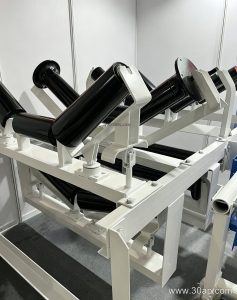
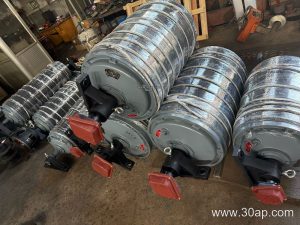
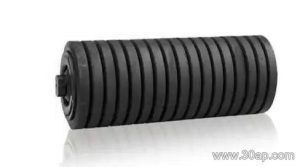
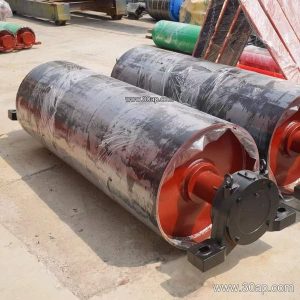
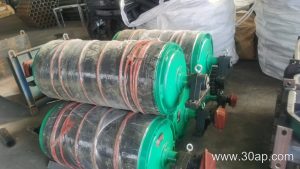
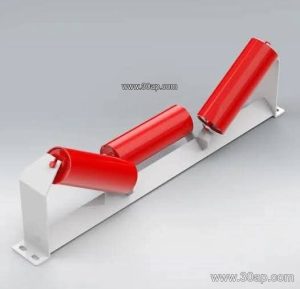
You will find the ST1250 Conveyor Belt in primary crushing circuits, overland conveyors, and ship loading systems. In a quarry or sand making plant, it carries blasted rock and aggregate from the crusher to the screening area. In a coal mining operation, a flame retardant version may be required for underground use, while surface coal conveyors often use abrasion resistant covers. Cement plants use it for limestone, clinker, and additive transport. Power plants employ it for coal and ash handling. The belt also appears in steel plants for ore and coke, and in port terminals for bulk material loading and unloading. Because of its high strength, the ST1250 can span long distances with fewer transfer points, reducing maintenance on conveyor pulleys, idler rollers, and brackets.
Key Specifications and Selection Factors
When specifying an ST1250 Conveyor Belt, engineers consider the tensile strength, belt width, cover thickness, and rubber grade. The table below lists typical reference values; actual values should be confirmed with the manufacturer for each project.
| Parameter | Common Range / Options |
|---|---|
| Belt type | Steel cord (ST series) |
| Nominal strength | ST1250 (1250 N/mm) |
| Belt width | 800, 1000, 1200, 1400, 1500, 1600, 1800, 2000 mm |
| Cover thickness (top+bottom) | 6+2, 8+3, 10+4 mm (others on request) |
| Cover grade | Abrasion resistant, heat resistant, flame retardant, oil resistant, cold resistant |
| Construction | Open length or endless |
Selection also depends on the conveyor geometry: drive pulley diameter, troughing angle, transition distance, and the amount of impact at loading points. The belt width is not tied to a single pulley diameter; the pulley size is determined by the cord diameter and the belt’s minimum bend radius. A larger pulley generally improves belt life. For heavy-duty mining conveyor belts, impact idlers and proper skirt rubber help protect the ST1250 at transfer points. If the material is sticky or the incline is steep, a Chevron Conveyor Belt or Corrugated Sidewall Conveyor Belt may be considered, but these are different product types and not direct substitutes for the ST1250 in high-tension mainlines.
Buyer Checklist
- Confirm the required belt width and strength against the conveyor design, not just the existing belt.
- Specify the cover grade based on the material: abrasive, hot, oily, or flammable.
- Check the pulley diameters and take-up travel to ensure compatibility with the steel cord belt.
- Ask for the splice method and whether vulcanized splicing is included.
- Review the storage and handling instructions to avoid cord damage before installation.
- Consider the availability of local service for installation and maintenance.
For more information on conveyor belts, idler rollers, conveyor pulleys, and brackets, visit our site at www.beltconveyorparts.com. A well-matched ST1250 Conveyor Belt, combined with proper pulley and idler selection, supports reliable operation in the toughest bulk handling environments.