What a 2400mm Conveyor Belt Is
A 2400mm conveyor belt is a wide belt format: 2400 mm across the cut edge, which places it among the widest standard belt widths used on large bulk handling conveyors. Belts at this width are normally built to order rather than held as shelf stock, because the carcass, cover grade and edge construction all need to suit the conveyor frame, the load and the environment. In practice, a 2400mm conveyor belt is usually specified as a heavy-duty conveyor belt for high-tonnage duty in mining, coal preparation, cement plants, power stations, ports and large sand and gravel operations.
The width alone does not define performance. Two belts at 2400 mm can differ completely in tensile strength, cover thickness, flame behaviour and flex fatigue life. Buyers should read the full specification, not just the width.
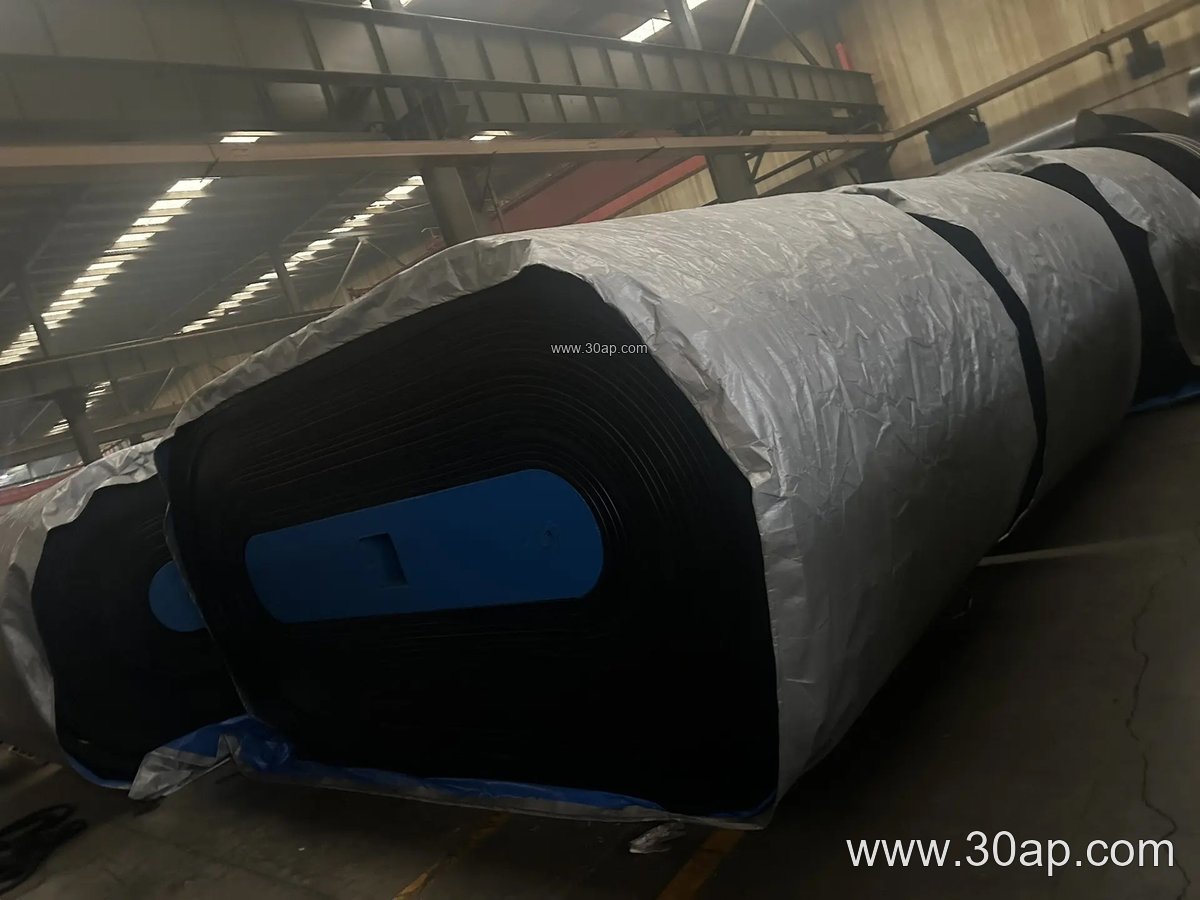
Construction and Carcass Options
The belt is a composite: a load-bearing carcass, top and bottom rubber covers, and often a protective edge. The carcass type decides the strength class and the splice method.
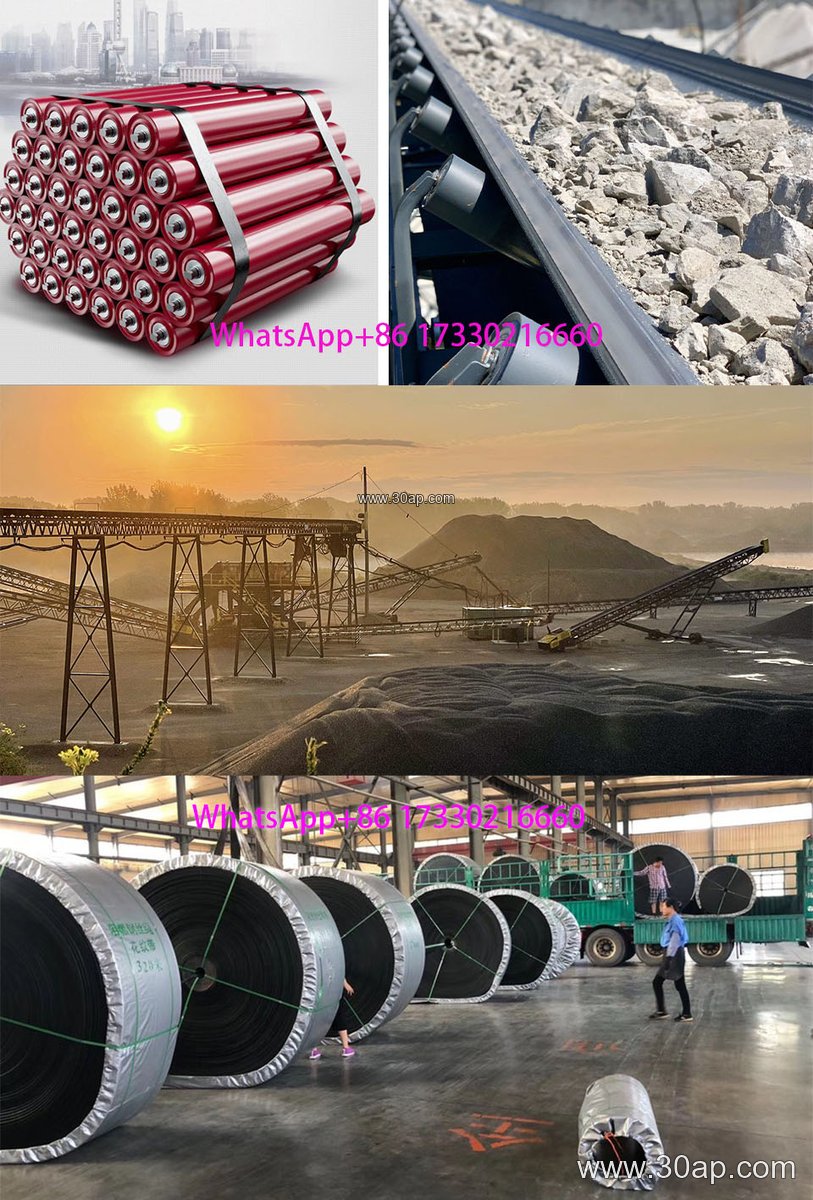
- Fabric core belts use EP (polyester/nylon) or NN (nylon/nylon) plies. Multi-ply fabric core structures are common at this width. EP conveyor belt carcasses give low elongation and good troughability; NN conveyor belt carcasses offer high impact resistance.
- Steel cord belts use brass-plated cord layers for very high strength and long centre distances. Steel cord conveyor belt splices are made by vulcanising, which needs skilled crews and controlled conditions.
- Specialty covers include abrasion resistant conveyor belt, heat resistant conveyor belt, oil resistant conveyor belt, flame retardant conveyor belt and anti-static conveyor belt grades. Cold resistant and acid resistant compounds are also available for exposed or chemical duty.
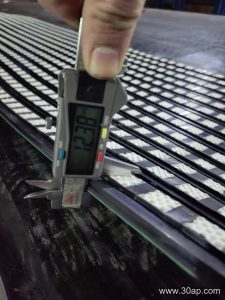
Common strength classes in fabric construction run from EP200 through EP315, EP400, EP500, EP630, EP800, EP1000, EP1250, EP1600 to EP2000. Cover gauges are often quoted as combinations such as 4+2, 5+2, 6+2 or 8+3 mm, and carcasses are usually 2 to 6 plies. These are reference ranges; the final build is set by design and by the manufacturer.
Typical Specifications at a Glance
| Parameter | Common reference values |
|---|---|
| Belt width | B2400 (2400 mm) |
| Carcass type | EP fabric, NN fabric, steel cord |
| Strength class (fabric) | EP200 to EP2000 |
| Cover gauges | 4+2, 5+2, 6+2, 8+3 mm |
| Cover grades | Abrasion, heat, oil, flame retardant, anti-static, cold resistant |
| Edge options | Cut edge, moulded edge, skirted or corrugated sidewall |
Widths below this format are far more common. A 1200mm wide conveyor belt or 1800mm wide conveyor belt suits many medium-duty lines, so a 2400 mm belt should only be chosen when the tonnage, lump size or conveyor geometry genuinely justifies it.
Where It Fits in the Plant
Extra-wide belts appear where a single stream carries a lot of material: primary crusher discharge, stockyard feed lines at ports, raw mill feed in cement works and main haulage in open-pit or underground operations. A 2400mm conveyor belt may run as a mining conveyor belt on a trunk conveyor, as a quarry conveyor belt under a primary screen, or as an ore conveyor belt carrying iron ore or copper ore. Power plants use wide belts on coal yard lines, and steel plants use them for sinter and coke.
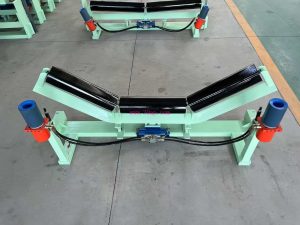
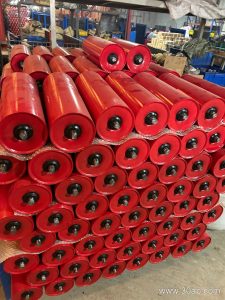
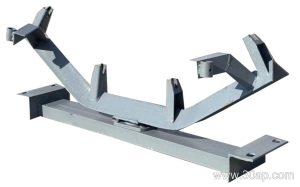
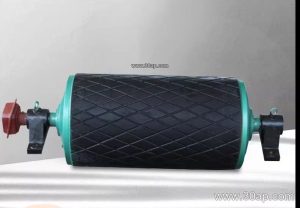
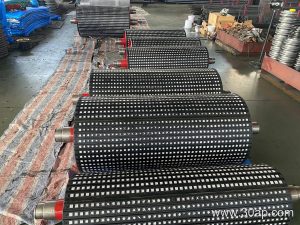
The belt does not work alone. It runs on idler rollers set in troughing frames, wraps the head and tail conveyor pulleys, and is held by conveyor brackets and stringers. At 2400 mm, pulley face width, roller bearing capacity and frame alignment all matter more than on narrow lines.
Selection and Application Notes
Start with the duty: peak tonnage, bulk density, lump size, drop height and belt speed. Then check the conveyor’s minimum pulley diameter against the carcass thickness. No rule ties one belt width to one pulley diameter, so the pulley size and shaft diameter must come from the conveyor designer’s calculations, not from the belt width.
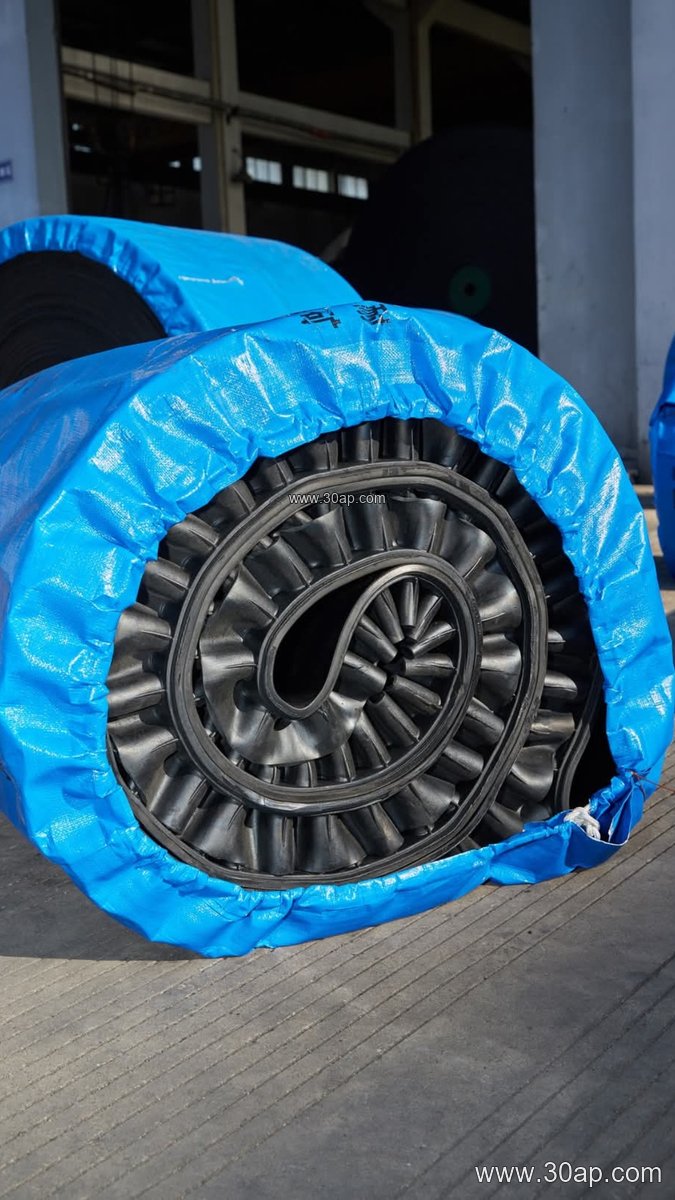
For steep inclines, a chevron conveyor belt or corrugated sidewall belt may be needed to stop material roll-back. For dusty or enclosed galleries, flame retardant and anti-static grades are often specified. Where material is hot clinker or sinter, heat resistant grades with adequate cover thickness protect the carcass.
Buyer Checklist
- State the strength class, ply count and cover gauges, not just 2400 mm.
- Confirm the splice method and whether an endless conveyor belt is required.
- Check edge condition: cut edge for general duty, moulded edge for long life on wide belts.
- Match cover grade to the real condition, including oil, heat, cold or fire risk.
- Review pulley and idler roller compatibility with the belt thickness and weight.
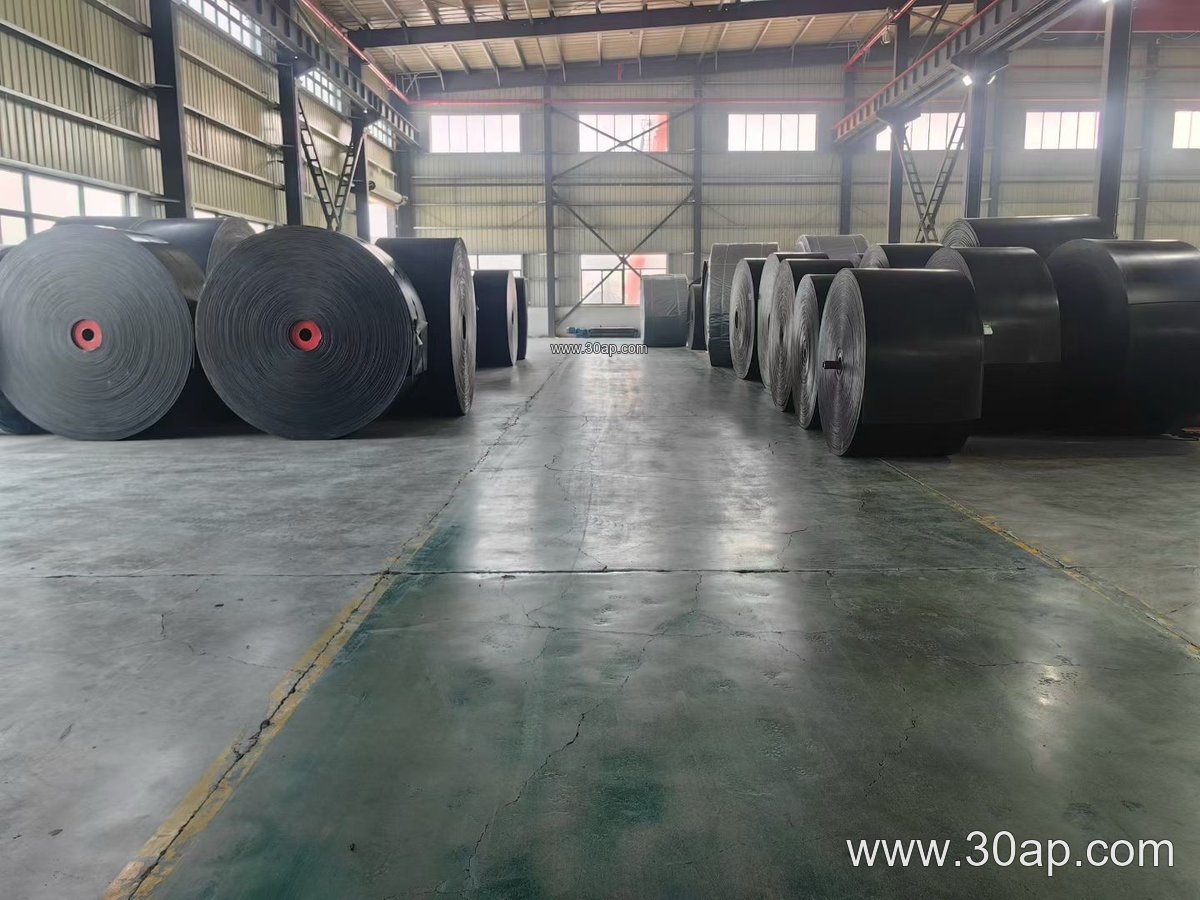
- Plan storage and lifting, since a wide belt roll is heavy and needs proper handling gear.
A 2400mm conveyor belt is a serious capital item. Getting the carcass, cover and splice right at the specification stage is cheaper than replacing a belt that was chosen on width alone.