What an Ore Conveyor Idler Does on the Line
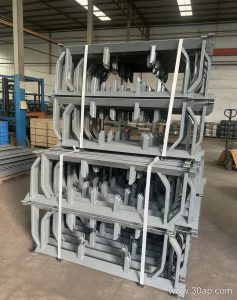
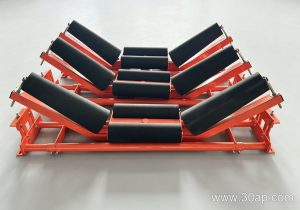
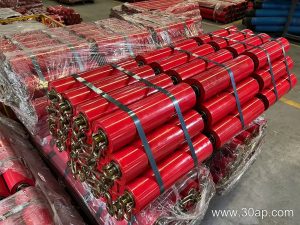
An ore conveyor idler is the rotating roller assembly that supports the loaded conveyor belt and keeps it tracking along the carrying and return runs. In hard-rock operations, the idler roller is often the most numerous wear part on the whole conveyor, so matching the right roller to the duty is a practical decision rather than a detail. A typical troughing set uses three rollers to form a cradle that holds lumpy, abrasive material on the belt.
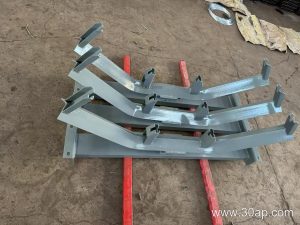
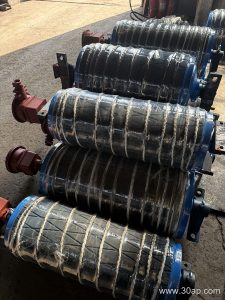
The idler works together with the conveyor belt, the conveyor pulley at each end, and the conveyor bracket that fixes the frame to the stringer. Drive, tail and bend pulleys pull and redirect the belt, while the idlers carry it. They are separate components and are not interchangeable.
Construction Details That Matter Underground and Above Ground
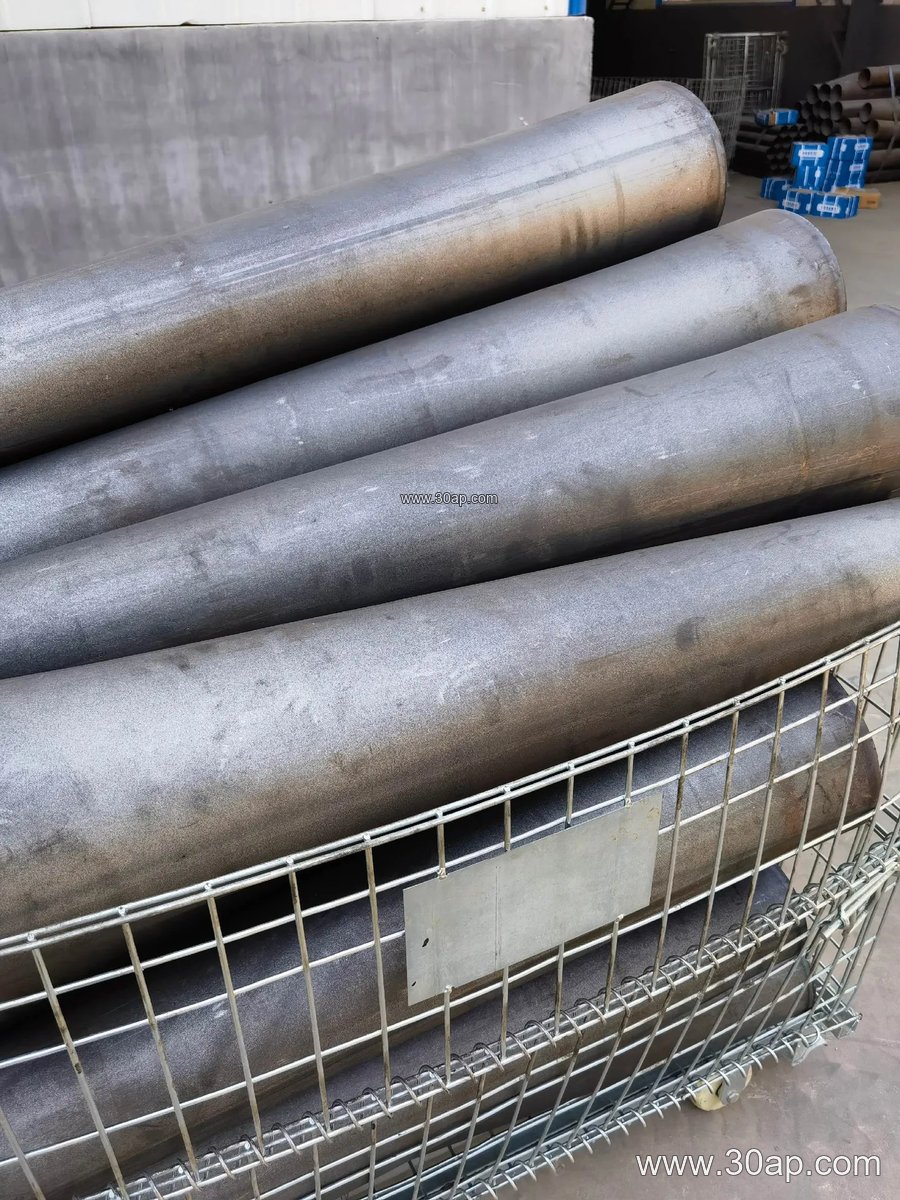
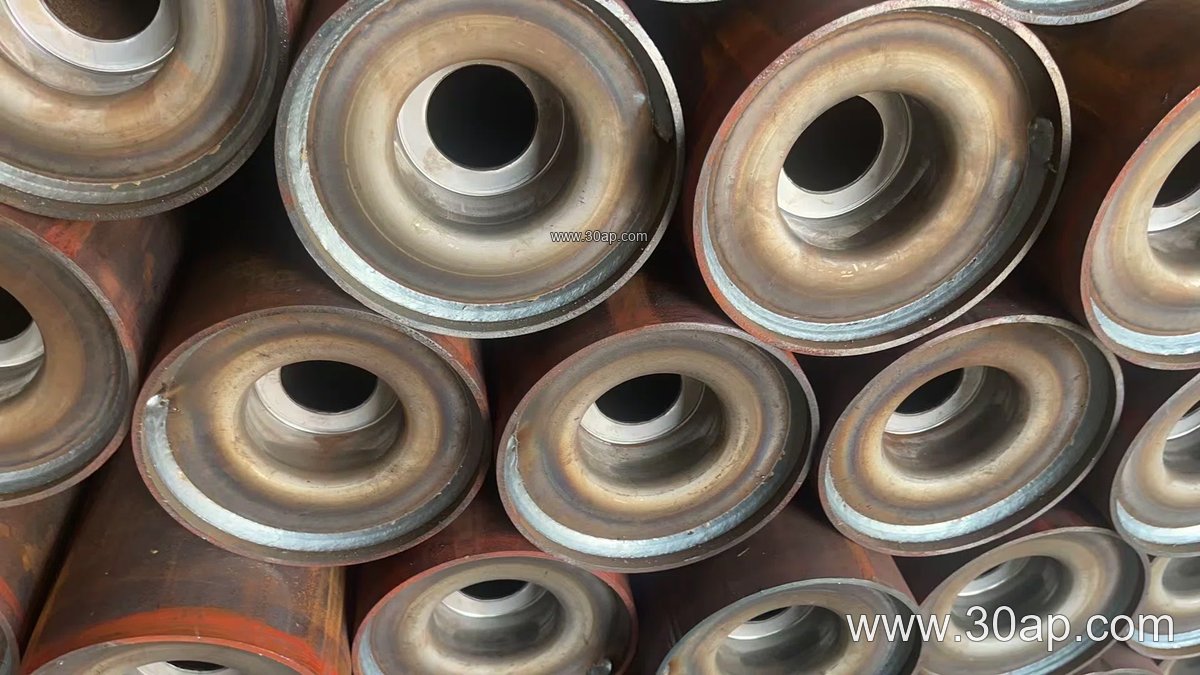
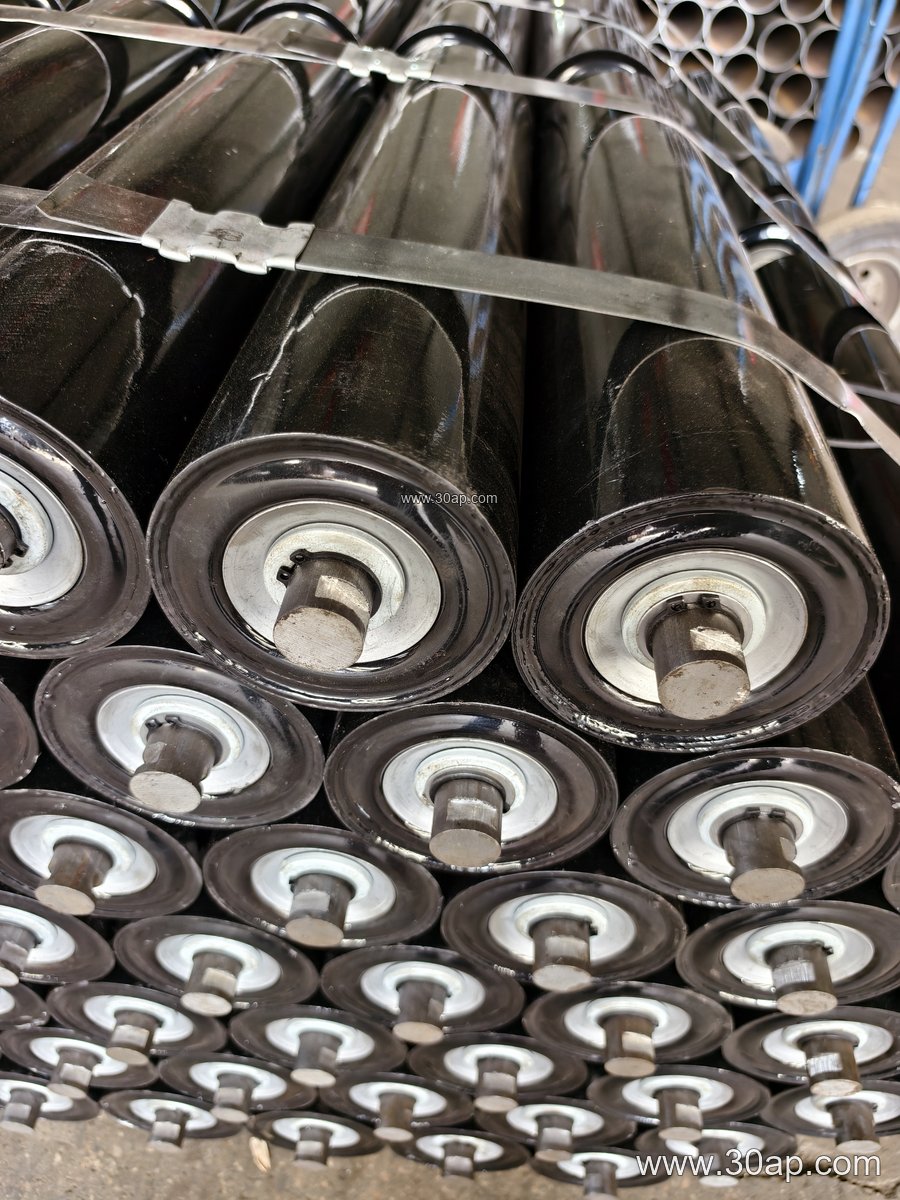
Most ore conveyor idlers share a common build: a steel tube shell, pressed end caps, a through shaft, and sealed ball bearings. Roller surfaces may be plain steel, nylon, ceramic or rubber-ringed depending on the duty. Bearing seats and labyrinth seals decide how long the roller survives in dust, moisture and fines.
Common bearing sizes include 6204, 6205, 6305, 6306, 6308 and 6310. These are reference values, not a fixed pairing with any one roller diameter. Shaft diameter follows the load calculation, not the belt width alone.
- Troughing idler for the carrying side, usually two or three rolls
- Impact idler or rubber-ring impact roller under the loading point
- Return idler, flat or V-shaped, for the empty strand
- Self-aligning idler with friction or tapered rolls to correct mistracking
- Spiral or comb idler where sticky material tends to build up
Where These Rollers Are Used
You will find ore conveyor idlers in iron ore and copper ore handling circuits, quarry and aggregate lines, crushing and screening plants, and cement works feeding raw material to the kiln. In coal preparation plants and power station coal yards, flame retardant and anti-static belt grades are common, and the idlers must cope with fine, damp coal dust. Port terminals and ship loading conveyors also rely on heavy-duty troughing sets on long runs.
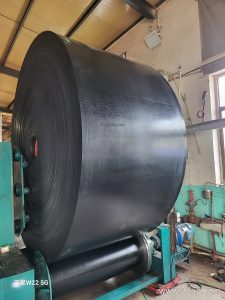
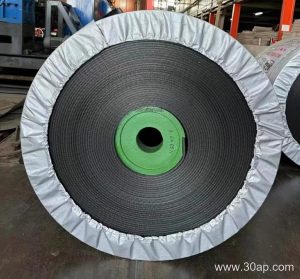
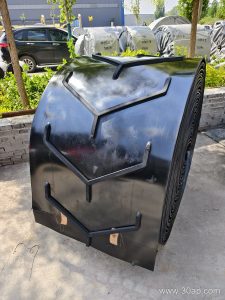
In a gold mining conveyor or a copper concentrator, the belt may be an abrasion resistant conveyor belt or a heavy-duty mining conveyor belt. High abrasion resistant conveyor belt covers help where sharp ore edges and drop heights attack the surface. The idler set beneath should match that severity with thick shells and robust seals.
Common Sizes and How They Are Chosen
Idler diameter and belt width are linked by design, but no single belt width forces one pulley or roller diameter. Typical roller diameters run from about 63 mm to 219 mm, and belt widths from B400 to B2400. The table below gives common reference values only.
| Belt width | Typical idler diameter | Common trough angle | Example roller length, three-roll set |
|---|---|---|---|
| B500 | 76–89 mm | 20–35 degrees | about 200 mm |
| B650 | 89–108 mm | 30–35 degrees | about 250 mm |
| B800 | 89–127 mm | 30–35 degrees | about 315 mm |
| B1000 | 108–133 mm | 30–45 degrees | about 380 mm |
| B1200 | 127–159 mm | 35–45 degrees | about 465 mm |
| B1400 | 133–178 mm | 35–45 degrees | about 530 mm |
| B1600 | 133–194 mm | 35–45 degrees | about 600 mm |
| B1800 | 159–219 mm | 35–45 degrees | about 670 mm |
Side rollers and the centre roller can differ in length. Forward tilt of about 1.5 to 2 degrees is used on some self-aligning sets to help tracking. Treat every figure as a starting point for the engineer’s calculation.
Buyer Checklist Before Ordering
- Confirm belt width, trough angle and whether the set is two-roll or three-roll.
- State the material: lump size, moisture, temperature and abrasiveness.
- Choose the roller surface for the duty — steel for general ore, rubber rings at transfer points.
- Check bearing class and seal type for dusty or wet conditions.
- Match the frame to the existing conveyor bracket hole spacing.
- For underground coal work, ask for flame retardant and anti-static belt compatibility.
Good belt alignment, clean skirts and correct loading height all extend idler life. If the belt is an EP conveyor belt or a steel cord conveyor belt carrying heavy ore, the idler spacing and diameter should come from the belt tension and load calculation rather than from a catalogue guess.