What a Conveyor Idler Bracket Does
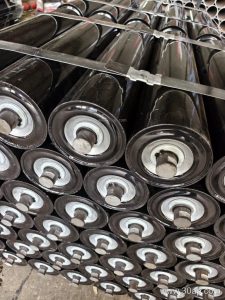
A conveyor idler bracket is the structural component that holds the idler rollers in position along a conveyor frame. It carries the weight of the loaded belt and keeps each roller at the correct angle and spacing, so the conveyor belt runs smoothly without drifting or sagging. In a coal mining conveyor line, a quarry conveyor, or a cement plant transfer point, the bracket is a small but decisive part of the whole support system.
Designers often call this part an idler frame, roller support bracket, or conveyor bracket. Whatever the name, its job is the same: locate the idler roller firmly, transmit the load to the main frame, and allow straightforward replacement when a roller wears out.
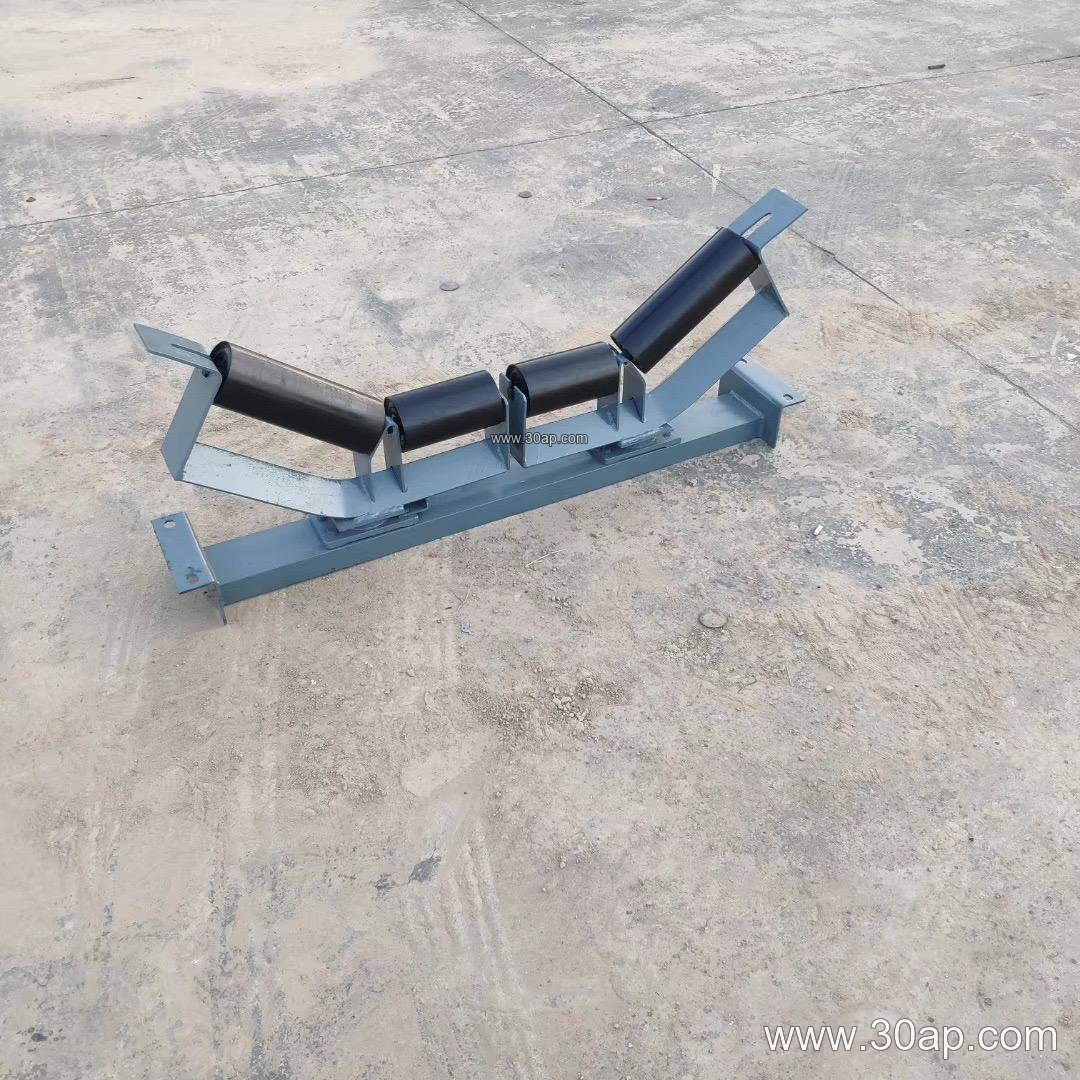
How the Bracket Is Built
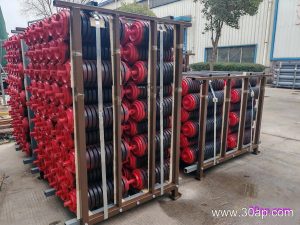
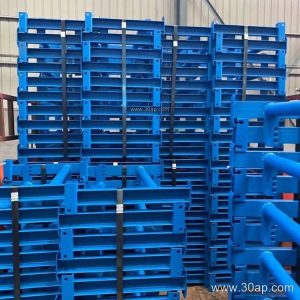
Most brackets are fabricated from angle steel, channel steel, or bent steel plate, then drilled or punched for mounting. A troughing bracket carries three rollers in a troughed arrangement, while a return bracket supports the belt on its lower run. Some designs are fixed; others are adjustable, letting maintenance staff fine-tune the trough angle or roller position.
Common structural features include:
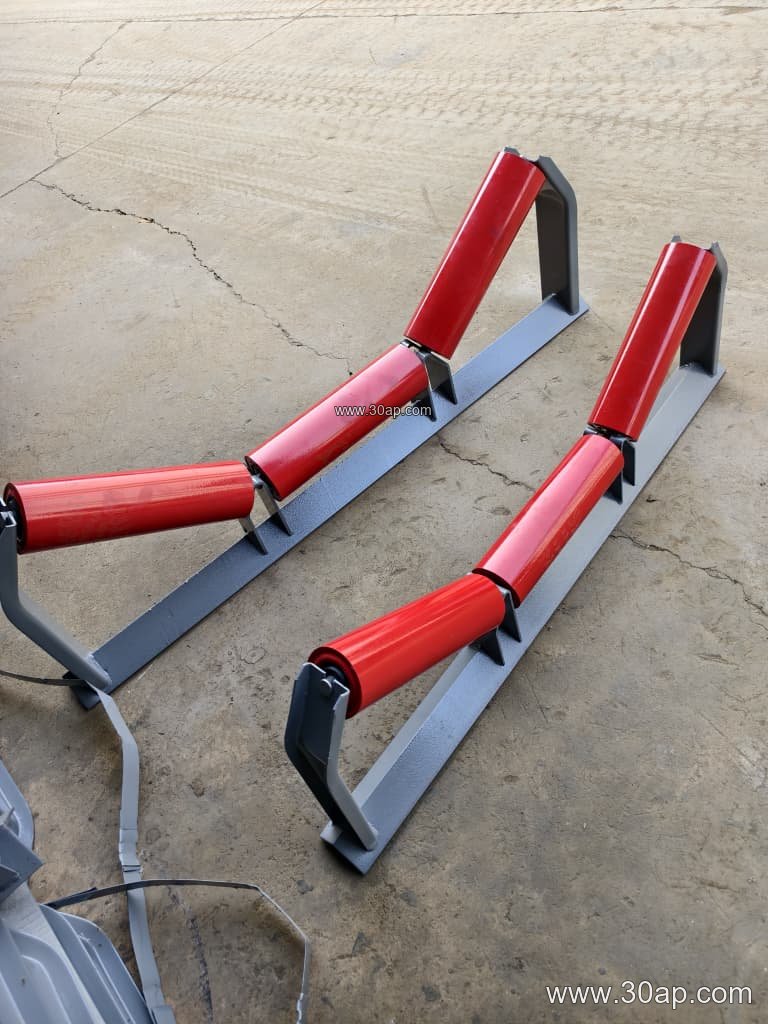
- Slotted or drilled mounting holes for alignment during installation
- Reinforced corners where the roller seats take repeated impact
- Welded or bolted crossbeams sized to the belt width
- Galvanized or painted finishes for dusty and humid environments
Typical working combinations include B800 with a 35 degree trough and Ø108 rollers, or B1200 with a 45 degree trough and Ø133 rollers. These are examples, not fixed rules: hole spacing and crossbeam length change with belt width, trough angle, and frame design.
Where the Bracket Fits in the Conveying Line
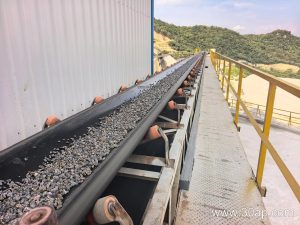
On a typical conveyor, troughing brackets sit on the carrying side at intervals, while return brackets support the belt underneath. Transition brackets help the belt move from flat to troughed shape near a conveyor pulley, reducing stress at the transition zone. Self-aligning and forward-tilted brackets are chosen where belt training matters, and impact brackets are used below loading points in crusher and screening circuits.
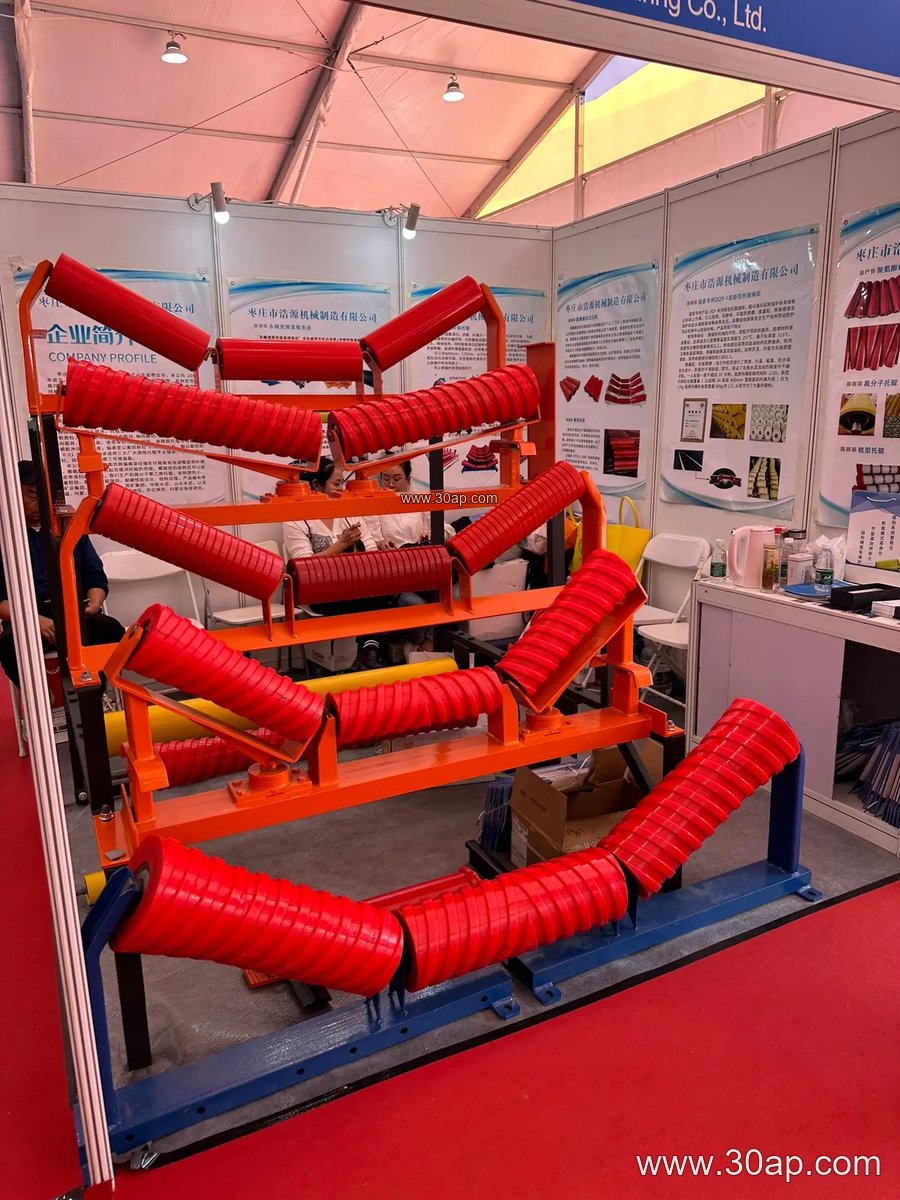
Typical industries include limestone mines, iron ore handling, coal washing plants, aggregate lines, power plant coal feeding, and port bulk terminals. In these settings, a heavy-duty mining conveyor belt may run alongside abrasion resistant or flame retardant belt grades, and the bracket must match the belt width and load profile accordingly.
Matching Bracket, Roller, and Belt
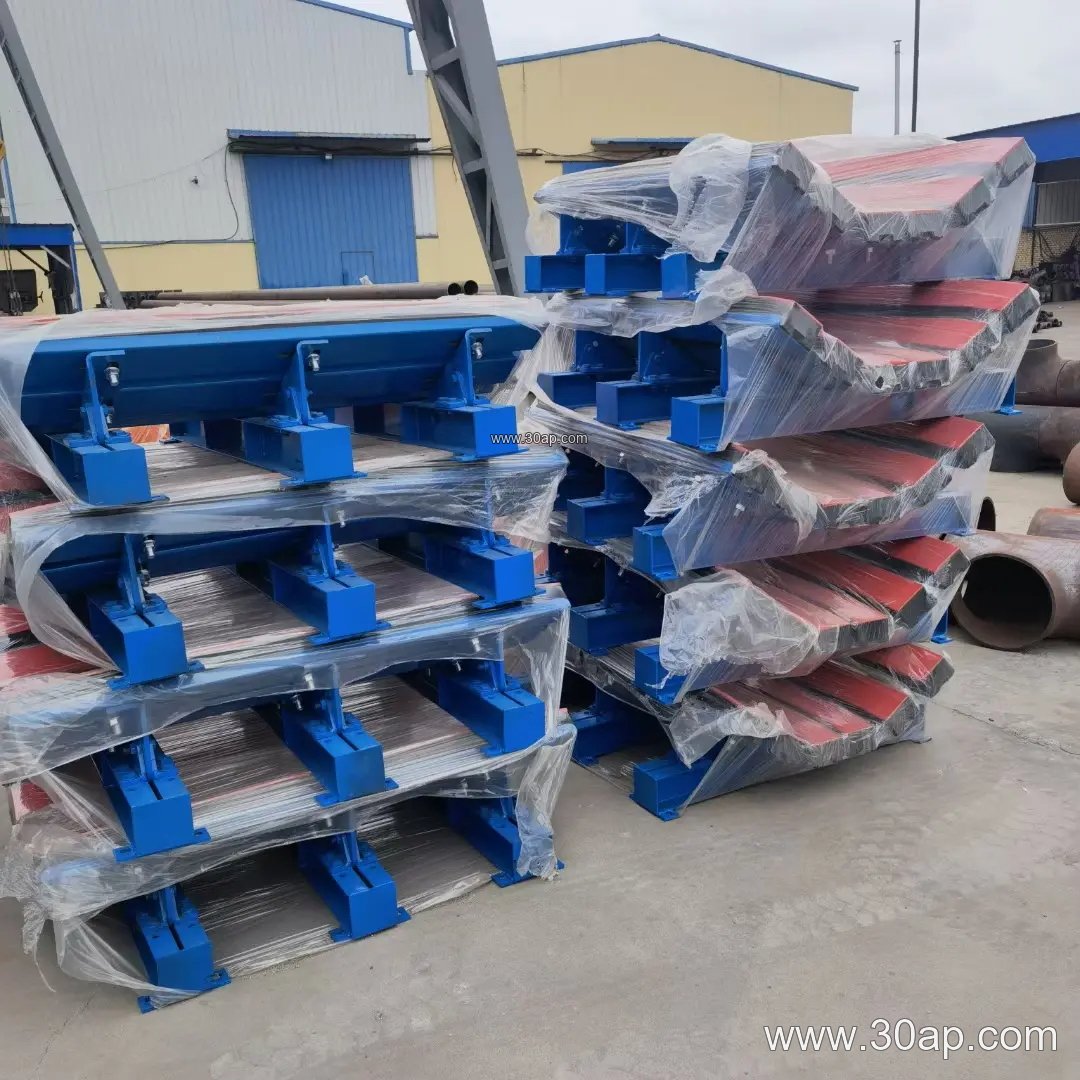
Belt width and roller diameter should be selected together with the bracket type. A wider belt such as B1400 or B1600 usually needs a longer crossbeam and stronger frame, while smaller widths like B650 or B800 suit lighter brackets. The table below shows reference combinations for planning, not universal specifications.
| Belt Width | Trough Angle | Roller Diameter | Typical Use |
|---|---|---|---|
| B500 | 20–30 degrees | Ø89 | Light aggregate lines |
| B650 | 30 degrees | Ø89 | Small crushing plants |
| B800 | 35 degrees | Ø108 | General bulk handling |
| B1000 | 35–45 degrees | Ø108–Ø133 | Coal and ore conveying |
| B1200 | 35–45 degrees | Ø133 | Cement and power plants |
| B1400 | 45 degrees | Ø133–Ø159 | Heavy quarry duty |
| B1600 | 45 degrees | Ø159–Ø194 | Large port and mining lines |
Forward-tilted brackets commonly use about 1.5 to 2 degrees of tilt to help center the belt. Adjustable brackets can shift between 20, 30, 35, and 45 degree trough angles when operating conditions change.
Buyer Checklist
Before ordering, confirm the belt width, roller diameter, trough angle, mounting hole pattern, and frame material. Check whether the site needs fixed or adjustable brackets, and whether dust, moisture, or impact calls for a heavier plate or a protective finish. Ask for drawings that show hole spacing and crossbeam length, since these follow the conveyor design rather than a single standard size.
Keep a small stock of spare brackets for high-wear positions such as load points and transition zones. A worn bracket can misalign the idler roller and shorten belt life, so periodic inspection pays off. For related equipment, buyers can also review conveyor pulley options and belt specifications together with the support frame layout. More details are available at gslconveyorbelt.com for belt and bracket planning.