What a Bend Rubber Lagged Pulley Does
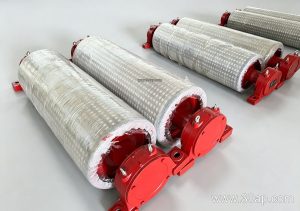
A bend rubber lagged pulley is a conveyor pulley placed where the belt must change direction without driving the system. It is a redirecting pulley, not a drive pulley and not a tail pulley. In a typical layout it sits between the head and the tail, guiding the return strand around an obstacle, adding wrap around a drive or take-up pulley, or easing the belt through a transfer point. The rubber lagging is the detail that separates it from a plain steel redirecting pulley: it protects the belt cover, improves grip where slight slip matters, and reduces the polished, slippery surface that bare steel can develop.
Because it is a direction-changing pulley, the loads it carries differ from a drive pulley. Torque is low, but belt tension and repeated flexing are constant. That is why the lagging, shell thickness, and bearing selection deserve attention rather than being treated as an afterthought.
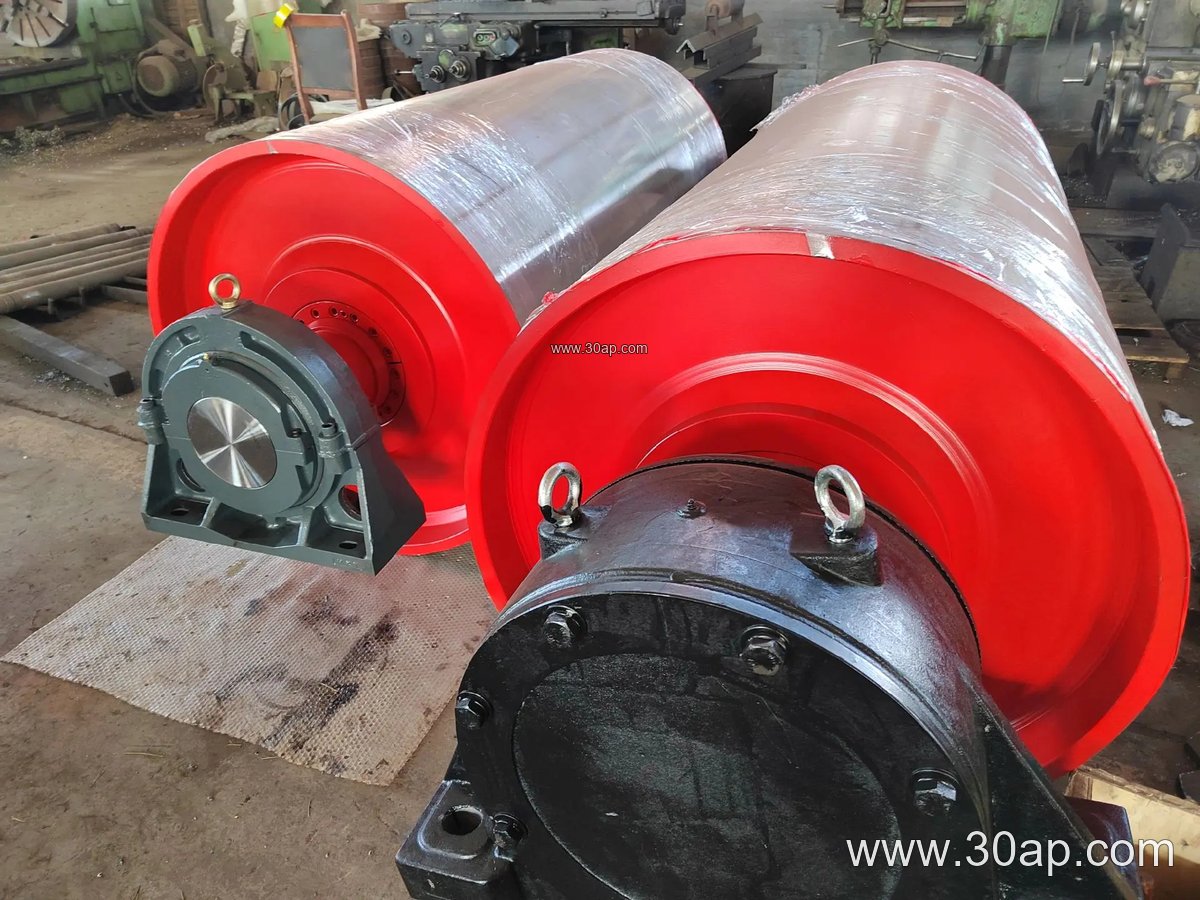
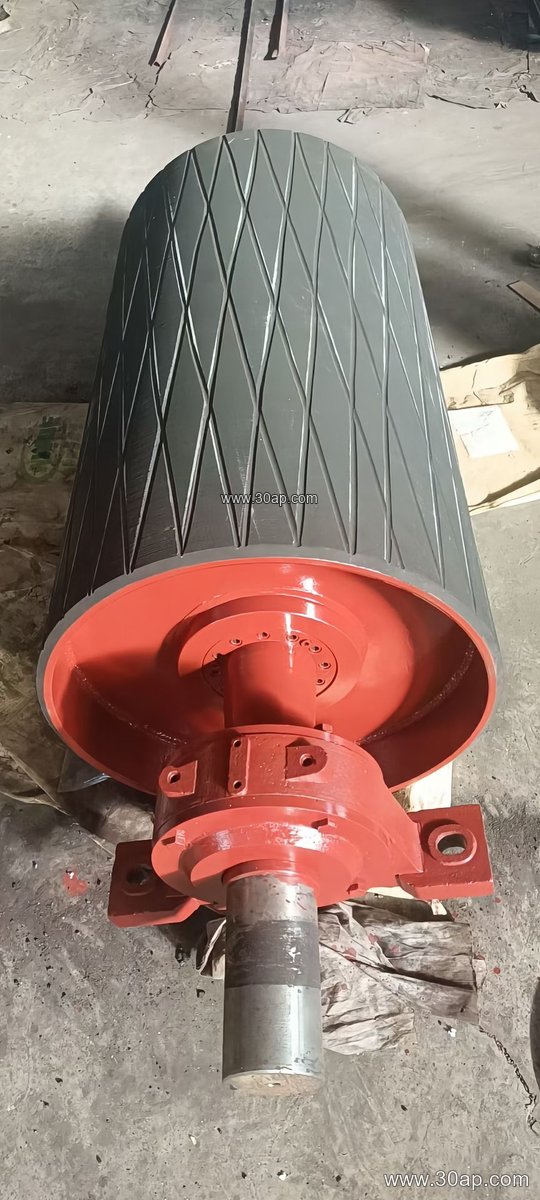
Construction and Lagging Options
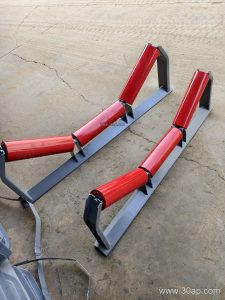
The pulley body is usually a welded steel shell with end discs, a shaft, and bearing housings mounted on a conveyor bracket or frame. Lagging can be applied in several ways. Cold-bonded rubber sheet is common for general duty, hot-vulcanized rubber gives a stronger bond for heavier service, and diamond or herringbone patterns help shed water and fines. Ceramic lagging is chosen where grip and wear resistance both matter, though for a bend position the priority is often belt protection rather than traction.
Common lagging thicknesses are 8, 10, 12, 15, and 20 mm. Thin lagging suits light belts and small diameters; thicker lagging is used on larger shells and heavy-duty mining conveyor lines. The shell face width normally exceeds the belt width so the belt is fully supported.
| Belt width | Typical shell face width | Example diameter pairing |
|---|---|---|
| B500 | about 600 mm | Ø315 or Ø400 |
| B650 | about 750 mm | Ø400 or Ø500 |
| B800 | about 950 mm | B800 × Ø500 |
| B1000 | about 1150 mm | Ø630 or Ø800 |
| B1200 | about 1400 mm | B1200 × Ø1000 |
| B1400 | about 1600 mm | B1400 × Ø800 |
| B1600 | about 1800 mm | Ø1000 or Ø1250 |
These pairings are examples, not rules. A given belt width can work with more than one diameter, and shaft diameter should be sized from torque and bearing loads, with common values such as Ø80, Ø100, Ø120, Ø140, and Ø160 appearing across the range.
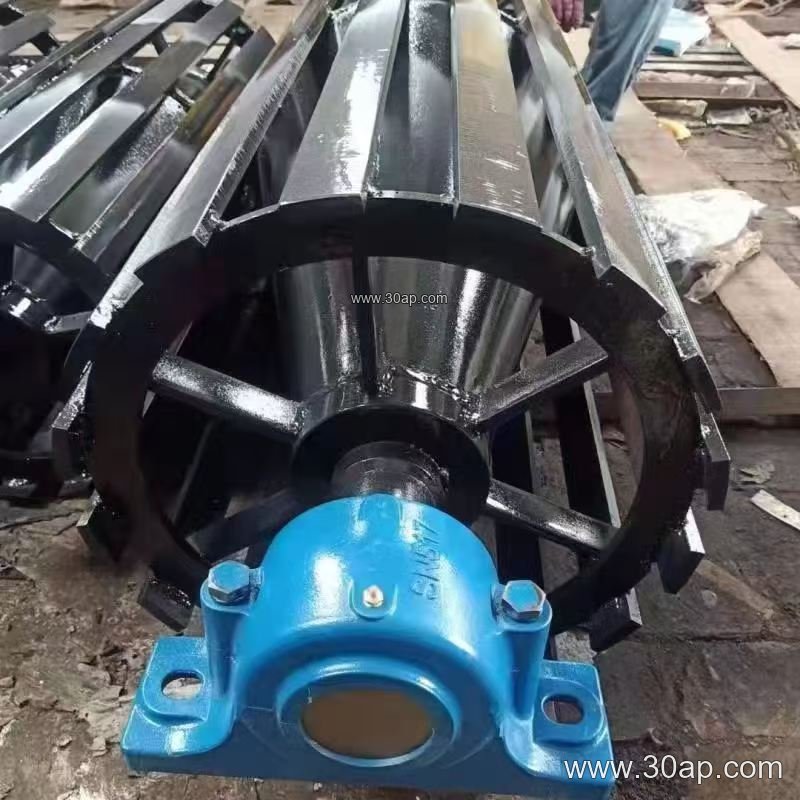
Where It Fits in a Conveying System
In a quarry or aggregate line, a bend pulley often routes the return belt under a screen house or around a transfer chute. In a coal handling plant or power plant coal yard, it may guide the belt through a tripper area or around a take-up. Cement plants use them on clinker and raw material belts where dust and heat are present, and steel plants use them on sinter and ore lines. The same component appears in port bulk terminals, fertilizer plants, and tunnel spoil systems.
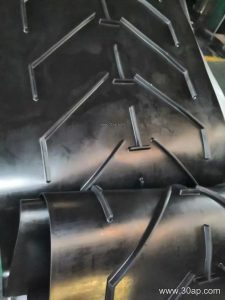
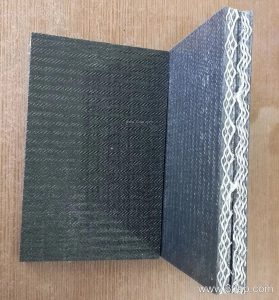
The belt itself matters. An abrasion resistant conveyor belt running over a rubber-lagged bend pulley benefits from the softer contact surface, while a steel cord conveyor belt on a long overland route needs a pulley diameter large enough to limit bending stress. Fabric core belts such as EP conveyor belt or NN conveyor belt grades tolerate tighter bends, but the pulley still has to match the belt’s minimum recommended diameter.
Selection Points for Buyers
- Confirm the position: a redirecting pulley is not a drive pulley, so do not specify drive-pulley lagging patterns by habit.
- State belt width, belt type, and minimum pulley diameter from the belt manufacturer.
- Choose lagging thickness and pattern for the duty: plain rubber for protection, diamond for wet or dusty conditions.
- Check shaft diameter against actual torque and bearing load rather than belt width alone.
- Confirm bearing type, sealing, and mounting dimensions against the existing conveyor bracket.
Maintenance is mostly about the lagging and the bearings. Worn or glazed rubber should be replaced before it damages the belt cover, and seized bearings will quickly wear the shaft. On a well-run line, a bend rubber lagged pulley is a quiet component, but it is the one that keeps the belt path correct from the load point to the discharge.