What a Comb Idler Does on a Conveyor
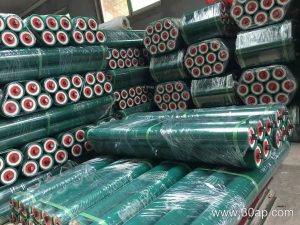
A comb idler is a return-side idler roller built with a series of rubber or polymer discs mounted along the shaft, spaced like the teeth of a comb. Instead of a continuous plain shell, the discs contact the belt in narrow rings. This open, segmented surface lets fine material that has stuck to the belt drop away between the discs rather than building up on a smooth roller. In a quarry, a coal washing plant, or a cement plant handling damp, sticky feed, that self-cleaning action is the main reason engineers specify this idler type.
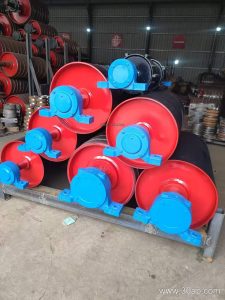
The comb idler is a return idler, normally installed under the carrying run after the belt has discharged. It should not be confused with a drive pulley, tail pulley, or bend pulley, which transmit or redirect belt tension; the comb idler only supports the returning belt. It is also different from a buffer idler, which absorbs impact at the loading point, and from a training idler, which corrects belt misalignment. Each of these performs a distinct job, and one cannot replace another in a conveyor layout.
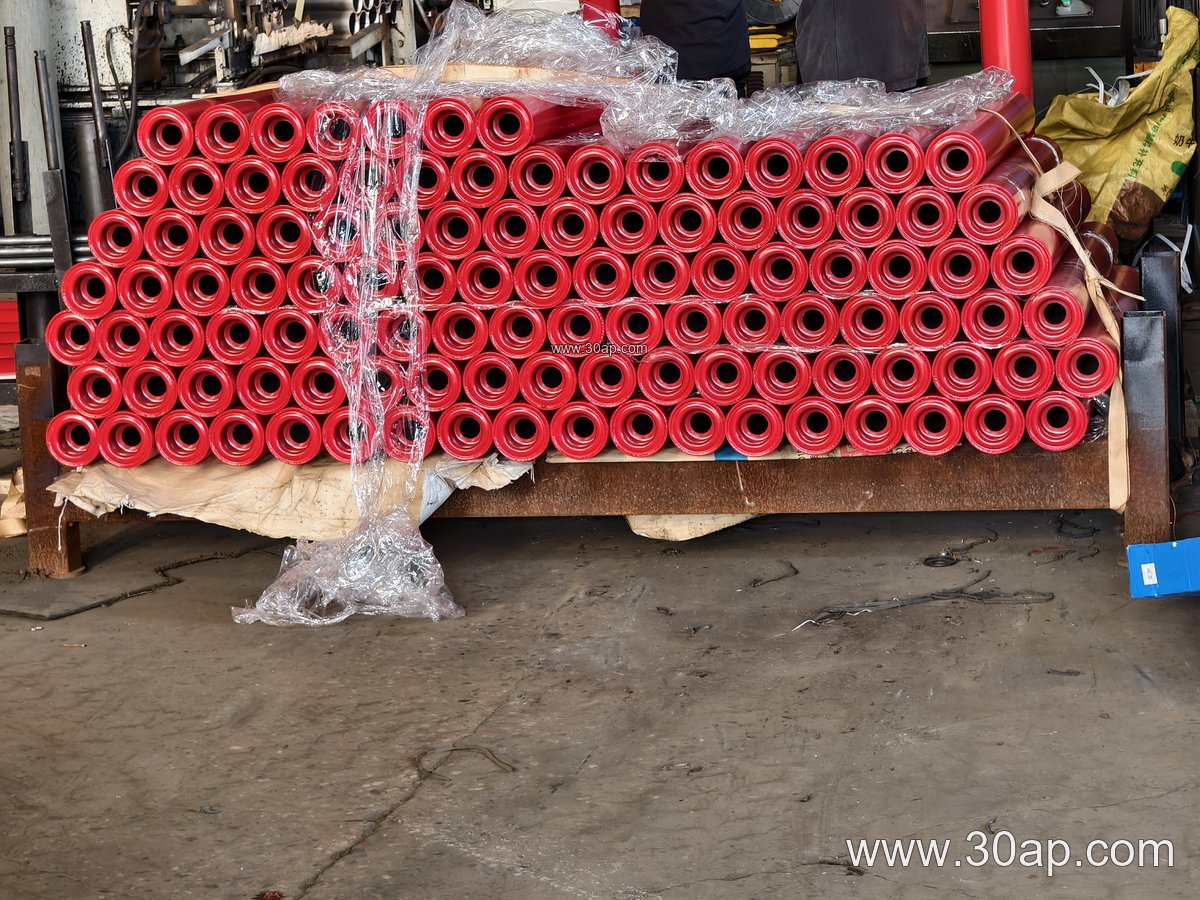
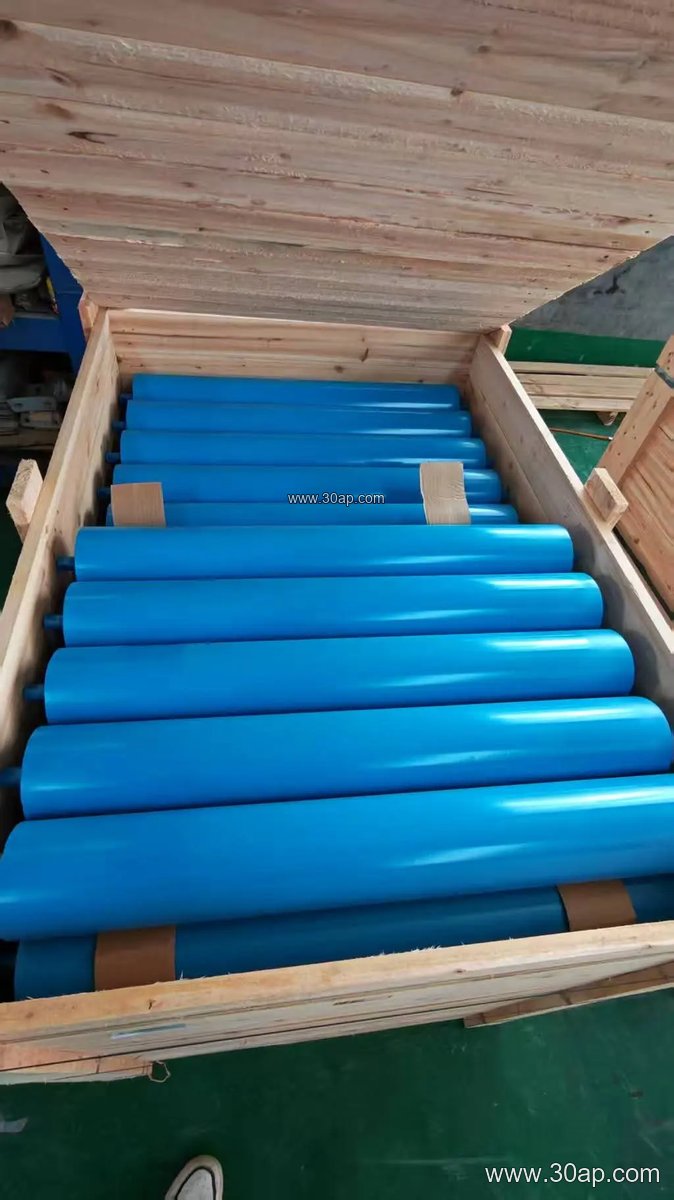
Construction and Materials
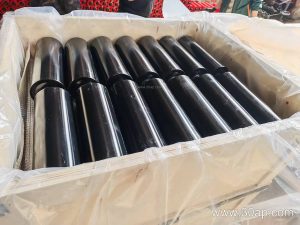
A typical comb idler combines a steel shaft, bearing housings at both ends, and a set of discs pressed onto the shaft. Disc materials vary: rubber discs offer good grip and wear resistance, while nylon or other polymer discs resist sticking and reduce belt friction. The shaft runs in sealed bearings, commonly 6204, 6205, 6305, 6306, 6308, or 6310 depending on load and roll diameter, though no single bearing is tied to one shaft size. Roll diameters in common use include Ø89, Ø108, Ø127, Ø133, and Ø159 mm; larger diameters such as Ø178 or Ø194 mm may appear on heavy-duty installations. Bearing seals matter in dusty service, so buyers should confirm the sealing arrangement rather than assume it.
Where Comb Idlers Fit in the Line
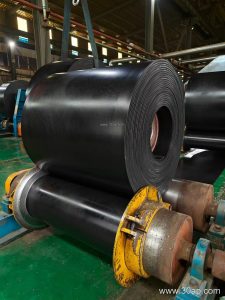
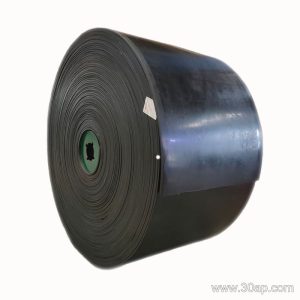
These idlers suit conveyors carrying wet or sticky bulk material. In a sand and gravel plant, a coal preparation facility, or a cement mill, fines can cling to a rubber conveyor belt and wrap a plain return roller until it stops turning. The comb design keeps the belt supported while allowing debris to fall through. They are also used on conveyor belts handling fertilizer, grain, and other materials prone to caking. On long overland runs, they may be spaced among standard return idlers where buildup is worst. Because the discs are narrower than a full shell, the belt is supported at intervals rather than continuously, so belt stiffness and load must be checked during selection.
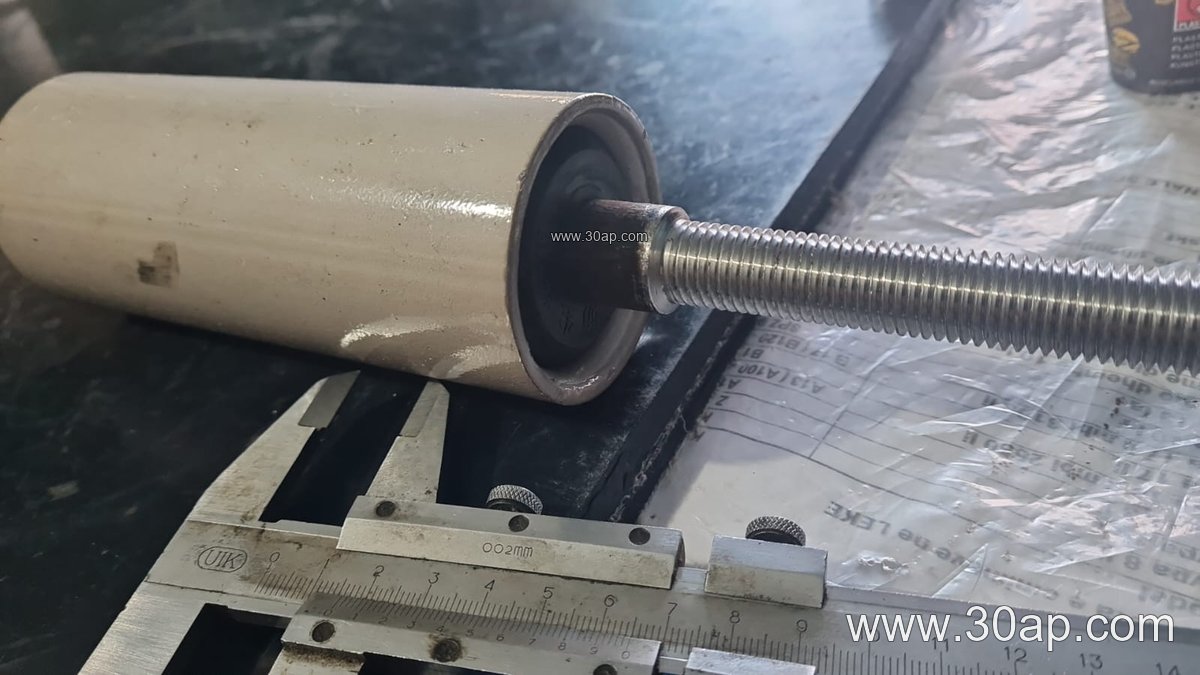
Matching the Idler to Belt Width and Duty
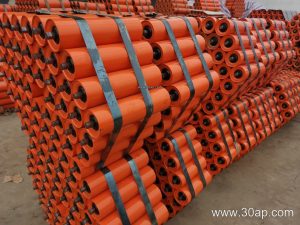
Comb idlers are made for the same belt widths as other return idlers, from B400 and B500 up through B1200, B1400, and beyond. The roller length is set by belt width and the idler frame, not by a fixed rule. A buyer should provide the belt width, the return idler spacing, the material being carried, and the ambient conditions. For hot service, such as a power plant or steel plant, heat-resistant discs may be needed; for cold climates, low-temperature grades are available. In underground coal mining, flame retardant and anti-static properties of nearby components are often required, and the idler specification should be checked against the same standards as the conveyor belt.
Selection and Maintenance Notes
- Confirm the return idler mounting dimensions and bracket type before ordering, since conveyor bracket styles differ between manufacturers.
- Check disc spacing against the belt surface; very soft or heavily textured belts may need a different return idler type.
- Inspect for worn or missing discs during routine walks, as a damaged comb idler can snag the belt edge.
- Keep the return run free of buildup at transfer points, where spillage often starts.
- Record roll diameter and bearing size at installation so replacements match the original design.
Comb idlers are a small part of the conveyor, but they influence belt life and downtime in sticky-material service. Buyers who match the idler to belt width, material condition, and frame design get the self-cleaning benefit without compromising support. For related conveyor components such as the conveyor belt, conveyor pulley, and idler roller, work with a supplier who can confirm dimensions against your layout rather than relying on a generic list. More detail on return idler options is available at zhongyun22.com, and technical data on comb idler variants can be reviewed alongside conveyor bracket drawings before a final selection is made.