What a Carbon Steel Conveyor Bracket Does
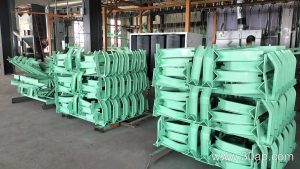
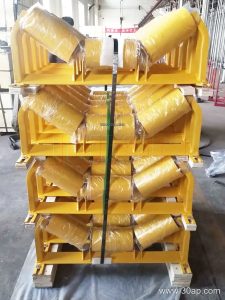
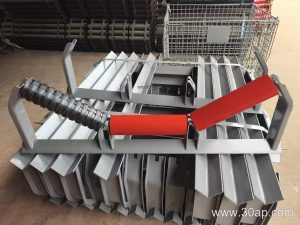
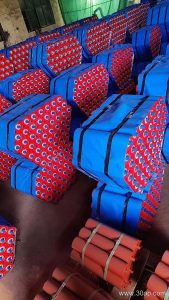
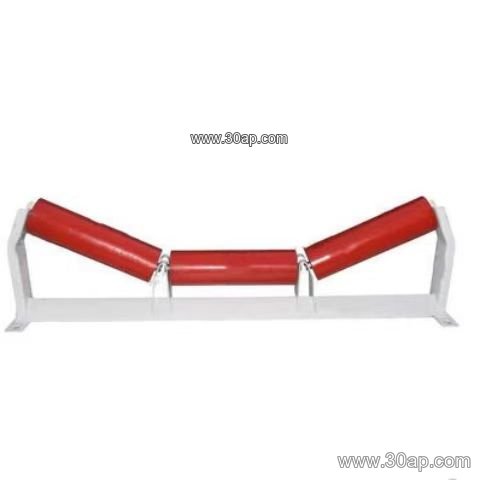
A carbon steel conveyor bracket is the structural support that holds idler rollers in the correct position under and over a conveyor belt. It carries the weight of the belt, the material load, and the idler assemblies, and it sets the trough angle that keeps bulk material centered during transport. In a limestone quarry, a cement plant, or a power plant coal yard, the bracket is usually the least visible part of the conveyor, yet it determines how evenly the belt runs and how long the rollers last.
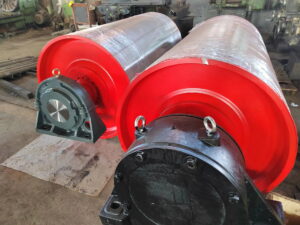
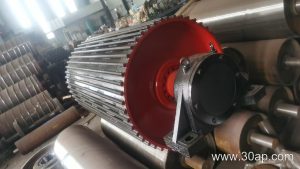
The same component is often called a carbon steel conveyor idler bracket or a conveyor support bracket. These are equivalent names for the same fabricated steel part; the drive pulley, tail pulley, and bend pulley are separate components and are not interchangeable with it.
How the Bracket Is Built
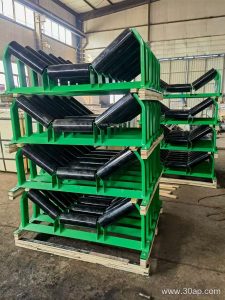
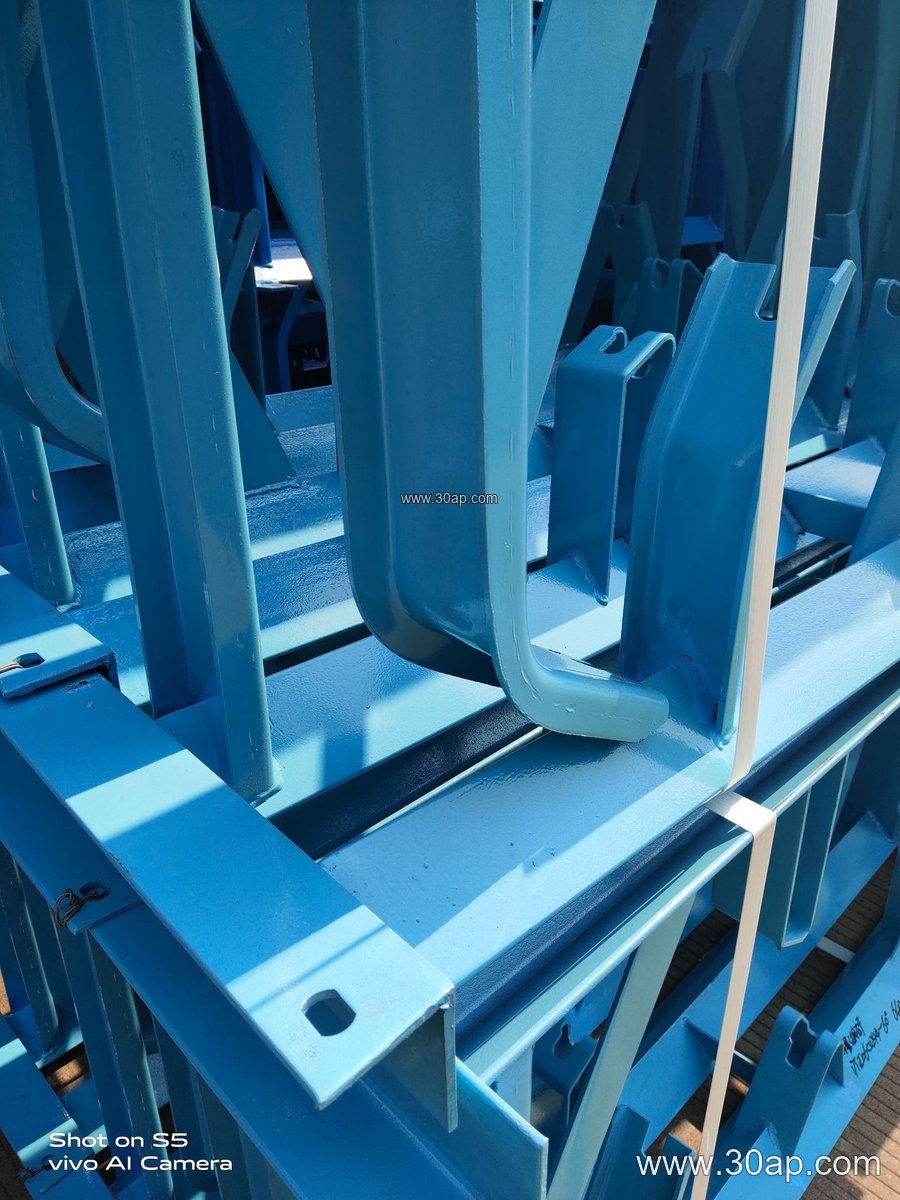
Most brackets are fabricated from angle steel, channel steel, or bent steel plate. The frame is cut, drilled, and welded, then finished with a coating suited to the site. The mounting slots are positioned to match the idler shaft spacing, and the crossbeam length changes with belt width and trough angle, so hole spacing is always confirmed against the actual conveyor design rather than assumed.
A typical bracket family includes several positions along the conveyor:
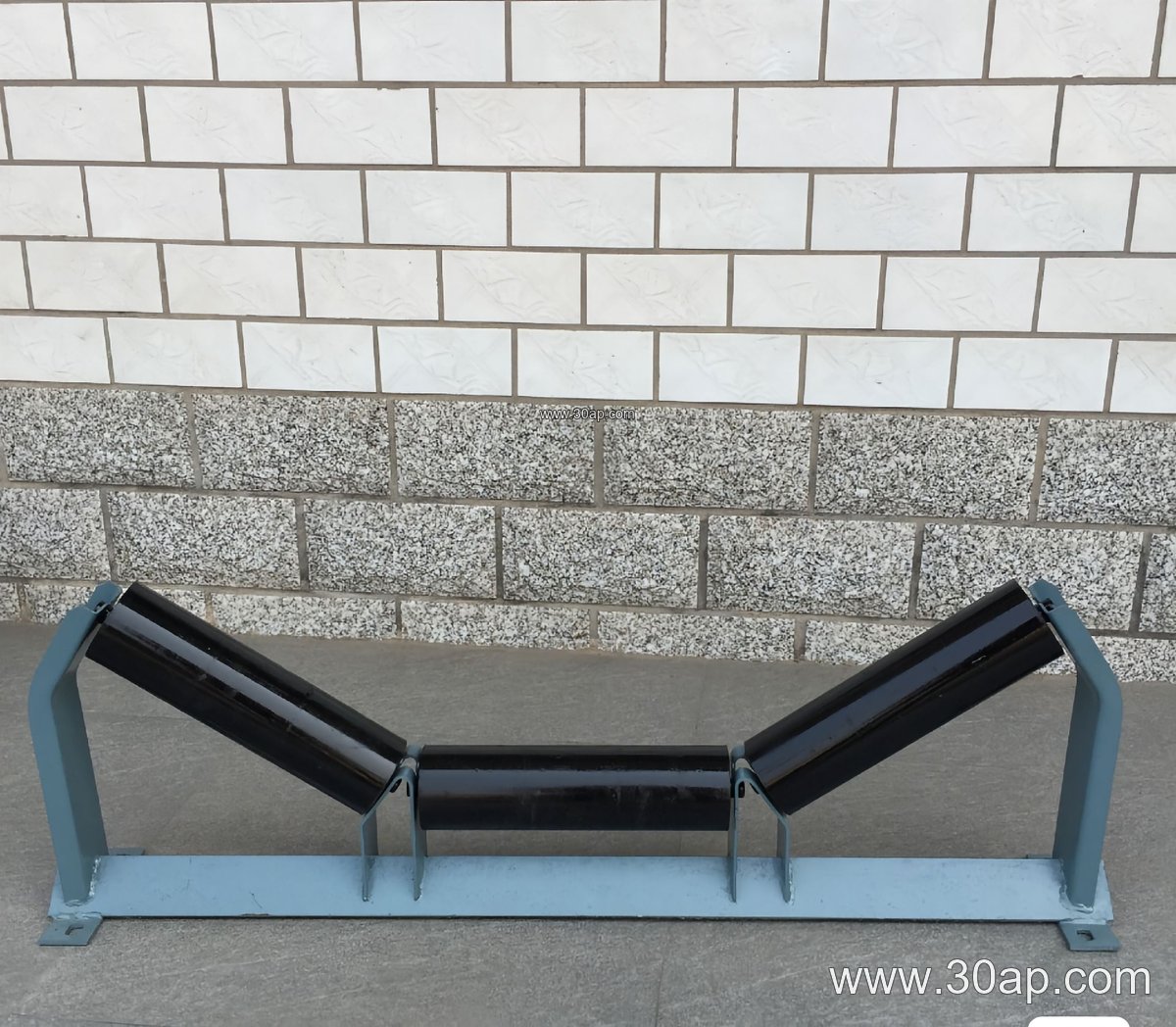
- Trough brackets on the carrying side, usually set at 20, 30, 35, or 45 degrees
- Transition brackets near the pulleys, where the belt changes shape
- Return brackets and V-return brackets on the lower strand
- Impact brackets under the loading point, paired with cushion rollers
- Self-aligning and forward-tilt brackets for belt tracking
- Adjustable brackets that allow the trough angle to be changed on site
Matching Belt Width, Trough Angle, and Roller Diameter
Bracket selection starts with the belt width and the required trough angle, then moves to the idler diameter. Common reference combinations include B800 with a 35-degree trough and Ø108 rollers, B1200 with a 45-degree trough and Ø133 rollers, or B650 with a 30-degree trough and Ø89 rollers. These are examples, not fixed rules. A wider belt does not automatically dictate one trough angle, and belt width alone does not define the shaft diameter; the load, belt speed, and idler series decide that.
| Reference Item | Common Range |
|---|---|
| Belt width | B500, B650, B800, B1000, B1200, B1400, B1600, B1800, B2000 |
| Trough angle | 20°, 30°, 35°, 45° |
| Idler diameter | Ø89, Ø108, Ø133, Ø159, Ø194 |
| Forward tilt | about 1.5° to 2° |
| Material | angle steel, channel steel, bent plate |
On a typical 1200mm belt line, the bracket drawing should state the trough angle, roller diameter, and mounting hole pitch together. On a 650mm or 800mm line, lighter angle-steel frames are often sufficient.
Where These Brackets Are Used
Carbon steel brackets appear wherever a belt conveyor moves bulk material. In a sand and gravel line or a crushing and screening plant, they support the belt through the loading zone and along the discharge. In a coal washing plant or a power plant coal handling system, flame retardant and anti-static belt grades are common, and the brackets must resist vibration and fine dust. A cement plant uses them on clinker and raw meal lines, where heat resistant belt grades may run near the kiln area. Port terminals and ship loading conveyors use heavier frames with wide belts, while fertilizer and grain silo operations favor clean, well-coated brackets.
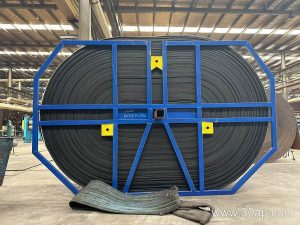
The bracket works together with the conveyor belt, idler roller, and conveyor pulley. A misaligned bracket can cause edge wear on an EP conveyor belt or a steel cord conveyor belt, while a correct trough angle keeps the load centered and reduces spillage.
Buyer Checklist
- Confirm belt width, trough angle, and roller diameter before ordering
- Ask for the mounting hole pitch and crossbeam length, since both vary with design
- Match the coating to the environment: dusty, wet, or corrosive
- Check that adjustable brackets lock firmly at the chosen angle
- Verify that impact brackets are placed under the loading point, not in general spans
- Keep spare brackets for transition and self-aligning positions, which wear fastest
For anyone sourcing conveyor components, whether a fabric core conveyor belt for a quarry or a heat resistant conveyor belt for a cement kiln line, the bracket is a small but decisive part of the system. For more details on conveyor brackets and related hardware, visit www.example.com/conveyor-bracket or check the roller and pulley sections at www.example.com/roller.