What a Ship Loading Conveyor Belt Does
A ship loading conveyor belt is the working surface of a shiploading system that carries bulk material from a stockyard, silo, or truck receiving point to the hold of a vessel. In ports, cement terminals, coal export facilities, and grain berths, this belt runs along a boom or a fixed jetty conveyor and must keep a steady flow while the loader moves to trim the cargo. The belt itself is a composite product: a tension-bearing carcass, top and bottom rubber covers, and often edge or surface features that keep material centered during a long, inclined run.
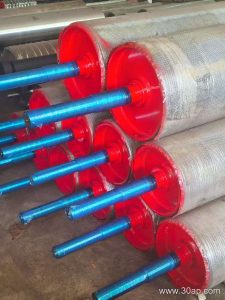
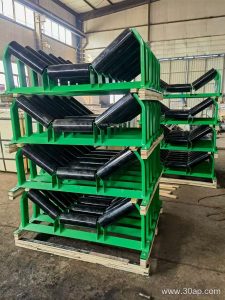
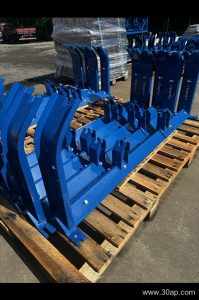
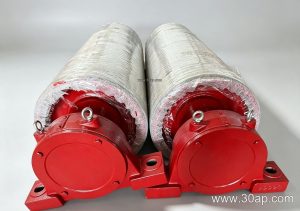
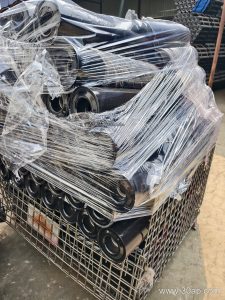
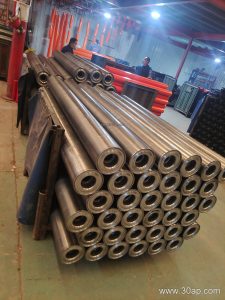
The same belt family appears under names such as a port conveyor belt or a bulk material conveyor belt. Those are general descriptions of the duty, not a different product. Within a shiploader, the belt works together with conveyor pulleys, idler rollers, and conveyor brackets, but the driving, tail, and bend pulleys each have separate jobs and should never be treated as interchangeable parts.
Construction and Common Configurations
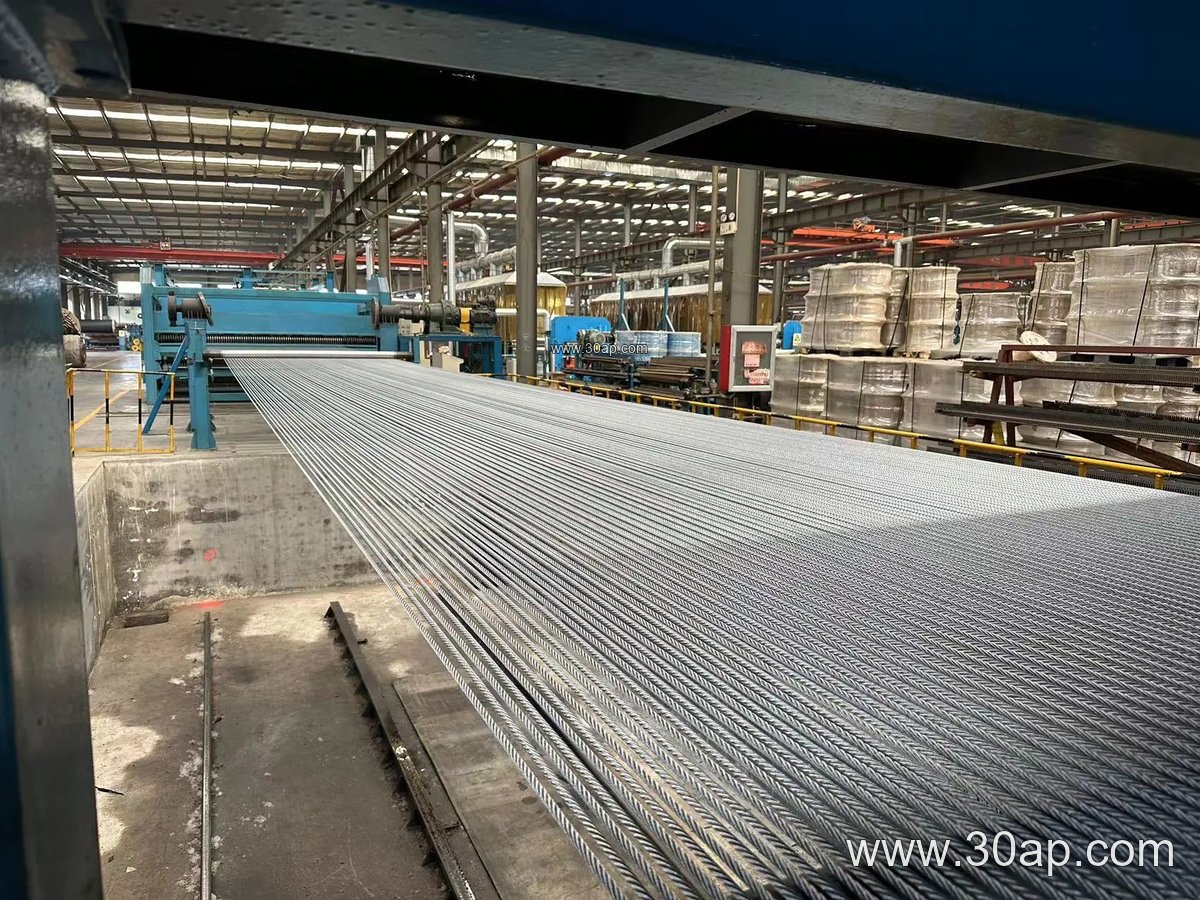
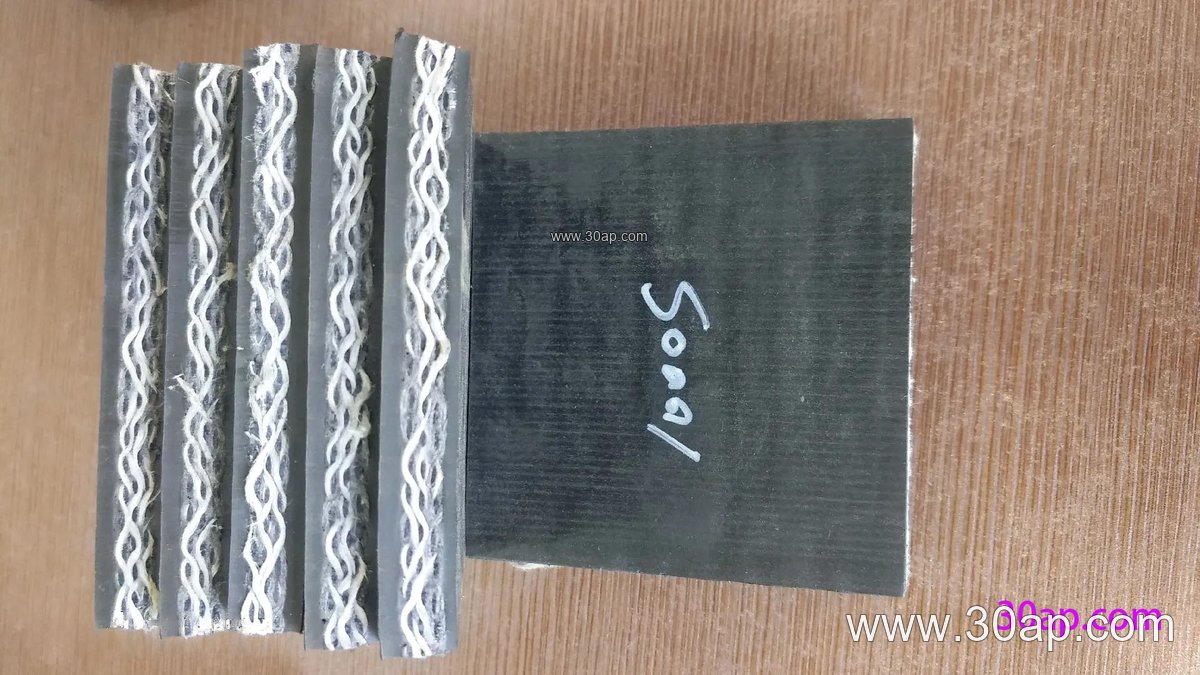
Most ship loading belts use a fabric core or a steel cord carcass. Fabric core designs are common where flexibility around pulleys matters, while steel cord constructions suit long booms and high tension. Buyers often compare an EP conveyor belt with an NN conveyor belt: EP (polyester-nylon) generally offers lower stretch, and NN (nylon-nylon) offers good fatigue resistance. A multi-ply fabric core conveyor belt remains a practical choice for moderate loads, and a steel cord conveyor belt is selected when the route is long and the belt must carry high tension with limited elongation.
Cover compound and thickness depend on the cargo. Coal and ore handling may call for a flame retardant conveyor belt and an abrasion resistant conveyor belt. Cement and clinker dust favor a heat resistant conveyor belt where temperatures rise. Grain and some chemicals may need an oil resistant conveyor belt or a food grade conveyor belt. In cold climates, a cold resistant conveyor belt helps prevent cracking at start-up.
Reference Range for Early Planning
The values below are typical reference points for discussion, not a fixed supply promise. Final selection follows the conveyor design, cargo, and site conditions.
- Belt widths: B500, B650, B800, B1000, B1200, B1400, B1600, B1800, B2000
- Fabric core grades: EP200, EP315, EP400, EP500, EP630, EP800, EP1000, EP1250, EP1600, EP2000
- Cover thickness examples: 3+1.5 mm, 4+2 mm, 5+2 mm, 6+2 mm, 8+3 mm
- Carcass plies: usually 2 to 6 layers for fabric core belts
No single belt width dictates one pulley diameter. Shaft size and pulley dimensions are set by the conveyor designer based on tension, wrap angle, and load, so a belt width alone should not be used to guess a shaft diameter.
Where It Is Used
Ship loading belts serve ports and bulk terminals handling coal, iron ore, copper ore, limestone, fertilizer, grain, and sand. In a coal mining conveyor belt system, the same belt technology may feed a stockpile before the ship loader, while a quarry conveyor belt or aggregate conveyor belt handles stone at a nearby export berth. Power plant conveyor belts and cement plant conveyor belts also share many of the same construction principles, but the cover grade and flame requirements differ.
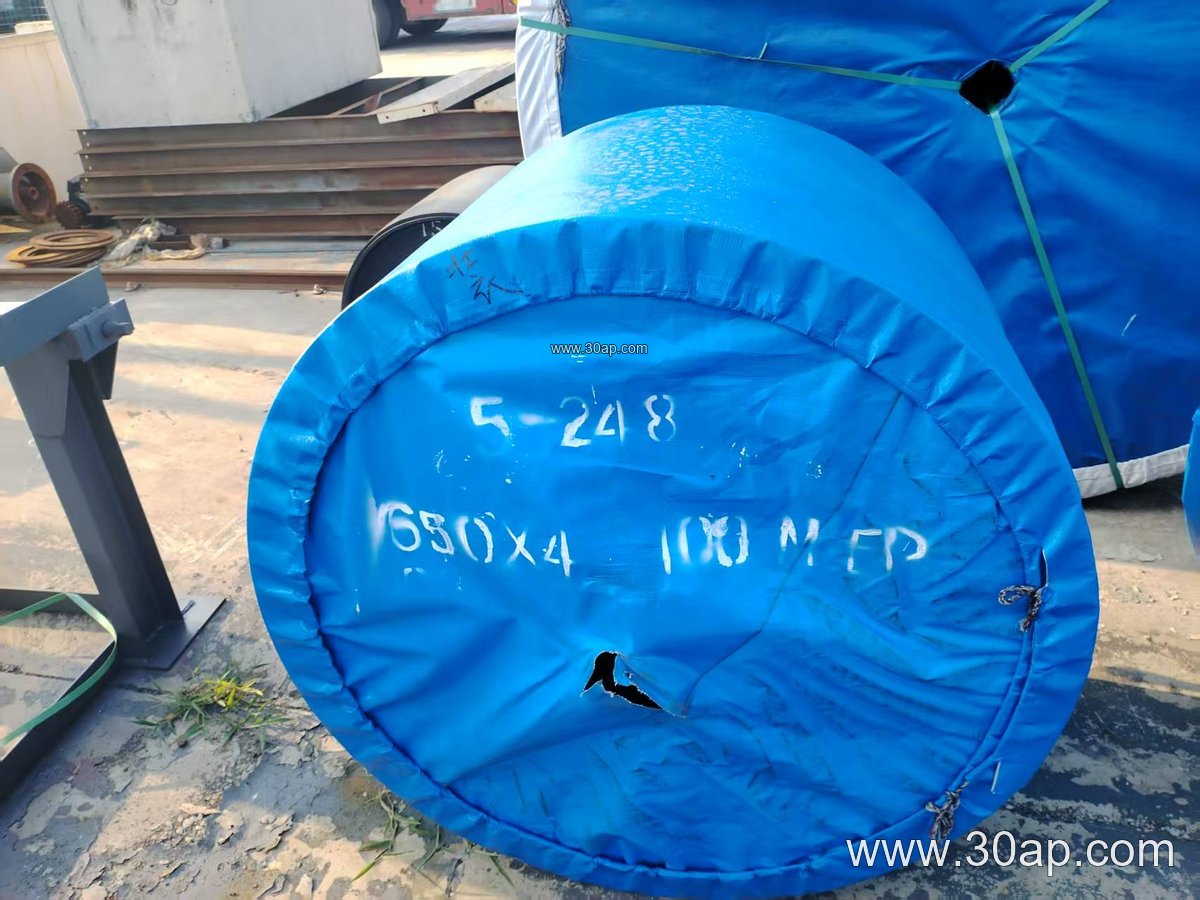
A chevron conveyor belt or a corrugated sidewall conveyor belt is more often seen on steep inclines inside the terminal. Those surface forms are a separate solution and are not a replacement for the flat ship loading belt on the boom. Similarly, a pipe conveyor belt is chosen when enclosed transport is needed, not as a general substitute for an open loading belt.
Buyer Checklist
Before ordering, confirm the cargo type, peak capacity, belt speed, boom length, and the maximum incline. Ask for the tension rating and the cover grade in writing, and check that the flame retardant or fire resistant requirement matches the terminal’s rules. Review how the belt tracks on the idler rollers and whether edge damage is likely at the transfer point. Spare conveyor brackets and pulley lagging should be planned at the same time, because a belt change often reveals wear on these parts.
For a long shiploader boom, consider whether an endless conveyor belt is practical for the installation method, or whether a spliced belt is preferred. Keep spare belt sections, splicing materials, and inspection records on site. A regular check of cover wear, edge condition, and splice health extends service life more reliably than any single specification choice.