What a Wide Conveyor Belt Is
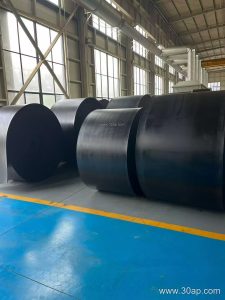
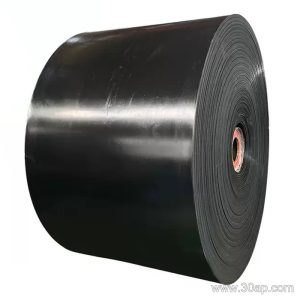
A wide conveyor belt is a fabric-core or steel-cord belt built with a broad cross-section, commonly used where a single stream of bulk material must be moved at high tonnage without excessive belt speed. In practice, widths such as 1200mm, 1400mm, 1600mm, 1800mm and 2000mm are typical for main haulage lines, while 1000mm and 1200mm wide belts often serve as the transition between gathering and main conveyors. Because the belt carries more material per metre, it can reduce transfer points and simplify plant layout in mines, cement works, power stations and aggregate yards.
The term describes a working width rather than one fixed construction. A wide conveyor belt may use an EP conveyor belt carcass, an NN conveyor belt carcass, or a steel cord conveyor belt body, depending on the duty and the pulley diameters available on the conveyor.
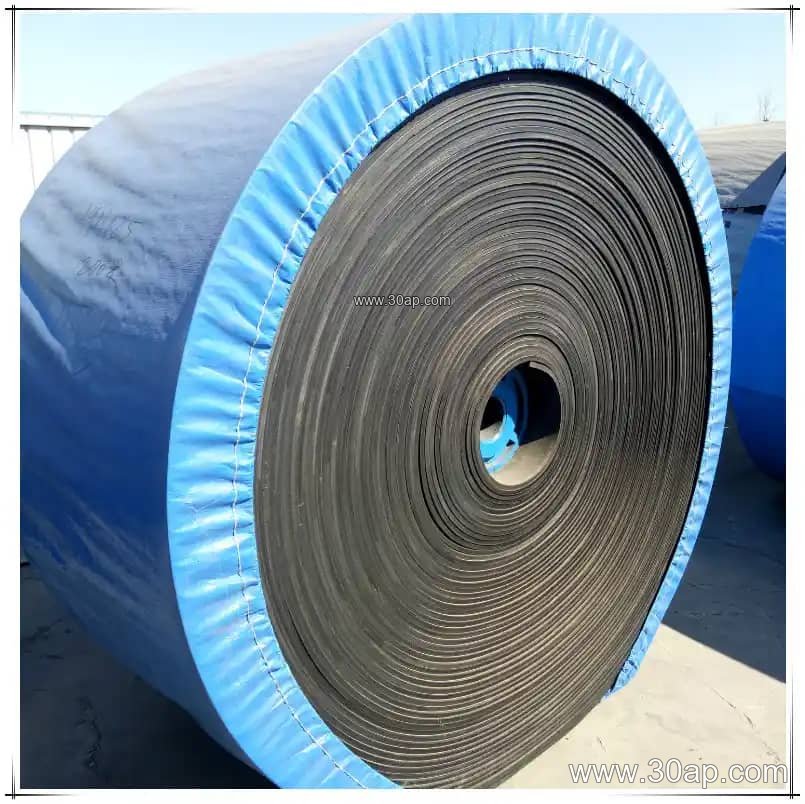
Construction and Cover Options
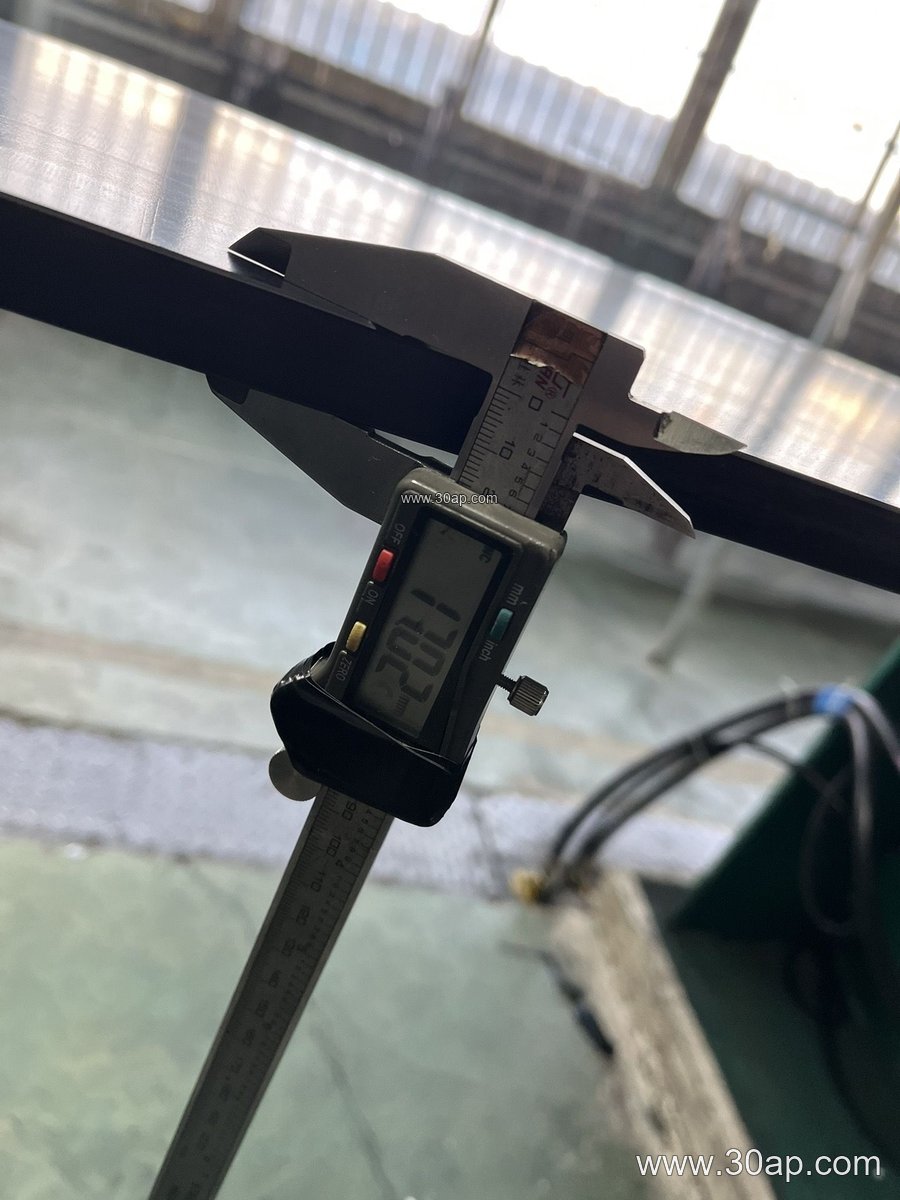
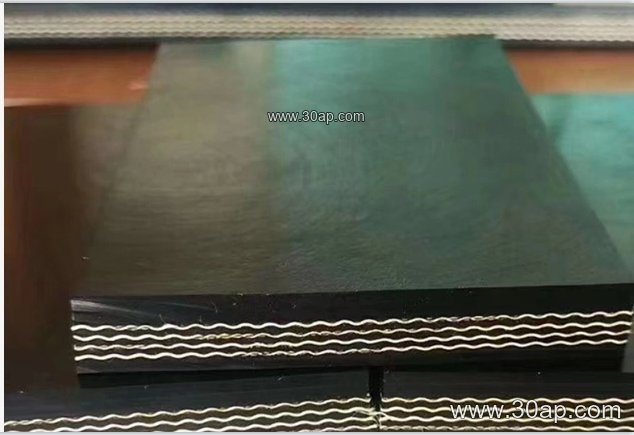
The belt body is usually a multi-ply fabric core or a steel cord core, protected by top and bottom rubber covers. Fabric types are often supplied as a multi-ply fabric core conveyor belt with two to six plies; steel cord designs use a single layer of cords for very long, high-tension runs. Cover grades are chosen for the cargo and climate, and common combinations include 4+2 mm, 5+2 mm, 6+2 mm and 8+3 mm.
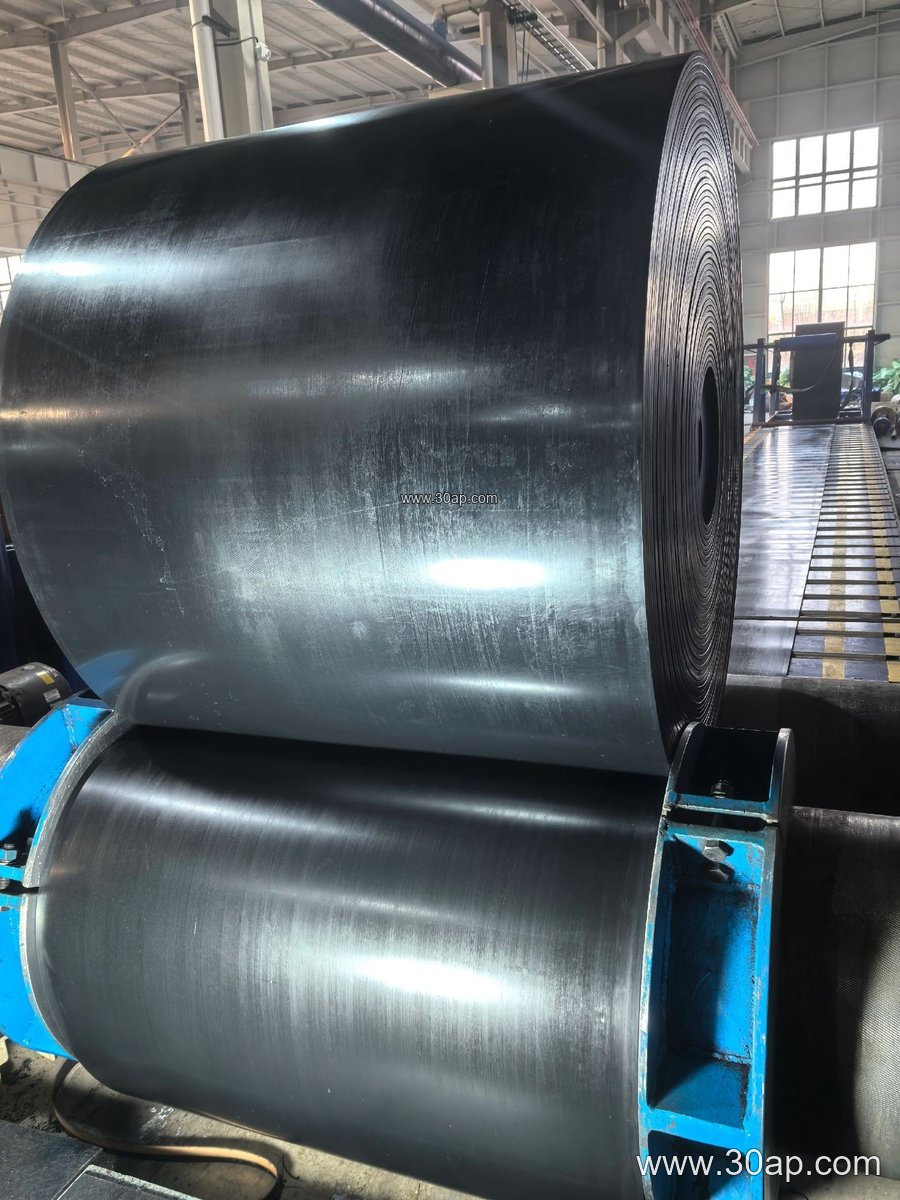
- Wear protection: abrasion resistant conveyor belt covers for crushed rock, ore and clinker.
- Heat duty: heat resistant conveyor belt grades for cement, sinter and ash.
- Safety: flame retardant conveyor belt and anti-static conveyor belt options for coal and underground work.
- Special cargo: oil resistant conveyor belt, cold resistant conveyor belt and acid or chemical resistant grades.
- Containment: chevron conveyor belt, skirted conveyor belt or corrugated sidewall conveyor belt profiles where slope or spillage is a concern.
Surface form matters on wide belts because a small change in cover friction or profile height affects tracking across the full width. A pipe conveyor belt is a different design used for enclosed routing and should not be treated as a substitute for an open wide belt.
Typical Industrial Applications
Wide belts appear in mining conveyor belt systems, coal mining conveyor belt lines, quarry conveyor belt and aggregate conveyor belt circuits, crusher conveyor belt discharge, cement plant conveyor belt raw-material handling, steel plant conveyor belt burden feeding, power plant conveyor belt coal and ash transport, and port conveyor belt or ship loading conveyor belt installations. A bulk material conveyor belt of this kind is also common in sand making plants, stone crushing lines and recycling facilities where throughput is high and the belt must resist impact and abrasion.
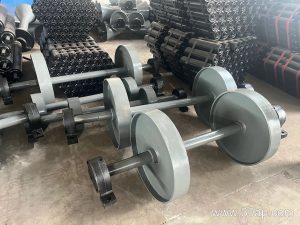
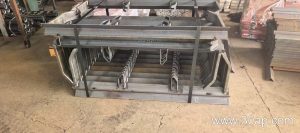
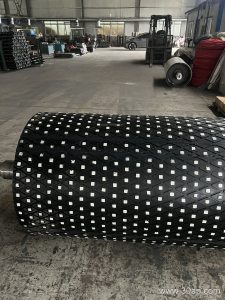
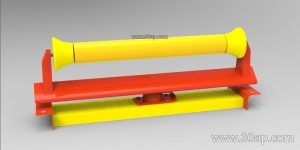
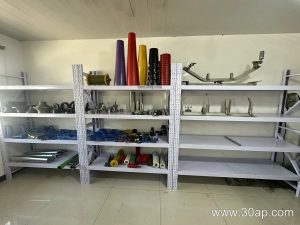
In these plants, the belt works with conveyor pulleys, idler rollers and conveyor brackets. Drive, tail and bend pulleys each have a distinct role and are not interchangeable; the same applies to carrying, impact and return idlers. Belt width and pulley face width must be matched by design, but no single belt width dictates one pulley diameter.
Common Reference Data
The values below are reference ranges only. Actual construction, cover thickness and cord or ply count are confirmed per project and per manufacturer.
| Item | Common Reference |
|---|---|
| Belt width | B1000, B1200, B1400, B1600, B1800, B2000 |
| EP strength grades | EP200, EP400, EP630, EP800, EP1000, EP1250, EP1600 |
| NN strength grades | NN100, NN200, NN300, NN400 |
| Steel cord grades | ST1000, ST1600, ST2000, ST2500 |
| Cover thickness | 3+1.5, 4+2, 5+2, 6+2, 8+3 mm |
| Carcass plies | 2 to 6 plies for fabric cores |
Examples such as a 1200mm wide conveyor belt in EP1000, or an 1800mm wide belt in EP1250, are frequently discussed in project planning, but the final grade depends on tension, load and pulley size.
Buyer Checklist
Before ordering, define the material, lump size, tonnage per hour, incline and ambient conditions. Confirm the conveyor pulley diameters, idler roller spacing and bracket layout, since a wide belt needs adequate support to avoid sag and edge damage. Ask for the cover grade, carcass type, ply or cord count, and whether the belt is supplied as an endless conveyor belt or in open lengths for splicing. For coal or underground use, specify flame retardant and anti-static properties; for cement or foundry work, specify heat resistance; for cold climates, ask for a cold resistant grade. A heavy-duty conveyor belt in a wide format is a long-term investment, so matching the belt to the real duty rather than to a nominal size is the safest approach.