What an Ore Conveyor Belt Does
An ore conveyor belt is the load-carrying element of a bulk handling system that moves crushed rock, screened ore, and mineral concentrates between the pit, stockpile, crusher, and plant. The belt runs over idler rollers, wraps around the head and tail conveyor pulleys, and returns on the lower strand. In a mine or quarry, the belt often works continuously under sharp, heavy, and sometimes wet material, so the rubber cover and the carcass have to match the duty rather than simply the conveyor length.
The same product is also described as a mining conveyor belt or a bulk material conveyor belt, and those names point to the same core item. What changes between installations is the carcass type, the cover compound, and the surface form.
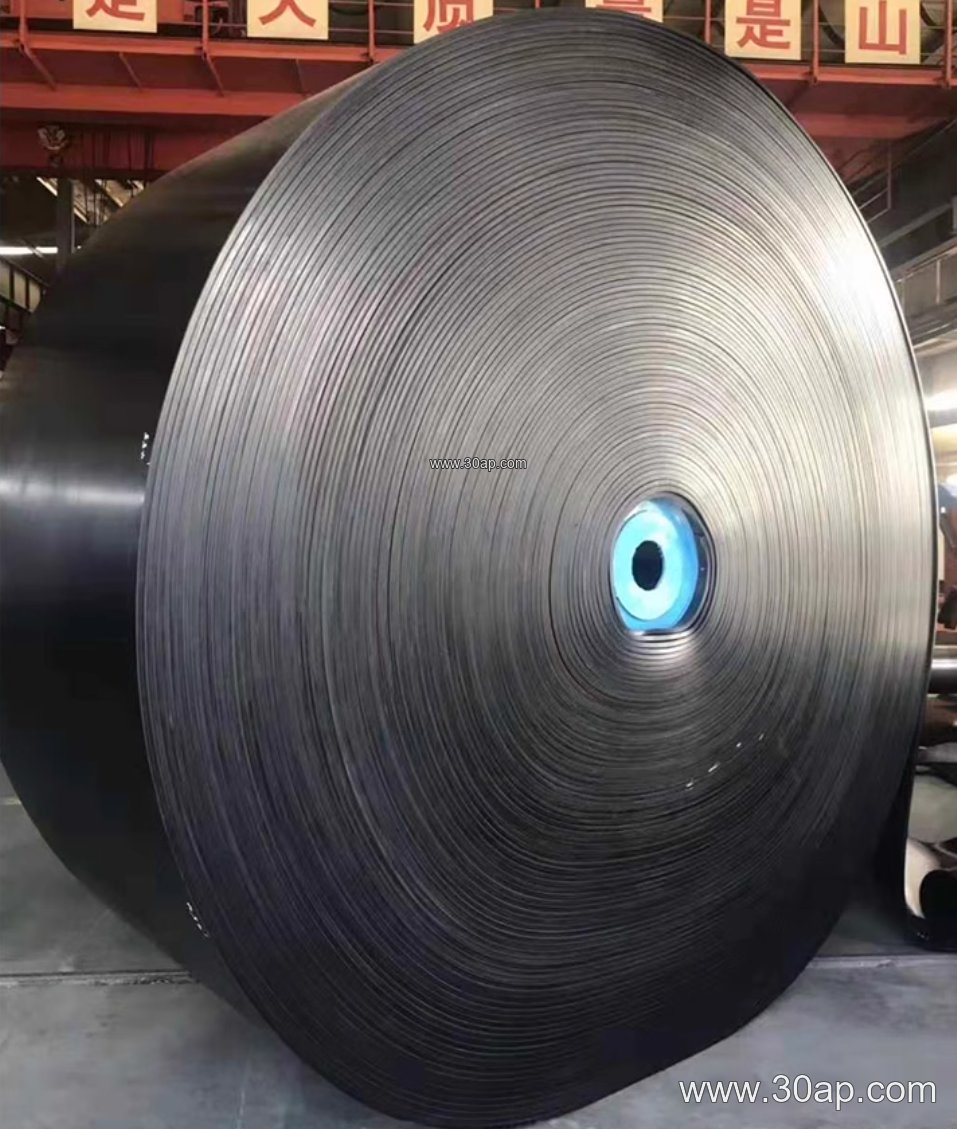
Construction of the Belt
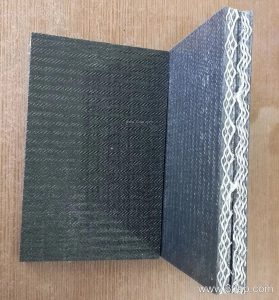
Most ore belts combine a fabric or steel carcass with rubber covers on the top and bottom. The carcass carries tension, while the covers absorb impact and abrasion. Common fabric carcasses include EP (polyester-nylon) and NN (nylon-nylon) constructions, often built as a multi-ply fabric core. Heavier duties may use a steel cord conveyor belt where very high tension and long centers are involved.
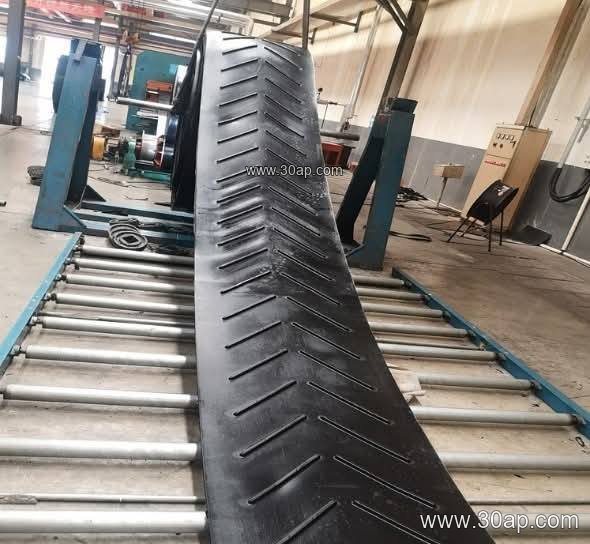
- Top cover: usually thicker to resist cutting and gouging from lump ore.
- Bottom cover: protects the pulley side and the return run.
- Edges: should be straight and sealed to limit ply separation.
- Surface: smooth, chevron, or with corrugated sidewalls and skirts for steep inclines.
Cover grades are selected by environment. Abrasion resistant rubber suits dry, sharp rock; heat resistant grades suit coke or clinker; flame retardant and anti-static grades are common in coal mining and underground coal mining; oil resistant and cold resistant grades cover other conditions. A pipe conveyor belt or an endless conveyor belt is a different belt configuration, not a substitute for a standard troughed ore belt, and should be considered only when the route or transfer layout calls for it.
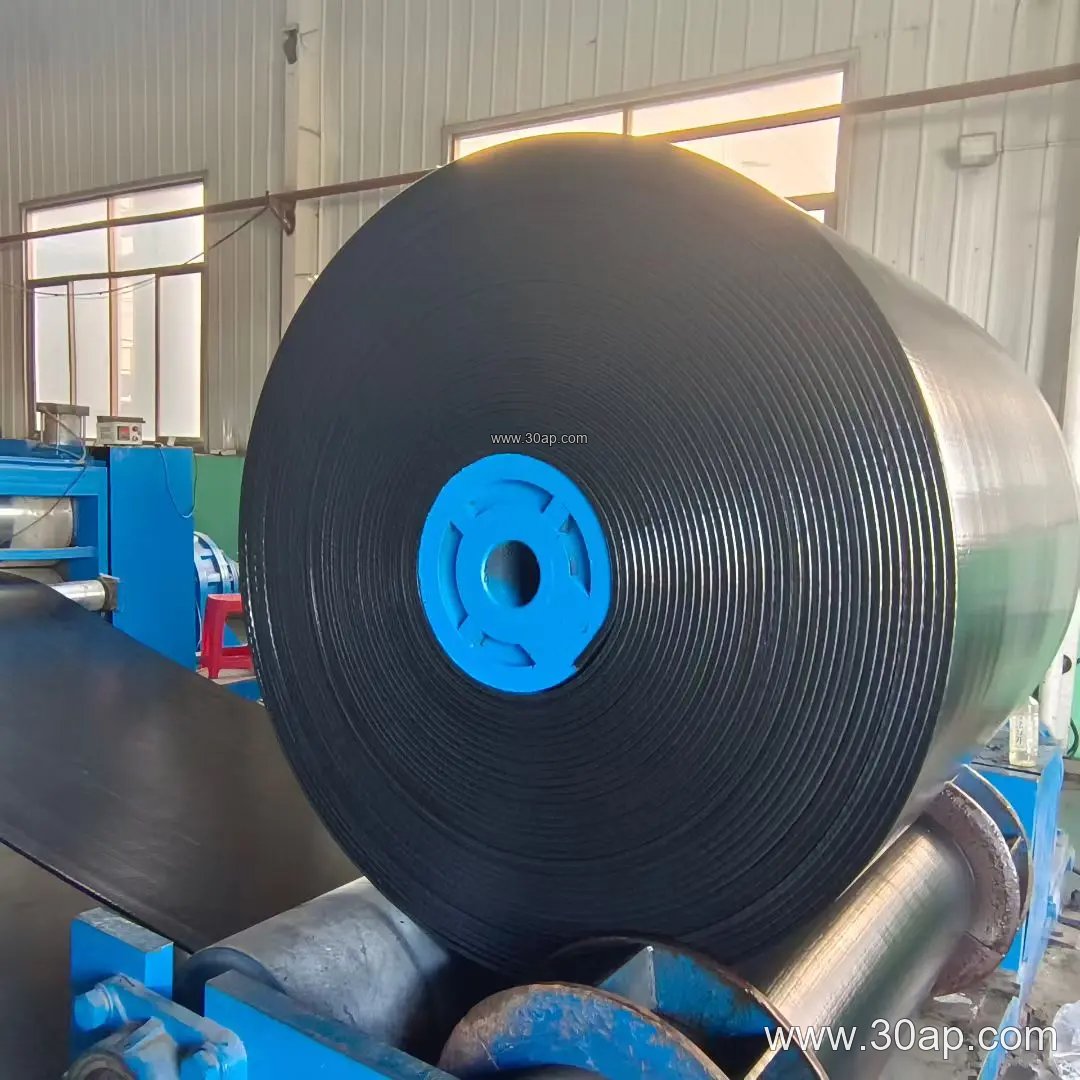
Typical Working Conditions
Ore handling is rarely gentle. Primary crusher discharge can include sharp, blocky material, while fine concentrate is dense and abrasive. Dust, water spray, and temperature swings add to the load. In a coal preparation plant or a power plant coal yard, fire safety and static control matter as much as wear life. In cement plants and sand making plants, the belt may carry limestone, clinker, or aggregate with high abrasion. Port and ship loading systems often need wide belts and high strength.
Because of this spread of duties, buyers usually see several carcass grades in the same plant, for example EP200 or EP400 on short transfers and EP630, EP800, or EP1000 on main lines. Steel cord grades such as ST1000, ST1600, or ST2000 appear on long overland runs. These figures are reference grades, and final selection depends on the actual tension calculation.
Reference Data for Early Planning
The values below are common planning references, not a fixed supply promise. Always confirm the final specification with the conveyor designer.
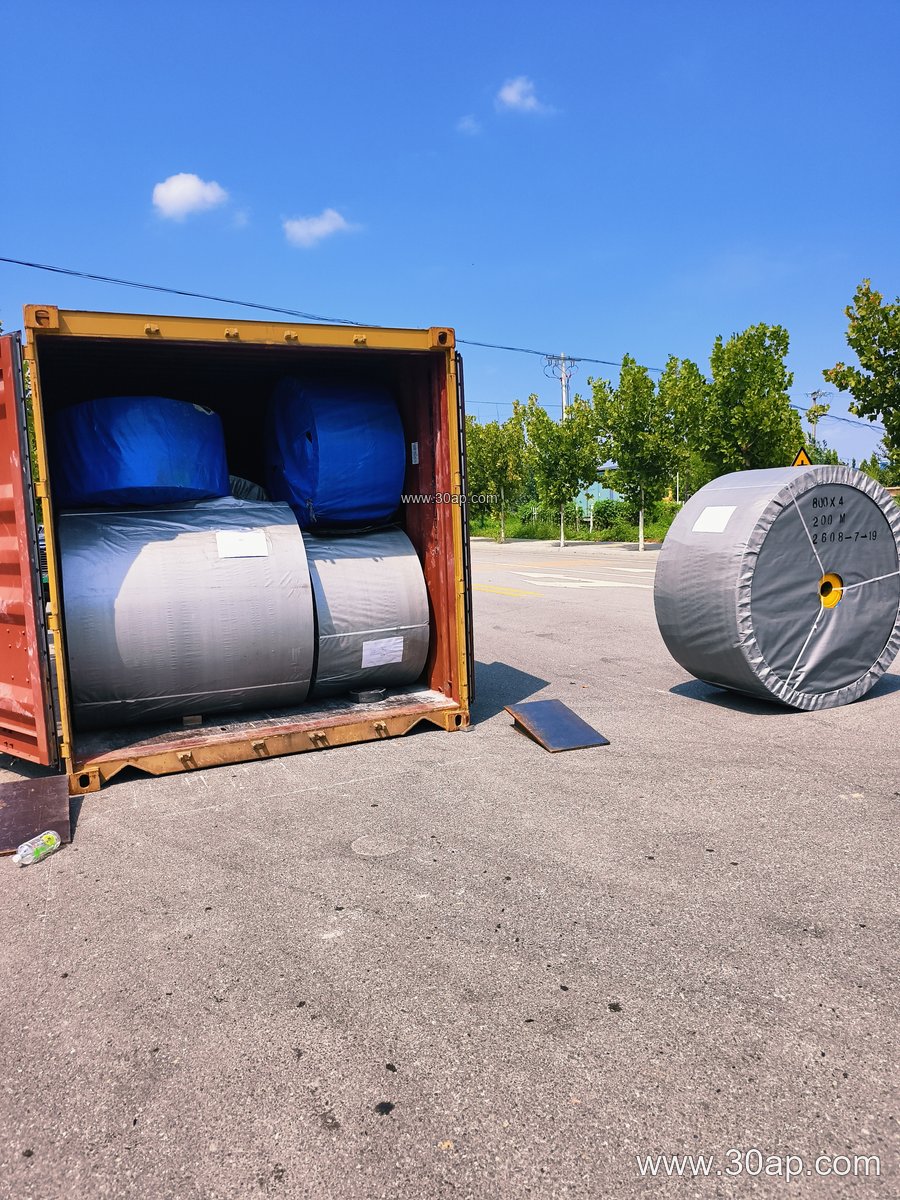
| Item | Typical range |
|---|---|
| Belt width | B500, B650, B800, B1000, B1200, B1400, B1600, B1800, B2000 |
| EP strength grades | EP200, EP315, EP400, EP500, EP630, EP800, EP1000, EP1250, EP1600, EP2000 |
| Cover thickness | 3+1.5, 4+2, 5+2, 6+2, 8+3 mm |
| Fabric plies | usually 2 to 6 |
| Surface forms | smooth, chevron, corrugated sidewall, skirted |
Width and pulley diameter are matched by the conveyor engineer, not by a single rule. A wider belt does not by itself dictate one head pulley size, and shaft diameter follows the calculated load.
Buyer Checklist
- Confirm material size, density, moisture, and temperature before choosing the cover.
- State the duty clearly: primary crushed ore, screened product, or fine concentrate.
- Check whether flame retardant or anti-static performance is required.
- Ask for the splice method and edge preparation details.
- Review the conveyor pulley and idler roller layout so the belt transitions smoothly.
- Plan spare belt, splicing tools, and inspection intervals for the conveyor bracket and frame.
For a reliable ore conveyor belt, the practical approach is to match carcass strength and cover grade to the real duty, then keep the belt centered and the rollers turning. Buyers who compare the full specification, not just the headline strength grade, usually get longer service life in mines, quarries, cement works, and power plants.