What a V-Type Idler Bracket Does
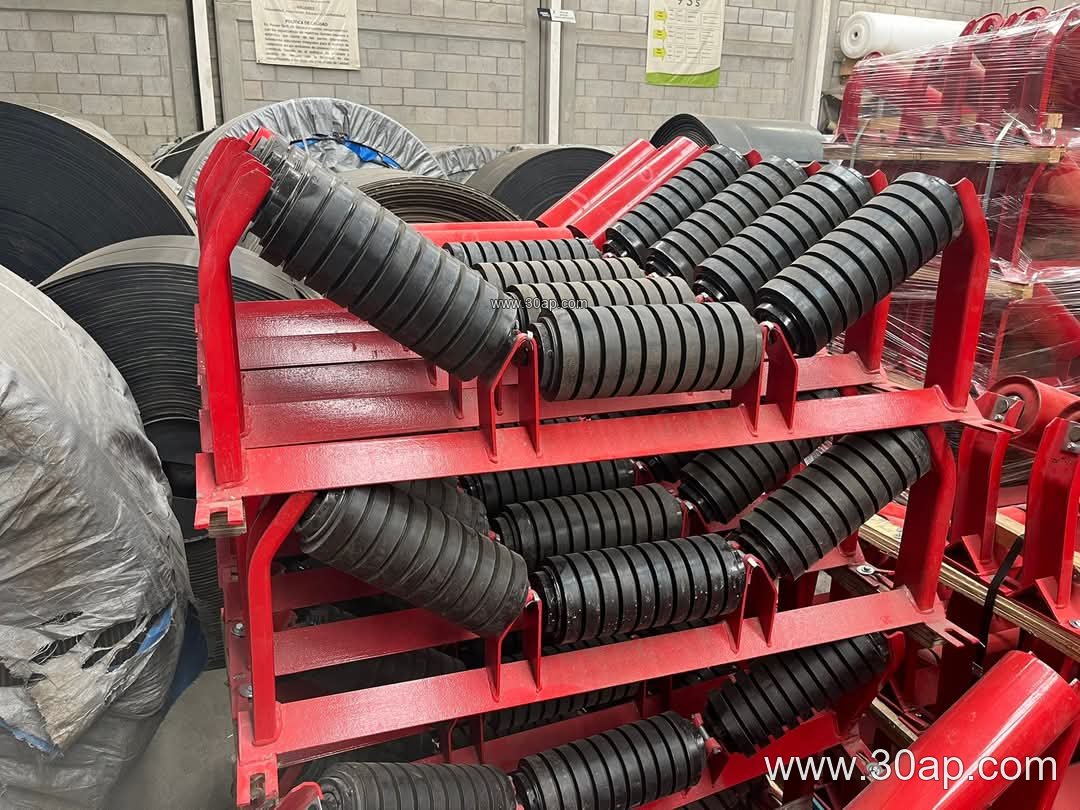
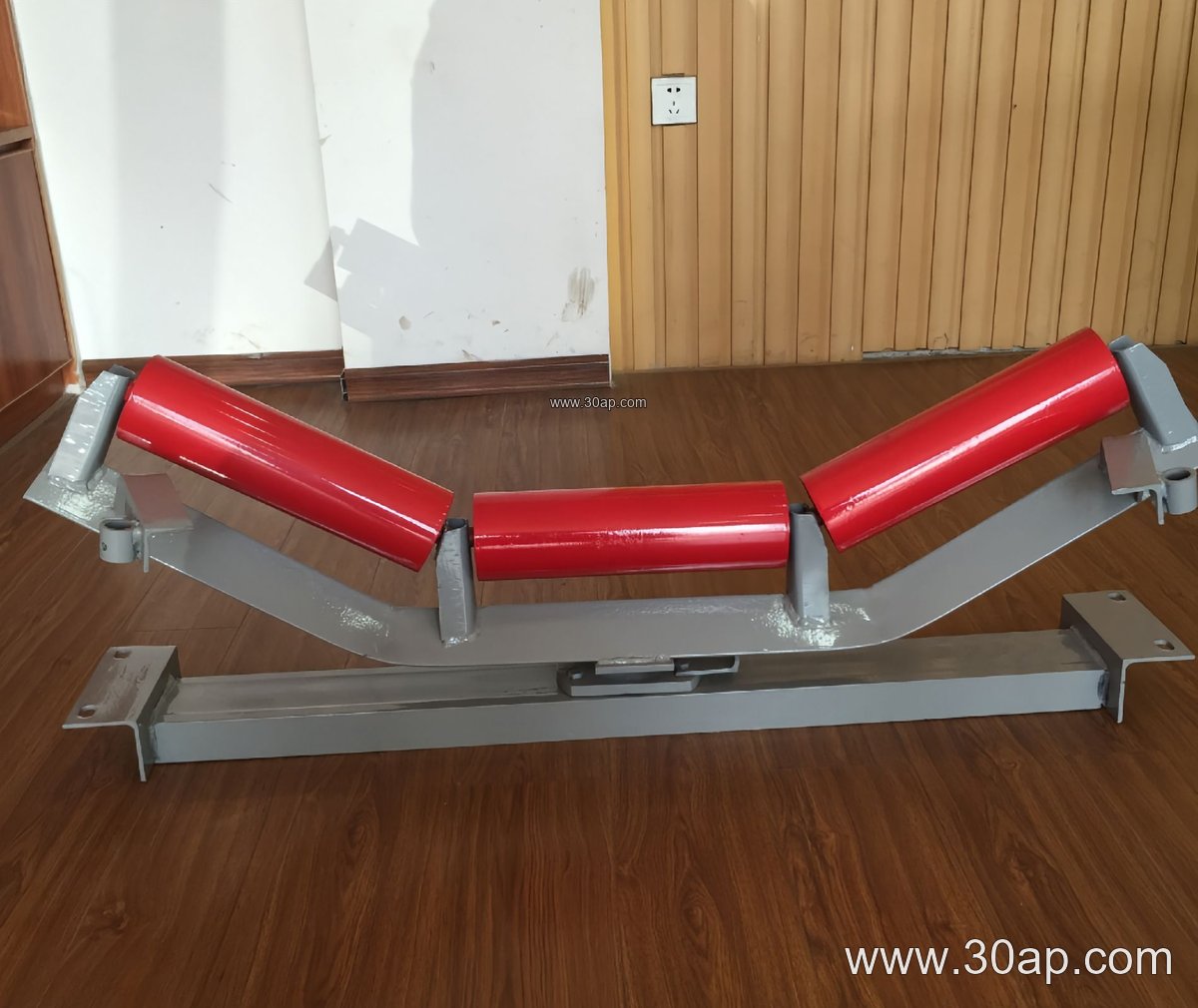
A V-Type Idler Bracket is a return-side support that holds two idler rollers in a shallow V arrangement under the carrying belt. Instead of a single flat roller, the bracket cradles the returning belt in a trough shape, which helps the belt track straighter and sheds loose material before it reaches the tail pulley. Plants handling abrasive bulk material, from a quarry line to a cement plant, often fit this bracket where belt wander and spillage are persistent problems.
In practice, the bracket works together with the conveyor belt, the idler roller set and the conveyor bracket frame that ties the whole return run together. It is not a substitute for a drive pulley, tail pulley or bend pulley; those parts transmit power and change belt direction, while the V-Type Idler Bracket simply supports and guides the returning strand.
Construction and Mounting
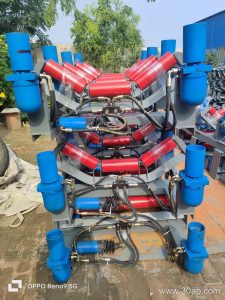
Most units are fabricated from angle steel, channel steel or folded steel plate, then welded into a rigid frame with two inclined arms. The arms are set at a fixed V angle, and the roller shafts sit in slots or bolt holes at the ends of each arm. A typical frame is bolted to the conveyor stringer or to a cross beam, so the bracket can be replaced without cutting the belt.
Build quality matters more than appearance. Check weld penetration at the arm-to-base joint, confirm that the two arms are symmetrical, and make sure the mounting holes line up with the stringer pitch. A twisted bracket will tilt the rollers and wear the belt edge.
Where It Fits in the Conveyor
The bracket belongs on the return strand, usually spaced between the head and tail sections. Common applications include:
- Wash plants and aggregate lines where wet fines cling to the belt
- Coal handling and power plant coal yards with dusty return runs
- Crushing and screening circuits that need steady belt tracking
- Fertilizer and grain silo installations where spillage must be minimized
On a long overland run, a V-Type Idler Bracket is often combined with a training bracket or a self-aligning set to keep the belt centered. For heavy-duty mining conveyor belts carrying ore, the return side may need a heavier frame and larger rollers than a light aggregate line.
Matching the Bracket to Belt Width and Roller Diameter
Selection starts with the belt width and the return roller diameter. Common belt widths run from B500 and B650 up to B1800 and B2000, while return rollers are frequently Ø89, Ø108, Ø133, Ø159 or Ø194. The bracket width and the mounting hole spacing change with belt width, so the same frame is not universal across all sizes. A B800 return run with Ø108 rollers is a typical mid-size arrangement, but a B1200 line may use Ø133 rollers and a wider frame.
The V angle is usually fixed by the manufacturer, often in the range of 10 to 20 degrees per side. A deeper V improves belt centering but raises the load on the roller bearings, so the angle should match the belt stiffness and the material load.
Buyer Checklist
Before ordering, collect the belt width, the return roller diameter, the stringer spacing and the bolt hole pattern. Confirm the steel grade and surface treatment, and ask whether the bracket is supplied with rollers or as a frame only. For abrasive duties such as iron ore or copper ore, specify a robust frame and consider an abrasion resistant conveyor belt on the carrying side to reduce the fines that reach the return run.
Spare parts planning is simple: keep a few brackets and roller sets in stock, inspect for bent arms and loose bolts during routine walks, and replace any frame that no longer holds the rollers square. A well-matched V-Type Idler Bracket is a low-cost way to protect the belt and keep the return strand running true.