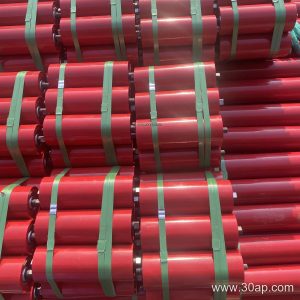
What a Three-Roll Idler Bracket Does
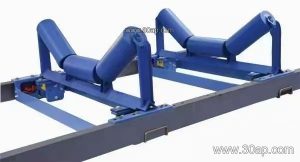
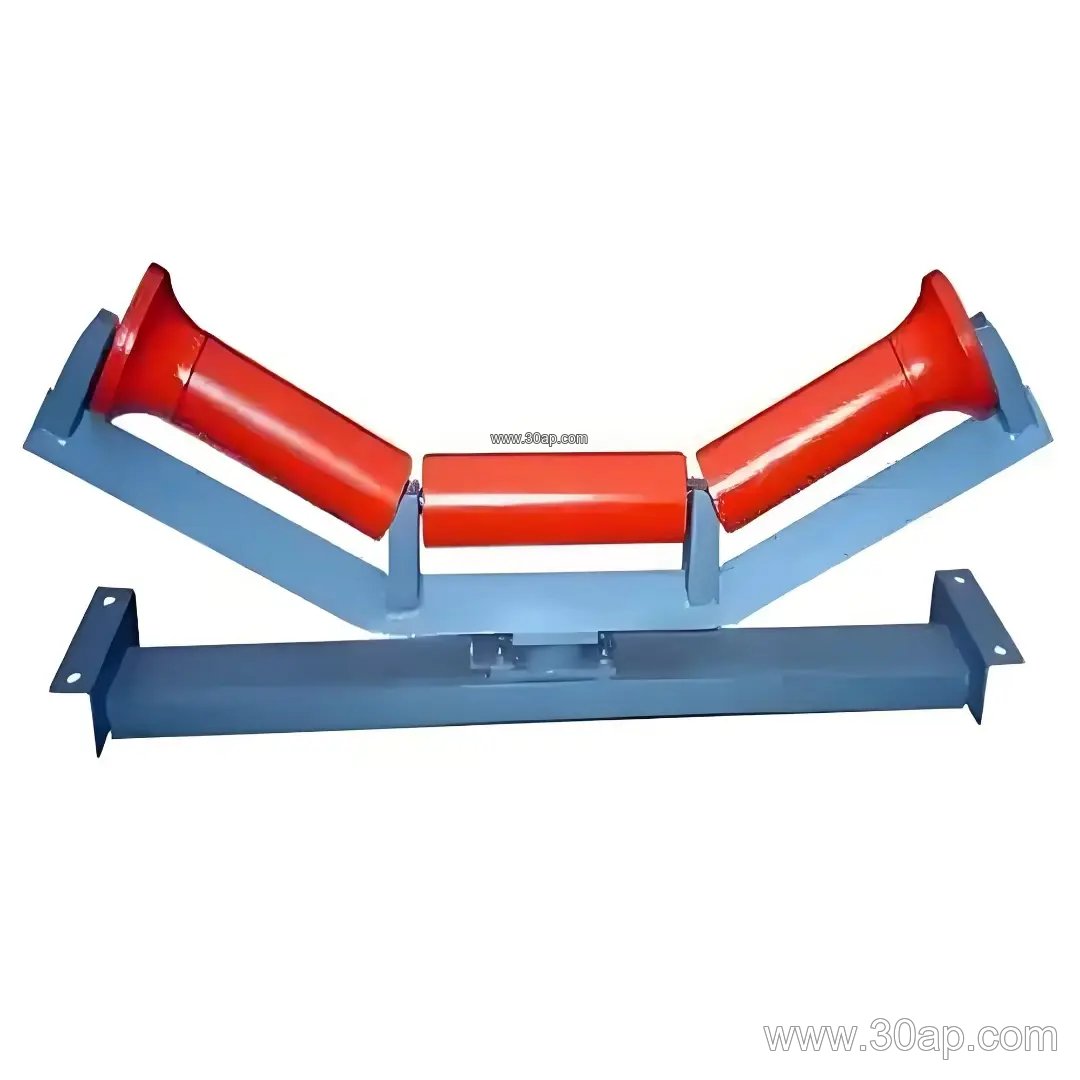
A three-roll idler bracket is the structural support that holds the three-roll troughing set in place on a belt conveyor. It carries the idler roller shafts at the correct angles so the conveyor belt forms a trough shape, keeping bulk material centered on the belt. In a quarry, cement plant, or power plant coal yard, this bracket is often the quiet workhorse that determines how well the belt tracks and how long the idler rollers last. Another common name for the same product is the troughing idler bracket, and both terms refer to the same support frame that mounts three rolls in a trough configuration.
Construction Details
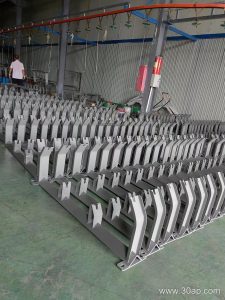
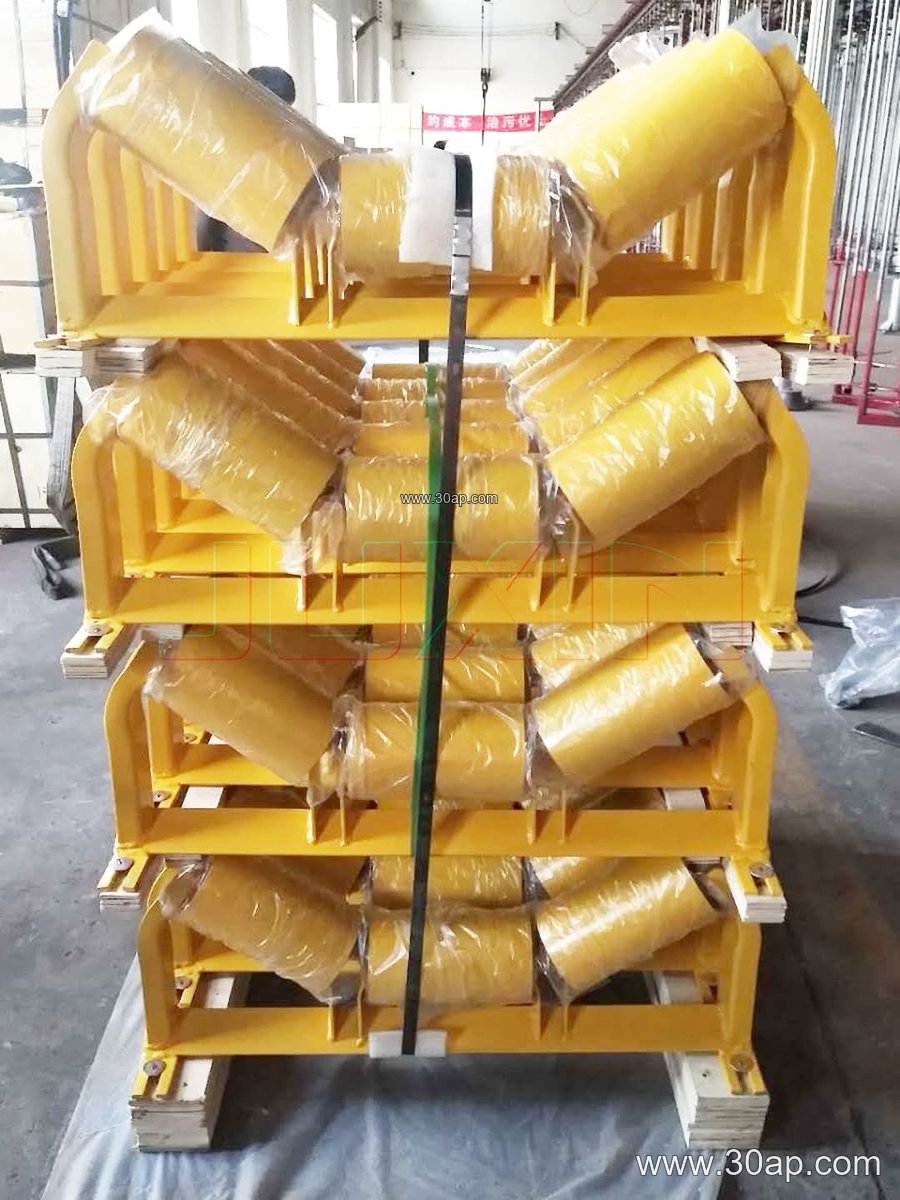
Most three-roll idler brackets are fabricated from angle steel, channel steel, or bent steel plate. The frame includes mounting slots or holes for the idler roller shafts and bolt holes for attaching to the conveyor stringer. The trough angle is built into the bracket or, in adjustable designs, set by moving the side roll positions. Common trough angles include 20, 30, 35, and 45 degrees. For belt widths such as B800, a 35-degree bracket with Ø108 idler rollers is a typical arrangement, while a B1200 conveyor might use 45 degrees with Ø133 rollers. These are reference examples, not fixed rules; the correct combination depends on belt width, material characteristics, and conveyor design.
Where It Fits on the Conveyor
The three-roll idler bracket is used on the carrying side of the conveyor, not on the return side. It sits between the conveyor pulley at the head and the tail pulley, supporting the loaded belt. In a sand and gravel line or a crushing and screening plant, these brackets are installed in long rows along the conveyor frame. The bracket must be aligned with the stringer and squared to the belt centerline, because misalignment causes the belt to run off-center and wear the edges. Unlike a bend pulley or a drive pulley, the bracket does not transmit power; it only supports the belt and idler rollers.
Types and Adjustability
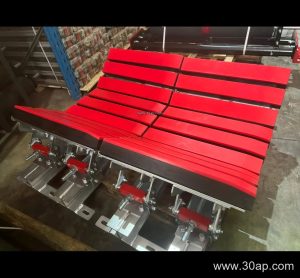
Three-roll idler brackets come in fixed and adjustable forms. A fixed bracket has a welded or bolted structure with a set trough angle. An adjustable bracket allows the side roll angle to be changed among common values such as 20, 30, 35, and 45 degrees, which helps when a conveyor is used for different materials or when the belt needs better centering. Other bracket types exist for specific duties, such as impact brackets under a loading point or training brackets that help correct belt misalignment, but the three-roll troughing bracket remains the standard support for the carrying run.
Choosing the Right Bracket for the Job
Buyers should match the bracket to the conveyor belt width, the idler roller diameter, and the required trough angle. The bracket mounting dimensions, such as hole spacing and crossbeam length, usually vary with belt width and trough angle, so they should be confirmed with the conveyor design rather than assumed. For a heavy-duty mining conveyor belt or a steel cord conveyor belt carrying iron ore, a robust bracket made from channel steel may be preferred. In a coal mining conveyor or underground coal mining conveyor, flame retardant conveyor belt and anti-static properties are belt concerns, while the bracket must resist corrosion and mechanical wear. The bracket itself is not normally a certified safety component, but it should be sized for the load and environment.
Maintenance and Compatibility
Inspect three-roll idler brackets for bent frames, worn mounting holes, and loose bolts. A bent bracket can tilt the idler rollers and cause the conveyor belt to mistrack, which may lead to edge damage and spillage. Keep spare brackets on hand for quick replacement during scheduled shutdowns. When replacing a bracket, confirm that the new unit matches the existing idler roller shaft size and the stringer bolt pattern. The three-roll idler bracket works together with the idler roller, conveyor bracket, and conveyor belt to keep material moving efficiently in industries from aggregate and cement to power generation and port loading.