What a Dustproof and Waterproof Idler Has to Handle
A dustproof and waterproof idler is a carrying or return roller built so that fine dust and water spray cannot easily reach the bearing. On a wet washing plant line, a tunnel conveyor, or an outdoor stockyard transfer, ordinary rollers often fail from the inside out: grit works past the seal, the grease turns into a grinding paste, and the shell stops turning while the belt keeps sliding over it. A sealed idler roller is designed to delay that failure. It is still a roller, not a pulley, so it supports the conveyor belt from below rather than driving or redirecting it.
The working principle is simple. The bearing cavity is protected by a labyrinth path, a contact lip seal, or a combination of both, and the end cap is shaped to shed water instead of trapping it. The shell is usually covered with a protective coating or made from a corrosion-resistant material. What matters is the whole sealing system, not a single rubber ring.
Construction Details That Decide Service Life
A reliable dustproof and waterproof idler normally combines several features:
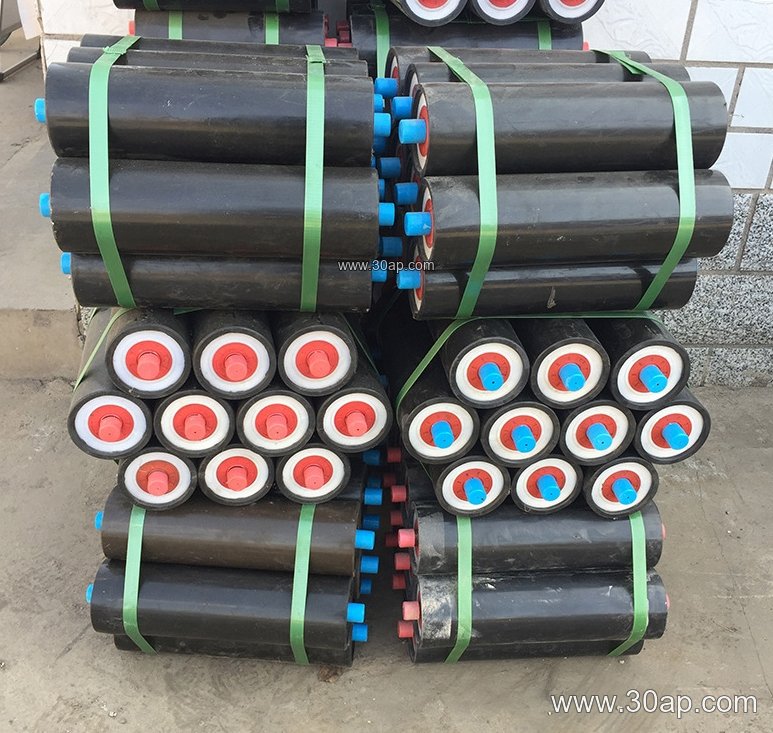
- Seal arrangement: a multi-stage labyrinth seal with a lip seal at the outer face, often backed by a felt or grease barrier.
- Bearing protection: deep-groove ball bearings such as 6204, 6205, 6305 or 6306, filled with water-resistant grease and capped on both sides.
- Shell treatment: painted steel tube, galvanized tube, nylon coating, or a rubber-covered surface for wet and abrasive duty.
- End cap design: a sloped or stepped cap that lets water run off and prevents pooling around the shaft.
- Shaft and housing: a machined shaft with a tight fit into the bearing housing, so the seal does not lose alignment under load.
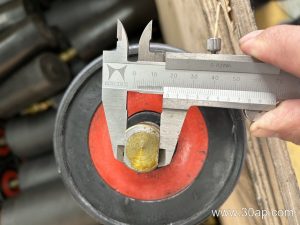
Roller diameter is chosen by load and belt speed, not by habit. Common sizes include Ø89, Ø102, Ø108, Ø127, Ø133, Ø159 and Ø178. Larger diameters turn more slowly and tolerate heavier material, while smaller ones suit light belts. Bearing numbers and roller diameters should be matched by the designer, since one bearing size can serve several shell sizes.
Where Sealed Rollers Earn Their Cost
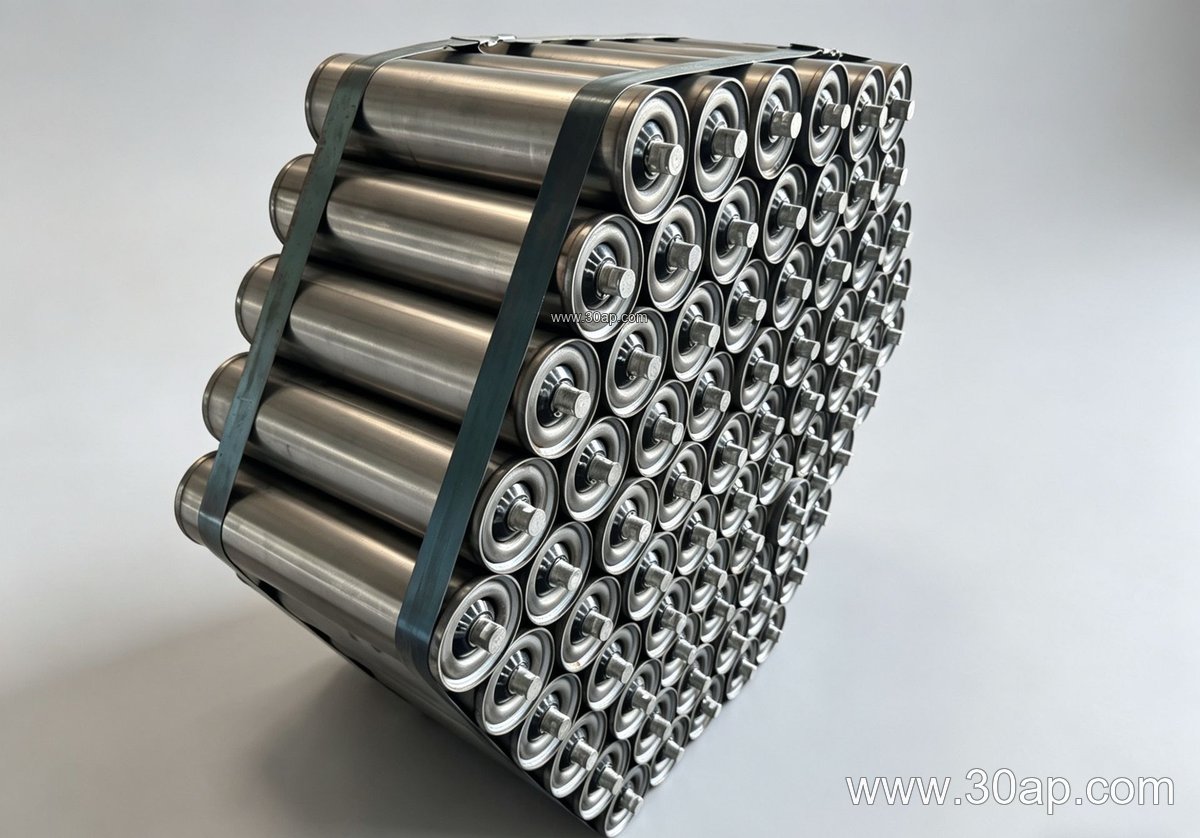
Two typical settings show the value clearly. In a coal preparation plant or wash box area, water and coal fines are everywhere, and a standard roller may seize within months. A sealed idler keeps the grease clean and the shell rotating. In a quarry or sand and aggregate line, dust from crushing and screening is fine and abrasive; a dustproof roller on the return side reduces belt drag and motor load.
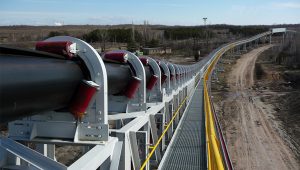
These rollers also appear in cement plants, power plant coal handling, port stockyards, and tunnel spoil conveyors. They work with the conveyor belt, the conveyor bracket, and the conveyor pulley, but they do not replace any of them. A drive pulley pulls the belt; a tail pulley turns it back; a bend pulley changes direction. Those are separate components with their own specifications.
Matching the Roller to the Belt and the Frame
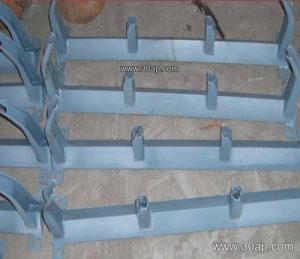
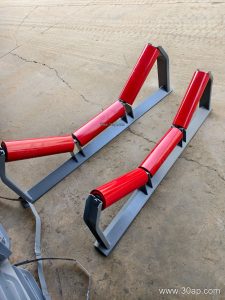
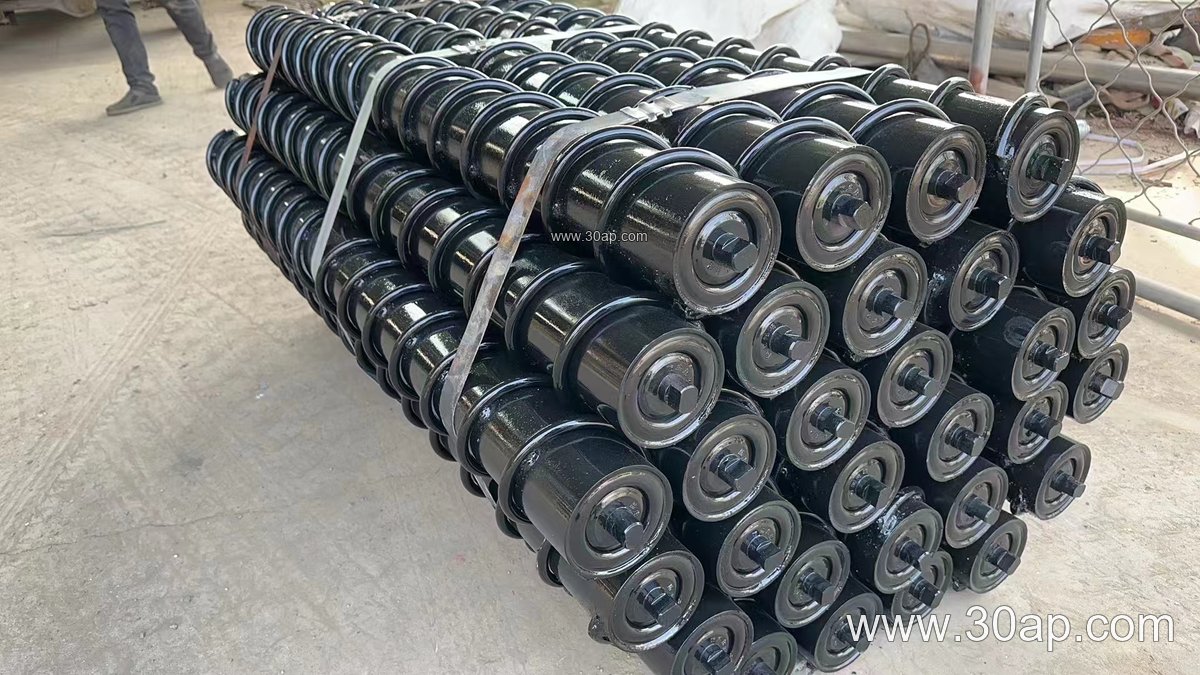
Sealed idlers are made in the usual configurations: single-roller, two-roll V-return, and three-roll troughing sets with trough angles of 20, 30, 35 or 45 degrees. Roll length follows belt width, trough angle and frame type. For a three-roll troughing set, common roll lengths are roughly 200 mm at B500, 250 mm at B650, 315 mm at B800, 380 mm at B1000, 465 mm at B1200, 530 mm at B1400 and 600 mm at B1600. These are examples only; side rolls and centre rolls can differ, and the final length is set by the conveyor design.
| Parameter | Common options | Selection note |
|---|---|---|
| Roller diameter | Ø63, Ø76, Ø89, Ø102, Ø108, Ø127, Ø133, Ø159, Ø178 | Based on load, belt speed and frame height |
| Belt width | B400 to B2400 | Roll length follows width and trough angle |
| Trough angle | 20°, 30°, 35°, 45° | Higher angle suits finer, more fluid material |
| Bearing | 6204, 6205, 6305, 6306, 6308, 6310 | Matched to load and shaft, not to belt width alone |
| Surface | Steel tube, nylon, ceramic, rubber ring | Rubber rings help on impact zones |
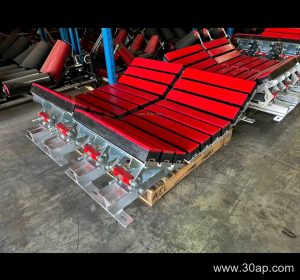
When the belt carries wet, sticky material, a self-cleaning or spiral return roller may be worth comparing with a plain sealed return roller. The comparison is about function, not a swap: a spiral roller sheds build-up, while a sealed flat roller protects the bearing. Impact zones may call for a rubber-ring buffer roller, again as a separate choice.
Buyer Checklist Before Ordering
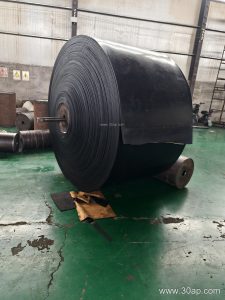
Ask for the seal type and the bearing brand or grade, not just the shell size. Confirm the shaft diameter and the fixing centres against the existing conveyor bracket. Check whether the environment is fresh water, salt spray, or slurry, because that changes the coating and the grease. On long lines with a heavy-duty mining conveyor belt, small differences in roller drag add up over kilometres, so rotation resistance should be part of the specification. For abrasive ore duties, an abrasion resistant conveyor belt and well-sealed rollers together protect the whole system. Buyers ordering through a supplier site such as brconveyor.com often pair roller selection with belt selection, since the belt width and the roller frame must agree.
Finally, plan maintenance. Sealed does not mean permanent. Inspect for water trapped in the end cap, listen for a dry bearing, and replace rollers in sets where the belt has worn a flat spot. A dustproof and waterproof idler extends service intervals, but it still needs the right size, the right seal and the right installation to do its job.