What a Conveyor Carrying Bracket Does
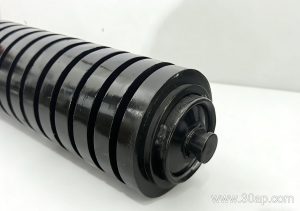
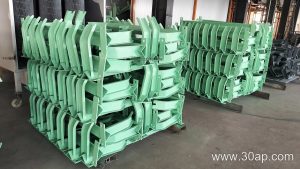
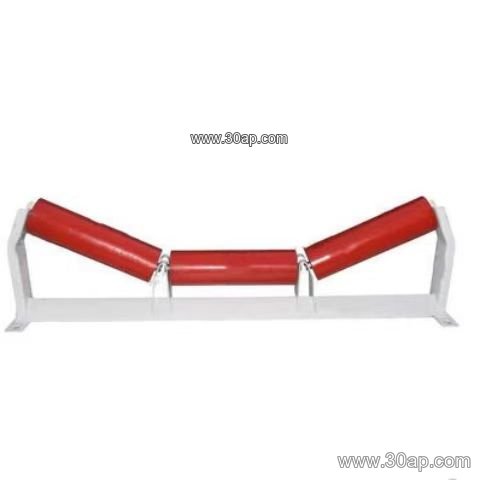
A conveyor carrying bracket is the structural support that holds the carrying-side idlers in position along a belt conveyor. Often called a troughing bracket or carrying idler bracket, it sits between the conveyor frame stringers and the idler roller assemblies, maintaining the trough angle that shapes the conveyor belt into a material-holding profile. Without a properly aligned carrying bracket, the belt would run flat or misaligned, causing spillage and uneven wear.
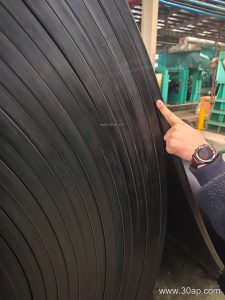
In quarry and aggregate lines, the carrying bracket works alongside the conveyor pulley and conveyor belt to keep stone moving smoothly from the crusher to the screen. The bracket itself does not drive or tension the belt—those jobs belong to drive and tail pulleys—but it directly influences belt tracking and load distribution.
Construction and Common Forms
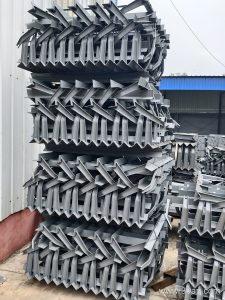
Most carrying brackets are fabricated from angle steel, channel steel, or bent steel plate. The design must resist bending under the weight of the belt plus material, especially in heavy-duty mining conveyor belt applications where lump sizes are large.
Typical configurations include fixed troughing brackets, adjustable brackets that allow the trough angle to be changed, and transition brackets used near pulleys where the belt changes from flat to troughed. Self-aligning or training brackets may include pivoting features to correct belt drift.
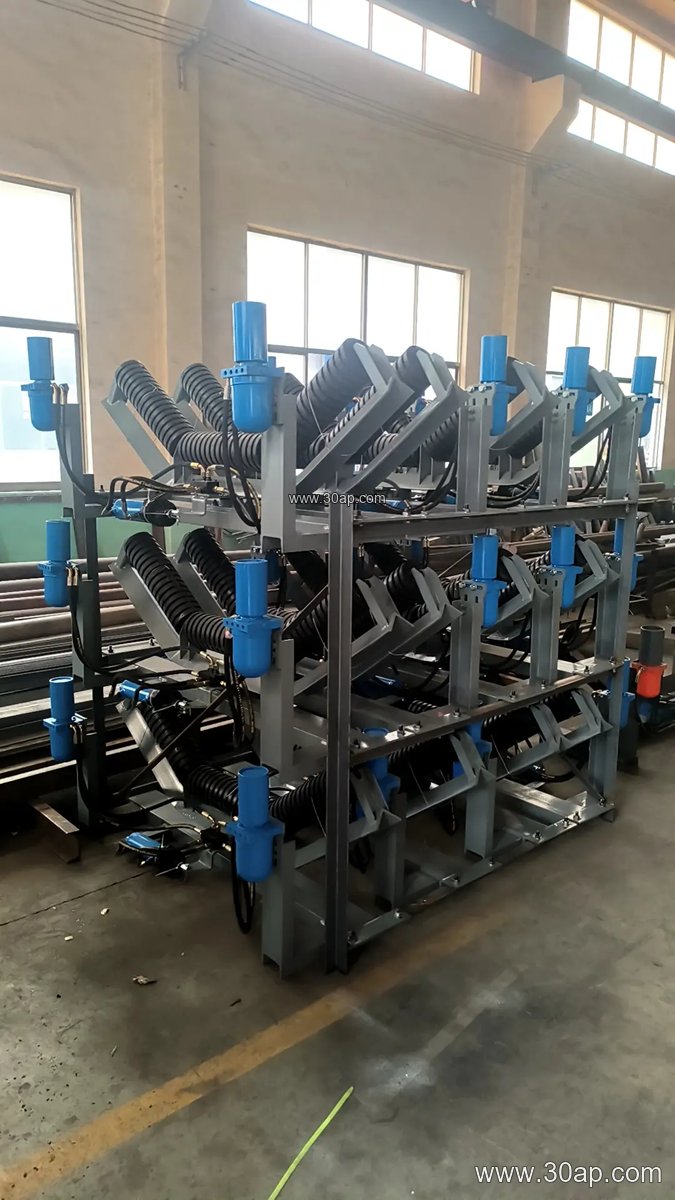
Common trough angles are 20, 30, 35, and 45 degrees. Adjustable brackets can usually be set within this range. Forward-tilted brackets, often around 1.5 to 2 degrees, help with belt centering on some installations. The bracket does not set belt width or pulley diameter—those are separate design decisions.
Where Carrying Brackets Are Used
These brackets appear wherever a conveyor belt carries bulk material over idlers. In a coal mining conveyor belt system, flame retardant conveyor belt and anti-static conveyor belt grades are common, and the carrying brackets must be spaced to support the belt without excessive sag. In cement plants, heat resistant conveyor belt may be used near kiln areas, and the brackets need to tolerate high ambient temperatures without losing alignment.
Port facilities handling iron ore or copper ore often use heavy-duty conveyor belt and steel cord conveyor belt, where carrying brackets are built from thicker section steel. In a sand and gravel operation, a 800mm conveyor belt might run on Ø108 idlers set at 35 degrees, while a 1200mm belt could use Ø133 idlers at 45 degrees—but these are examples, not fixed rules. The bracket layout must match the actual belt width, idler diameter, and load.
Matching Brackets to Belt and Idler Choices
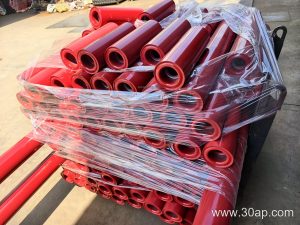
Selecting a carrying bracket starts with the belt width and the idler roller diameter. Common belt widths include B500, B650, B800, B1000, B1200, B1400, B1600, and B1800. Roller diameters such as Ø89, Ø108, Ø133, Ø159, and Ø194 are used depending on load and belt speed. A wider belt does not automatically dictate one trough angle or one roller size; the design engineer balances capacity, material lump size, and transition distances.
The bracket’s mounting hole spacing and crossbeam length vary with belt width and trough angle, so these dimensions are determined per project. Buyers should confirm the frame stringer spacing, bolt hole pattern, and whether the bracket is fixed or adjustable before ordering.
Buyer Checklist
- Confirm belt width and idler diameter—for example, B1000 with Ø133 idlers—rather than assuming a universal fit.
- Specify trough angle (20, 30, 35, or 45 degrees) and whether adjustment is needed.
- State the material and finish: painted, galvanized, or plain steel, depending on the environment.
- Check compatibility with the conveyor frame and with the conveyor pulley layout at transition points.
- For harsh duty such as underground mining conveyor belt systems, verify that the bracket design suits the belt grade, including flame retardant or abrasion resistant conveyor belt types.
Properly chosen carrying brackets reduce belt edge damage, improve material containment, and extend idler roller life. They are a small but critical link between the conveyor belt and the supporting structure.